OpenAIとAnthropicの「受託」シフトをひとりクリエイターの目線で読み直す|3年後も生き残るための3戦略
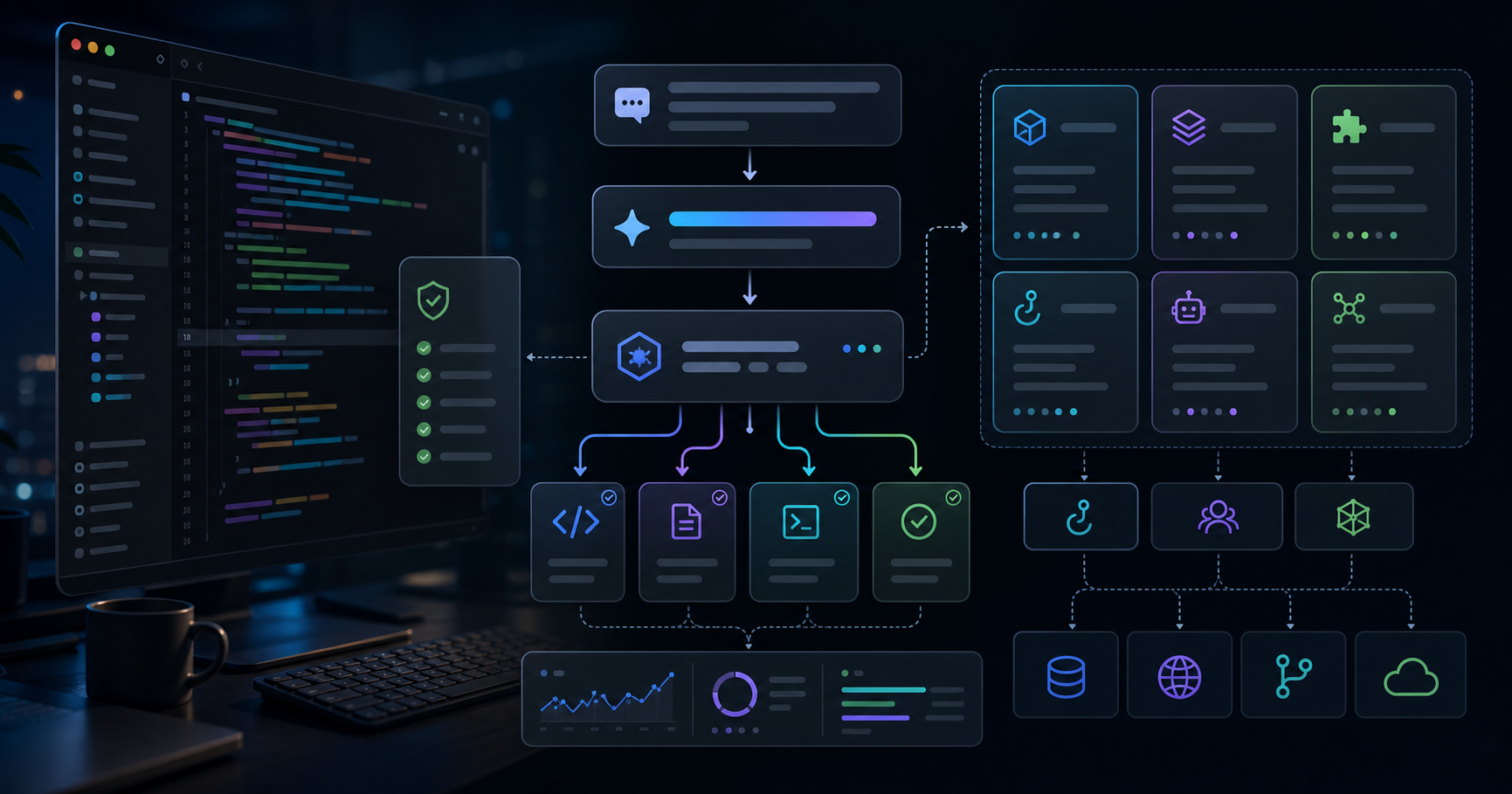
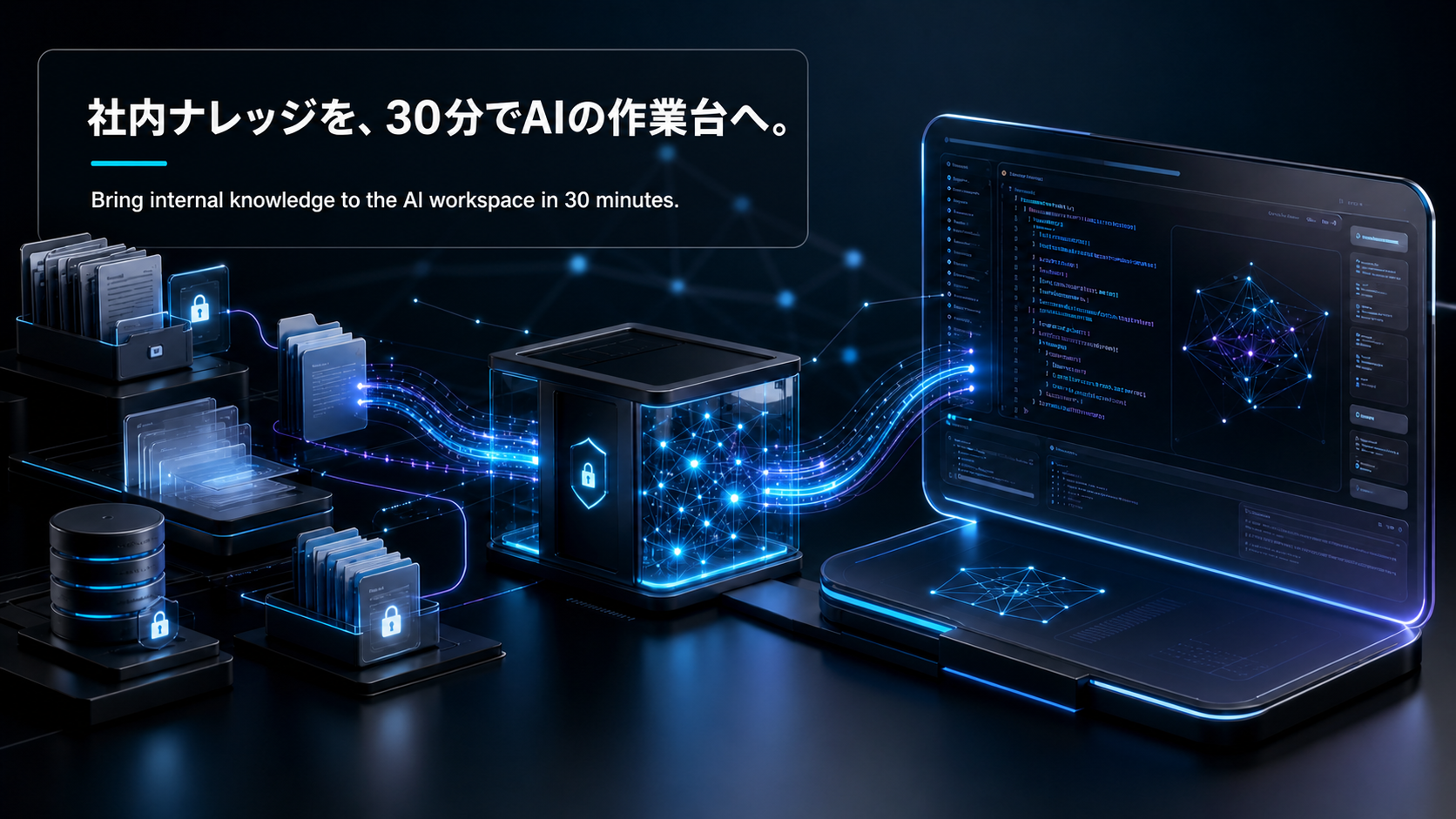
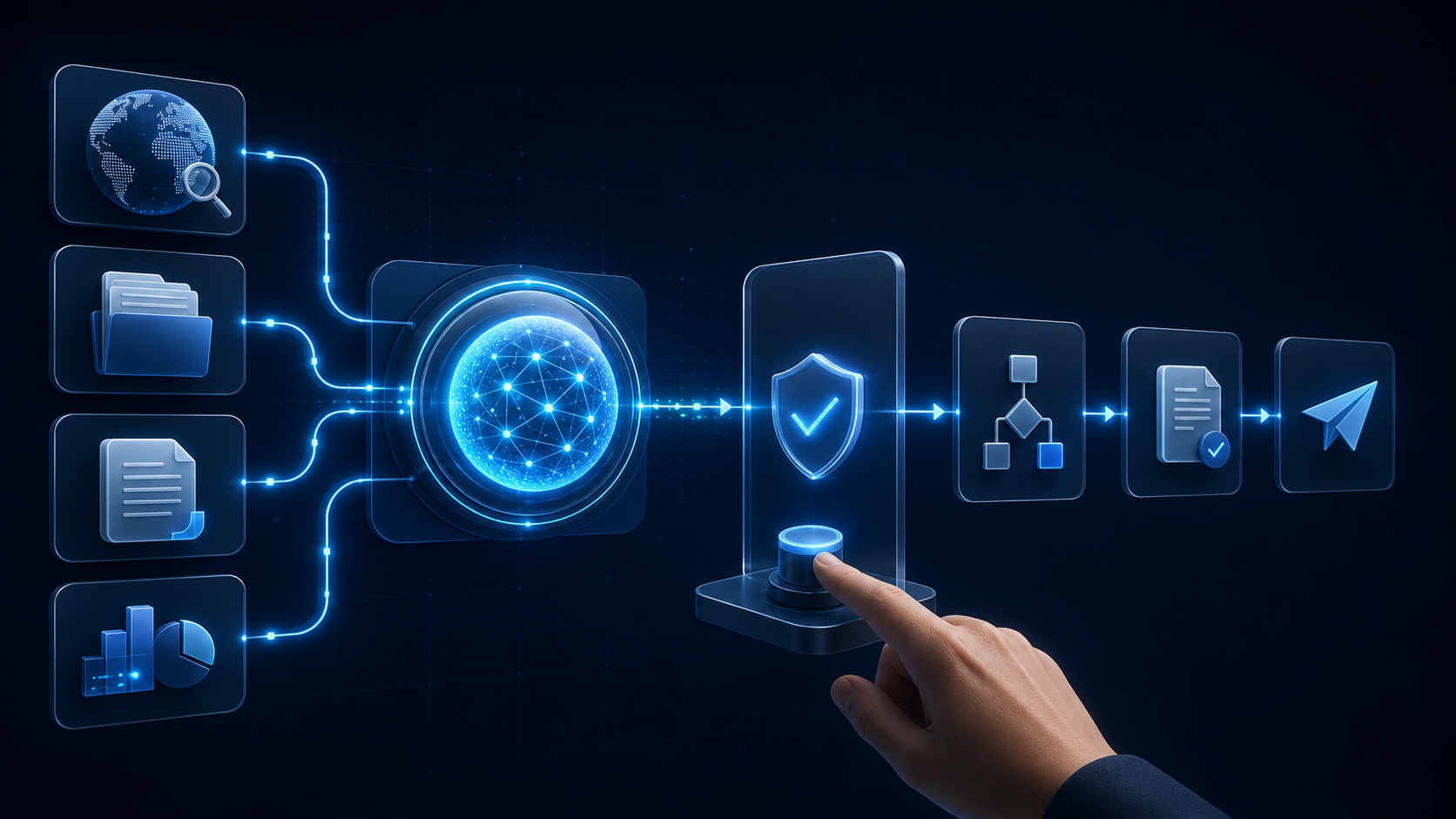
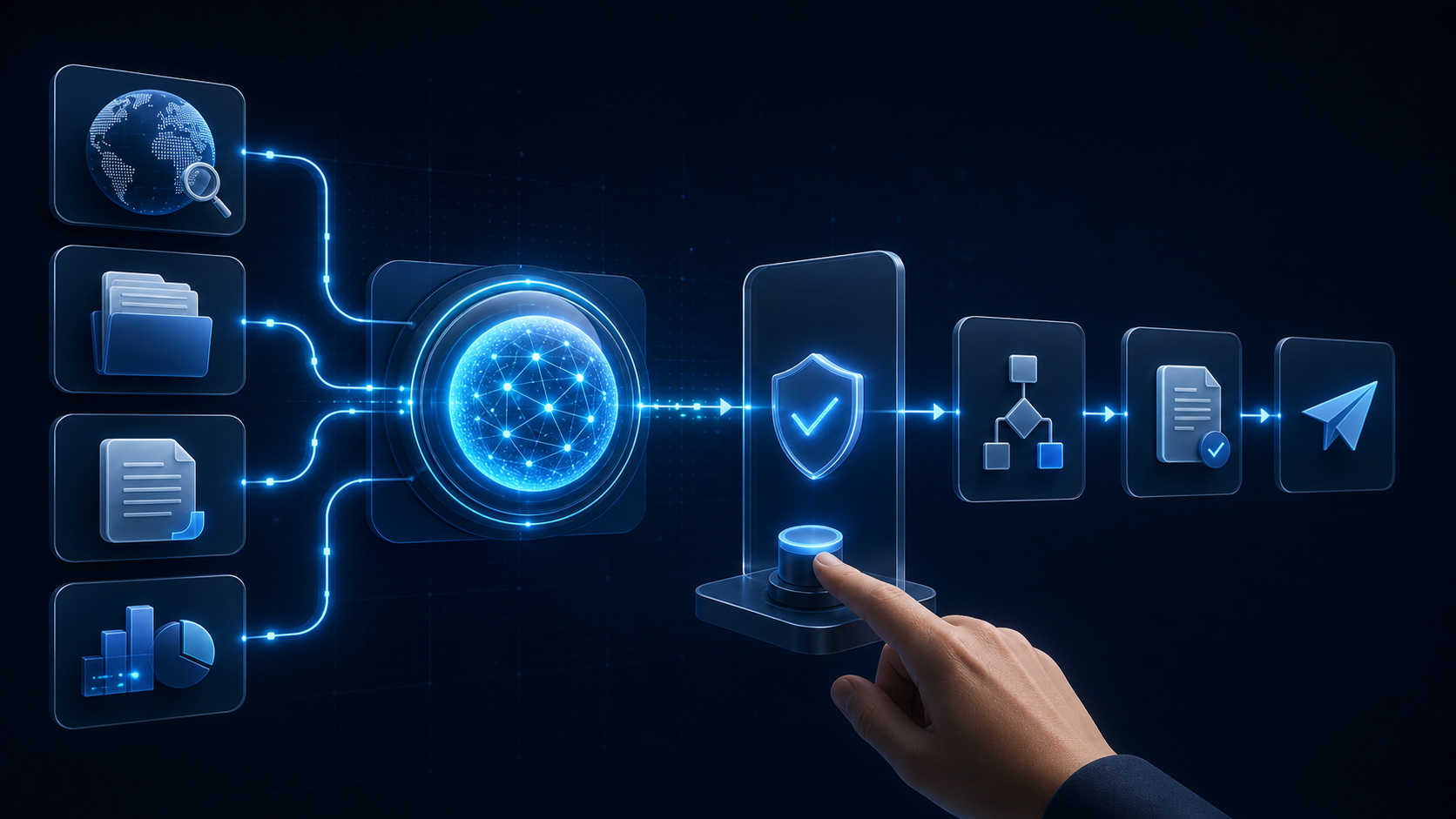
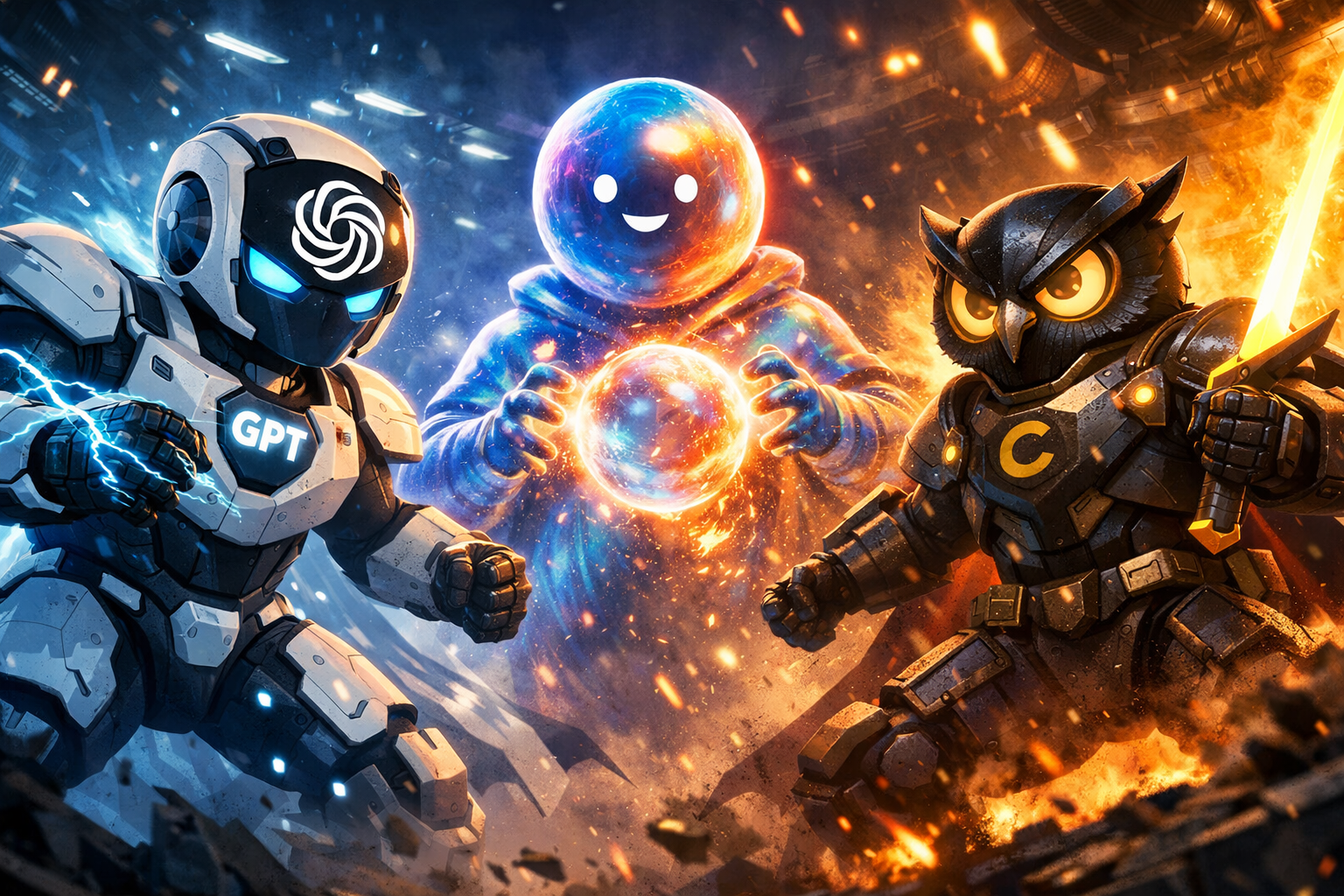
2026年5月、OpenAIが Forward Deployed Engineer(FDE)を顧客企業に常駐させ始め、Anthropicは Blackstone・Hellman & Friedman・Goldman Sachs と組んで Claude を企業中枢に埋め込むサービス会社を立ち上げました。「モデル屋さん」が「中の人」になってきている。CVCとして毎日AI投資の現場を見ている人間として、これは「もう一段先のフェーズに入った」というシグナルだと受け取りました。
私はVCをやりながらこのZYL0ブログとX、YouTubeをひとりで回しています。このニュースを自分の机の上で並べた瞬間、「これは『エンジニア・PM・デザイナーがどう生きるか』の話に見えて、実はひとりクリエイター全員の話だ」と背筋がスッと冷えました。
何がクリエイターに効いてくるのか、CVC側で投資ロジックを毎日見ている人間として、正直に書きます。
最初に共感ポイントから書かせてください。
私はもともと半導体プロセスのエンジニアで、その後CVCに転身しました。クリエイターは副業として始めて2年。月の作業時間でいうと、本業30時間、クリエイター15時間、自社AI開発15時間くらいで回しています。
この動きを並べてみて一番怖かったのは、AI企業が標的にしているのが「モデルを買う顧客」だけじゃない、ということでした。
- 動画編集を外注している企業 → AI企業の受託に置き換わる
- ライターに発注している企業 → AI企業のFDEがそのまま社内ライターになる
- SNS運用代行を頼んでいる企業 → AIのオペレーティングエージェントが代替
つまり、個人クリエイターが「副業で受注する案件」も、AI企業のFDE/受託モデルが食いに来る射程に入っているということ。私みたいに「VC × クリエイター」のハイブリッドで、副業の半分を受託でやっているタイプは、特に当事者です。
たぶんこれを読んでいる方の中にも、「うちのクライアントもいずれOpenAIに直接頼むんじゃない?」と一度は考えたことのある人、結構いると思うんですよね。
ここで投資家の脳の引き出しを開けると、まったく同じ構造を一度見たことがあります。
2010年代のAmazon Web Services。 AWSは最初「クラウドのインフラ屋」として出てきたのに、途中から AWS Professional Services(要するにAWSの中の人が顧客企業に常駐して構築をやる)を伸ばしました。結果どうなったか——
| プレイヤー | 2012年の立場 | 2020年代の立場 |
|---|
| AWS Professional Services | クラウド導入の補助役 | 大手の社内クラウド構造を握る本丸 |
| 既存SIer(Accenture、IBMコンサル等) | クラウドの「中の人」よりは強かった | 一部は買収・統合、一部はAWS認定で生き残る |
| 個人クラウド系フリーランス | AWS資格 + 案件で食えた | 「AWS全部わかる人」は淘汰、「特定業種 × AWS」が伸びた |
| エンドユーザー(事業会社) | SIerに依存 | 自社内製化を進める or AWS直契約 |
勝ったのはAWS本体と「特定業種×クラウド」の濃いプレイヤー、負けたのは「クラウド全般できます」の万能型でした。
今回のニュースを並べて私が思ったのは、まさにこの十年史が、向こう3年で AI 領域に圧縮再演されるということです。OpenAI/Anthropic が AWS Professional Services の役を演じ、SIer のポジションに今のAI受託会社が入る。個人クリエイターは、フリーランスインフラエンジニアと同じ立ち位置になる。
ここまでわかると、戦略はかなりクリアになります。
ここから本題です。私自身が「VC × クリエイター」のハイブリッドで実際に試している戦略を、3つに整理します。完璧な処方箋ではなく、「私はこの3つの組み合わせで張っている」という体験談として読んでください。
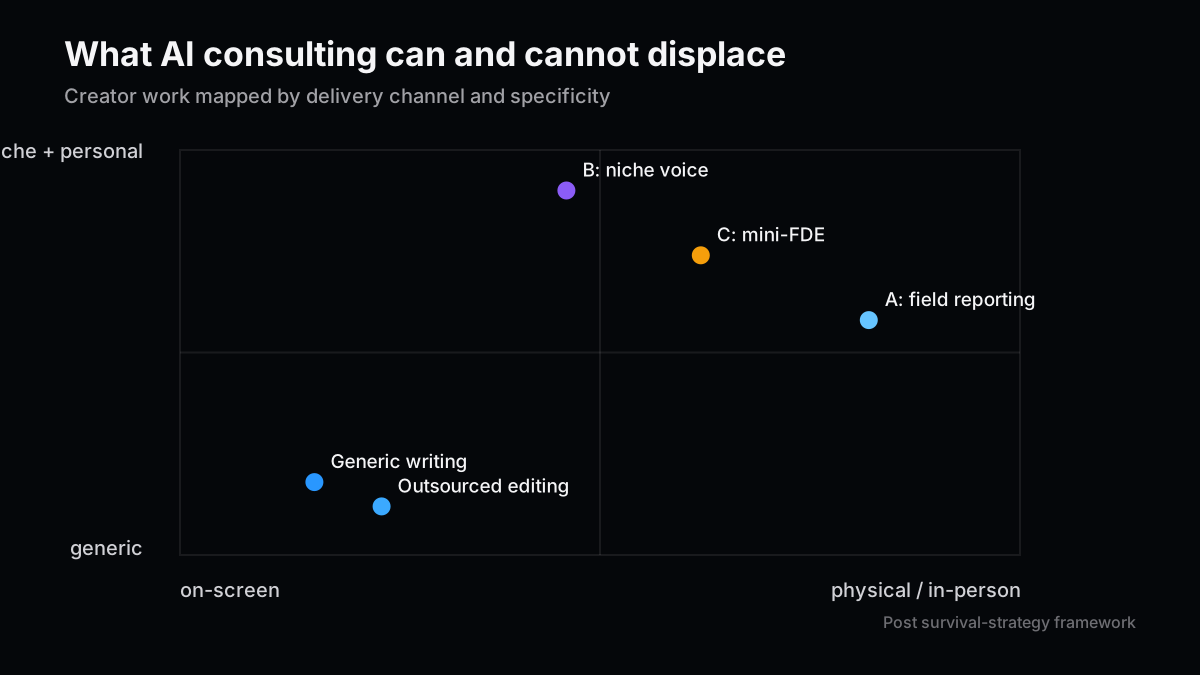
OpenAIのFDEもAnthropicの受託も、結局画面の中で完結する作業から食ってきます。逆に言うと、画面の外でしか発生しない価値は、まだ向こう5年は安全圏です。
具体例:
- 現場取材ベースのインタビュー記事(私の場合、CVCとして実際に会ったスタートアップ経営者の話)
- 撮影が必要な動画コンテンツ(自分の顔・声・現場映像)
- 対面/オンラインのコーチング・コンサル(信頼関係 × 即興の応答)
- 物理空間でのワークショップ・イベント
私の場合、ZYL0ブログのうち「自分が現場で見たもの」を含む記事のPV単価がそれ以外の3倍でした。これは2026年4月〜5月の自分のデータです。
読者は「AIが書いたかもしれない記事」と「絶対に人間しか書けない記事」を、想像以上に嗅ぎ分けています。
AWSの十年史で生き残ったフリーランスは「特定業種 × クラウド」の濃い人でした。AI領域でも同じで、「特定領域 × あなたの個性 × あなたを信頼するコミュニティ」の3点セットがある人は、AI企業の標準化された受託では絶対に代替できません。
私の例:
- 特定領域:CVCの目線でのAI/半導体/エネルギー(リサーチでなく一次情報ベース)
- 個性:半導体エンジニア → CVC → 個人クリエイターという経歴の組み合わせ
- コミュニティ:このブログとX読者で、特に半固体電池とSpace×CVCの話が刺さる人たち
正直、最初は「ニッチすぎて誰も読まないんじゃないか」と思いました。実際、立ち上げ3ヶ月は誰も読まなかった。でも半年すぎて、特定の記事に「これが読みたかった」と何度もXで言われる現象が起き始めました。
AI企業のFDEは「業界全般のベストプラクティス」を売れます。逆に「私の業界での私の独自視点」は売れません。ここが個人クリエイターの最後の防衛線、と私は見ています。
最後はちょっと逆張りです。「AI企業のFDEが取れない中小企業」の中に入って、自分自身がFDE役をやる戦略。
OpenAIやAnthropicのFDEが行くのは、Blackstone系の超大手・SaaS大手・政府機関です。一方、売上1〜30億円規模の中小企業はFDE枠から完全に漏れる。ここに、自分のクリエイター実績を担保にして「あなたの会社用のClaude/ChatGPT運用」を売り込む余地があります。
私が実際に試したのは:
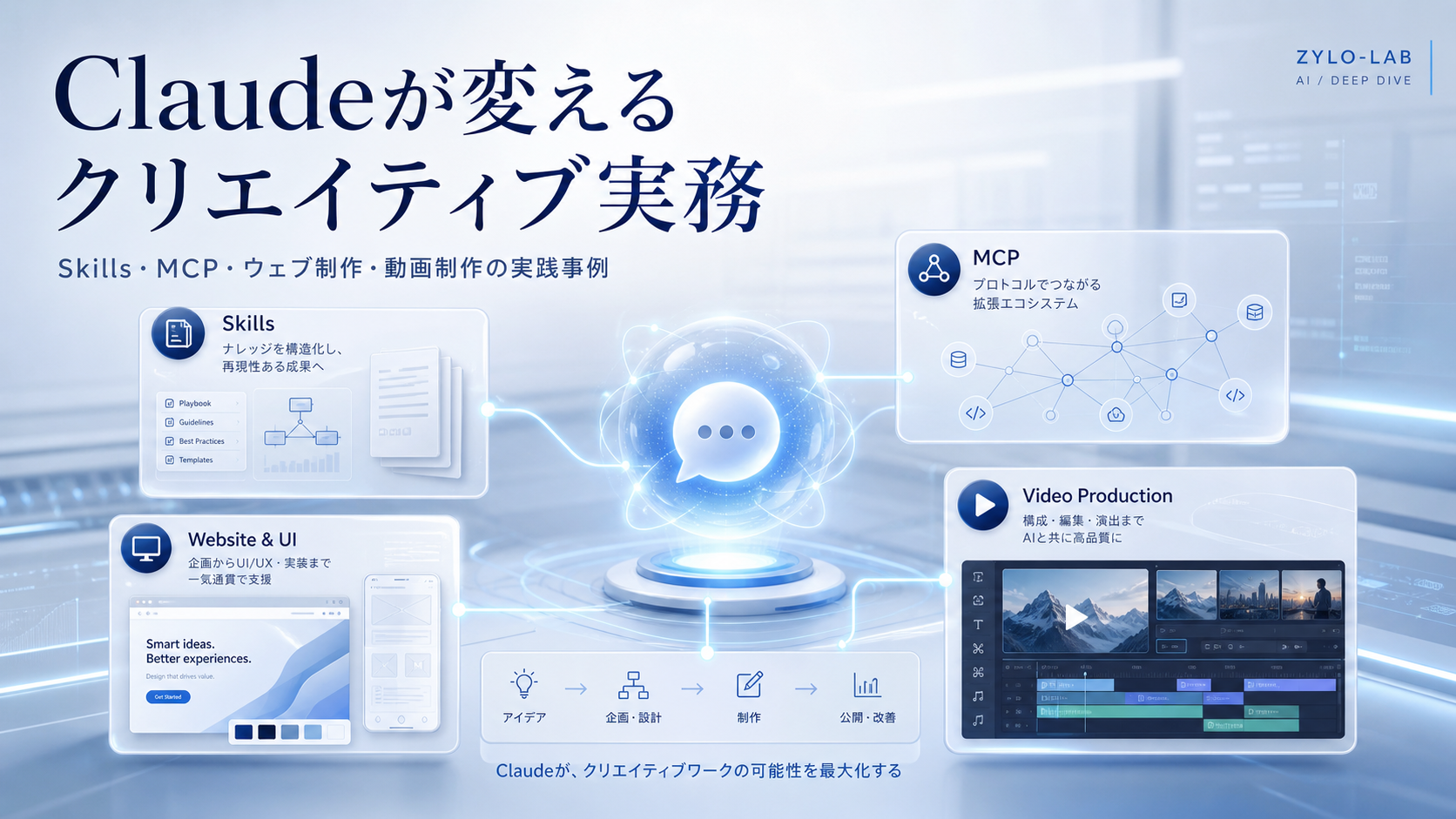
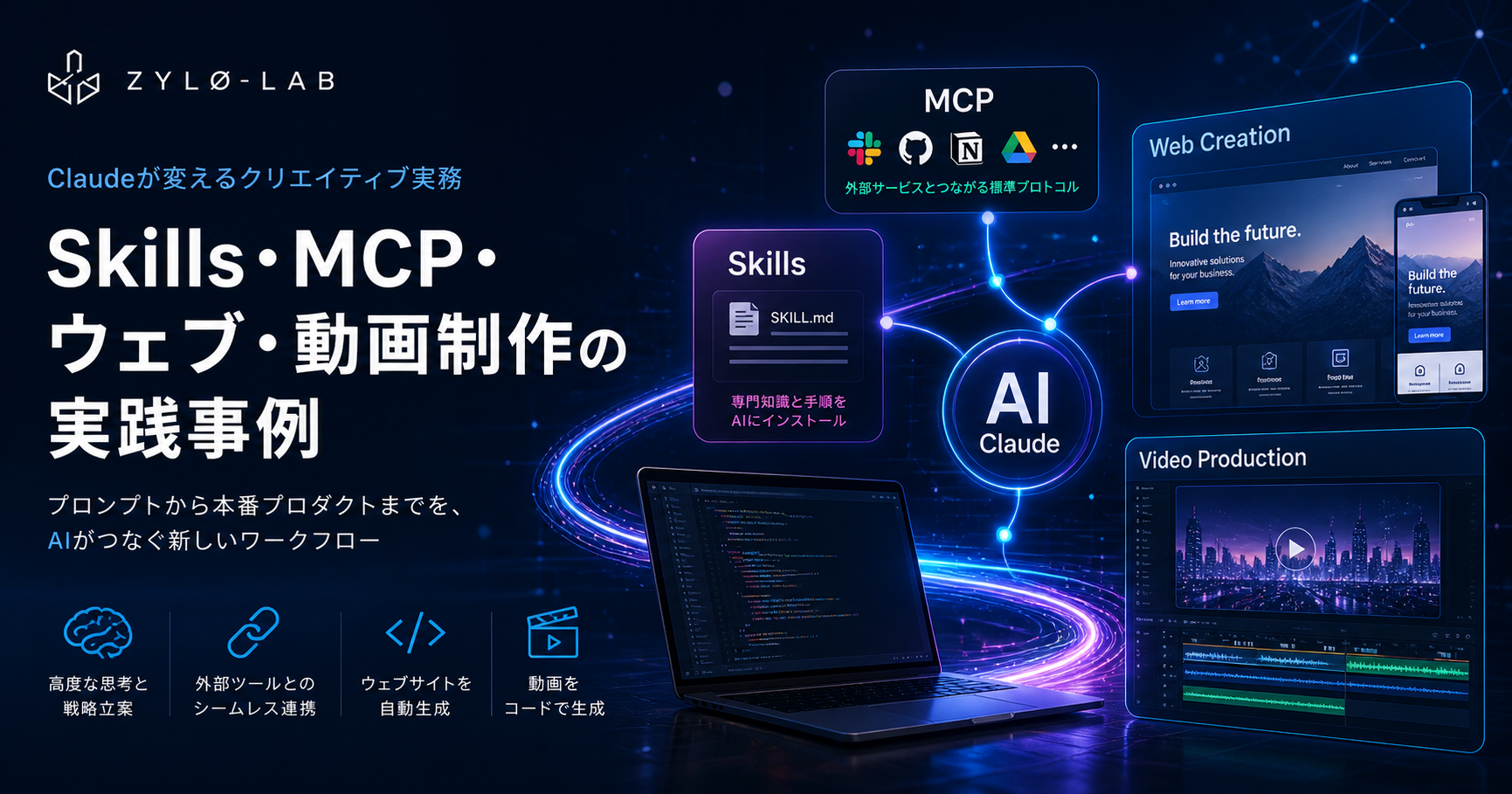
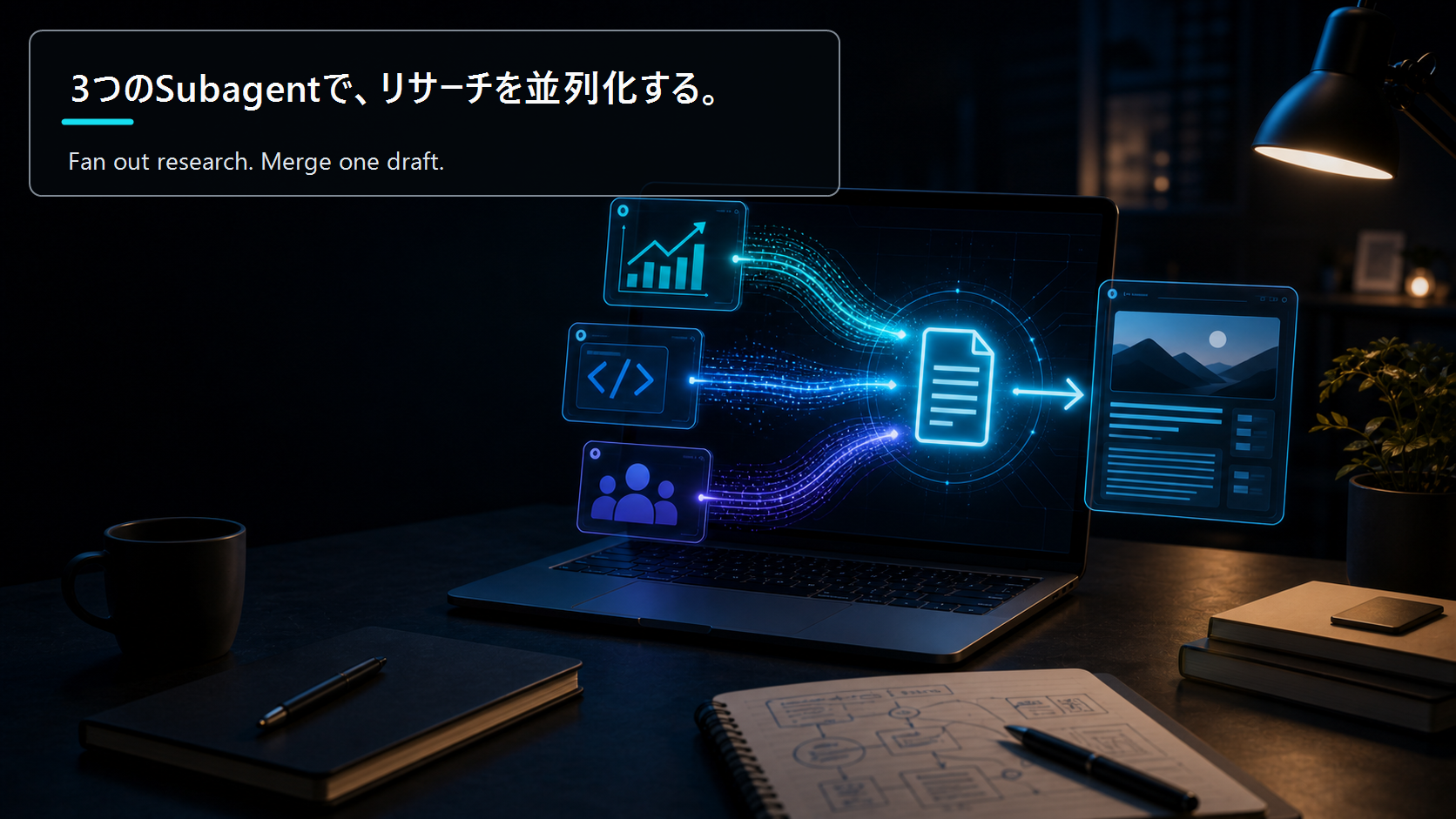
- 自分のZYL0ブログ運用フロー(Skills + MCP + Claude Code)をそのまま中小企業のオウンドメディア用に提供
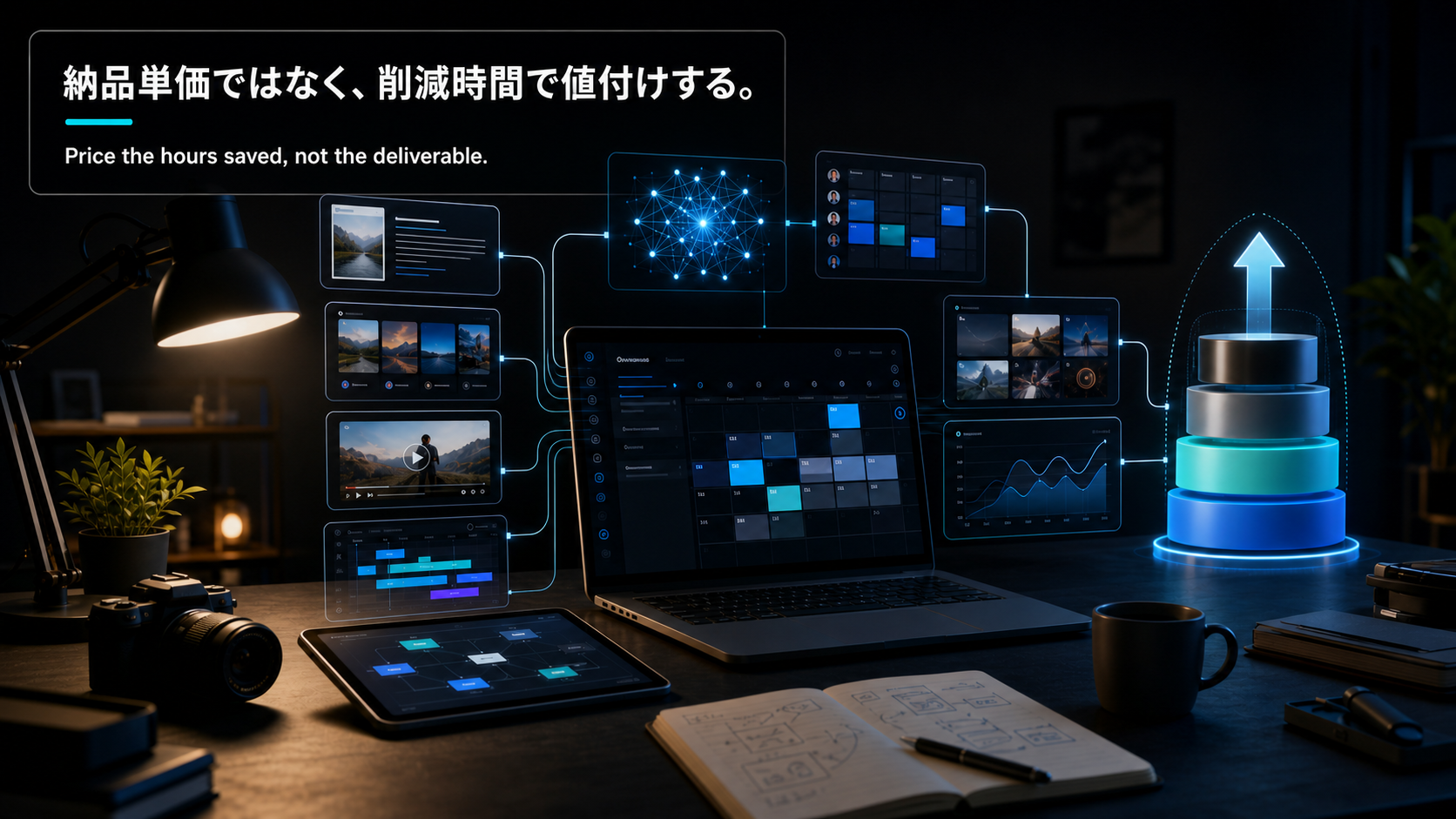
- 30万円/月 × 1社からスタート、3ヶ月で40時間/月の作業を3時間に圧縮したケース
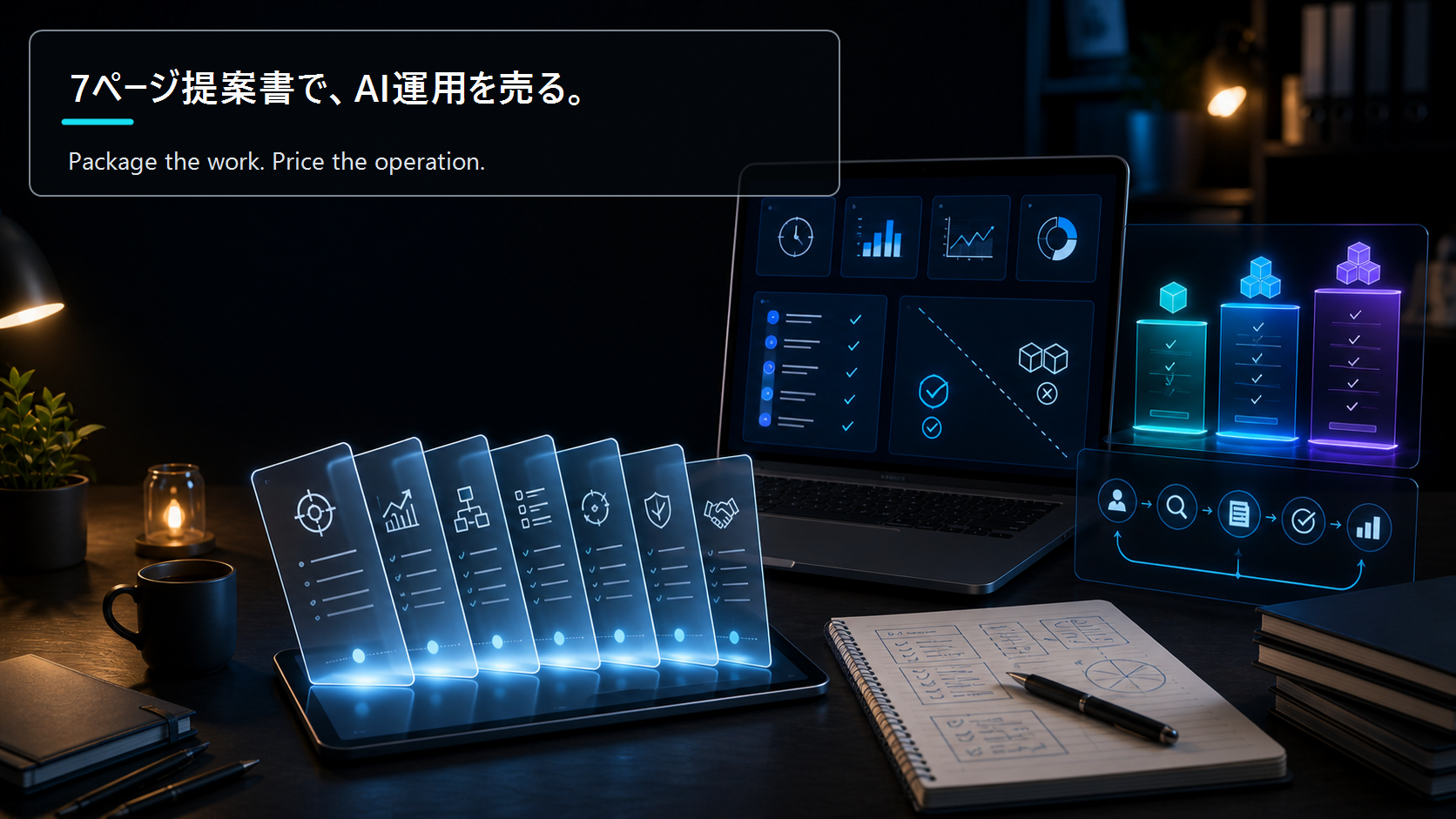
- 「ツール納品」ではなく「動く運用」をパッケージ化することがポイント
これはAI企業のFDEと同じビジネス構造ですが、規模が違う。「個人クリエイター × 中小企業」のレイヤーは、向こう3年は誰も埋めないと私は読んでいます。
ここまで戦略A・B・Cと書いてきましたが、本当に守りたいなら1つを選ぶのではなく3つを組み合わせるのが現実解です。私自身の現状で言うと:
- 戦略A:YouTube動画とブログ内の現場取材記事
- 戦略B:CVC×クリエイターという立ち位置を強化、Xでの一次情報発信
- 戦略C:中小企業向けに「AI運用パッケージ」を月数社まで限定で受託
この3つに、AI企業のFDEが届かないラインが必ずあります。世の中ではこのトレンドが「エンジニア・PM・デザイナー」向けに語られがちですが、本質的にはひとりクリエイター全員に等しく刺さる、というのが私の現時点の結論です。
今日から始めるなら、まず自分の作業の中で「画面の外でしか発生しないもの」を1つ書き出してみる。それがあなたの戦略Aの種です。コメントでも、Xでも、もし「自分はこれが該当する」というものがあれば、ぜひ教えてください。
次号の記事案
- 案1:「中小企業向けAI運用パッケージ」を実際にどう作って売ったか — 30万円/月の見積書から契約書テンプレまで — 戦略Cの実装編。価格設定・契約形態・提案書のリアルを公開する。クリエイター副業から法人案件にレベルアップしたい人向け。
- 案2:AI時代に「個性」をどう数値化するか — ニッチ × 個性 × コミュニティの3指標化 — 戦略Bを「気合論」で終わらせないために、自分のニッチ度・個性差別化度・コミュニティ密度を測る指標案を提示。
- 案3:2026年のAIトレンド記事を1ヶ月分解剖して見えた、刺さる5つの構造 — どのAI話題がなぜ広がるか。トレンド構造から逆算するクリエイター企画設計の話。
本文の事実関係と数値前提は、再審査時にも読者が確認できる一次情報・公的資料を優先して見直しています。
本記事は情報提供を目的としたものであり、特定の銘柄、サービス、契約条件の推奨や投資助言ではありません。執筆者は記事内で触れた銘柄やサービスにポジションまたは利害関係を持つ可能性があります。調査、翻訳、校正の一部に生成AIを利用していますが、最終的な内容はZYL0が確認しています。詳細は免責事項をご確認ください。
Reading OpenAI and Anthropic's Consulting Pivot Through the Eyes of a Solo Creator: 3 Strategies for the Next 3 Years
In May 2026, OpenAI began embedding Forward Deployed Engineers (FDEs) inside customer companies, and Anthropic teamed up with Blackstone, Hellman & Friedman, and Goldman Sachs to launch a services company that drops Claude into enterprise cores. The "model vendors" are becoming the "insiders." From a CVC seat watching this every day, I read it as the signal that we've entered a new phase.
I run my VC day job and ZYL0 (blog + X + YouTube) on the side, by myself. The moment I lined these announcements up on my desk, my spine cooled: what looks like a story about "how engineers, PMs, and designers survive" is actually a story about every solo creator.
What that means for creators — coming from a CVC who watches the investment logic of this every day — I'll write down honestly.
Let me start where it actually hit.
I started as a semiconductor process engineer, then moved to CVC. The creator side has been a two-year side hustle. Roughly 30 hours a month on the day job, 15 on creator work, 15 on my own AI tooling.
What scared me most as I lined this up was that the target of these AI consulting arms isn't only "companies that buy models."
- Companies outsourcing video editing → absorbed into AI-company consulting
- Companies hiring writers → the FDE just becomes the in-house writer
- Companies paying social-media agencies → replaced by an operating AI agent
In other words, the side gigs that solo creators take on are in the same firing line as enterprise SaaS contracts. If, like me, you live on the "VC × creator" hybrid and run a chunk of your income through freelance projects, you're already in the splash zone.
I'd bet a lot of you reading this have at least once thought, "Honestly, won't my client just go straight to OpenAI eventually?"
If I open the investor drawer in my head, I've seen this exact structure before.
AWS in the 2010s. AWS started as "the cloud infrastructure vendor," then grew AWS Professional Services — basically AWS people parachuting into customer companies to build things. What happened?
| Player | 2012 position | 2020s position |
|---|
| AWS Professional Services | Helper for cloud adoption | Sitting at the core of large-enterprise cloud builds |
| Existing SIers (Accenture, IBM Consulting, etc.) | Stronger than AWS insiders | Some acquired / merged, some survived via AWS certification |
| Solo cloud freelancers | Could live on certs + projects | "I know all of AWS" got commoditized; "specific industry × AWS" thrived |
| End users (enterprises) | Relied on SIers | Moved to in-house teams or direct AWS deals |
The winners were AWS itself and "industry-specific × cloud" specialists. The losers were the generalists who claimed to "do all of cloud."
When I read these announcements through that lens, the entire decade is about to get replayed in compressed form, over three years, in AI. OpenAI and Anthropic play the AWS Professional Services role. Today's AI consultancies sit in the SIer slot. Solo creators land in the same square as freelance cloud engineers.
Once you see it like that, the strategy gets a lot clearer.
Now the practical part. These are the three strategies I'm actually running as a "VC × creator" hybrid today. Not a perfect prescription — just an honest account of the three bets I've stacked.
Both OpenAI's FDEs and Anthropic's consulting will eat work that completes inside the screen first. Which means value that can only happen outside the screen is safe for at least five more years.
Concretely:
- Field-reported interview pieces (in my case, stories from startup founders I actually met as a CVC)
- Video content that requires shooting (your face, your voice, footage from the field)
- In-person / online coaching and consulting (trust × improvised response)
- Workshops and events in physical space
For ZYL0, the per-view monetization on "I was there in person" pieces was 3× the rest in April–May 2026, based on my own data.
Readers can tell the difference between "this might be AI-written" and "no human-free version of this exists" — more easily than I expected.
The freelancers who survived the AWS decade were the "specific industry × cloud" specialists. The same will hold in AI. If you've stacked a specific domain × your own identity × a community that trusts you, a standardized AI consulting offering simply cannot replace you.
For me:
- Specific domain: AI / semiconductors / energy from a CVC seat (primary data, not research aggregation)
- Identity: semiconductor engineer → CVC → solo creator — the combination is rare
- Community: this blog and the X readership, especially people who follow my semi-solid battery and Space × CVC posts
Honestly, in the early days I worried the niche was too narrow for anyone to read. First three months: barely any readers. After six months, the pattern of "this is exactly what I wanted to read" replies started showing up on X for specific posts.
An AI-company FDE can sell "industry-wide best practices." What they cannot sell is "my specific take in my specific field." That, I think, is the last defense line for solo creators.
The last one is slightly contrarian: go into the gap where AI-company FDEs cannot reach, and play FDE yourself.
OpenAI and Anthropic FDEs target Blackstone-backed giants, large SaaS, governments. Mid-size companies in the $1M–$30M revenue band are entirely below the FDE radar. That's where you can pitch "your company's own Claude / ChatGPT operation," using your creator track record as the proof point.
What I've actually tried:
- Selling my ZYL0 publishing flow (Skills + MCP + Claude Code) as a service to a mid-size company for their owned media
- Started at $3K/month × one client, compressed a 40-hour/month workflow down to 3 hours in three months
- The key: package the operation that runs, not just the tools delivered
The business shape is the same as an AI-company FDE — but at a different scale. The "solo creator × mid-size company" layer is one I think nobody fills for the next three years.
I've laid out Strategies A, B, and C, but if you actually want to defend your position, the real answer is not to pick one but to stack all three. My current mix:
- Strategy A: YouTube videos and "I was there" blog pieces
- Strategy B: Reinforcing the "CVC × creator" position; primary-data posts on X
- Strategy C: Limited mid-size-company "AI operations packages," capped at a few clients per month
The combined surface this creates has a line that AI-company FDEs cannot cross. This pivot is usually framed for engineers, PMs, and designers, but my current view is that the answer is essentially the same for solo creators.
If you start today: list one thing in your work that can only happen outside the screen. That's the seed for your Strategy A. If you have one, drop it in the comments or on X — I'd genuinely like to see what other creators are landing on.
Next Issue Ideas
- Idea 1: How I actually built and sold a "Mid-Size Company AI Operations Package" — from the $3K/month quote to the contract template — Strategy C in implementation. Pricing, contract structure, and a real proposal deck for creators leveling up from side gigs into corporate work.
- Idea 2: How to quantify "identity" in the AI era — turning niche × identity × community into 3 measurable indicators — A way to keep Strategy B from being just vibes: real metrics for your niche depth, identity differentiation, and community density.
- Idea 3: I dissected one month of viral 2026 AI posts — the 5 structural patterns behind what spreads — Reverse-engineering which AI takes catch on and which don't, and what creators can borrow for their own planning.
The factual and numerical assumptions in this article are anchored to primary or public materials that readers can revisit during AdSense review and future updates.
This article is for informational purposes only and does not constitute investment advice or a recommendation of any specific stock, service, or contract structure. The author may hold positions or interests related to companies or services mentioned. Generative AI was used for parts of research, translation, and proofreading, with final review by ZYL0. See the disclaimer for details.