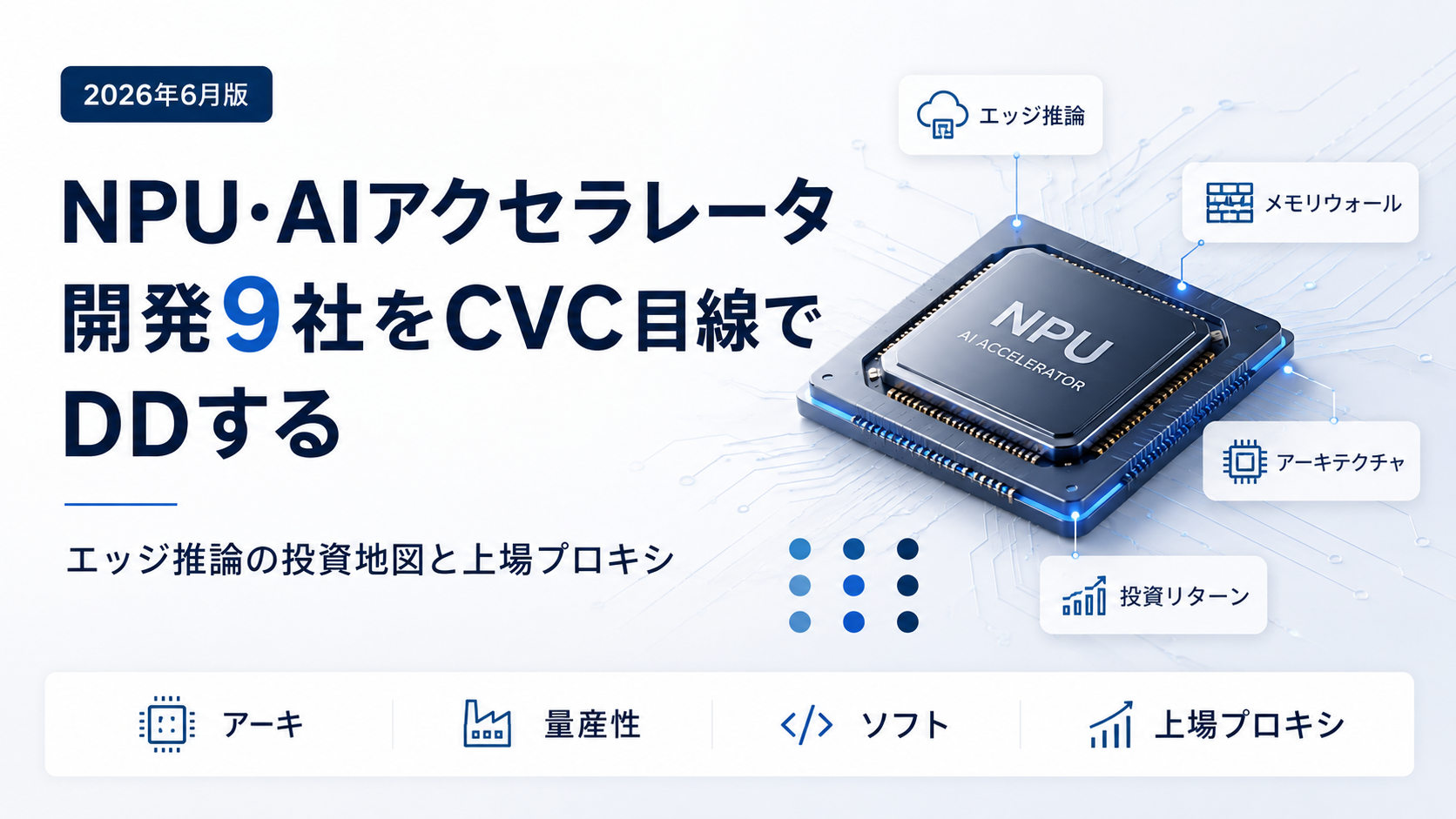
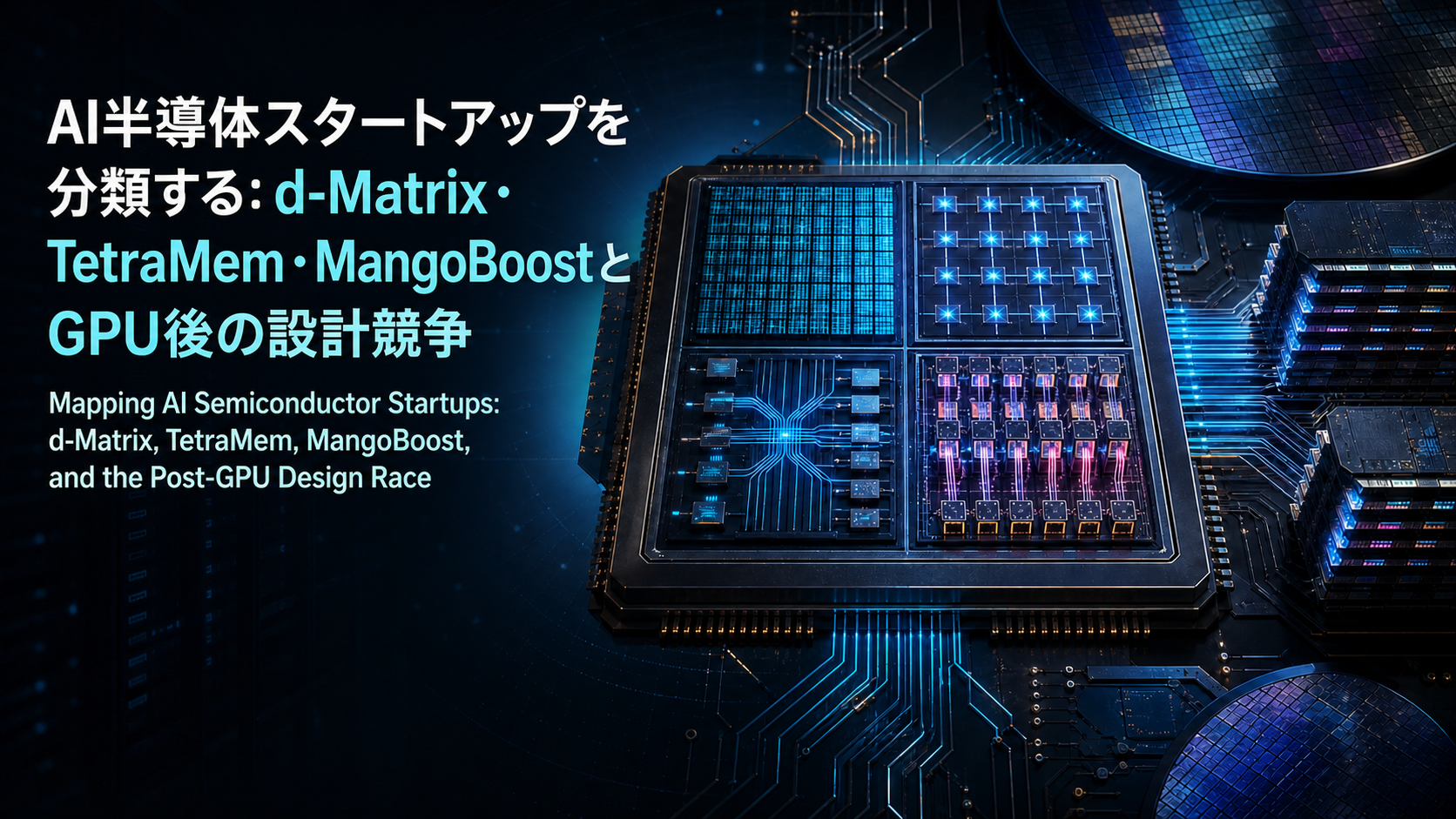
NPU・AIアクセラレータ開発9社をCVC目線でDDする|エッジ推論の投資地図と上場プロキシ
NPU——AI推論専用プロセッサの世界は、この半年で「誰が勝つか」より先に「誰が誰を飲み込むか」の局面に入りました。2025年末、NVIDIAがGroqのLPU技術を約200億ドルで非独占ライセンスし、創業者Jonathan RossごとチームをNVIDIAに引き入れた。推論で最も尖っていた独立系が、事実上GPUの王者に取り込まれた——この一報が、私のNPU企業リストの読み方を変えました。
私は半導体プロセスの出身です。車載EEPROMの量産に関わり、「装置の問題」とされていた歩留まり不良の真因を、TCADシミュレーションで突き止めたことがあります。だからチップを見るときは、ピークTOPSのカタログ値より「量産と歩留まりとソフトの成熟で本当に成立するのか」をまず疑う。CVCに移ってからは、その疑り方を投資判断に変換する訓練を積んできました。
本稿は、エッジ〜推論アクセラレータの最前線9社——Kneron、Hailo、Axelera AI、EdgeCortix、NVIDIA(Jetson)、Google(TPU)、Preferred Networks(MN-Core)、Tenstorrent、Groq——を、技術紹介ではなく投資対象としてDDする目線で並べ直したものです。私が見たいのは「すごいアーキテクチャ」ではなく、「どこに堀ができ、どこで稼ぎ、個人投資家としてどの株で取りに行けるか」。あくまで2026年6月時点の見立てで、評価額も提携も半年で塗り替わります。現にGroqとHailoは、この数カ月で景色が一変しました。
最初の所感を述べると、NPUの本質的な変化は「GPUより速いチップ」ではなく「GPUがやらない仕事に特化したチップ」が立ち上がったことです。
LLMとマルチモーダルの普及で、計算需要の重心はクラウドでの「学習」から、エッジ・オンプレでの「推論」へ移った。学習は少数のハイパースケーラーがGPUで握り続けるが、推論は数が出る・電力と遅延がシビア・現場に近いほど価値が出る。ここに、特定の演算だけを最適化するNPUやドメイン特化アクセラレータ(DSA)の居場所が生まれた。
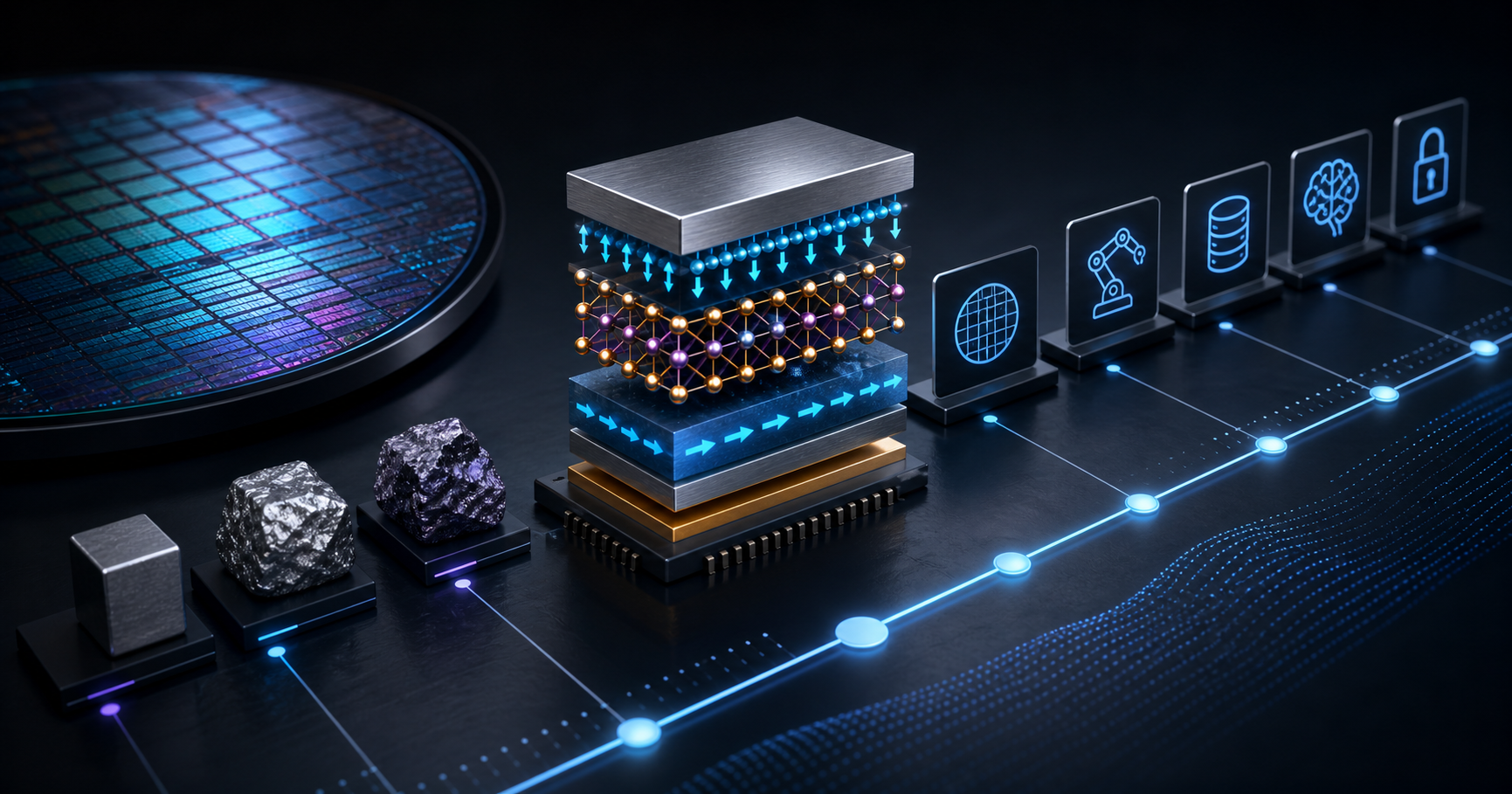
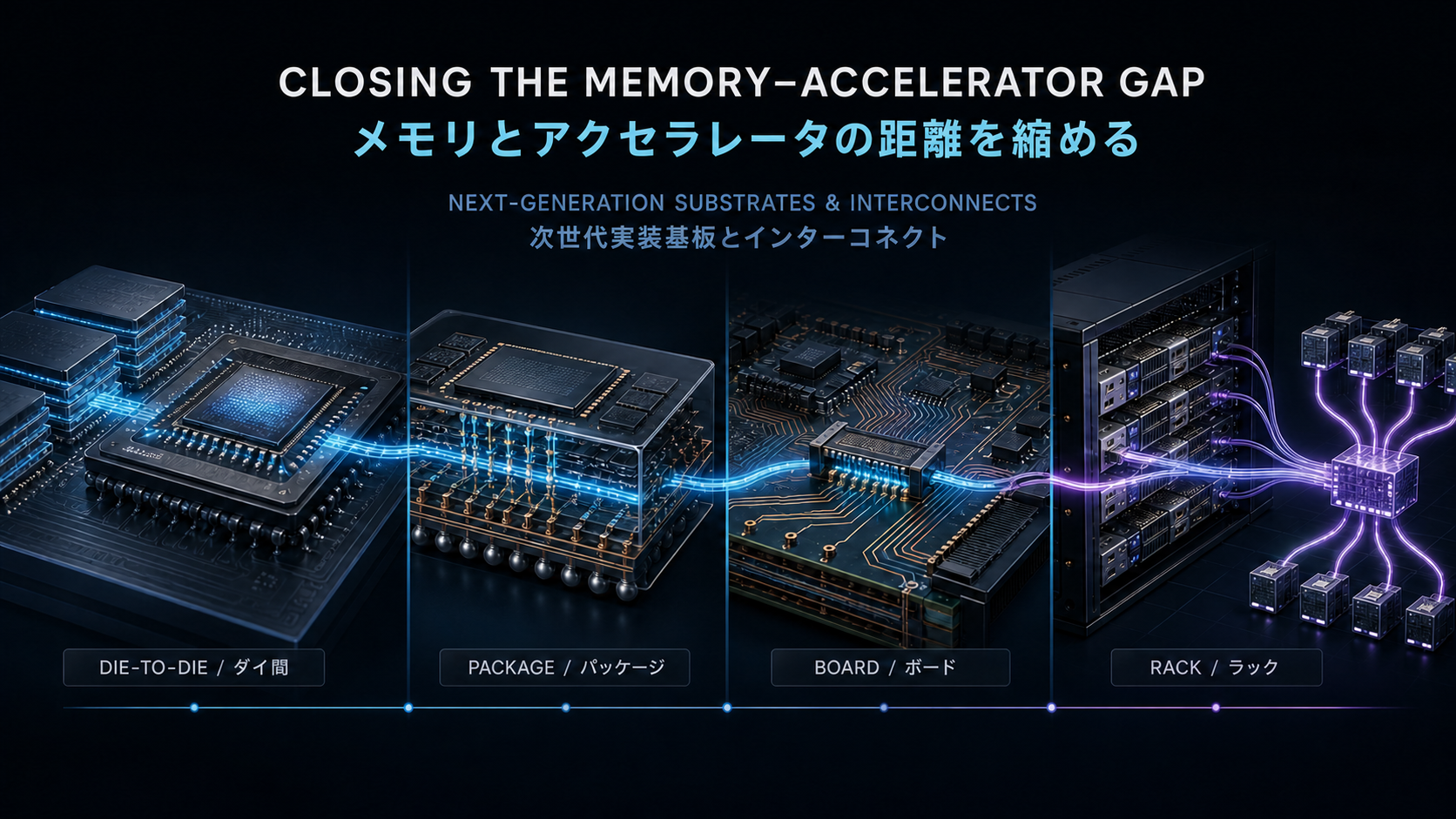
技術的な争点は、ほぼ一点に集約されます。演算器ではなく、メモリと演算器の間のデータ移動がボトルネックになる「メモリの壁」をどう越えるか。9社のアプローチはここで割れます。Groqは外部HBMを捨てて大容量SRAMをダイ上に敷き詰め、Axeleraは演算をSRAMセルの中に埋め込み(インメモリ)、PFNはメモリとロジックを垂直に積む3D積層、EdgeCortixは安価な外部DRAMを専用回路で使い切る——「壁の越え方」がそのまま各社の個性であり、堀の置き場所になっている。
ここまでは技術トレンドの話。投資家として私が引く線は、この技術が「誰の財布から、どうやってお金を取るか」です。そこで景色がはっきり分かれます。
二つ目の所感。9社を並べると、技術の優劣より先に、収益化の型が4つに割れて見えます。私はまずここで仕分けます。
| 型 | 該当企業 | 価値の源泉 | 収益化スピード | CVCの論点 |
|---|
| ①ハイパースケーラ内製型 | Google(TPU) | 自社クラウド消費・基盤 | 間接(Gemini/外販クラウド) | 本体が巨大すぎ直接の妙味は薄い |
| ②エコシステム支配型 | NVIDIA(Jetson) | CUDA/Isaac+統合SoC | 速い(直販+囲い込み) | 参入障壁は最強、ただし割高 |
| ③エッジNPU IP/SoC型 | Kneron, Hailo, Axelera, EdgeCortix | チップ/IPライセンス | 採用サイクル依存 | 量産設計の勝ち負け+評価額 |
| ④確定的実行・新メモリ新興 | Groq, PFN, Tenstorrent | 推論サービス/設計IP | 資本集約・提携次第 | 巨大資本と大手の傘の有無 |
ここで効いてくるのが、半導体・ハードウェア特有の「資本集約性」と「採用サイクルの長さ」です。③のエッジNPUは、技術が良くても車載・産業の採用試験に数年かかる。④の新メモリ系は、SRAMを敷き詰めるGroqにせよ3D積層のPFNにせよ、量産に莫大な資本と製造パートナーが要る。つまり「いいアーキ」と「いい投資」は別物で、どちらも単独では完結しにくい。
その構造が最も劇的に出たのが、まさに④のGroqです。確定的実行で超低遅延を実現した独立系が、結局はNVIDIAの約200億ドルの傘の下に入った。私はこれを敗北ではなく、「推論専用シリコンは、最終的に資本とエコシステムの戦いに収束する」という構造の証明だと見ています。この目線で、9社を具体的に並べます。
三つ目の所感。9社は同じ「NPU/AIアクセラレータ」の看板でも、調達ステージも電力レンジも対象市場もバラバラで、同じ物差しでは測れません。財務、技術、商用化、そして代表チップのハード特性の4枚で俯瞰します。数値は2026年6月時点で、一次情報・公式発表で見直したものを優先しています。
| 企業 | 本社 | 設立 | 累計調達/評価額 | 主要投資家・後ろ盾 | 主要人物 |
|---|
| Kneron | 米サンディエゴ/台湾 | 2015 | 約1.9億ドル(2026/5に$49M追加) | Qualcomm, Sequoia, Foxconn, Himax, Winbond, Alibaba | Albert Liu(CEO) |
| Hailo | イスラエル | 2017 | 約3.4億ドル/評価$1.2B→$5億未満に半減 | OurCrowd, ABB, Delek系 | Orr Danon(CEO) |
| Axelera AI | 蘭アイントホーフェン | 2021 | $2.5億超(EU最大級) | imec, Samsung Catalyst, EuroHPC(公的) | F. Del Maffeo(CEO) |
| EdgeCortix | 東京 | 2019 | $1.1億超(Series B超過達成) | TDK Ventures, SBI, NTT Finance, NEDO | S. Dasgupta(CEO) |
| NVIDIA | 米サンタクララ | 1993 | 自己資金(営業CFで自律投資) | ——(上場) | Jensen Huang(CEO) |
| Google(TPU) | 米マウンテンビュー | — | 内製(Alphabet予算) | Alphabet | Cloud/DeepMind |
| Preferred Networks | 東京 | 2014 | 国内VC・事業会社/非公表 | Toyota, NTT, ENEOS, 三菱重工 | 西川徹(CEO) |
| Tenstorrent | 米/カナダ | 2016 | $693M(Series D・評価$2B) | Samsung, Hyundai, LG, Fidelity, Bezos | Jim Keller(CEO) |
| Groq | 米マウンテンビュー | 2016 | 約$3B/評価$6.9B+NVIDIA $20B提携 | サウジ系($1.5B), Samsung(製造), 各種VC | Simon Edwards(CEO) |
財務だけでも、この半年の地殻変動が読めます。Groqは2025年9月に$750Mを評価$6.9Bで調達し、12月にNVIDIAと約200億ドルの非独占ライセンス+人材移籍。創業者Jonathan Rossは今やNVIDIA側で、Groqは新CEO Simon Edwardsの下で独立運営を続けます。対照的にHailoは、ピーク$1.2Bの評価額が$5億未満に半減し、SPACを通じた事実上の駆け込みIPOを模索している(2026年3月に非拘束MOU)。同じエッジNPUでも、量産普及の優等生だったHailoがダウンラウンドに沈み、欧州のAxeleraやEU最大級の調達に乗る——この明暗を踏まえないと、投資妙味の議論は始まりません。
| 企業 | アーキ方式 | コア技術 | 代表性能 | 主な対象 |
|---|
| Kneron | 動的再構成NPU | INT4/Transformer対応・データ圧縮 | KL830=10 eTOPS@2W | エッジGPT、AI PC、監視 |
| Hailo | 構造定義型データフロー | 分散メモリ+Dataflow Compiler | Hailo-8=26 TOPS@2.5W | 車載・産業ビジョン、エッジLLM |
| Axelera AI | デジタル・インメモリ(D-IMC) | SRAM内MAC+RISC-V | Europa=629 TOPS@45W | 重エッジ、マルチカメラ、生成AI |
| EdgeCortix | 動的再構成(DNA)+MERA | 外部DRAM高効率運用(Reshaper) | SAKURA-II=60 TOPS@10W | バッチ1低遅延生成AI、防衛・宇宙 |
| NVIDIA | 統合SoC(Blackwell+Arm) | CUDA/Tensor Core/Isaac | Jetson Thor=2,070 TFLOPS FP4 | 人型ロボ、自律機械、重エッジ |
| Google(TPU) | シストリックアレイASIC | Ironwood(v7)推論特化 | 192GB HBM3e/7.4 TB/s | クラウド超大規模学習・推論 |
| Preferred Networks | SIMD確定的実行(MN-Core) | 命令デコーダ排除+3D積層DRAM | MN-Core 2=393 TFLOPS@TF16 | 学習・生成AI推論(自社中心) |
| Tenstorrent | RISC-V Tensixメッシュ | オープンIP+TT-Metalium | Blackhole=最大300W級 | スケールアウト推論、IPライセンス |
| Groq | 確定的実行LPU | 大容量オンダイSRAM(HBM非搭載) | 超低遅延・高スループット | リアルタイムLLM推論(クラウド) |
技術で私が一番効くと思うのは「ソフト・コンパイラの成熟度」です。GroqやPFNのように分岐予測すら捨ててコンパイラに全タイムラインを握らせる「確定的実行」は、遅延のばらつきが消える代わりに、コンパイラが弱いと宝の持ち腐れになる。逆にKneron/Hailo/EdgeCortixは標準フレームワーク(PyTorch等)からの落としやすさ=開発容易性で勝負している。ハードのTOPSより、私はこの「ソフトで本当に回るか」を量産可否の代理変数として見ます。
| 企業 | 段階 | 主な検証・採用 | 代表製品 |
|---|
| Kneron | 量産 | AI PC・監視・車載/COMPUTEX 2026出展 | KL520〜KL830 |
| Hailo | 量産普及だが財務難 | 300社超、Raspberry Pi AI HAT+/SPAC IPO模索 | Hailo-8/10/15 |
| Axelera AI | 量産入り | Metis出荷(2025)、Europaは2026上期出荷 | Metis/Europa |
| EdgeCortix | 実用出荷 | 防衛・宇宙・産業、NEDO採択 | SAKURA-II/X |
| NVIDIA | 実質標準 | Jetson Thorを2025/11にGA($3,499) | Jetson Orin/Thor |
| Google(TPU) | クラウド完全統合 | Gemini、外部大口(Anthropic等) | Cloud TPU(Ironwood) |
| Preferred Networks | 自社中心 | MN-3がGreen500首位、三菱重工と提携 | MN-Core L1000(2027投入) |
| Tenstorrent | 製品+IP供給 | 車載OEM・サーバー開発企業へIP | Wormhole/Blackhole |
| Groq | サービス急拡大→再編 | GroqCloud(OpenAI互換API)/NVIDIA傘下化 | Groq 3 LPU(GTC 2026公開) |
この3枚目が、投資家にはいちばん雄弁です。NVIDIAは重エッジ(ロボ・自律機械)で実質標準、Googleはクラウドで完全統合と、上場2社はすでに「売れている」。一方、未上場勢は商用化の濃淡が激しい。Hailoは300社超に量産実装されてなお財務難、PFNの本命L1000は2027年と一段先、Groqは技術が認められた結果NVIDIAに吸収された。技術の完成度と「投資として報われるか」は、ここでも一致しません。
| チップ(社) | 演算性能 | TDP | メモリ | 最大モデル目安 | 主用途 |
|---|
| KL830(Kneron) | 10 eTOPS@INT8 | 2W | 極小オンダイSRAM | 1B未満(軽量GPT) | エッジAI PC、USBドングル |
| Hailo-10(Hailo) | 40 TOPS@INT8 | 2.5–5W | ホストLPDDR共有 | 〜7B(圧縮Llama級) | モバイル・車載ローカル推論 |
| Europa(Axelera) | 629 TOPS@INT8 | 45W | 128MB L2+最大64GB LPDDR5(200GB/s) | 単体〜32B | 重エッジ、マルチカメラ、生成AI |
| SAKURA-II(EdgeCortix) | 60 TOPS@INT8/30 TFLOPS@BF16 | 10W | 20MB+最大32GB LPDDR4x(68GB/s) | 7–13B(バッチ1) | 低遅延生成AI、防衛・宇宙 |
| Jetson AGX Thor(NVIDIA) | 2,070 TFLOPS@FP4 | 40–130W | 128GB LPDDR5X(276GB/s) | 30–70B | 人型ロボ、自律搬送車 |
| Ironwood/TPU v7(Google) | 推論特化(チップ非開示) | 液冷 | 192GB HBM3e(7.4 TB/s) | 超大規模(MoE含む) | クラウド推論、エージェント |
| MN-Core L1000(PFN) | GPU比最大約10倍(自社主張) | 非開示 | 3D積層DRAM(広帯域) | 大規模生成AI | クラウド推論(2027) |
| Groq 3 LPU(Groq/NVIDIA) | 超高スループット | 空冷ラック | 大容量オンダイSRAM(HBM非搭載) | ラック連結で大規模 | リアルタイムLLMデコード |
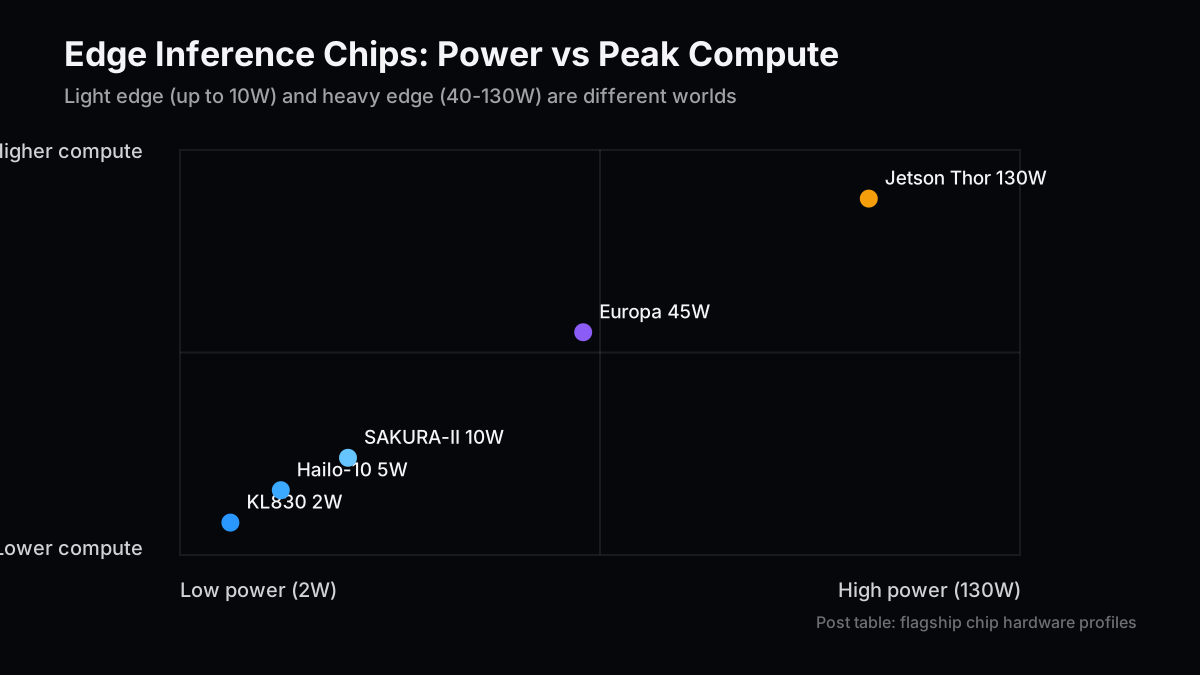
電力レンジを縦に見ると、戦場が「軽エッジ(〜10W)」と「重エッジ(40〜130W)」にきれいに割れているのが分かります。2WのKneronと130WのJetson Thorは、同じ「エッジ」でも別の惑星の住人です。投資の含意はシンプルで、軽エッジは単価が安く数で稼ぐ世界(部品・IP)、重エッジは一体型SoCとエコシステムで囲い込む世界(NVIDIAの庭)。混ぜて評価すると判断を誤ります。
四つ目の所感。NPU企業のDDは、私がやってきた半導体スタートアップのDDと驚くほど似ています。「動くか」ではなく「量産(=商用採用)で成立するか」を詰める。実際に使う着眼点を一枚にします。
| DD軸 | 何を見るか | 良い兆候 | レッドフラグ |
|---|
| ソフト・コンパイラ | 標準FWからの落としやすさ | PyTorch直結で量産デプロイ実績 | デモ用モデルしか回らない |
| 電力・熱エンベロープ | 軽/重エッジのどちらで戦うか | TDPに合った冷却・筐体設計 | スペック表だけ立派で熱設計が空白 |
| メモリ戦略の資本耐性 | 壁の越え方の量産コスト | 製造パートナー確保(例:Samsung) | SRAM/3D積層を量産で支える資本がない |
| 顧客・地政学集中 | 売上と供給網の偏り | 地域・用途が分散 | 中国依存・単一OEM依存(例:Kneron) |
| IP・堀の帰属 | 設計IPを誰が握るか | 自社がアーキIPを保有 | 顧客にIPが流れ受託化 |
| 資本とエコシステム | 単独で戦い切れるか | 大手の傘・標準への接続 | 技術だけで資本/販路が細い |
そして、いま私が最も意識しているレッドフラグが評価額です。これは抽象論ではありません。投資委員会で追加出資案件のバリュエーションが過大だと気づき、データを持って反対し、条件交渉を主導した経験が私にはあります。NPUはいままさにこのパターンに入りやすい。
| レッドフラグ | なぜ危険か | 確認質問 |
|---|
| 量産普及でも評価額が崩れる | 部品コスト・粗利の構造問題(Hailo型) | 黒字化の道筋と粗利率は |
| ピークTOPSだけのベンチ | 研究室条件と実効Goodputの乖離 | 実モデルでの実効利用率は |
| 提携が発表ベース | お金が動いていない | NRE・PO・ライセンスの実体は |
| 巨大スポンサー名の羅列 | 名前で評価額を吊り上げる | 各投資家の実際の出資額と条件は |
| 「独立系の勝者」物語 | 最後は資本・標準に飲まれる | 単独で量産まで走り切る資本は |
具体名で言えば、いまのHailoは生きた教材です。技術は一級、Raspberry Pi AI HAT+にも載り、300社超に量産実装された優等生が、部品コスト上昇と粗利の壁で評価額を半減させ、駆け込みSPAC IPOに追い込まれている。良い技術と良い投資は、必ずしも同じではない——この一点を、私はGroqの「吸収」とHailoの「ダウンラウンド」という二つの実例で、改めて肝に銘じています。
五つ目の所感。NPUの妙味は分かった、では何を買えるのか——個人投資家として現実的に手が届くのは、9社のうち上場しているNVIDIAとAlphabet(Google)だけ。残り7社は未上場です。だから私は「NPUを直接買う」のではなく、「NPUが立ち上がるほど儲かる隣の上場企業」を探します。
| 上場プロキシ | ティッカー | NPUとの接点 | 私の見立て |
|---|
| NVIDIA | NVDA | Jetson+Groq $20Bライセンスで推論も囲い込み | 重エッジ〜推論の最大受益、本命 |
| Alphabet | GOOGL | TPU Ironwoodで自社推論を内製最適化 | クラウド推論の効率化、本体大で寄与は緩やか |
| Samsung Electronics | 005930.KS | Groq 3 LPUを4nm製造+Tenstorrent出資 | 「製造×出資」で漏れの少ない受益 |
| TSMC | TSM | エッジNPU各社の共通ファウンドリ | テーマ全体のツルハシ |
| Arm Holdings | ARM | Jetson等のホストCPU IP | 重エッジSoCの隠れた課金点 |
| Hon Hai(Foxconn) | 2317.TW | Kneronに出資・量産 | エッジAI実装の請負+出資の二面 |
| Himax / Qualcomm | HIMX / QCOM | Kneronの戦略投資家 | 小型だがエッジビジョンの純度高 |
| TDK | 6762.T | TDK VenturesがEdgeCortixに出資 | 日本発エッジNPUへの数少ない窓 |
私がいちばん筋が通ると見るのは、皮肉にもエッジNPUを作る新興ではなくNVIDIAです。Jetsonで重エッジを実質支配し、Groqのライセンスで最も尖った推論技術まで取り込んだ。「ツルハシを売る側」が、エッジでも推論でも漏れの少ないエクスポージャを持っている。次がSamsungで、Groq 3 LPUの製造とTenstorrentへの出資という「作る側」と「張る側」の二面で効く。GOOGLはIronwoodで自社推論を最適化するが、本体が大きく針は動きにくいのでオプション価値として持ちます。
未上場側のウォッチリストは、性格で分けています。Axelera(EU最大級調達・Europa量産入り)とEdgeCortix(日本発・防衛宇宙・TDK/NEDO)を「セカンダリやIPOがあれば取りに行く本命」、Tenstorrent(Jim Keller・Samsung/Hyundai)とPFN(L1000=2027・三菱重工提携)を「大手の傘が厚い注目株」、Kneron(COMPUTEX 2026・Foxconn系)を「量産は本物だが地政学要注意」、そしてHailoを「IPOしても評価額の崩れに警戒」に置いています。
最後に、エッジ〜推論アクセラレータのテーマが2026〜2028年でどう報われるかをシナリオで置きます。前段で仕分けた「4つの型」が、どのシナリオで効くかまで紐づけます。
| シナリオ | 確率(主観) | 内容 | 受益する型・銘柄 |
|---|
| ベース | 50% | 推論需要が着実拡大、重エッジとクラウドが牽引 | ②NVIDIA、①Google、製造のSamsung/TSM |
| 強気 | 20% | 人型ロボ・物理AIが前倒しで離陸 | ②NVIDIA(Jetson)、Arm、③Axelera/EdgeCortix |
| 弱気 | 20% | エッジ採用が遅れ、推論はクラウドに集中 | ①Google、②NVIDIA(クラウド側)のみ堅い |
| テール | 10% | 未上場勢の評価額調整・資金繰り難が連鎖 | 上場プロキシ(NVDA/GOOGL/Samsung)が相対安全 |
どのシナリオでも共通して効くのは、推論需要と製造を握るインフラ側です。だから私の投資コールは明確に「短期は上場プロキシ、特にNVDAとSamsung(製造×出資)、補助にGOOGLとTSMを軸に取りに行く」。NPUそのものを買うのではなく、エッジと推論が立ち上がるほどGPU・製造・クラウドが売れる構造に乗ります。
中期は③エッジNPU IP/SoC型に妙味があると見ます。AxeleraのEuropa量産入りやEdgeCortixの防衛・宇宙採用は、軽/重エッジの実需に直接刺さる設計で、上場の窓(TDK等)も細いながら存在する。ただし量産・粗利・地政学のリスクを取る以上、ここは実行力のDDを継続条件にします。
未上場の純粋NPUプレーには、評価額に警戒というのが現時点の結論です。Groqの「吸収」とHailoの「半減」は、推論専用シリコンが最後は資本とエコシステムの戦いに収束することを示しました。技術が一級でも、商用化段階と評価額のギャップが開いた銘柄に高値で乗るのは、私がDDで最も避けたい失敗です。2026年6月時点の見立てとして、半年後に答え合わせをします。
次号の記事案
- 案1:データセンター推論の電力BOM|TPU Ironwoodと液冷インフラを部品別に分解 — クラウド推論側の電力・冷却の投資地図を、Ironwoodの192GB HBM3eを起点にコンポーネント別へ落とす。本稿の「クラウド推論」論点の続編。
- 案2:NVIDIA×Groq $20Bは何を変えたか|推論統合とアンチトラストの綱引き — 推論専用シリコンの「吸収」を、規制・標準・サプライチェーンの三面で深掘りし、次に飲まれる候補を逆張りで探す。
- 案3:エッジNPU上場プロキシの感応度分析|Himax・TDK・Hon Haiは本体で効くか — 純度の高い小型プロキシが、NPUテーマで実際に業績の針を動かすかを、売上寄与度で定量化する。
本文の事実関係と数値前提は、再審査時にも読者が確認できる一次情報・公的資料を優先して見直しています(2026年6月時点)。
本記事は情報提供を目的としたものであり、特定の銘柄、サービス、契約条件の推奨や投資助言ではありません。執筆者は記事内で触れた銘柄やサービスにポジションまたは利害関係を持つ可能性があります。調査、翻訳、校正の一部に生成AIを利用していますが、最終的な内容はZYL0が確認しています。詳細は免責事項をご確認ください。
Diligencing the 9 NPU / AI-Accelerator Developers as a CVC: An Edge-Inference Investment Map and Its Public Proxies
NPUs — dedicated AI-inference processors — entered a new phase in the past six months: the question shifted from "who wins" to "who absorbs whom." At the end of 2025, NVIDIA licensed Groq's LPU technology non-exclusively for roughly $20 billion and pulled founder Jonathan Ross and his team into NVIDIA. The sharpest independent in inference was, in effect, absorbed by the GPU king — and that single headline changed how I read my list of NPU companies.
I came up through semiconductor process engineering. I worked on automotive EEPROM volume production, and I once used TCAD simulation to pin the true root cause of a yield failure that had been blamed on "the equipment." So when I look at a chip, I distrust the peak-TOPS spec sheet first and ask whether it actually closes at volume — through yield and software maturity. After moving into CVC, I trained myself to convert that suspicion into investment decisions.
This piece re-racks the nine companies at the edge-to-inference frontier — Kneron, Hailo, Axelera AI, EdgeCortix, NVIDIA (Jetson), Google (TPU), Preferred Networks (MN-Core), Tenstorrent, and Groq — not as a technology tour but through the lens of diligencing them as investment targets. What I want is not "an impressive architecture" but "where the moat forms, where the money comes from, and which stock lets me, as an individual investor, get exposure." This is a June 2026 snapshot; valuations and partnerships will be rewritten within six months. Groq and Hailo alone prove it — the landscape flipped for both in just a few months.
My first observation: the essential change in NPUs is not "a chip faster than a GPU," but the rise of chips specialized for the work GPUs don't do.
With LLMs and multimodal models everywhere, the center of gravity of compute shifted from "training" in the cloud to "inference" at the edge and on-prem. A few hyperscalers keep training on GPUs, but inference ships in volume, is brutally power- and latency-sensitive, and grows more valuable the closer it sits to the field. That is where NPUs and domain-specific accelerators (DSAs), optimized for particular operations, find their home.
The technical fight collapses to one point: not the arithmetic units, but the data movement between memory and compute — the "memory wall." The nine approaches split right here. Groq throws out external HBM and packs huge SRAM onto the die; Axelera embeds compute inside the SRAM cells (in-memory); PFN stacks memory and logic vertically in 3D; EdgeCortix wrings out cheap external DRAM with a dedicated block. How each climbs the wall is its personality — and where it places its moat.
That is the technology trend. As an investor, the line I draw is: whose wallet does this reach, and how does it extract money? And there the landscape splits cleanly.
A second observation. Line up the nine, and before any debate about technical merit, the monetization model splits four ways. This is where I sort first.
| Model | Companies | Source of value | Monetization speed | The CVC question |
|---|
| ① Hyperscaler in-house | Google (TPU) | Own cloud consumption / platform | Indirect (Gemini, cloud rental) | Parent too large for direct upside |
| ② Ecosystem lock-in | NVIDIA (Jetson) | CUDA/Isaac + integrated SoC | Fast (direct + lock-in) | Strongest moat, but expensive |
| ③ Edge NPU IP/SoC | Kneron, Hailo, Axelera, EdgeCortix | Chips / IP licenses | Tied to adoption cycle | Volume-design wins vs. valuation |
| ④ Deterministic / new-memory upstarts | Groq, PFN, Tenstorrent | Inference service / design IP | Capital-intensive, partner-dependent | Big capital and a large patron — or not |
What bites here is the capital intensity and long adoption cycle endemic to semiconductors and hardware. For ③, even great tech takes years to clear automotive/industrial qualification. For ④, whether it's Groq packing SRAM or PFN stacking 3D, volume production demands enormous capital and a manufacturing partner. "A good architecture" and "a good investment" are different things, and neither closes on its own.
That structure showed most dramatically in ④'s Groq. An independent that achieved ultra-low latency through deterministic execution ended up under NVIDIA's roughly $20 billion roof. I read this not as defeat but as proof of structure: inference-only silicon ultimately converges into a battle of capital and ecosystem. With that lens, here are the nine in detail.
A third observation. The nine share the "NPU / AI accelerator" banner, but their funding stages, power ranges, and target markets are all over the map; one ruler will not measure them. I scan on finance, technology, commercialization, and the hardware profile of the flagship chip. Figures are as of June 2026, prioritizing what I could re-confirm against primary sources and official announcements.
| Company | HQ | Founded | Total raised / valuation | Lead backers | Key people |
|---|
| Kneron | San Diego / Taiwan | 2015 | ~$190M (+$49M in May 2026) | Qualcomm, Sequoia, Foxconn, Himax, Winbond, Alibaba | Albert Liu (CEO) |
| Hailo | Israel | 2017 | ~$340M / valuation $1.2B → halved to under $500M | OurCrowd, ABB, Delek-linked | Orr Danon (CEO) |
| Axelera AI | Eindhoven, NL | 2021 | $250M+ (largest in EU) | imec, Samsung Catalyst, EuroHPC (public) | F. Del Maffeo (CEO) |
| EdgeCortix | Tokyo | 2019 | $110M+ (oversubscribed Series B) | TDK Ventures, SBI, NTT Finance, NEDO | S. Dasgupta (CEO) |
| NVIDIA | Santa Clara | 1993 | Self-funded (operating cash flow) | — (listed) | Jensen Huang (CEO) |
| Google (TPU) | Mountain View | — | Internal (Alphabet budget) | Alphabet | Cloud / DeepMind |
| Preferred Networks | Tokyo | 2014 | Domestic VC / corporates (undisclosed) | Toyota, NTT, ENEOS, MHI | T. Nishikawa (CEO) |
| Tenstorrent | US / Canada | 2016 | $693M (Series D, $2B valuation) | Samsung, Hyundai, LG, Fidelity, Bezos | Jim Keller (CEO) |
| Groq | Mountain View | 2016 | ~$3B / $6.9B valuation + $20B NVIDIA deal | Saudi ($1.5B), Samsung (mfg), various VCs | Simon Edwards (CEO) |
Finance alone reveals the past six months' tectonic shift. Groq raised $750M at a $6.9B valuation in September 2025, then in December signed a ~$20B non-exclusive license plus talent transfer with NVIDIA. Founder Jonathan Ross is now on NVIDIA's side; Groq runs independently under new CEO Simon Edwards. Hailo, by contrast, saw its peak $1.2B valuation halve to under $500M and is pursuing a de facto rushed IPO via SPAC (a non-binding MOU in March 2026). Within the same edge-NPU bucket, the volume-production honor student Hailo sank into a down-round while Europe's Axelera rode the largest AI-semiconductor raise in the EU — you cannot start the investment-merit debate without that contrast in view.
| Company | Architecture | Core technology | Representative spec | Main target |
|---|
| Kneron | Dynamically reconfigurable NPU | INT4/Transformer support + data compression | KL830 = 10 eTOPS @2W | Edge GPT, AI PC, surveillance |
| Hailo | Structure-defined dataflow | Distributed memory + Dataflow Compiler | Hailo-8 = 26 TOPS @2.5W | Automotive/industrial vision, edge LLM |
| Axelera AI | Digital in-memory (D-IMC) | MAC inside SRAM + RISC-V | Europa = 629 TOPS @45W | Heavy edge, multi-camera, GenAI |
| EdgeCortix | Reconfigurable (DNA) + MERA | Efficient external-DRAM use (Reshaper) | SAKURA-II = 60 TOPS @10W | Batch-1 low-latency GenAI, defense/space |
| NVIDIA | Integrated SoC (Blackwell + Arm) | CUDA / Tensor Core / Isaac | Jetson Thor = 2,070 TFLOPS FP4 | Humanoids, autonomous machines, heavy edge |
| Google (TPU) | Systolic-array ASIC | Ironwood (v7) inference-first | 192GB HBM3e / 7.4 TB/s | Cloud-scale training & inference |
| Preferred Networks | SIMD deterministic (MN-Core) | No instruction decoder + 3D-stacked DRAM | MN-Core 2 = 393 TFLOPS @TF16 | Training & GenAI inference (in-house) |
| Tenstorrent | RISC-V Tensix mesh | Open IP + TT-Metalium | Blackhole = up to ~300W class | Scale-out inference, IP licensing |
| Groq | Deterministic LPU | Large on-die SRAM (no HBM) | Ultra-low latency, high throughput | Real-time LLM inference (cloud) |
On technology, the axis I find most decisive is software- and compiler-maturity. Deterministic execution — Groq and PFN even discard branch prediction and hand the entire timeline to the compiler — erases latency jitter, but a weak compiler turns the silicon into a paperweight. Kneron, Hailo, and EdgeCortix instead compete on developer experience: how easily a standard framework (PyTorch, etc.) compiles down. More than headline TOPS, I treat "does it really run in software" as the proxy variable for whether it closes at volume.
| Company | Stage | Key validation / adoption | Flagship products |
|---|
| Kneron | Volume | AI PC, surveillance, automotive / COMPUTEX 2026 | KL520–KL830 |
| Hailo | Volume but financially strained | 300+ customers, Raspberry Pi AI HAT+ / SPAC IPO | Hailo-8 / 10 / 15 |
| Axelera AI | Entering volume | Metis shipping (2025), Europa ships H1 2026 | Metis / Europa |
| EdgeCortix | Shipping in real use | Defense, space, industrial; NEDO-backed | SAKURA-II / X |
| NVIDIA | De facto standard | Jetson Thor GA Nov 2025 ($3,499) | Jetson Orin / Thor |
| Google (TPU) | Fully cloud-integrated | Gemini, large external (Anthropic, etc.) | Cloud TPU (Ironwood) |
| Preferred Networks | In-house focused | MN-3 #1 on Green500, MHI alliance | MN-Core L1000 (2027) |
| Tenstorrent | Products + IP supply | IP to automotive OEMs / server builders | Wormhole / Blackhole |
| Groq | Service surge → reorg | GroqCloud (OpenAI-compatible API) / under NVIDIA | Groq 3 LPU (revealed GTC 2026) |
This third table is the most eloquent for an investor. NVIDIA is the de facto standard at the heavy edge (robots, autonomous machines) and Google is fully integrated in the cloud — the two listed names already "sell." The private cohort, by contrast, varies wildly in commercialization. Hailo is in volume at 300+ customers yet financially strained; PFN's real bet, L1000, is a step further out in 2027; Groq was so good it got absorbed by NVIDIA. Technical maturity and "does it pay off as an investment" don't line up here either.
| Chip (company) | Compute | TDP | Memory | Max model (rough) | Main use |
|---|
| KL830 (Kneron) | 10 eTOPS @INT8 | 2W | Tiny on-die SRAM | <1B (lightweight GPT) | Edge AI PC, USB dongle |
| Hailo-10 (Hailo) | 40 TOPS @INT8 | 2.5–5W | Shared host LPDDR | ~7B (compressed Llama class) | Mobile/automotive local inference |
| Europa (Axelera) | 629 TOPS @INT8 | 45W | 128MB L2 + up to 64GB LPDDR5 (200GB/s) | ~32B single | Heavy edge, multi-camera, GenAI |
| SAKURA-II (EdgeCortix) | 60 TOPS @INT8 / 30 TFLOPS @BF16 | 10W | 20MB + up to 32GB LPDDR4x (68GB/s) | 7–13B (batch 1) | Low-latency GenAI, defense/space |
| Jetson AGX Thor (NVIDIA) | 2,070 TFLOPS @FP4 | 40–130W | 128GB LPDDR5X (276GB/s) | 30–70B | Humanoids, autonomous mobile robots |
| Ironwood / TPU v7 (Google) | Inference-first (per-chip undisclosed) | Liquid-cooled | 192GB HBM3e (7.4 TB/s) | Ultra-large (incl. MoE) | Cloud inference, agents |
| MN-Core L1000 (PFN) | Up to ~10× GPU (company claim) | Undisclosed | 3D-stacked DRAM (wide band) | Large-scale GenAI | Cloud inference (2027) |
| Groq 3 LPU (Groq/NVIDIA) | Very high throughput | Air-cooled rack | Large on-die SRAM (no HBM) | Large via rack-scale | Real-time LLM decode |
Read the power column vertically and the battlefield splits cleanly into "light edge (≤10W)" and "heavy edge (40–130W)." The 2W Kneron and the 130W Jetson Thor are residents of different planets despite both saying "edge." The investment implication is simple: light edge is a low-ASP, win-on-volume world (components, IP); heavy edge is a world of integrated SoCs and ecosystem lock-in (NVIDIA's garden). Evaluate them together and you'll misjudge.
A fourth observation. Diligencing an NPU company is startlingly similar to the semiconductor-startup diligence I used to do: you press not "does it work" but "does it close at volume" — meaning commercial adoption. Here is the one-pager I actually use.
| DD axis | What to look at | Good sign | Red flag |
|---|
| Software / compiler | Ease of lowering from standard FW | Volume deploys straight from PyTorch | Only runs demo models |
| Power / thermal envelope | Light vs. heavy edge | Cooling/chassis matched to TDP | Great spec sheet, blank thermal design |
| Capital resilience of memory strategy | Volume cost of climbing the wall | Secured fab partner (e.g., Samsung) | No capital to sustain SRAM/3D at volume |
| Customer / geopolitical concentration | Revenue and supply-chain skew | Diversified region/use | China or single-OEM dependence (e.g., Kneron) |
| IP / moat ownership | Who holds the design IP | Owns the architecture IP | IP flows to customer; degrades to contract work |
| Capital & ecosystem | Can it fight alone | A large patron / link to a standard | Tech only; thin capital and channels |
And the red flag I am watching most closely is valuation — not as theory. I have sat in an investment committee, recognized that a follow-on round's valuation was excessive, opposed it with data, and led the renegotiation. NPUs are precisely the setup that falls into this pattern.
| Red flag | Why it's dangerous | Question to ask |
|---|
| Valuation collapses despite volume | Component-cost / gross-margin structure (Hailo type) | What's the path to profit and the gross margin? |
| Peak-TOPS-only benchmarks | Lab conditions vs. real effective Goodput | Effective utilization on real models? |
| Press-release partnerships | No money is moving | The real NRE / PO / license terms? |
| Roster of giant sponsor names | Names used to inflate valuation | Each investor's actual check size and terms? |
| "Independent winner" narrative | Eventually swallowed by capital/standards | The capital to run to volume alone? |
By name, today's Hailo is a live textbook. First-rate tech, designed into the Raspberry Pi AI HAT+, in volume at 300+ customers — and yet rising component costs and the margin wall halved its valuation and forced it toward a rushed SPAC IPO. A good company and a good investment are not always the same. I've re-engraved that with two live examples: Groq's "absorption" and Hailo's "down-round."
A fifth observation. Fine — the NPU appeal is clear, so what can I actually buy? As an individual investor, of the nine, the only listed names within reach are NVIDIA and Alphabet (Google); the other seven are private. So instead of "buying NPU directly," I hunt for the adjacent listed companies that profit the more NPUs ramp.
| Public proxy | Ticker | NPU linkage | My read |
|---|
| NVIDIA | NVDA | Jetson + $20B Groq license corner inference too | Biggest beneficiary of heavy edge → inference; primary |
| Alphabet | GOOGL | TPU Ironwood optimizes its own inference | Cloud-inference efficiency; large parent, gradual |
| Samsung Electronics | 005930.KS | Builds Groq 3 LPU on 4nm + Tenstorrent backer | "Make × back," low-leak exposure |
| TSMC | TSM | Common foundry for the edge-NPU cohort | Pick-and-shovel for the whole theme |
| Arm Holdings | ARM | Host-CPU IP in Jetson and others | Hidden toll booth in heavy-edge SoCs |
| Hon Hai (Foxconn) | 2317.TW | Kneron investor and volume manufacturer | Two-sided: assembly + equity |
| Himax / Qualcomm | HIMX / QCOM | Strategic investors in Kneron | Small but high-purity edge-vision exposure |
| TDK | 6762.T | TDK Ventures backs EdgeCortix | One of few windows into a Japan-born edge NPU |
The most coherent exposure, ironically, is not an edge-NPU upstart — it is NVIDIA. It de facto dominates the heavy edge with Jetson and just folded in the sharpest inference tech via the Groq license. The pick-and-shovel seller carries low-leak exposure to both edge and inference. Next is Samsung, working both as "maker" (the Groq 3 LPU on 4nm) and "backer" (Tenstorrent). GOOGL optimizes its own inference with Ironwood, but the parent is large and the needle moves slowly, so I hold it as option value.
On the private side, I split the watchlist by character. Axelera (largest-in-EU raise, Europa entering volume) and EdgeCortix (Japan-born, defense/space, TDK/NEDO) are "primary targets if a secondary or IPO appears"; Tenstorrent (Jim Keller, Samsung/Hyundai) and PFN (L1000 in 2027, MHI alliance) are "names to watch with thick patron roofs"; Kneron (COMPUTEX 2026, Foxconn-linked) is "real in volume but watch the geopolitics"; and Hailo is "caution on valuation even if it lists."
Finally, here is a scenario frame for how the edge-to-inference accelerator theme pays off over 2026–2028 — and I tie the four models I sorted earlier to the scenario where each wins.
| Scenario | Subjective probability | Story | Beneficiary model / names |
|---|
| Base | 50% | Inference demand grows steadily; heavy edge and cloud lead | ② NVIDIA, ① Google, makers Samsung/TSM |
| Bull | 20% | Humanoids / physical AI lift off early | ② NVIDIA (Jetson), Arm, ③ Axelera/EdgeCortix |
| Bear | 20% | Edge adoption lags; inference concentrates in cloud | ① Google, ② NVIDIA (cloud side) only hold up |
| Tail | 10% | Down-rounds / funding strain cascade among privates | Listed proxies (NVDA/GOOGL/Samsung) relatively safe |
What works across every scenario is the infrastructure side that owns inference demand and manufacturing. So my investment call is explicit: near-term, I get exposure through public proxies — anchored on NVDA and Samsung (make × back), with GOOGL and TSM in support. I do not buy NPUs themselves; I ride the structure where the more edge and inference ramp, the more GPUs, fabrication, and cloud sell.
Medium-term, I see appeal in model ③, the edge-NPU IP/SoC names. Axelera's Europa entering volume and EdgeCortix's defense/space adoption are designs that stab directly into real light/heavy-edge demand, and a thin listed window (TDK, etc.) exists. But because they take on volume, margin, and geopolitical risk, I keep execution diligence as a continuing condition here.
For the private pure-NPU plays, my current conclusion is caution on valuation. Groq's "absorption" and Hailo's "halving" showed that inference-only silicon ultimately converges into a battle of capital and ecosystem. Even with first-rate technology, riding a name at a high price where the gap between commercialization and valuation has widened is the failure I most want to avoid in diligence. This is my view as of June 2026, and I will mark it to market in six months.
Next Issue Ideas
- Idea 1: The Power BOM of Data-Center Inference — Decomposing TPU Ironwood and Liquid Cooling, Component by Component — Map the power-and-cooling investment landscape of cloud inference, starting from Ironwood's 192GB HBM3e and drilling to components. A sequel to this post's "cloud inference" thread.
- Idea 2: What Did NVIDIA × Groq ($20B) Change? — Inference Consolidation vs. the Antitrust Tug-of-War — Drill into the "absorption" of inference-only silicon across regulation, standards, and supply chain, and hunt contrarian-style for the next name likely to be swallowed.
- Idea 3: A Sensitivity Analysis of Edge-NPU Public Proxies — Do Himax, TDK, and Hon Hai Actually Move at the Parent Level? — Quantify, by revenue contribution, whether high-purity small proxies really move the earnings needle on the NPU theme.
The factual and numerical assumptions in this article are anchored to primary or public sources that readers can revisit during review and future updates (as of June 2026).
This article is for informational purposes only and does not constitute investment advice or a recommendation of any specific stock, service, or contract structure. The author may hold positions or interests related to companies or services mentioned. Generative AI was used for parts of research, translation, and proofreading, with final review by ZYL0. See the disclaimer for details.