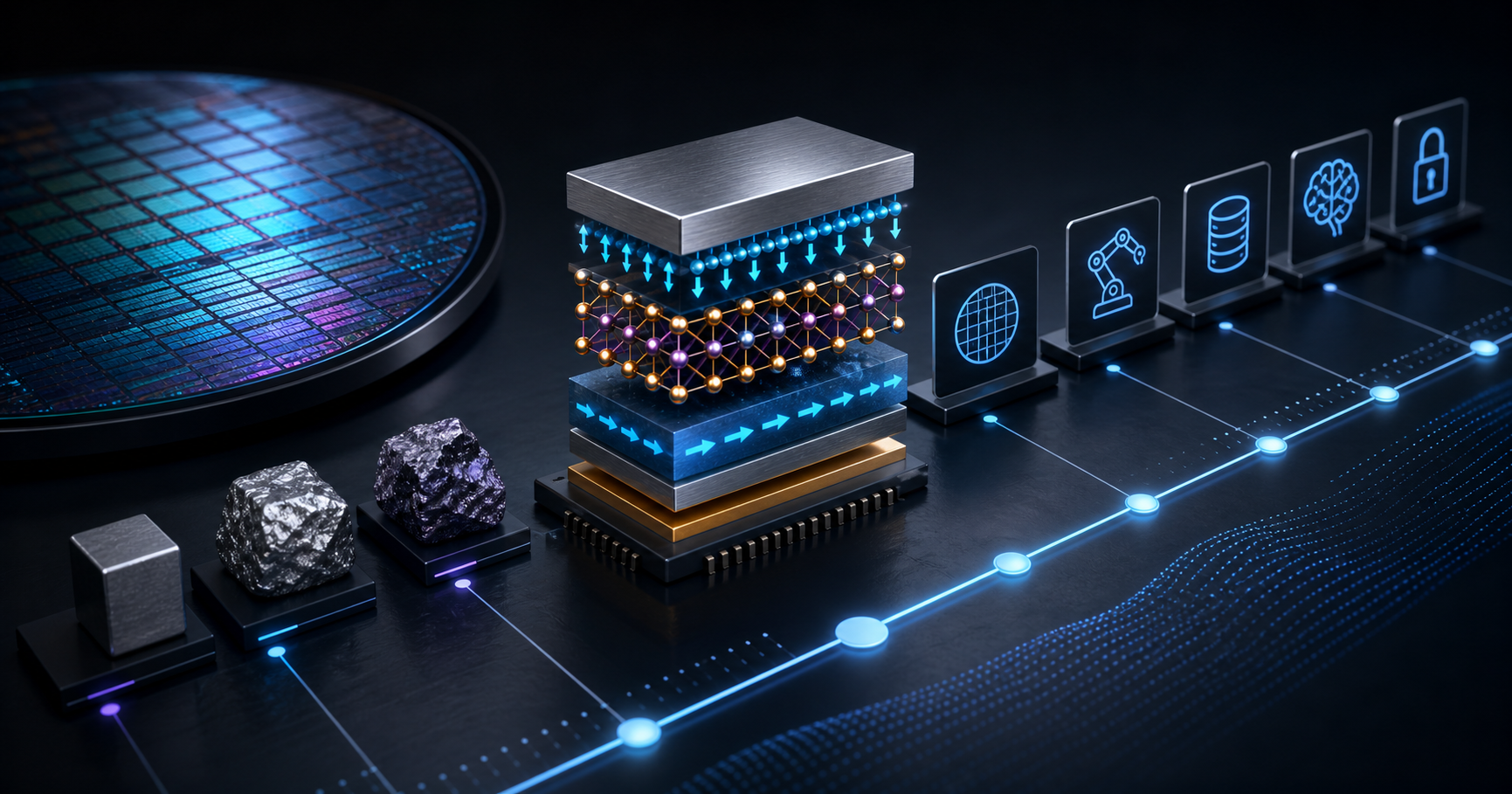
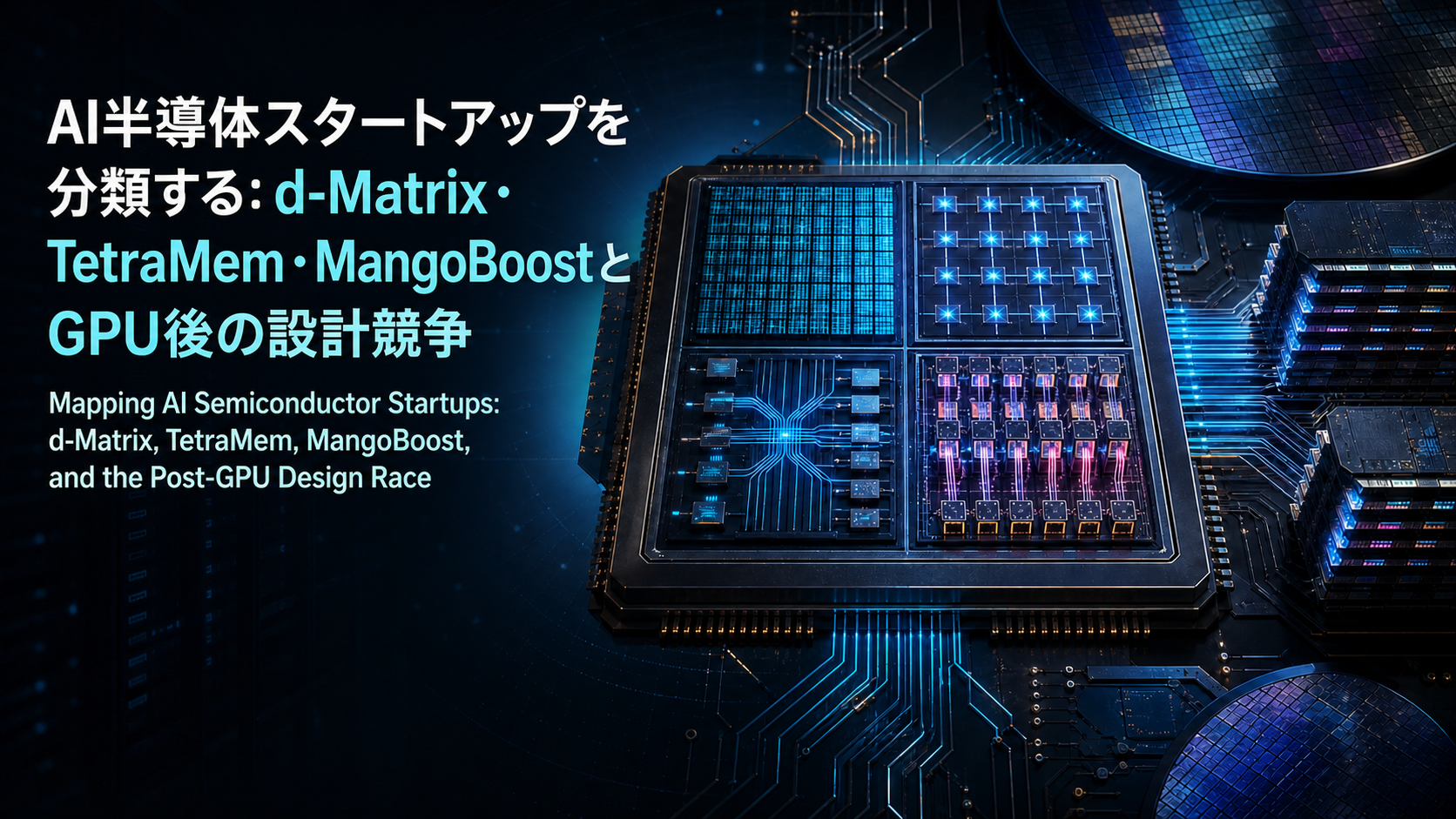
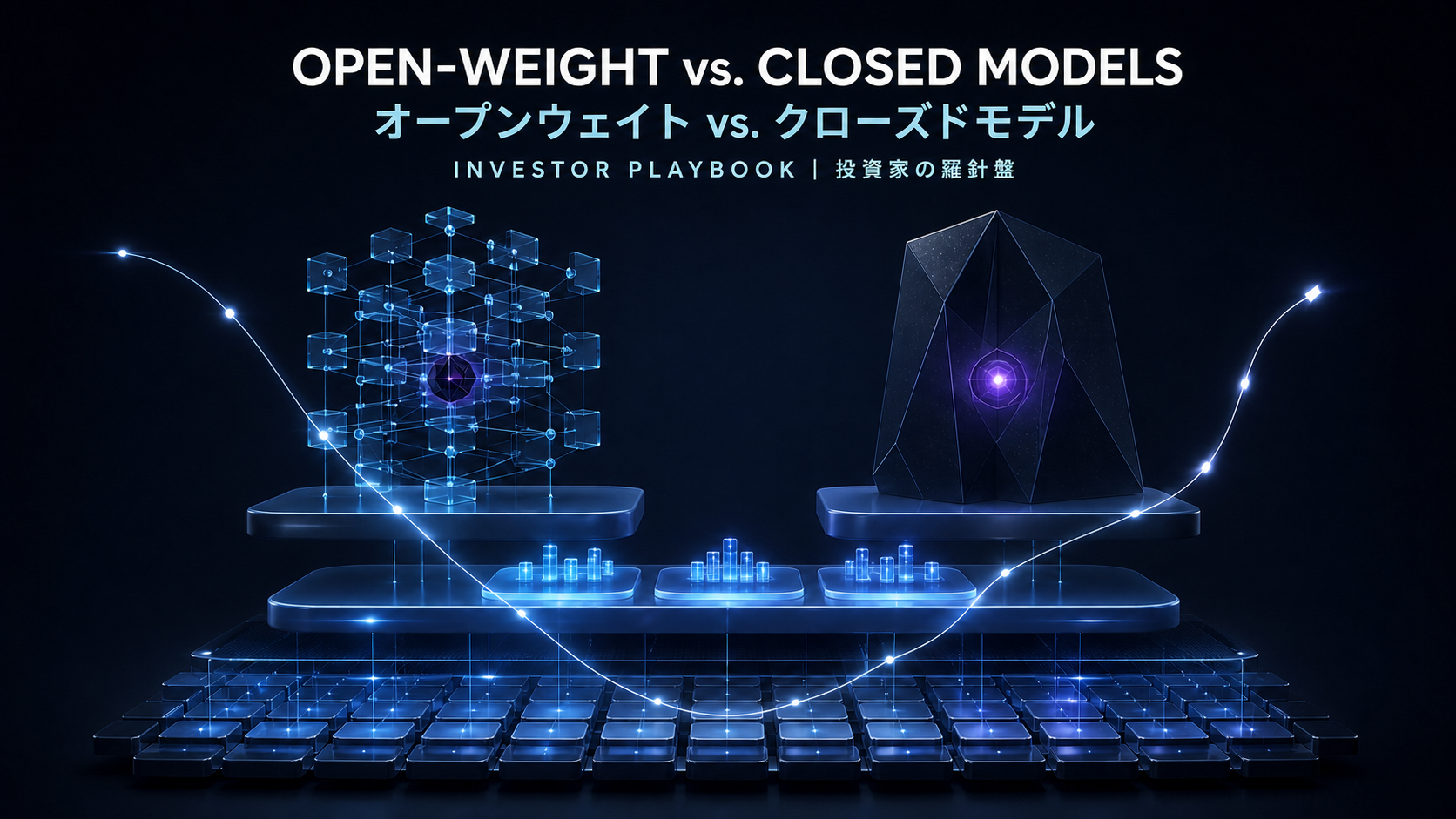
「設計」「データ移動」「パッケージング」に資金が集まる理由
私はEEPROMの車載プロセス開発の経験があり、設計・プロセス・パッケージングが同時に動く現場の感覚から言うと、AIの計算ボトルネックは「単一レイヤーの問題ではなく、3つのレイヤーが互いに律速し合う構造問題」です。だからこそTier1 VCがこの3領域に同時に資金を投下しているのは、私には理にかなって見えます。連載第2回は、その技術的な必然性を、代表案件を通じて解いていきます。
最初に、論点をフラットに置きます。
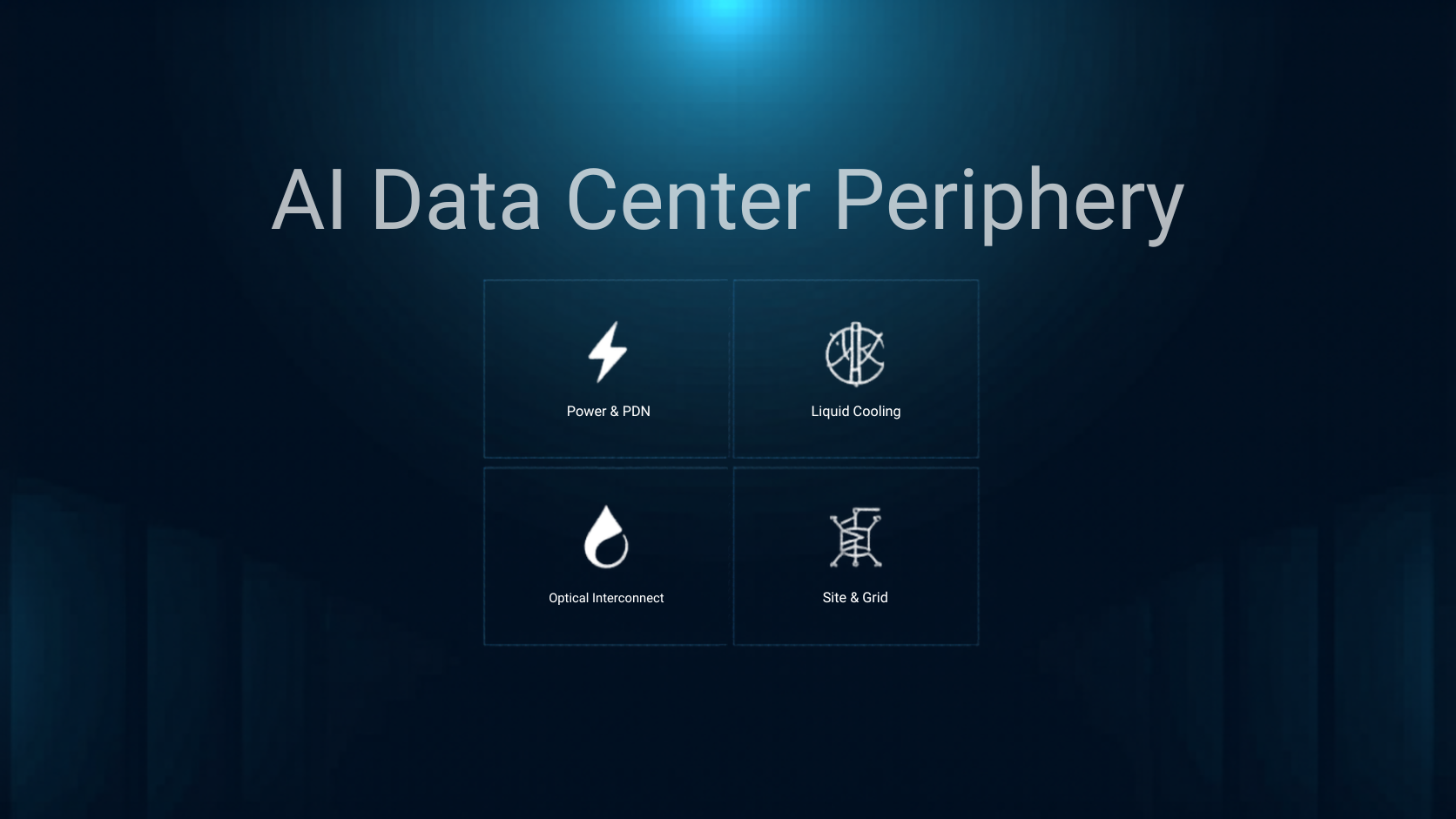
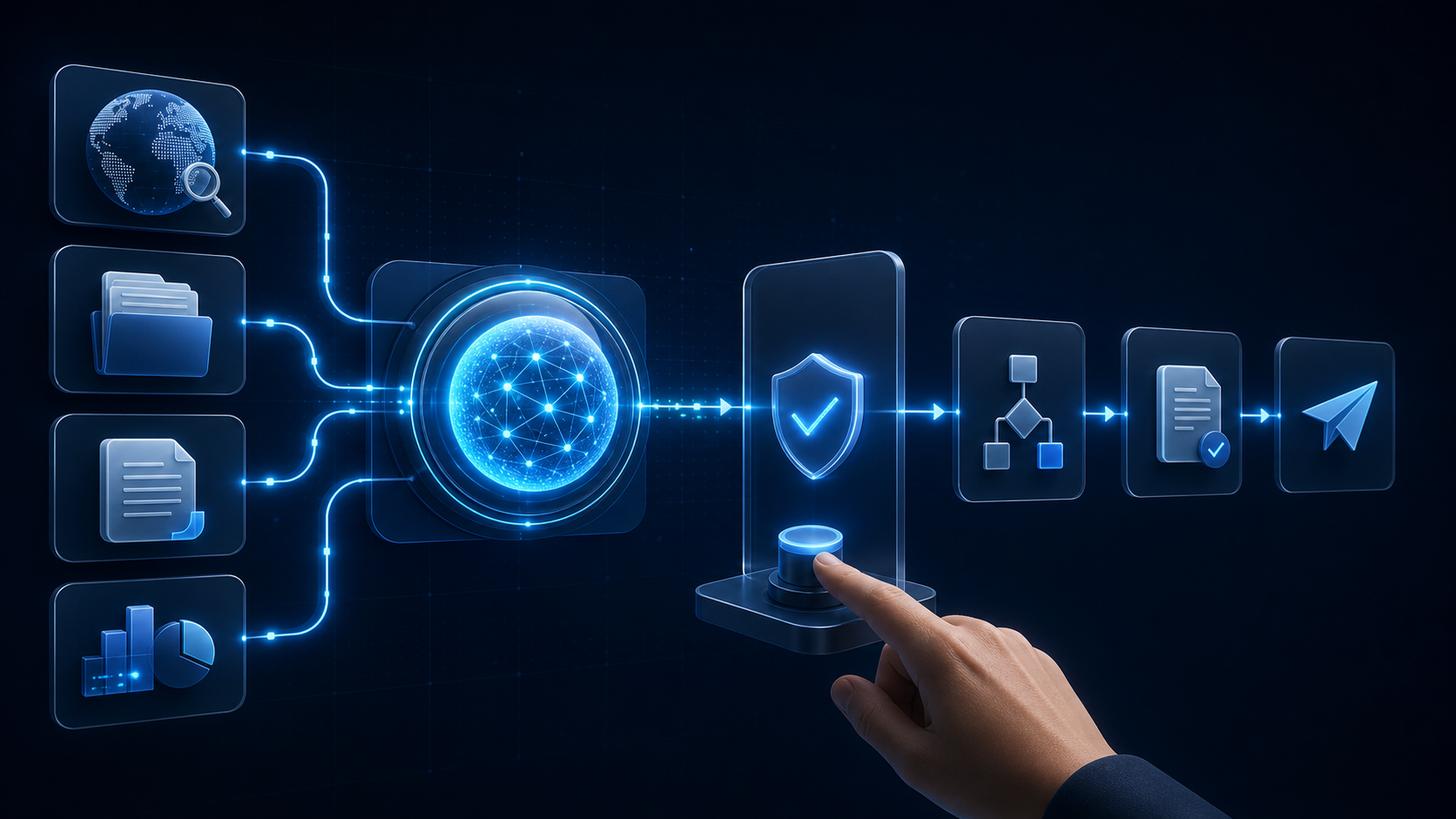
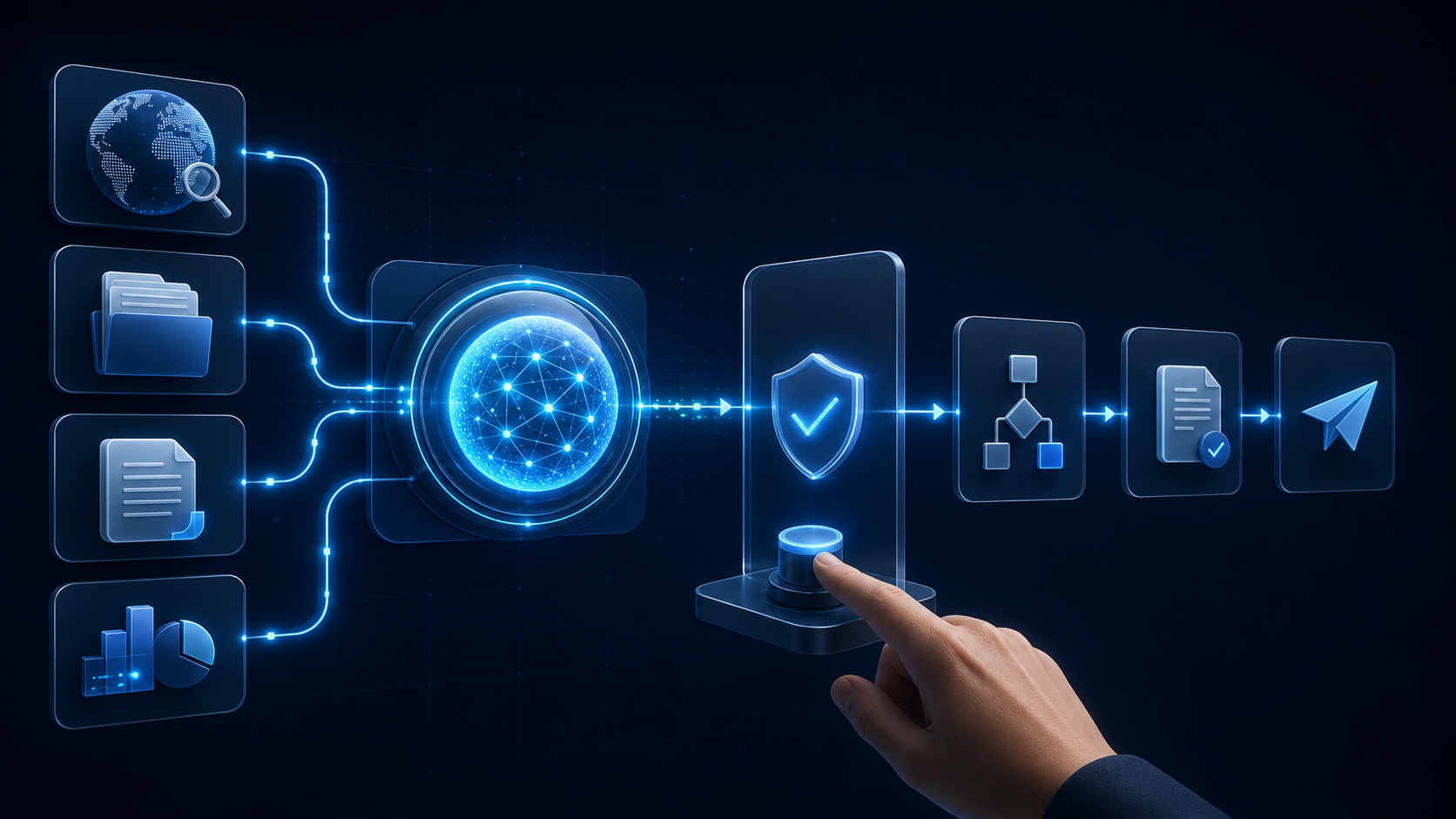
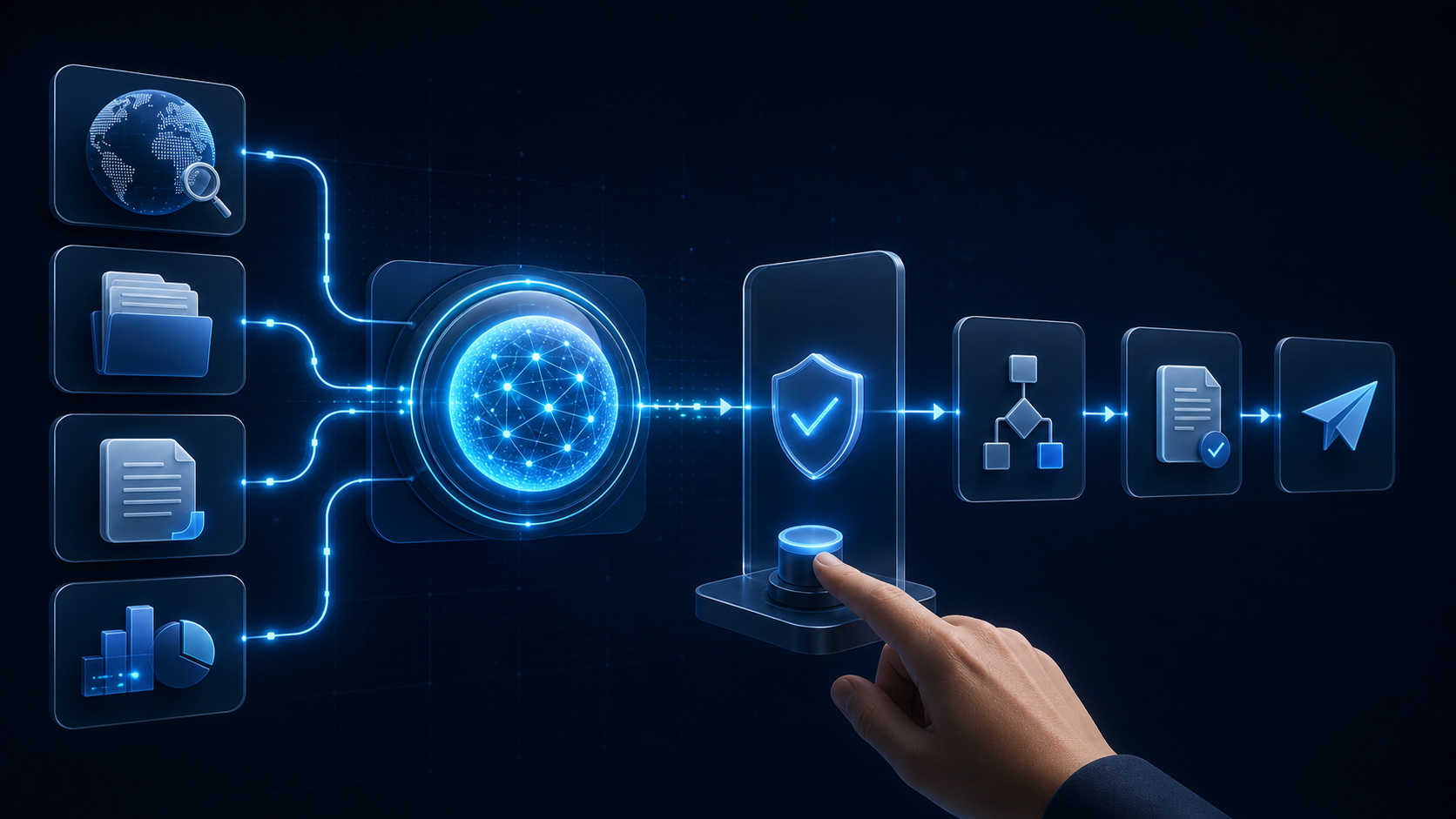
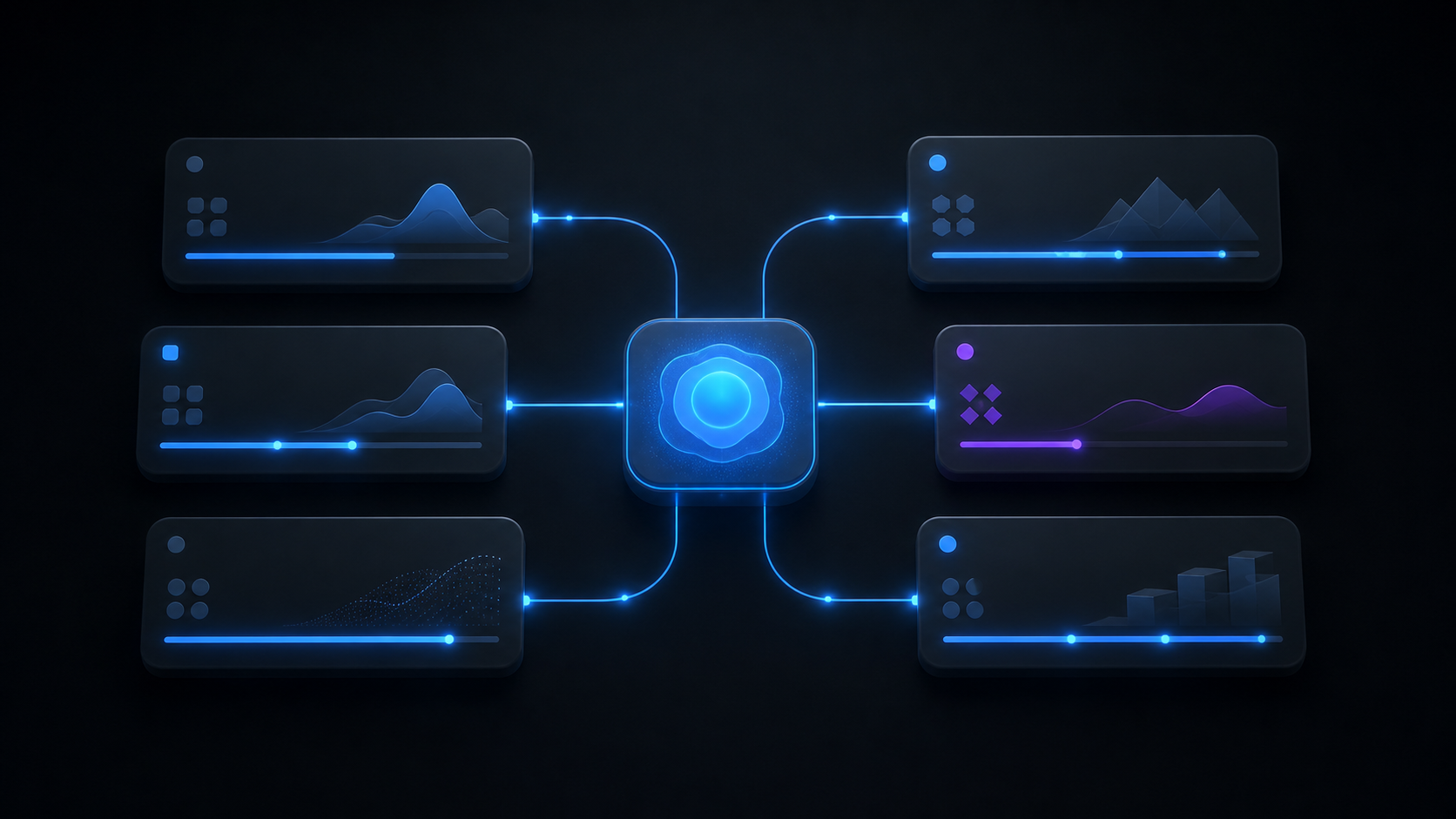
前回(連載①)で確認した通り、Tier1 VCが半導体に賭けるのは「計算そのもの」ではなく「AIの制約領域」です。GPUの演算能力が指数関数的に伸びれば、必ずその「周辺」がボトルネックに移ります。1万枚のGPUを繋ぐにはスイッチとインターコネクトが要る。チップ単体の性能限界を超えるにはパッケージング(CPO/Chiplet)が要る。設計の複雑性が増せばEDAと検証の自動化が要る。
それぞれの領域に、なぜ今、大型の資金が流れているのか。代表案件をケーススタディとして読み解いていきます。
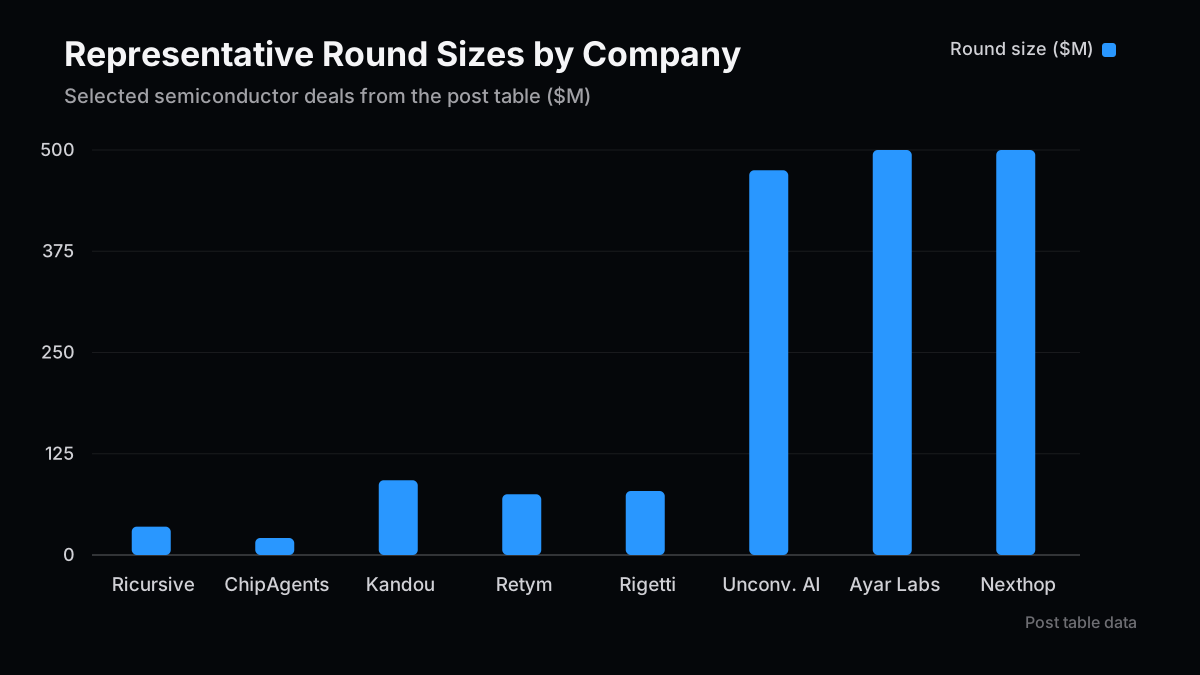
- 投資のROI設計は「単一チップ勝負」から「スタック勝負(設計→実装→運用)」へ。 CPOやコヒレントDSP、スイッチングなど、運用上の制約を解く領域で$500M超の大型ラウンドが立ち上がっています。
- 生成AIの普及で設計の複雑性が増し、EDA自動化(Agentic AI)が新たな投資テーマに。 設計・検証のリードタイム短縮は、製造リスクが相対的に低いソフト寄りの案件として投資回転が早い。
- 「新計算(アナログ/量子)」は長期テーマとして存続するが、資金は「研究→プロダクト→市場」への接続ができる会社に集まる。 技術の実現可能性だけでなく、顧客・クラウド・政府との連携が評価基準になっています。
| 技術領域 | 代表企業(VC) | 主要ラウンド | 投資額 | 技術の役割 |
|---|
| 設計AI/EDA | Ricursive(Sequoia) | Seed | $35M | チップ設計サイクルの短縮 |
| 設計AI/EDA | ChipAgents(Bessemer) | Series A | $21M | 設計・検証のエージェント化 |
| RISC-V IP | Akeana(Kleiner Perkins) | 累計 | >$100M | 自由に使えるCPU命令セット |
| SerDes/IP | Kandou(Bessemer) | Series C | $92.3M | 高速チップ間通信の物理層 |
| コヒレントDSP | Retym(Kleiner Perkins) | Series D | $75M | 長距離光通信の信号処理 |
| CPO/光I/O | Ayar Labs(Sequoia系) | Series E | $500M | 銅配線の限界をシリコンフォトニクスで超える |
| AIスイッチ | Nexthop AI(a16z) | Series B | $500M | AI大規模クラスタのネットワーク |
| アナログ新計算 | Unconventional AI(a16z) | Seed | $475M | 電力効率の桁違い改善を狙う確率的計算 |
| AIチップ(買収) | Graphcore(SoftBank) | M&A | 非開示 | 英国発グラフプロセッサ |
| CPU/Arm(買収) | Ampere(SoftBank) | M&A | $6.5B | クラウドサーバー向けArmベースCPU |
| 量子 | Rigetti(Bessemer) | Series C | $79M | 量子クラウド提供+ハードウェア |
| 量子 | Quantum Circuits(Sequoia) | Series B | >$60M | フォールトトレラント量子コンピュータ |
先端チップの設計工数は年々増大していますよね。7nm→3nm→2nmと微細化するほど、設計規則の複雑性は指数関数的に増え、テープアウト1回のコストも億円単位になります。検証・シミュレーション・デバッグが開発期間の大半を占める現状に対し、AIエージェントを当てる仮説が立ち上がっています。
Sequoiaがリードした$35Mシードは、「AIがチップ設計そのものを加速する」テーマをTier1が最上流から取りにいった案件なんですよね。
注目点はソフトウェア比率が高いことなんですよね。製造工程(ファブ)を持たず、設計フローにAIを組み込むアプローチは、相対的に製造リスクが低い。一方で、Synopsys・Cadenceというグローバルなツールチェーン巨人のプロダクト戦略・M&A戦略に強く影響される。勝ち筋は「差別化されたワークフロー統合」か「特定の設計フロー(例:検証/STA)での圧倒的優位」になりやすい。
Bessemerがリードしたこの案件は、既存EDAチェーンの「検証/デバッグ」をAIエージェントで置き換える仮説なんですよね。
「設計工数の相当部分は検証とバグ修正に費やされる」という現場の現実を起点に、Agentic AIのループ(タスク定義→実行→検証→修正)を設計フローに組み込む。ChipAgentsが述べる通り、目標は「エンジニアが書く必要があるコードを減らす」ことではなく「検証→修正のサイクルを自動化する」ことなんですよね。
EDA自動化の投資ロジックまとめ:
| 観点 | 内容 |
|---|
| 市場の大きさ | 全世界のチップ設計者数×設計サイクル短縮価値 |
| 製造リスク | 低(ソフトウェア主体) |
| 競合リスク | EDA大手(Synopsys/Cadence)のM&A対象になりうる |
| 出口 | M&A(EDA大手/チップ設計会社)またはIPO |
| タイムライン | 比較的短い(2〜5年) |
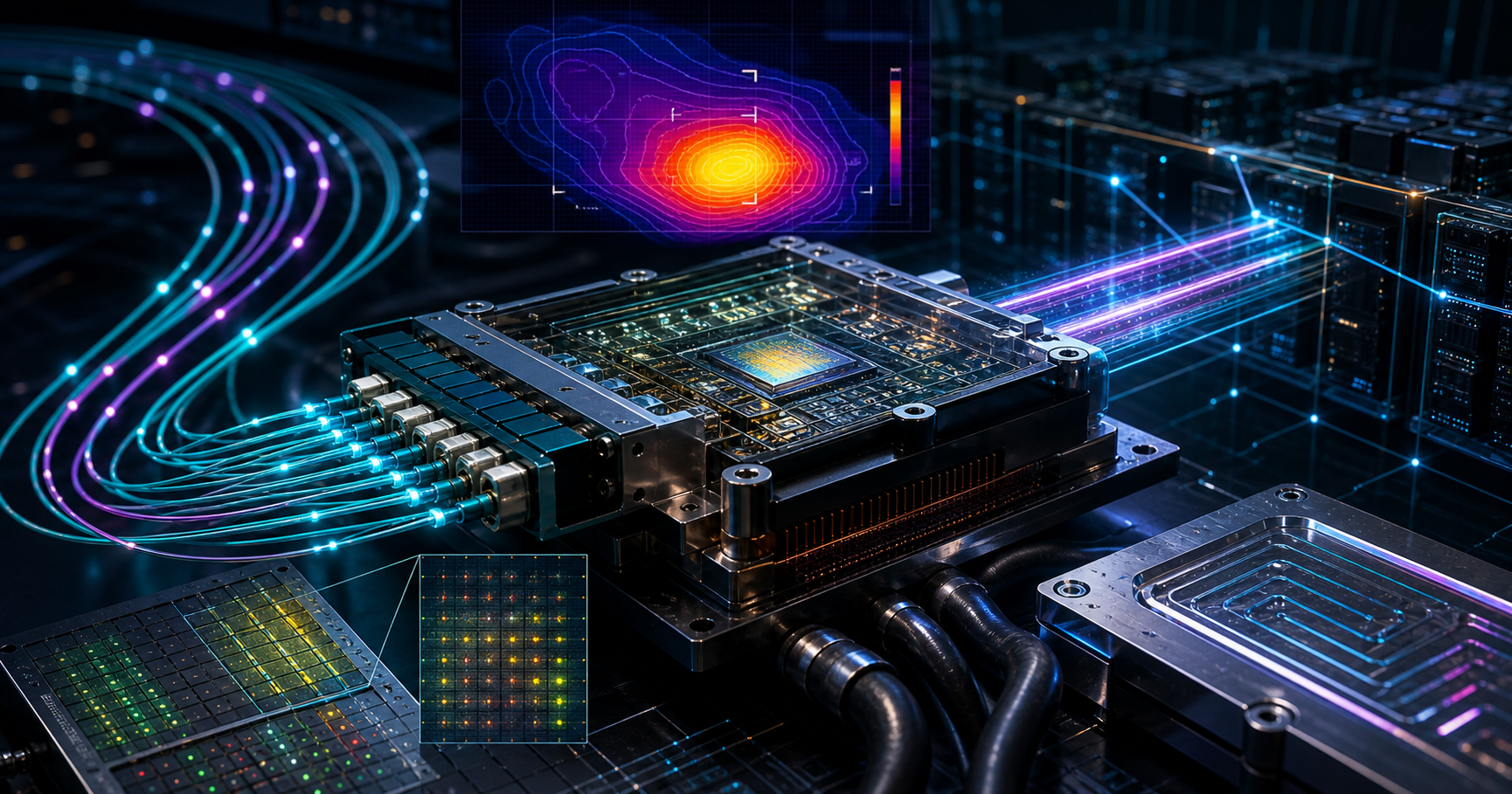
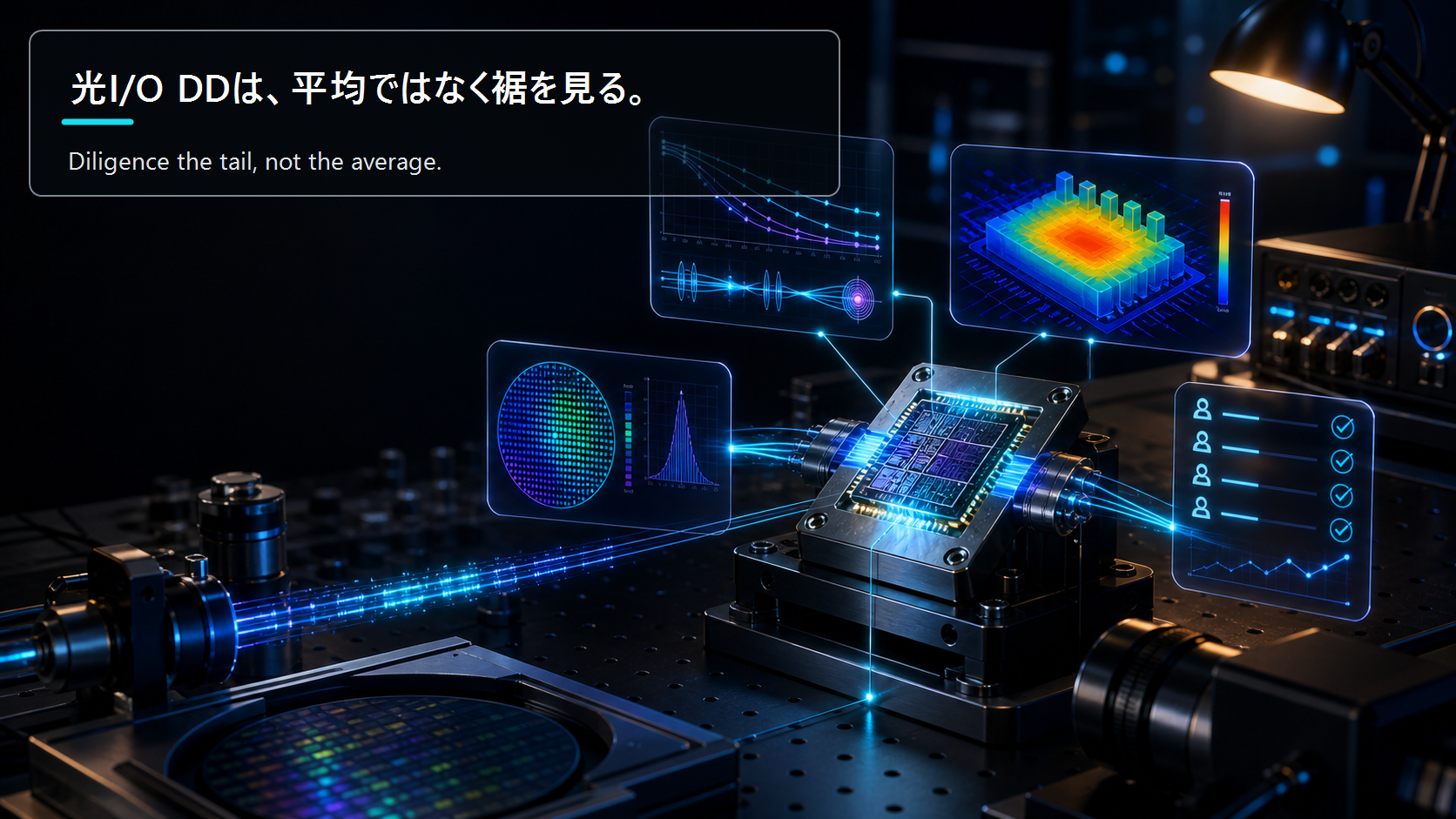
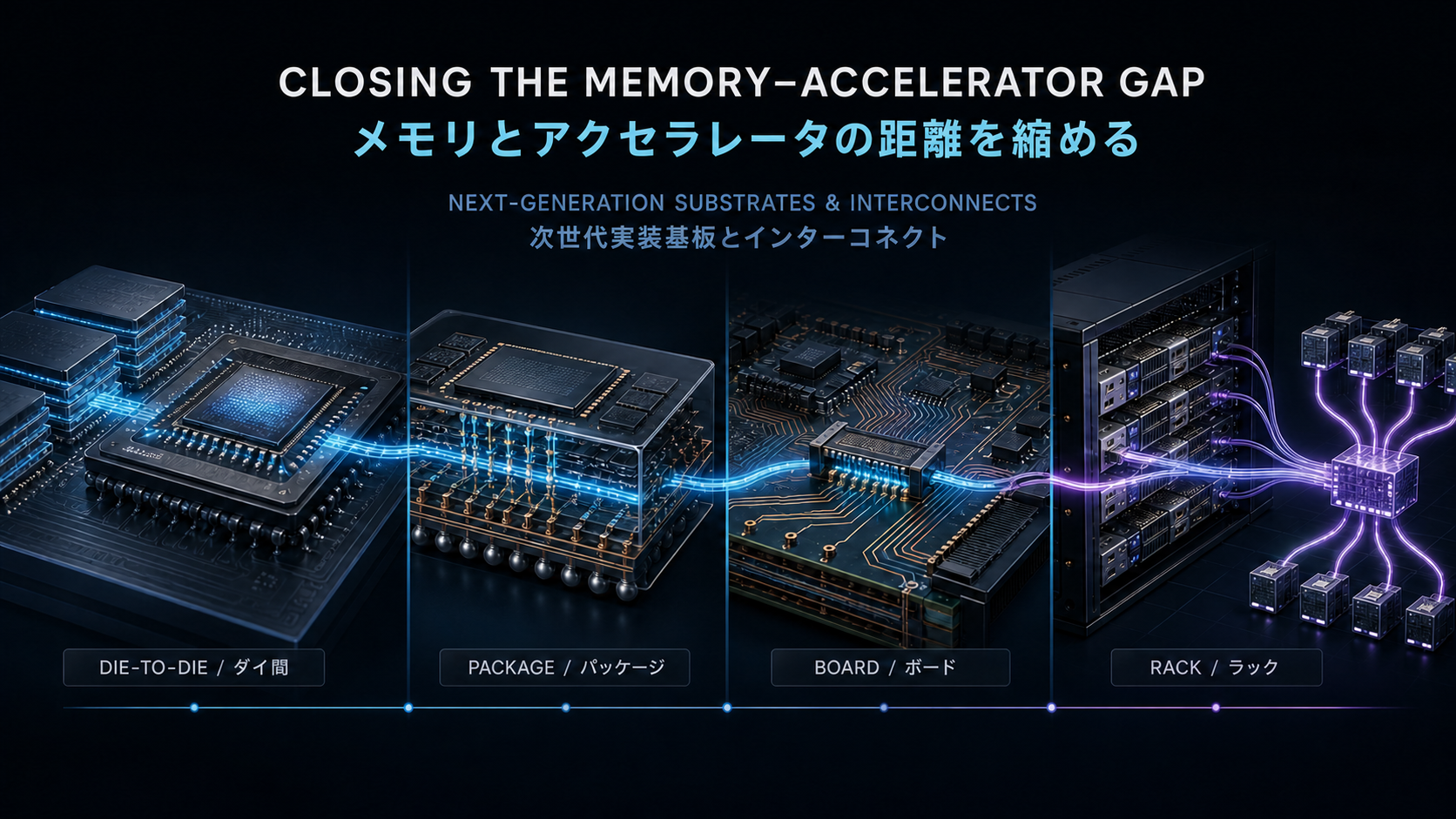
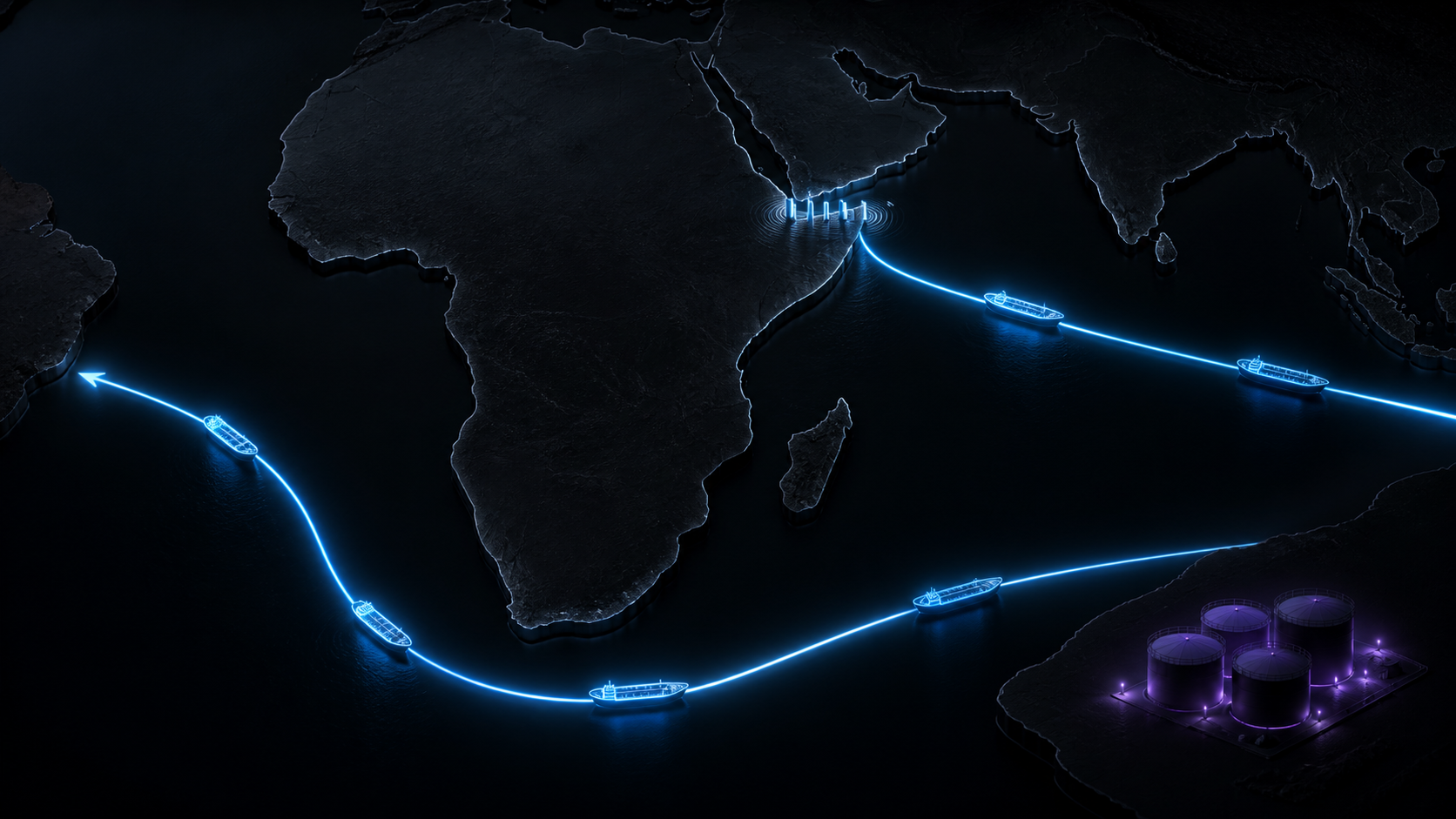
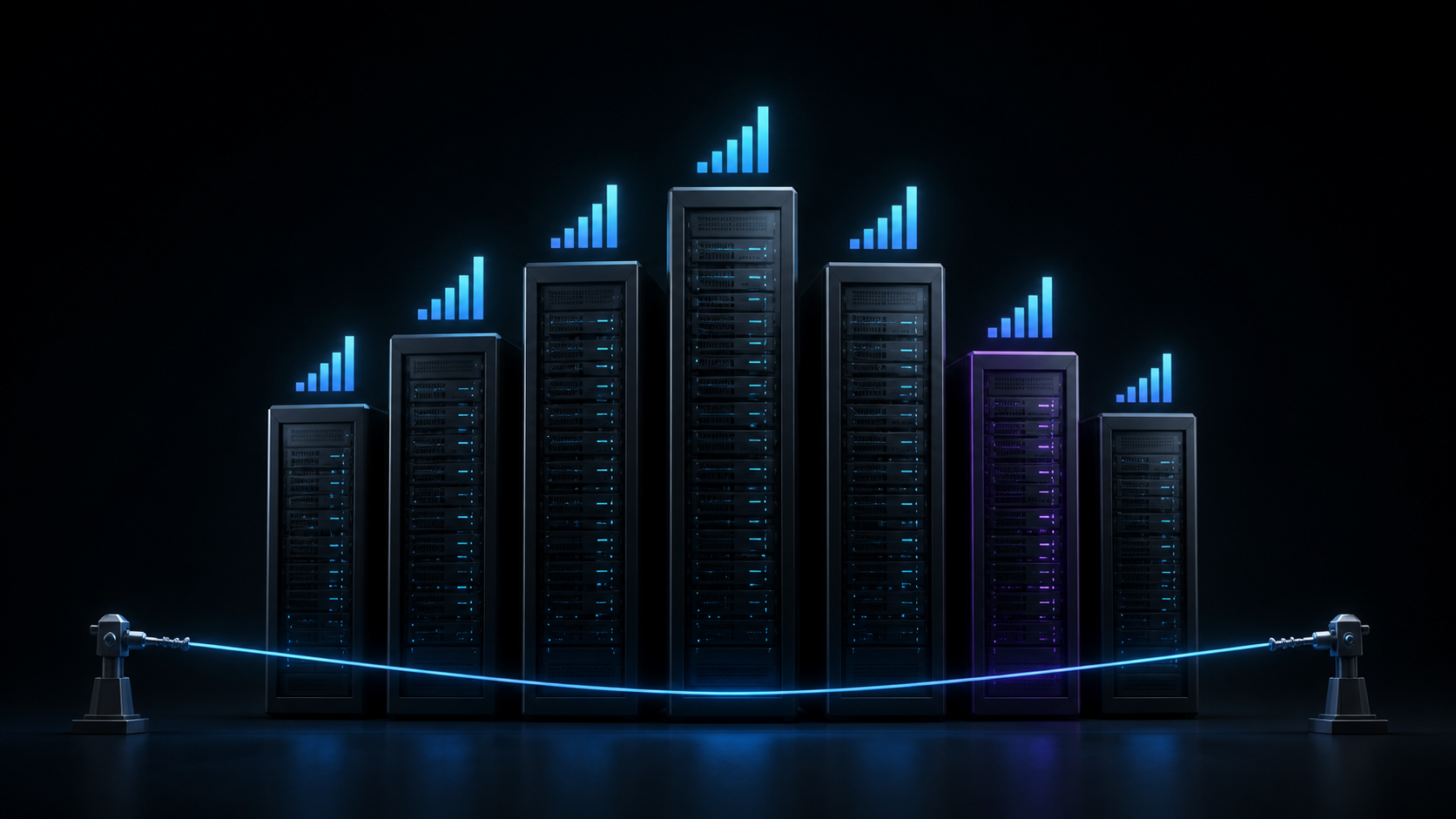
AI大規模クラスタ(数千〜数万GPU)では、チップ間・ラック間・データセンター間のデータ移動が帯域・遅延・電力の全てでボトルネックになっています。
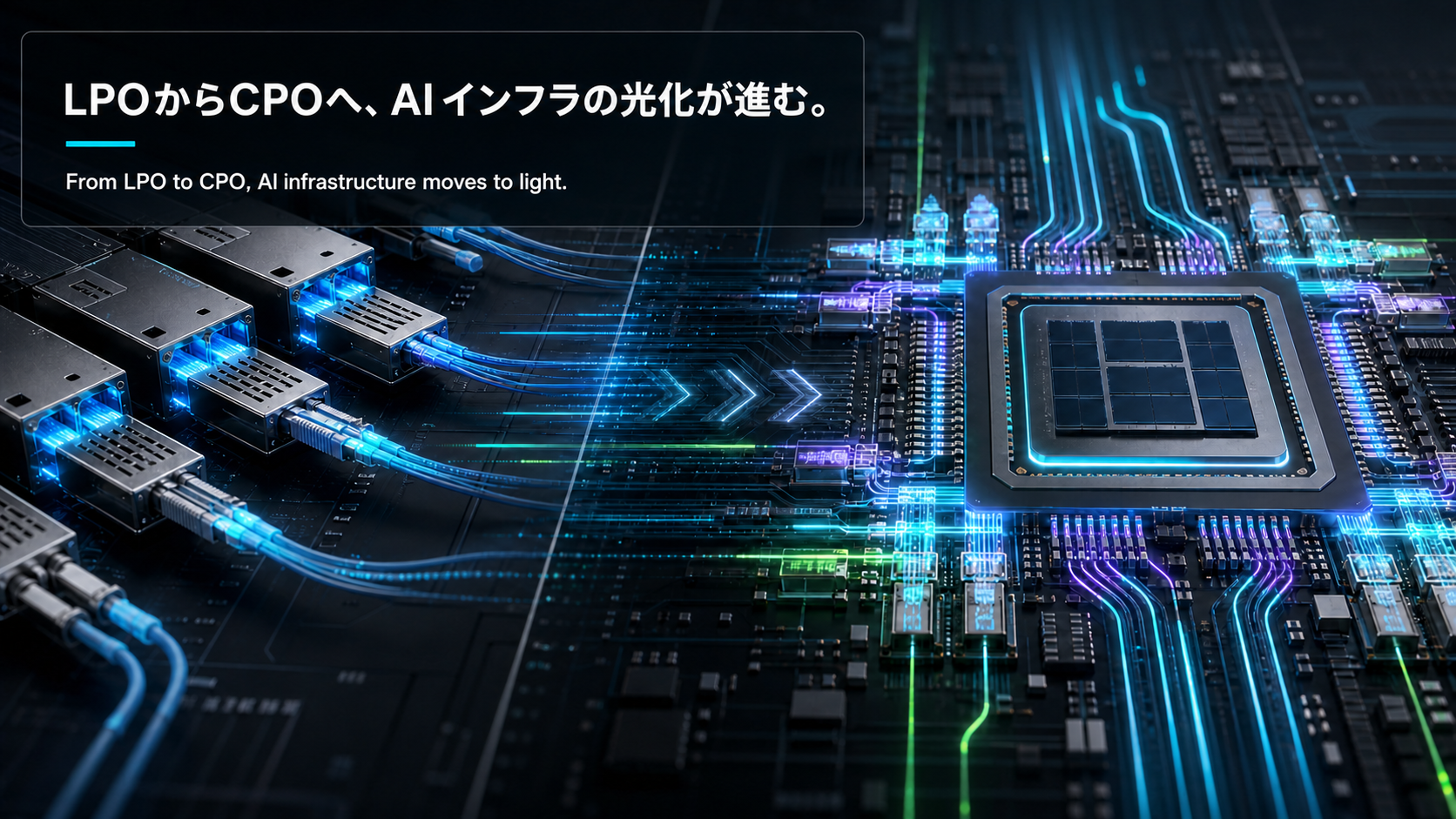
従来の銅配線:帯域 ↑ → 電力消費 ↑↑↑、距離 → 減衰
シリコンフォトニクス:光で通信 → 高帯域・低電力・長距離
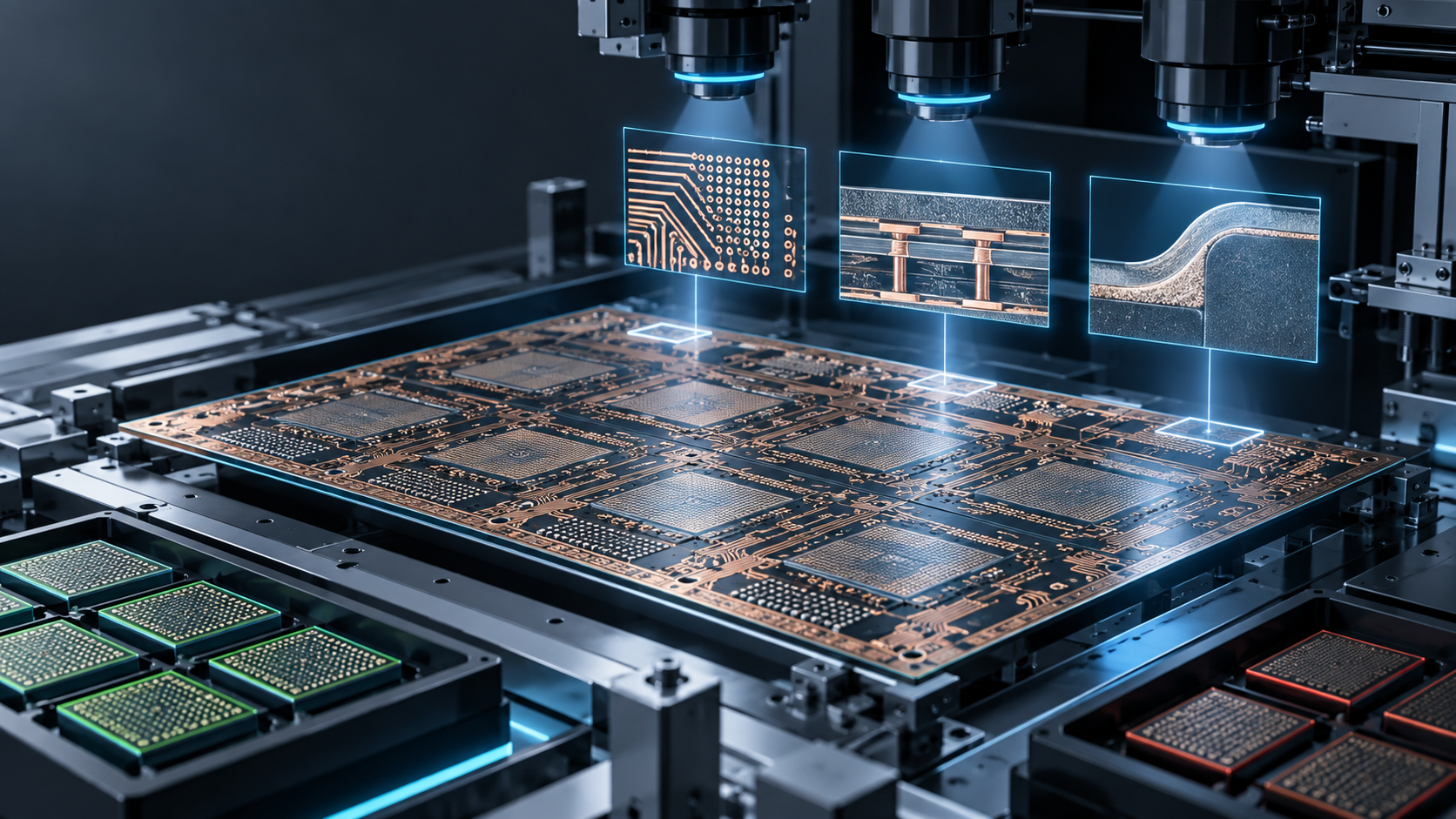
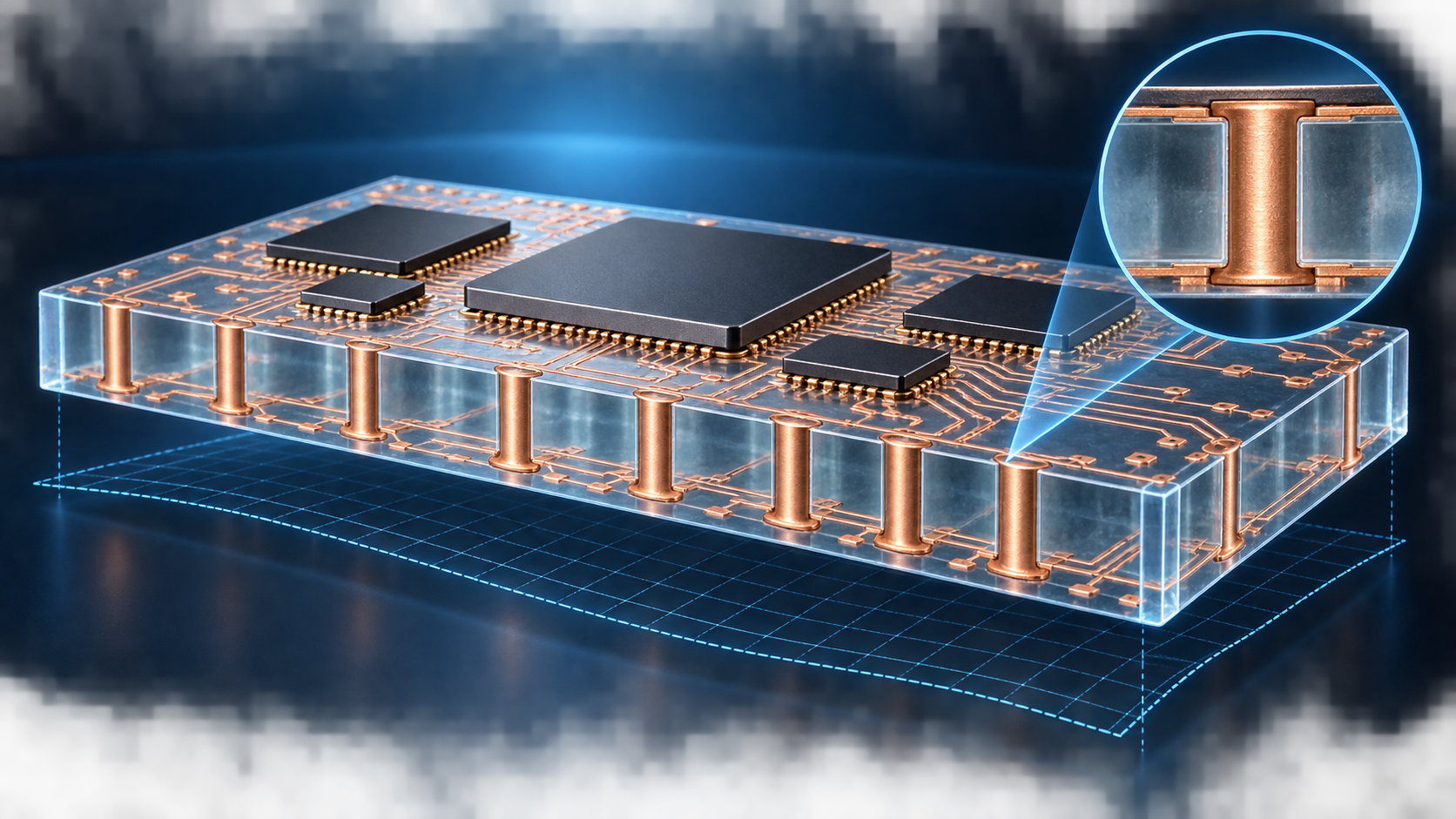
CPO(Co-Packaged Optics):光I/OをチップパッケージにCo-Packageng
        → 銅配線の物理限界を迂回する
評価額$3.75Bに達したこのラウンドは、CPO(Co-Packaged Optics)分野で最大規模の資金調達の一つなんですよね。
戦略投資家にNVIDIA・AMDが名を連ねる構造は重要なんですよね。彼らがAyar Labsに投資するのは「財務的リターン」だけでなく「次世代パッケージング技術を自分たちの製品ロードマップに組み込む」ためなんですよね。Sequoia系ビークルが参加していることは、ピュアファイナンシャルのリターンも十分あるという判断を示す。
投資ロジック: 銅配線の物理限界(帯域密度・電力)は設計上の解決が難しい。光I/OをCo-Packageするというアーキテクチャ転換が起きれば、その製造技術・IP・テスト能力を持つ会社の価値は急増します。
クラウド/AI向けコヒレントDSPを専門とするRetymのSeries Dには、Kleiner Perkinsが参加していますよね。
特徴は「距離×帯域×消費電力」の現実制約に設計思想を合わせた点なんですよね。データセンター内(数十〜数百m)、メトロ(数十km)、長距離(数百km〜)でそれぞれ最適なDSPアーキテクチャが異なります。汎用ではなく特定の「距離レンジ」に最適化したシリコンを作ることで、差別化を図る。
Bessemerがリードしたこの案件は、SerDes(シリアライザ/デシリアライザ)とリタイマーの商用化を前提にした投資なんですよね。
KandouのMatterhorn IPはUSB4やThunderbolt実装で実績を持つ。サーバー・デバイスの世代交代(USB4 Gen3など)に合わせて実装が変わる局面を「実装の勝ち筋」として取りにいくスタイルなんですよね。スタンダードの世代交代とともに需要が立ち上がる、周期性のあるビジネスモデルと言えると思います。
a16zが主要投資家として$500Mを投じたNexthop AIは、「AI時代のイーサネットスイッチ」を標榜します。
投資ロジックは明快なんですよね。「AIクラスタが大規模化するほど、スイッチのボトルネックが顕在化します。既存のスイッチはAIの通信パターン(全-全接続的な集合通信)に最適化されていない」という認識から出発し、AI専用スイッチングのアーキテクチャを取りにいく。
インターコネクト投資の共通ロジック:
| 観点 | 内容 |
|---|
| 技術ドライバー | GPU/アクセラレータの性能スケールがI/Oを際立たせる |
| 顧客 | ハイパースケーラー(Google/AWS/Microsoft/Meta等) |
| 資本集約度 | 中〜高(量産・認定が必要) |
| リスク | 量産歩留まり、サプライヤー認定、地政学 |
| 出口 | M&A(チップ大手)またはIPO |
「計算原理を変える」というテーマには2つのアプローチが存在します。
- スタートアップへの巨大シード(a16z × Unconventional AI):リスクが高いが、実現すれば市場を再定義できます。
- 買収による垂直統合(SoftBank × Graphcore/Ampere):技術の実現可能性リスクは低いが、統合コストと市場タイミングリスクがあります。
どちらも「単なるチップ投資」ではなく、エコシステムとしてのポジション取りだという点で共通していますよね。
a16zが共同リードした$475Mシードは、半導体投資史上最大規模のシードラウンドの一つなんですよね。
アナログ/ミックスドシグナルで確率的計算を扱うというアプローチは、デジタルCMOSによる現行アーキテクチャとは根本的に異なります。主な課題は:
- 量産・再現性:アナログ回路は製造ばらつきの影響を受けやすい
- ツールチェーン:設計・検証ツールが整っていない
- エコシステム:ソフトウェア/フレームワーク側の対応が必要
一方、実現すれば「電力効率の桁違い改善」というインパクトは現行GPUに対して圧倒的な競争優位になりうる。
a16zがこの賭けをする理由:Strategic Partnershipsで企業・政府導入の経路を制度化しているa16zにとって、「カテゴリを再定義するアーキテクチャ」を囲い込む初期コストは、後で払う「選択肢なしコスト」より安い。
SoftBankのアプローチは、個別案件の勝負ではなくセグメント全体の設計なんですよね。
| 会社 | 役割 | SoftBankの取得形態 |
|---|
| Arm | CPU IP、命令セット標準、エコシステムの核 | 2016年買収($32B) |
| Graphcore | グラフ最適化AI処理(GC200/BOW等) | 2024年買収 |
| Ampere Computing | Armベースクラウドサーバーへの最適化 | 2025年$6.5Bで買収発表 |
このセグメントは「Armのエコシステムを基盤に、AIワークロードに特化したシリコンを垂直統合する」という事業戦略なんですよね。VCリターンではなく事業IRR(グループシナジー含む)で評価される性質のものなんですよね。
2020年前後の量子ブームは、多くのハードウェアスタートアップが誕生し、その後の市場との乖離で一部が撤退・合併しました。しかし2024〜2025年には「プラットフォーム競争」「クラウド提供」を前提にした大型ラウンドが戻り始めています。
変化の核心は:「量子コンピュータが量子優位を達成できるか」ではなく、「エラー訂正・クラウド提供・ソフトウェアスタックをセットで商用化できるか」 という評価軸への移行なんですよね。
Sequoiaがリード投資家として参加したQuantum Circuitsのシリーズ B は、フォールトトレラント量子コンピュータの商用化を狙う。
同社の特徴は超伝導量子回路の設計とエラー訂正への集中なんですよね。「ノイズのある中規模量子(NISQ)」ではなく、長期的にスケールするフォールトトレラントアーキテクチャへの賭けとして位置づけられる。
Bessemerがリードしたこの案件は、量子ハードウェア+クラウド提供(Quantum Cloud Services)という垂直統合モデルなんですよね。
後にSPACでNASDAQ上場(2022年)し、量子スタートアップとして初期の公開市場実績を残しました。クラウド提供という「ソフト的な入り口」を持つことで、企業顧客へのアクセスを維持する戦略は、量子の商用化において重要な設計判断だった。
量子投資の評価基準(現在):
| 評価軸 | 詳細 |
|---|
| 技術 | エラー率・量子ビット数・コヒーレンス時間 |
| 商用化 | クラウドAPI・SDK・顧客導入実績 |
| エコシステム | アルゴリズム・ソフトウェアパートナー |
| 出口 | 大手クラウド(AWS/Azure/GCP)への買収またはIPO |
| VC | 投資先 | 投資年 | ラウンド | 金額($M) | 技術領域 | ステージ | 地理 |
|---|
| Sequoia | Quantum Circuits | 2024 | Series B | >60 | 量子 | B | 米国 |
| Sequoia | InCore Semiconductors | 2023 | Seed | 3 | RISC-V IP | Seed | インド |
| Sequoia | Mindgrove Technologies | 2023 | Seed | 2.3 | SoC | Seed | インド |
| Sequoia | Ricursive Intelligence | 2025 | Seed | 35 | 設計AI/EDA | Seed | 米国 |
| Sequoia(関連) | Ayar Labs | 2026 | Series E | 500 | CPO/光I/O | E | 米国 |
| a16z | Unconventional AI | 2025 | Seed | 475 | アナログ新計算 | Seed | 米国 |
| a16z | Nexthop AI | 2026 | Series B | 500 | AIスイッチ | B | 米国 |
| Kleiner Perkins | Akeana | 2024 | 累計 | >100 | RISC-V IP | Early | 米国 |
| Kleiner Perkins | Retym | 2025 | Series D | 75 | コヒレントDSP | D | 米国 |
| Bessemer | ChipAgents | 2025 | Series A | 21 | EDA自動化 | A | 米国 |
| Bessemer | Kandou | 2020 | Series C | 92.3 | SerDes/IP | C | スイス |
| Bessemer | Rigetti Computing | 2020 | Series C | 79 | 量子 | C | 米国 |
| Bessemer | Habana Labs | 2018 | Series B(参加) | 75 | AIアクセラレータ | B | イスラエル |
| SoftBank | Fungible | 2019 | Series C | 200 | DPU | C | 米国 |
| SoftBank Group | Graphcore | 2024 | M&A | 非開示 | AIチップ | M&A | 英国 |
| SoftBank Group | Ampere Computing | 2025 | M&A | 6,500 | Arm CPU | M&A | 米国 |
ここまでの整理を踏まえて、3つのシナリオで領域別のアロケーションをどう振り分けるかを置いておきます。
| シナリオ | 確率 | 設計AI/EDA | インターコネクト | 新計算 | 量子 |
|---|
| ベース:継続拡張 | 50% | コア | コア | 中立 | 様子見 |
| メイン:パッケージング律速 | 30% | 維持 | 厚め | 中立 | 様子見 |
| テール:減速+投資冬 | 20% | 維持 | 中立 | 縮小 | 縮小 |
メインシナリオで効くのは、CPOとAIスイッチングだと見ています。私の現場感覚で言うと、銅配線の物理限界はもはや「設計でなんとかする」レベルを超えていて、Co-Package側にしか解決の余地がない。ここはVCのモメンタムも実装の必然性も両方揃っている、珍しいスポットです。
私の足元のスタンスを一言で言うと、「『大型ラウンド=確実性が高い』は誤解で、『非対称性が大きいから大金を出している』」です。
Unconventional AIの$475Mシードも、Nexthop/Ayar Labsの$500Mも、「確度が高いから大金を出している」わけではない。「外れたとき以上に、当たったときのカテゴリ創造価値が大きいから大金を出している」のです。
技術観点で個人的に最も興味深いのはCPOです。光I/OとチップをCo-Packageするという思想は、半導体・光学・パッケージングという全く異なる産業の交差点にある。日本には半導体装置・光部品・精密実装という3つの強みがあり、このCPO領域は日本企業にとっても参入余地のある数少ない「最先端の交差点」だと思う。
次回(連載③)は戦略的示唆と投資提案——どうポートフォリオを組むか、短中長期でどこに賭けるかを整理します。
- 案1:数字で追う続編 — 本記事の前提を最新データで更新し、何が強まり、何が崩れたかを再点検する。
- 案2:実務テンプレート編 — 読者が自分の投資判断、制作単価、または開発運用に転用できるチェックリストへ落とし込む。
- 案3:反対シナリオの検証 — 今回の見立てが外れる条件を先に定義し、次に見るべき指標と時間軸を整理する。
本文の事実関係と数値前提は、再審査時にも読者が確認できる一次情報・公的資料を優先して見直しています。
本記事は情報提供を目的としたものであり、特定の銘柄、サービス、契約条件の推奨や投資助言ではありません。執筆者は記事内で触れた銘柄やサービスにポジションまたは利害関係を持つ可能性があります。調査、翻訳、校正の一部に生成AIを利用していますが、最終的な内容はZYL0が確認しています。詳細は免責事項をご確認ください。
Why Design, Data Movement & Packaging Attract VC Capital
I led automotive EEPROM process development. From the floor, what's blindingly obvious is that design, process, and packaging are not separate problems — they rate-limit each other in a coupled system. So when Tier-1 VCs simultaneously pour capital into all three layers, that lines up with the engineering reality, not against it. Part 2 walks through the technical necessity behind each domain through the representative deals.
Let me reset the framing flat first.
In Part 1, the key claim was that Tier-1 VCs bet on AI's constraints, not its compute. The logic that powers Part 2 is straightforward: as GPU performance scales exponentially, the surrounding layers become the limiting factor. Connecting 10,000 GPUs needs switches and interconnects. Exceeding single-chip performance limits needs packaging (CPO/Chiplet). Growing design complexity needs EDA and verification automation.
Why are large rounds flowing into each of these areas right now? I'll work through the representative deals as case studies.
- Investment ROI is shifting from single-chip to full-stack (design→packaging→operations). CPO, coherent DSP, and AI switching — areas that solve operational constraints — are now commanding $500M+ rounds.
- Generative AI has increased design complexity, making EDA automation (Agentic AI) a new investment theme. With lower manufacturing risk and faster iteration, design automation is an attractive early-stage semiconductor play.
- New compute (analog/quantum) remains a long-term theme, but capital flows to companies that can connect research to product to market. Technical feasibility alone is insufficient — customer, cloud, and government partnerships are now evaluation criteria.
| Tech Domain | Representative Co. (VC) | Round | Amount | Role |
|---|
| Design AI/EDA | Ricursive (Sequoia) | Seed | $35M | Accelerate chip design cycles |
| Design AI/EDA | ChipAgents (Bessemer) | Series A | $21M | Agentic AI for design/verification |
| RISC-V IP | Akeana (Kleiner Perkins) | Cumulative | >$100M | Open CPU instruction set |
| SerDes/IP | Kandou (Bessemer) | Series C | $92.3M | High-speed chip-to-chip PHY |
| Coherent DSP | Retym (Kleiner Perkins) | Series D | $75M | Signal processing for optical links |
| CPO/Optical I/O | Ayar Labs (Sequoia related) | Series E | $500M | Silicon photonics to bypass copper limits |
| AI Switch | Nexthop AI (a16z) | Series B | $500M | Networking for large-scale AI clusters |
| Analog compute | Unconventional AI (a16z) | Seed | $475M | Probabilistic computing for power efficiency |
| AI chip (M&A) | Graphcore (SoftBank) | M&A | Undisclosed | UK graph processor |
| CPU/Arm (M&A) | Ampere (SoftBank) | M&A | $6.5B | Arm-based cloud server CPU |
| Quantum | Rigetti (Bessemer) | Series C | $79M | Quantum cloud + hardware |
| Quantum | Quantum Circuits (Sequoia) | Series B | >$60M | Fault-tolerant quantum |
Advanced chip design complexity grows with each process node. At 7nm→3nm→2nm, design rule complexity increases exponentially, and a single tapeout can cost tens of millions of dollars. Verification, simulation, and debugging now consume the majority of the design cycle. The thesis: apply AI agents to automate the most time-intensive parts of this workflow.
Sequoia's lead on this $35M seed is the clearest signal that a top-tier VC is entering chip design automation at the earliest stage.
The key advantage: high software content. Without owning fabrication, the approach of embedding AI into design flows carries relatively lower manufacturing risk. The main competitive risk is from Synopsys and Cadence — EDA giants with deep customer relationships and M&A firepower. The winning position is likely "differentiated workflow integration" or "dominant capability in a specific design step (e.g., verification, static timing analysis)."
Bessemer-led, ChipAgents automates the verification and debug loop using agentic AI.
The framing: "a significant fraction of design engineering time is spent in verification and bug-fixing cycles." An agentic AI system that can define tasks, execute, verify, and iterate autonomously in the EDA toolchain reduces that cycle. The goal is not reducing code written, but automating the verification-to-fix loop itself.
EDA Automation Investment Logic:
| Dimension | Detail |
|---|
| Market size | Global chip designers × design cycle cost reduction |
| Manufacturing risk | Low (primarily software) |
| Competitive risk | M&A target for EDA incumbents (Synopsys/Cadence) |
| Exit paths | M&A (EDA giants or chip design companies) or IPO |
| Timeline | Relatively short (2–5 years) |
In large-scale AI clusters (thousands to tens of thousands of GPUs), data movement between chips, racks, and data centers is the limiting factor across bandwidth, latency, and power simultaneously.
Copper interconnect: bandwidth ↑ → power ↑↑↑, distance → signal loss
Silicon photonics: optical transmission → high bandwidth, low power, long distance
Co-Packaged Optics (CPO): integrate optical I/O into the chip package
        → bypass the physical limits of copper
This round, valuing Ayar Labs at $3.75B, is one of the largest fundraises in the CPO space.
The presence of NVIDIA and AMD as strategic investors is critical. Their participation is not purely financial — it signals that CPO technology will be integrated into next-generation product roadmaps. The participation of a Sequoia-related vehicle validates that pure financial returns are also available at this valuation.
Investment logic: The physical limits of copper (bandwidth density, power) are fundamentally hard to engineer around. If CPO becomes the standard packaging architecture for AI compute, companies with the manufacturing technology, IP, and test capability will command significant value.
Kleiner Perkins-backed Retym specializes in coherent DSP optimized for cloud and AI workloads.
The differentiator: tailoring the DSP architecture to specific "distance ranges" — intra-datacenter (tens to hundreds of meters), metro (tens of km), and long-haul (hundreds of km+). Each range has different optimal DSP design. Rather than a universal chip, Retym targets specific operational regimes with purpose-built silicon.
Bessemer-led, Kandou's Matterhorn IP has demonstrated deployment in USB4 and Thunderbolt implementations.
The strategy rides the standard upgrade cycle: as device and server standards evolve (USB4 Gen3, etc.), implementation requirements change, and Kandou's IP captures value at each transition. A recurring, standards-cycle-driven business model with a proven IP track record.
a16z's $500M investment in Nexthop AI frames AI-era Ethernet switching as the next infrastructure layer.
The thesis: "AI clusters are growing in scale faster than traditional switching architectures can adapt. Existing switches are not optimized for AI communication patterns (all-to-all collective communication)." Nexthop builds AI-native switching to address this.
Interconnect Investment Common Logic:
| Dimension | Detail |
|---|
| Technical driver | GPU/accelerator scaling makes I/O the bottleneck |
| Customer base | Hyperscalers (Google/AWS/Microsoft/Meta) |
| Capital intensity | Medium to high (manufacturing qualification required) |
| Risks | Production yield, supplier qualification, geopolitics |
| Exit paths | M&A (major chip companies) or IPO |
Two distinct approaches exist for the "change the computing paradigm" thesis:
- Mega-seed in a startup (a16z × Unconventional AI): High risk, but success redefines the market.
- Acquisition-based vertical integration (SoftBank × Graphcore/Ampere): Lower technology realization risk, but integration cost and market timing risk remain.
Both are ecosystem positioning plays — not simply chip investments.
One of the largest seed rounds in semiconductor investment history, co-led by a16z.
The analog/mixed-signal approach for probabilistic computing differs fundamentally from current digital CMOS architectures. Key challenges:
- Manufacturing reproducibility: Analog circuits are sensitive to process variation
- Toolchain: Design and verification tools are immature
- Ecosystem: Software/framework adaptation required
But if successful, the potential for orders-of-magnitude power efficiency gains represents an overwhelming competitive advantage over current GPU architectures.
Why a16z makes this bet: With its Strategic Partnerships program institutionalizing enterprise and government deployment paths, a16z can afford the early-stage cost of locking in a category-defining architecture. The cost of not owning the option is higher than the cost of the bet.
| Company | Role | SoftBank Acquisition |
|---|
| Arm | CPU IP, ISA standard, ecosystem core | Acquired 2016 ($32B) |
| Graphcore | Graph-optimized AI processing | Acquired 2024 |
| Ampere Computing | Arm-based cloud server optimization | $6.5B acquisition announced 2025 |
This is a business strategy, not a fund strategy. Evaluated on group synergy IRR, not VC fund returns.
The quantum boom of the early 2020s saw many hardware startups emerge, then face market mismatch. However, 2024–2025 has seen large rounds return — now structured around platform competition + cloud delivery.
The evaluation shift: from "can quantum achieve quantum advantage?" to "can the company commercialize error correction, cloud delivery, and software stacks as an integrated system?"
Sequoia's participation in this round signals conviction in fault-tolerant quantum architecture over near-term NISQ approaches. The bet is on the architecture that will scale — not the first to market.
Bessemer-led, with Quantum Cloud Services as the vertical integration model. Subsequently NASDAQ-listed via SPAC (2022). Having a cloud API entry point maintains enterprise access even before hardware reaches quantum advantage — a critical commercialization design choice.
Quantum Investment Evaluation Criteria (Current):
| Axis | Detail |
|---|
| Technology | Error rates, qubit count, coherence time |
| Commercialization | Cloud API, SDK, customer deployments |
| Ecosystem | Algorithm and software partners |
| Exit | Acquisition by major cloud (AWS/Azure/GCP) or IPO |
| VC | Portfolio | Year | Round | Amount ($M) | Tech Domain | Geography |
|---|
| Sequoia | Quantum Circuits | 2024 | Series B | >60 | Quantum | US |
| Sequoia | InCore Semiconductors | 2023 | Seed | 3 | RISC-V IP | India |
| Sequoia | Mindgrove Technologies | 2023 | Seed | 2.3 | SoC | India |
| Sequoia | Ricursive Intelligence | 2025 | Seed | 35 | Design AI/EDA | US |
| Sequoia (related) | Ayar Labs | 2026 | Series E | 500 | CPO/Optical I/O | US |
| a16z | Unconventional AI | 2025 | Seed | 475 | Analog new compute | US |
| a16z | Nexthop AI | 2026 | Series B | 500 | AI switch | US |
| Kleiner Perkins | Akeana | 2024 | Cumulative | >100 | RISC-V IP | US |
| Kleiner Perkins | Retym | 2025 | Series D | 75 | Coherent DSP | US |
| Bessemer | ChipAgents | 2025 | Series A | 21 | EDA automation | US |
| Bessemer | Kandou | 2020 | Series C | 92.3 | SerDes/IP | Switzerland |
| Bessemer | Rigetti Computing | 2020 | Series C | 79 | Quantum | US |
| Bessemer | Habana Labs | 2018 | Series B (participant) | 75 | AI accelerator | Israel |
| SoftBank | Fungible | 2019 | Series C | 200 | DPU | US |
| SoftBank Group | Graphcore | 2024 | M&A | Undisclosed | AI chip | UK |
| SoftBank Group | Ampere Computing | 2025 | M&A | 6,500 | Arm CPU | US |
Putting allocation against the three scenarios:
| Scenario | Probability | Design AI/EDA | Interconnect | New compute | Quantum |
|---|
| Base — continued expansion | 50% | Core | Core | Neutral | Wait |
| Main — packaging-rate-limited | 30% | Hold | Heavy | Neutral | Wait |
| Tail — slowdown + investment chill | 20% | Hold | Neutral | Trim | Trim |
In the main scenario, CPO and AI switching are where I'd expect the highest returns. From operational experience: copper interconnect's physical limits have moved past the "fix it in design" zone — the fix has to be at the Co-Package layer. That's a rare spot where VC momentum and engineering necessity both line up.
In one line: a large round doesn't mean high probability — it means high asymmetry, and that's why the check is large.
The $475M seed into Unconventional AI, and the $500M rounds into Nexthop and Ayar Labs, aren't bets on certainty. They're bets where "if wrong, lose the check; if right, create a category worth hundreds of billions." The asymmetry justifies the size.
The single area I find most technically compelling is CPO. Co-packaging optical I/O with silicon sits at the intersection of semiconductors, photonics, and precision packaging — three industries where Japan has globally competitive players. This is one of the few "cutting-edge intersections" where Japanese industry has a shot at participating at the frontier.
Part 3 synthesizes the strategic implications — how to construct a portfolio across these themes, and how to think about risk-reward across short, medium, and long time horizons.
- Idea 1: A data-updated follow-up — Revisit the thesis with fresh numbers and separate what strengthened from what broke.
- Idea 2: A practical template edition — Turn the article into a checklist readers can reuse for investing, pricing, or technical operations.
- Idea 3: The bear-case test — Define the conditions that would invalidate this view and map the indicators to watch next.
The factual and numerical assumptions in this article are anchored to primary or public materials that readers can revisit during AdSense review and future updates.
This article is for informational purposes only and does not constitute investment advice or a recommendation of any specific stock, service, or contract structure. The author may hold positions or interests related to companies or services mentioned. Generative AI was used for parts of research, translation, and proofreading, with final review by ZYL0. See the disclaimer for details.