ドローン物流が「実験」から「日常」へ
私はCVCで北米EVリユース蓄電・半固体電池に出資した経験に加えて、自社で河川洪水検知IoTシステムをAWS(IoT Core・Lambda・DynamoDB・API Gateway)でゼロから設計・構築した経験があります。「ハードウェアと自律オペレーションは、ソフトウェア単独より3倍ややこしい」——これが現場で身に染みた感覚です。だから今回ドローン物流を見るときも、機体スペックではなくユニットエコノミクス・規制の進度・運航ソフトウェアの完成度の3点で解きほぐしてみたいと思います。
最初に、市場が今どこに居るかをフラットに置きます。
ドローン配送がようやく「実験段階」を脱し、「日常のインフラ」へと移行しつつあります。2026年は、この転換点が明確に可視化された年です。1月、世界最大のドローン配送企業Ziplineが$800M(初回$600M + 追加$200M)を調達し、バリュエーションは$7.6B(約1.1兆円)に到達。同月、Alphabet傘下のWingはWalmartとのパートナーシップを150店舗追加に拡大し、2027年末までに全米270拠点のドローン配送ネットワークを構築する計画を発表。3月にはサンフランシスコ・ベイエリアへの進出も明らかにしました。
これらは単なるプレスの積み重ねではない、というのが私の見立てです。ユニットエコノミクスと規制環境が同時に臨界点を超えたことを示すシグナルなんですよね。10年以上かけて成熟してきた技術が、eコマースの即日配送需要、ラストマイル物流のコスト圧力、そして医療アクセスの格差という3つの構造的課題と合流し、爆発的な成長フェーズに入った。
Ziplineの共同創業者兼CEO Keller Cliffton氏は「2026年、自律型物流は米国の複数の州で日常の一部になる」と宣言しています。誇大広告ではなく、同社の米国内配送量は過去7ヶ月間、週次+15%のペースで成長し続けています。
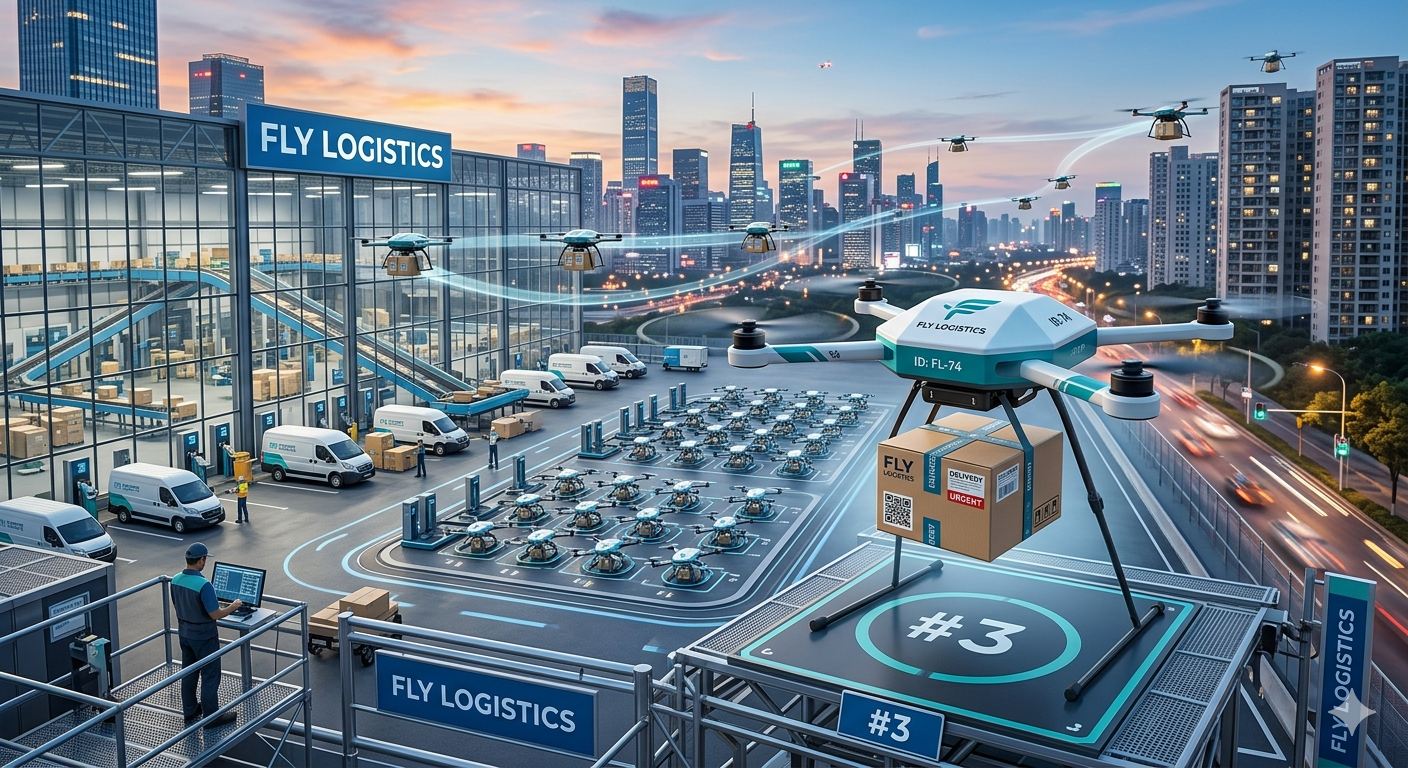
市場規模の数字は調査会社によって振れるのですが、共通しているのは「年率40%超」という異次元の成長率です。
| 調査会社 | 2025年実績 | 2030-35年予測 | CAGR |
|---|
| IMARC Group | $1.3B | $34.7B (2034) | 43.8% |
| Mordor Intelligence | $0.66B | $6.78B (2031) | 47.6% |
| Precedence Research | $2.05B | $103.7B (2035) | 48.1% |
| Future Market Insights | $2.1B | $87.6B (2035) | 45.5% |
| Grand View Research(ドローン全体) | $83.8B | $182.5B (2033) | 9.5% |
| Fortune Business Insights(配送特化) | $3.47B | $21.0B (2034) | 19.5% |
数字のばらつきは「ドローン物流」の定義範囲——ハードウェア・ソフトウェア・インフラを含むか、配送サービスのみか——に起因します。が、いずれの調査でも2030年代前半に数十兆円規模の市場が見込まれている点では一致しています。
1. eコマースの「超即時配送」需要 — Wingの上位25%のユーザーは週3回ドローン配送を利用しており、注文されるのは卵、挽肉、トマト、アボカド、携帯充電器といった「日常品」です。即日どころか「30分以内」が期待値になりつつある。
2. 医療物流の構造的ニーズ — ドローン配送は医療分野で最も先行的に実用化されました。Ziplineはルワンダで血液製剤の配送からスタートし、現在は5カ国のアフリカ諸国で5,000以上の病院・医療施設にサービスを提供。日本でも長崎県でのエリア型Level 4医薬品配送が2026年1月に実現しました。
3. 規制環境の整備 — 米国ではFAAがBVLOS(目視外飛行)の規則整備を加速し、トランプ政権はドローン産業の成長を促進する大統領令を発出。日本では2022年12月のLevel 4解禁以降、2026年度のUTM(無人機交通管理システム)構築に向けたロードマップが進行中です。
アプリケーション別では、小売・物流が45.6%のシェアで最大セグメントですが、成長率が最も高いのは医療物資配送(CAGR 51.4%)。地域別ではアジア太平洋地域がCAGR 51.9%で全地域中最速です。中国・インド・日本・東南アジアの人口密集都市と島嶼・山間部の物流課題が、ドローン配送の「ユースケースの宝庫」になっている。
私はAWS IoTでセンサーシステムを実装した経験から思うのですが、ドローン物流の本当の参入障壁は機体ではなく運航ソフトウェアとUTM側にあります。フリート規模が10機を超えると、ソフトの完成度が一気にスケールの律速になる——というのは、河川洪水検知システムを6ヶ月で立ち上げた時の感覚と同じです。
ドローン物流市場は「実験期」を経て「スケーリング期」に入り、勝者と敗者の輪郭が見え始めています。
基本情報:2014年創業、本社サンフランシスコ。バリュエーション$7.6B。累計配送200万件超、1億2,500万マイルの自律飛行実績。
Ziplineは名実ともにドローン物流業界のリーダーです。単なるドローンメーカーではなく、機体・発射/着陸システム・物流ソフトウェアを垂直統合したフルスタック企業である点が競合との最大の差別化要因。Platform 1(P1)は長距離配送用の固定翼ドローンで往復120マイルをカバーし、医療・企業・政府向けの大型貨物を運ぶ。Platform 2(P2)は家庭向けの短距離配送用で、最大8ポンドの荷物を半径10マイル以内に届ける。
成長の加速度は驚異的です。ダラスの最初の拠点では1日100件の配送に到達するのに10週間かかったが、新規拠点ではわずか2日で同じ水準に到達。Q3の日次配送目標を30%上回り、Q4の目標は6週間前倒しで達成しました。
主要投資家:Fidelity Management & Research、Baillie Gifford、Valor Equity Partners、Tiger Global、Paradigm
WingはAlphabetのリソースを活かした「プラットフォーム戦略」で市場を攻略しています。Walmartとの提携は2023年にダラスの2店舗からスタートし、2025年にアトランタ、そして2026年1月に150店舗追加が発表された。2027年末までに270店舗のネットワークを構築し、対象人口は約4,000万人(米国人口の約12%)に達する見込み。直近の配送量は過去6ヶ月で3倍に成長しています。
投資的含意:Alphabet(GOOG/GOOGL)を通じたエクスポージャー。Wing単体での投資は難しいが、Waymoに次ぐ「隠れた価値」として再評価される可能性があります。
シリコンバレー拠点で米国の複数の病院システムと提携。M2ドローンは最大2kgのペイロードを12.5マイル運搬でき、温度管理コンテナによる血液サンプルや医薬品の配送に強み。2025年1月にはサウジアラビアの航空当局(GACA)から運航承認を取得し、同国初の貨物ドローン運航者となった。累計調達額$74Mと小規模で、M&Aターゲットになりやすいポジションだと見ています。
VTOL固定翼ドローン「Wingcopter 198」を開発。最高速度150km/h、航続距離100km(ペイロード2kg時)で、僻地・離島への配送に適する。日本では伊藤忠商事・ANAホールディングスと共同で、沖縄で53kmの血液輸送実証試験を実施。Zipline・Wing・Matternetと合わせて上位4社で市場シェアの70%を占めます。
ACSL(東証グロース: 6232)は日本初のLevel 4型式認証を取得した国産ドローンメーカー。AeronextはACSLと共同開発した物流専用ドローン「AirTruck」(ペイロード5kg、航続20km)を通じて、地方自治体と連携したラストマイル配送の社会実装を進めています。トラックドライバーの時間外労働上限規制(2024年問題)と物流キャパシティ不足が、追い風として効きやすい構造です。
| 企業 | 国 | 調達額/時価総額 | 累計配送数 | 強み | 注目イベント |
|---|
| Zipline | 米国 | $7.6B(val) | 200万件超 | フルスタック垂直統合 | IPO候補(2026-27年) |
| Wing | 米国(Alphabet) | Alphabet子会社 | 非公開 | Walmart提携270店舗 | ベイエリア進出 |
| Matternet | 米国 | $74M調達 | 非公開 | 医療特化、FAA型式認証 | サウジ進出 |
| Wingcopter | ドイツ | $125M+調達 | 非公開 | VTOL長距離、新興国展開 | メキシコ・沖縄 |
| ACSL | 日本 | 東証6232 | 実証段階 | 国産Level 4認証 | UTM構築(2026年度) |
| Amazon Prime Air | 米国 | Amazon子会社 | ~16,000件 | 50,000SKU対応 | 5州で運航中 |
ドローン物流は2026年時点で市場規模が$1〜3B程度と、まだ「初期段階」にあります。上場企業としての純粋なエクスポージャーは限られているが、いくつかの投資経路があります。
| シナリオ | 市場規模(2030年) | 想定される展開 | 投資含意 |
|---|
| ベースケース | $8〜12B | BVLOS規制の段階的整備。都市部限定のスケーリング | Zipline IPO成功。既存物流企業の参入加速 |
| メインシナリオ | $15〜25B | UTM構築完了。全米・欧州・アジア主要都市で日常化 | カテゴリー全体のバリュエーション再評価。M&A活発化 |
| テールリスク(上振れ) | $30B超 | AI自律飛行の飛躍的進化。規制の完全自由化 | 自動運転に次ぐ「自律型モビリティ」テーマとして株式市場を席巻 |
| テールリスク(下振れ) | $5B以下 | 重大事故による規制強化。公衆の受容性低下 | 成長鈍化、バリュエーション調整 |
プレIPO/ベンチャー投資 — Ziplineは$7.6Bのバリュエーションで未上場。Fidelity、Baillie Gifford、Tiger Globalといったクロスオーバー投資家が参入しており、IPO前の最後の成長ラウンドとしてのポジショニングが可能。CVCで上場直前ラウンドの感触を見てきた経験から言うと、Ziplineは自律型物流のカテゴリー・リーダーとしてのプレミアムが付きやすい銘柄だと思います。
Alphabet(GOOG/GOOGL) — Wingの270店舗スケールが実現すれば、再評価カタリスト。
日本の関連銘柄 — ACSL(6232)はLevel 4認証を持つ唯一の国産メーカーとして希少性。伊藤忠商事(8001)やANAホールディングス(9202)はWingcopter協業を通じたエクスポージャー。
注目すべきは、この市場が「勝者総取り」になりにくい構造を持っていることです。地域ごとの規制差異、ユースケースの多様性(医療 vs リテール vs 産業用)、そしてハードウェアとソフトウェアの両方が必要なフルスタックの複雑性が、複数の勝者を生み出す土壌になっている。Ziplineの長距離医療配送、Wingの大規模リテール提携、Matternetの都市型医療、ACSLの日本国内Level 4——それぞれが異なるニッチで勝ち残る可能性があります。
- Zipline IPOのタイミングと条件 — 2026年後半〜2027年のIPOウィンドウが有力
- FAAのBVLOS最終規則 — 最終化の時期と内容がスケーラビリティを決定
- 日本のUTM構築 — 2026年度の完成目標
- Amazon Prime Airの動向 — 累計約16,000件と後塵だが、Amazonの物流ネットワーク統合次第で一気に逆転可能性
- イラン戦争とサプライチェーンの寸断 — グローバル物流の混乱は、ドローン物流の「代替手段としての価値」を押し上げる
結論として、ドローン物流は「今、入るべきテーマ」です。市場はまだ$1〜3B規模と小さいが、CAGR 45%超の成長軌道に乗っています。Ziplineを筆頭とするリーダー企業は「実験」から「スケーリング」へ明確にフェーズが移行しており、今後2〜3年で市場の勝者と構造が固まる。この窓が開いている今こそ、ポジションを取るべきタイミングだと見ています。
- 案1:数字で追う続編 — 本記事の前提を最新データで更新し、何が強まり、何が崩れたかを再点検する。
- 案2:実務テンプレート編 — 読者が自分の投資判断、制作単価、または開発運用に転用できるチェックリストへ落とし込む。
- 案3:反対シナリオの検証 — 今回の見立てが外れる条件を先に定義し、次に見るべき指標と時間軸を整理する。
本文の事実関係と数値前提は、再審査時にも読者が確認できる一次情報・公的資料を優先して見直しています。
本記事は情報提供を目的としたものであり、特定の銘柄、サービス、契約条件の推奨や投資助言ではありません。執筆者は記事内で触れた銘柄やサービスにポジションまたは利害関係を持つ可能性があります。調査、翻訳、校正の一部に生成AIを利用していますが、最終的な内容はZYL0が確認しています。詳細は免責事項をご確認ください。
Drone Logistics: From Experiment to Everyday
I worked on EV second-life storage and semi-solid battery deals at a corporate VC, and I also designed and built our company's river-flood-detection IoT system from scratch on AWS (IoT Core, Lambda, DynamoDB, API Gateway). Both experiences hammered home the same lesson: hardware plus autonomous operations are about three times messier than pure software. That's the lens I want to apply here — not "drone specs," but unit economics, regulatory cadence, and ops-software maturity.
Let me first put the picture down flat.
Drone delivery has finally moved beyond the experimental stage and is settling into everyday infrastructure. 2026 is the year that inflection became unmistakable. In January, Zipline — the world's largest drone delivery company — raised $800M (initial $600M + add-on $200M), reaching a $7.6B valuation. The same month, Alphabet's Wing expanded its Walmart partnership by 150 stores, with a plan to build a 270-location nationwide network by end-2027. In March, Wing announced expansion into the San Francisco Bay Area.
These aren't just press releases. To me, they're the signal that unit economics and regulatory readiness crossed their critical thresholds simultaneously. A decade of maturation collided with three structural forces — same-hour e-commerce demand, last-mile cost pressure, and gaps in healthcare access — and the result is a step change.
Zipline CEO Keller Cliffton put it bluntly: "In 2026, autonomous logistics becomes part of daily life in multiple US states." Their US delivery volumes have grown +15% week-over-week for seven straight months, so the rhetoric is grounded.
Forecasts vary on definition, but they agree on one thing: annual growth above 40%.
| Research firm | 2025 estimate | 2030–35 forecast | CAGR |
|---|
| IMARC Group | $1.3B | $34.7B (2034) | 43.8% |
| Mordor Intelligence | $0.66B | $6.78B (2031) | 47.6% |
| Precedence Research | $2.05B | $103.7B (2035) | 48.1% |
| Future Market Insights | $2.1B | $87.6B (2035) | 45.5% |
| Grand View Research (drones) | $83.8B | $182.5B (2033) | 9.5% |
| Fortune Business Insights | $3.47B | $21.0B (2034) | 19.5% |
The spread reflects whether "drone logistics" includes hardware/software/infrastructure or only the delivery service. But all forecasts agree on a multi-tens-of-billions market by the early 2030s.
1. "Hyper-immediate" e-commerce delivery. Wing's top quartile of users orders three times a week. The actual SKUs: eggs, ground beef, tomatoes, avocados, phone chargers — everyday goods. Same-hour delivery is becoming the expectation; "within 30 minutes" is increasingly normal.
2. Structural medical-logistics demand. Drones broke into healthcare logistics first. Zipline started in Rwanda with blood products and now serves 5,000+ hospitals and clinics across five African countries. Japan ran its first Level 4 area-based pharmaceutical drone deliveries in Nagasaki in January 2026.
3. Regulatory tailwinds. The US FAA is accelerating BVLOS (beyond visual line of sight) rulemaking, and the Trump administration issued an executive order to support drone industry growth. Japan's Level 4 framework opened in December 2022, and a national UTM (drone traffic management) build-out is on track for fiscal 2026.
Retail and logistics is the largest application at 45.6% share, but the fastest-growing segment is medical supplies (51.4% CAGR). Asia Pacific is the fastest-growing region at 51.9% CAGR — dense urban centers plus archipelago/mountain logistics gaps make the use cases unusually rich.
Coming back to my IoT-build instinct: the real moat in drone logistics is not the airframe — it's the ops software and UTM stack. Once a fleet exceeds ~10 aircraft, software completeness becomes the rate-limiter. That matches what I learned standing up the river-flood IoT demo in six months.
The market has moved from experimentation into scaling, and winners are starting to take shape.
Founded 2014, HQ San Francisco. Valuation $7.6B. 2M+ deliveries; 125M+ autonomous miles flown. The crucial differentiator is vertical integration — airframe + launch/recovery + logistics software in a single stack. Platform 1 (P1) is a fixed-wing for 120-mile round trips (medical / corporate / government). Platform 2 (P2) is a residential short-haul drone, up to 8 lbs within ~10-mile radius.
Adoption acceleration is striking: the Dallas hub took 10 weeks to hit 100 deliveries/day at first; new hubs reach the same level in two days. Q3 daily targets exceeded by 30%; Q4 target hit six weeks early.
Investor base: Fidelity, Baillie Gifford, Valor Equity Partners, Tiger Global, Paradigm.
Walmart partnership scaled from 2 stores in Dallas (2023) → Atlanta (2025) → +150 stores (Jan 2026). Network targets 270 stores by end-2027, addressing roughly 40M Americans (~12% of the population). Delivery volume tripled in the past 6 months. Public-market exposure flows through GOOG/GOOGL — Wing alone is hard to size, but it could become the next Waymo-style "hidden value" line item.
Silicon Valley-based, FAA Part 135 certified. M2 carries up to 2 kg over 12.5 miles, with temperature-controlled containers for blood and pharmaceuticals. Total raised $74M — small enough that M&A is the more likely outcome than IPO, in my view.
German VTOL fixed-wing maker. 150 km/h max speed, 100 km range with 2 kg payload. Active in Africa, Latin America, and Asia — including Okinawa blood-transport trials with Itochu and ANA Holdings. Together with Zipline, Wing, and Matternet, the top four hold ~70% market share.
ACSL (TSE: 6232) is Japan's only domestic drone maker with Level 4 type certification. Through "AirTruck" (5 kg payload, 20 km range), co-developed with Aeronext, the pair is rolling out municipal last-mile delivery. Japan's "2024 problem" — a structural truck-driver-hours shortage — adds a regulatory tailwind to the demand side.
| Company | Country | Funding/Mkt cap | Total deliveries | Strength | Watch event |
|---|
| Zipline | US | $7.6B (val) | 2M+ | Full-stack vertical integration | IPO candidate (2026–27) |
| Wing | US (Alphabet) | Alphabet sub | undisclosed | 270-store Walmart partnership | Bay Area expansion |
| Matternet | US | $74M raised | undisclosed | Medical + FAA Part 135 | Saudi expansion |
| Wingcopter | Germany | $125M+ raised | undisclosed | VTOL long range; emerging mkts | Mexico, Okinawa |
| ACSL | Japan | TSE 6232 | pilot stage | Domestic Level 4 cert | UTM build-out (FY2026) |
| Amazon Prime Air | US | Amazon sub | ~16,000 | 50,000 SKU integration | Operating in 5 states |
In 2026, the addressable market is still only $1–3B — early stage. Pure-play public exposure is limited, but several routes exist.
| Scenario | 2030 market size | Development | Investment implication |
|---|
| Base | $8–12B | Phased BVLOS rules, urban scaling | Zipline IPO success; incumbents enter |
| Main | $15–25B | UTM completed; routine in major cities globally | Category re-rating; M&A wave |
| Upside tail | $30B+ | AI autonomy leap; full regulatory liberalization | Autonomous-mobility theme sweeps markets |
| Downside tail | <$5B | Major accident triggers regulatory freeze | Growth stalls; valuation correction |
Pre-IPO / venture. Zipline at $7.6B is still private, with Fidelity, Baillie Gifford, and Tiger Global anchoring crossover rounds. From watching late-stage rounds inside CVC, this is the kind of company that prices the "category leader" premium at IPO.
Alphabet (GOOG/GOOGL). Wing-related re-rating is possible if the 270-store rollout lands.
Japanese names. ACSL (6232) is the only domestic Level 4-certified maker — scarcity premium. Itochu (8001) and ANA Holdings (9202) carry indirect exposure via Wingcopter partnerships.
The structural feature I'd most underline: this market is not a winner-takes-all market. Regional regulatory differences, the diversity of use cases (healthcare vs. retail vs. industrial), and the hardware-plus-software full-stack complexity make space for multiple winners. Zipline's long-haul medical, Wing's retail platform plays, Matternet's urban healthcare, ACSL's Japanese Level 4 — each can occupy a distinct, durable niche.
- Zipline IPO timing & terms — 2026 H2 to 2027 IPO window most likely
- FAA BVLOS final rule — timing and substance gate scaling
- Japan's UTM build-out — fiscal 2026 completion target
- Amazon Prime Air — only ~16,000 deliveries to date, but Amazon-network integration could flip the leaderboard quickly
- Iran war supply-chain disruption — global logistics fragility highlights drone delivery's "alternative-route" value, especially in medical and emergency supplies
Bottom line: drone logistics is a "position now" theme. Market size is still small ($1–3B), but the 45%+ CAGR runway is real. Leaders like Zipline have decisively transitioned from experimentation into scaling, and the next 2–3 years will lock in the structural winners. The window to position is open — and it won't stay open forever.
- Idea 1: A data-updated follow-up — Revisit the thesis with fresh numbers and separate what strengthened from what broke.
- Idea 2: A practical template edition — Turn the article into a checklist readers can reuse for investing, pricing, or technical operations.
- Idea 3: The bear-case test — Define the conditions that would invalidate this view and map the indicators to watch next.
The factual and numerical assumptions in this article are anchored to primary or public materials that readers can revisit during AdSense review and future updates.
This article is for informational purposes only and does not constitute investment advice or a recommendation of any specific stock, service, or contract structure. The author may hold positions or interests related to companies or services mentioned. Generative AI was used for parts of research, translation, and proofreading, with final review by ZYL0. See the disclaimer for details.