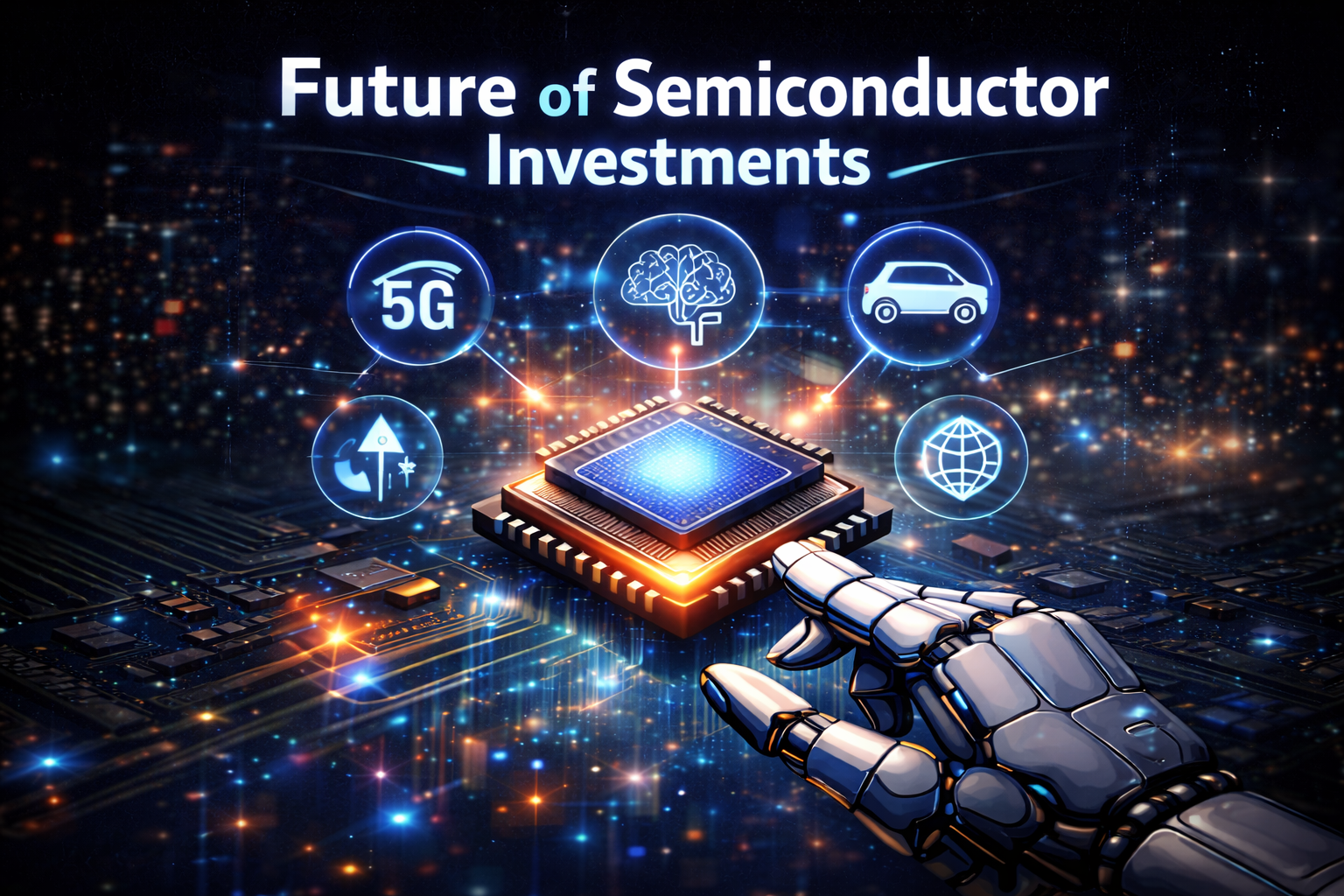
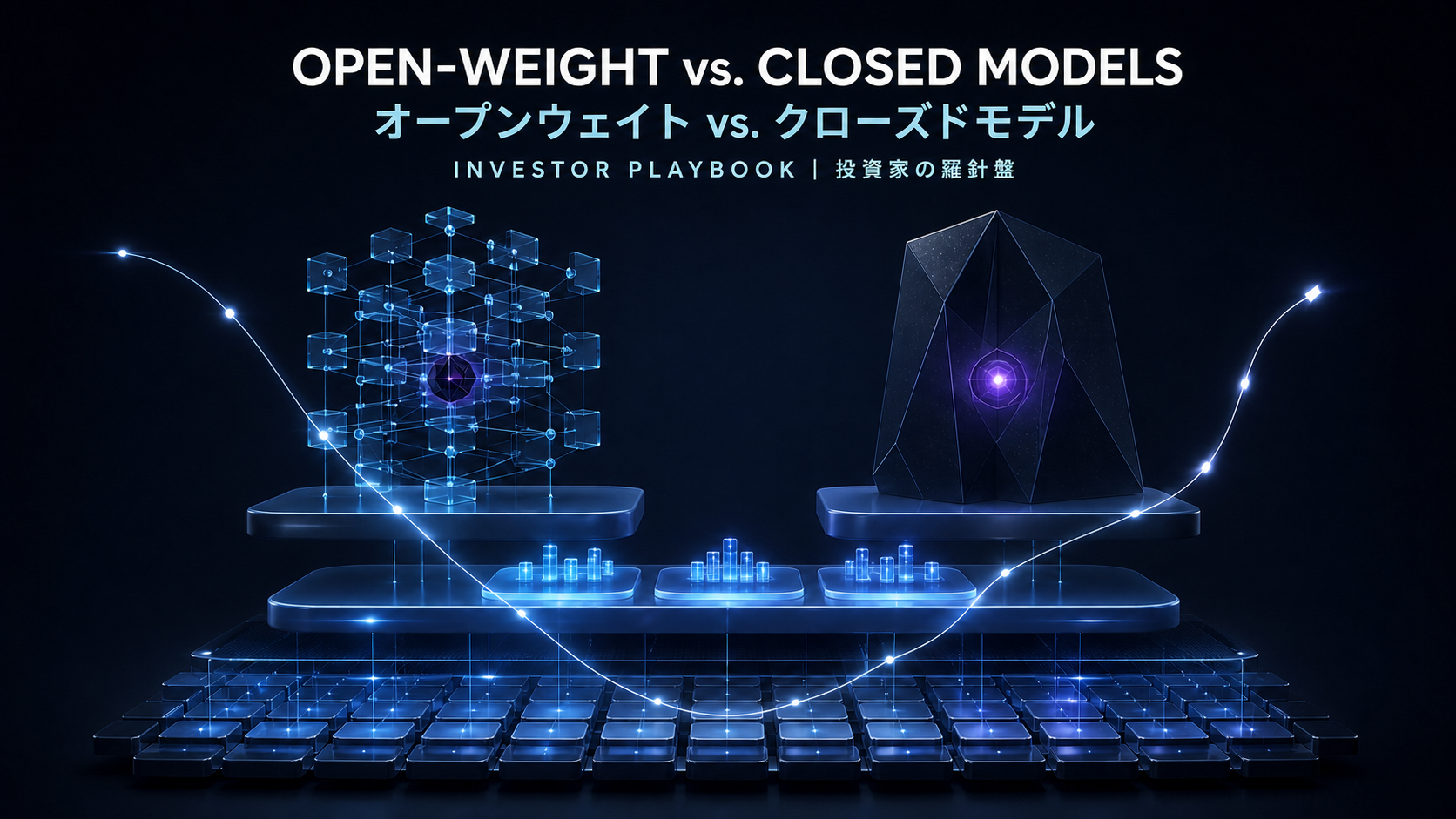
Tier1 VCの半導体投資はAI需要のボトルネックへ収斂している
私はもともと半導体プロセス開発の現場の人間で、EEPROMの車載プロセス開発をしていました。半導体は「投資対象」である前に、私にとっては自分の手で歩留まりを動かしてきた現場です。
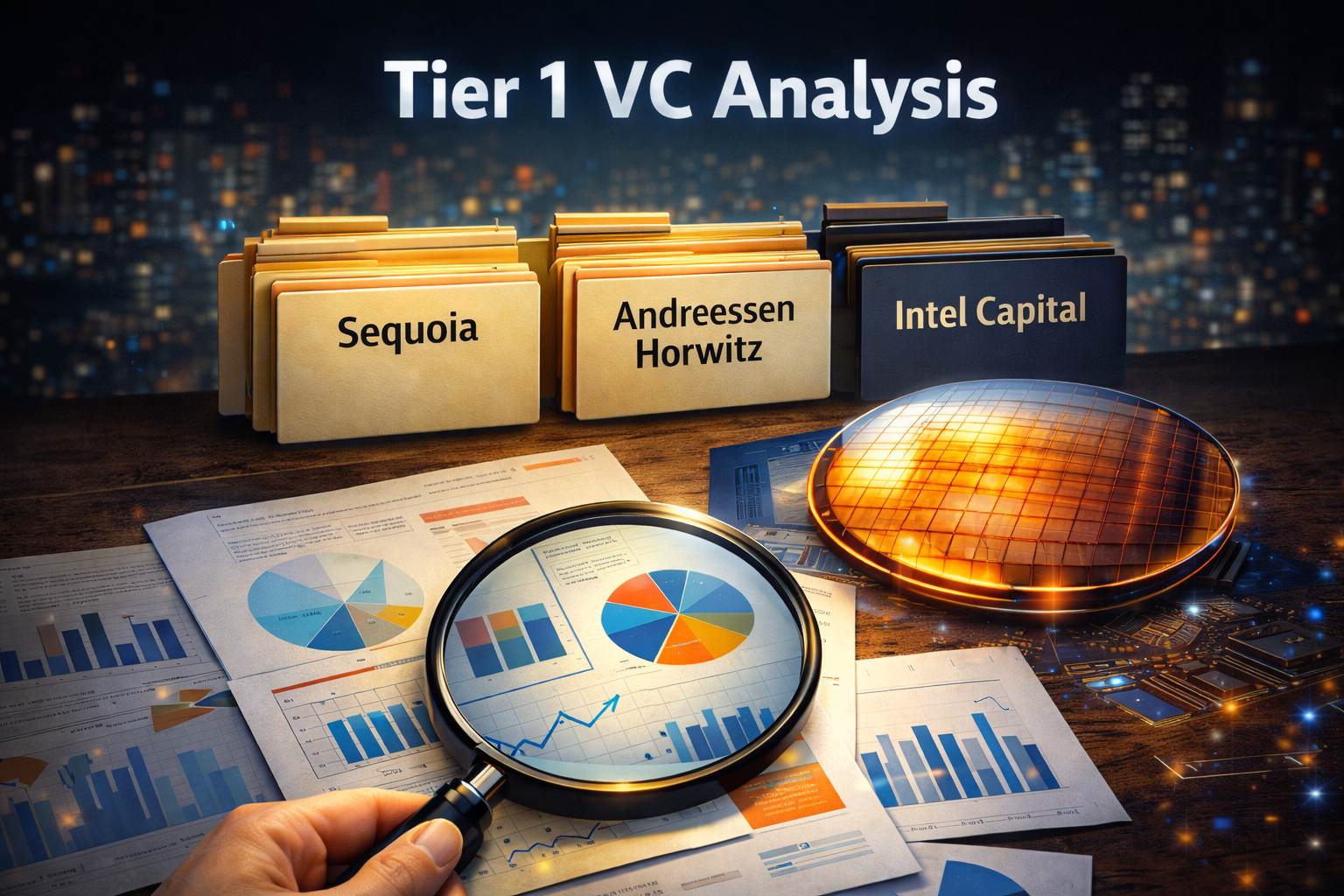
その後CVCに移って、Tier1 VCがどこに賭けているかを観察するようになって気づいたのは、「彼らはチップを買っているのではなく、AIの制約を買っている」ということでした。今回の連載①では、その視点で5つのTier1 VC(Sequoia、a16z、Kleiner Perkins、Bessemer、SoftBank)の動きを整理します。技術領域別の深掘りは連載②に続きます。
最初に、市場の現在地をフラットに置いておきます。
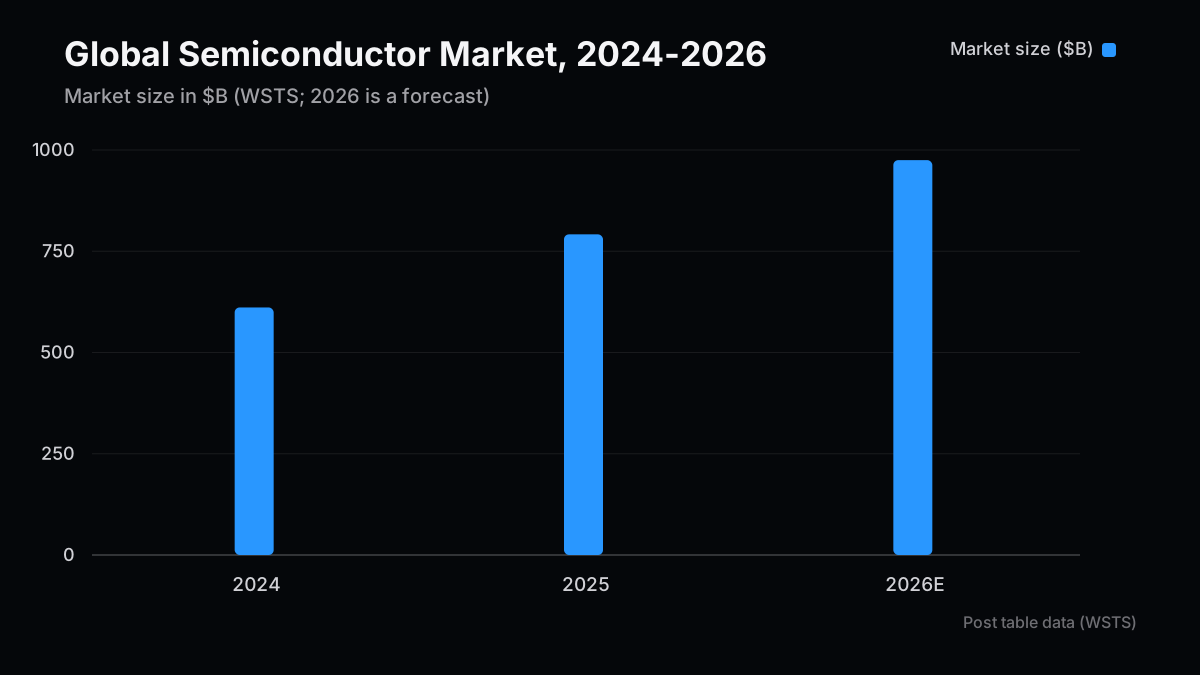
2025年、世界半導体市場は過去最高となる$791.7B(WSTS)に達しました。2026年には$975Bへの拡大が見込まれ、AIインフラへの投資が市場全体を牽引しています。同時に、300mmファブ装置の支出は2026年に$133B、2027年には$151Bに達するとSEMIは予測。
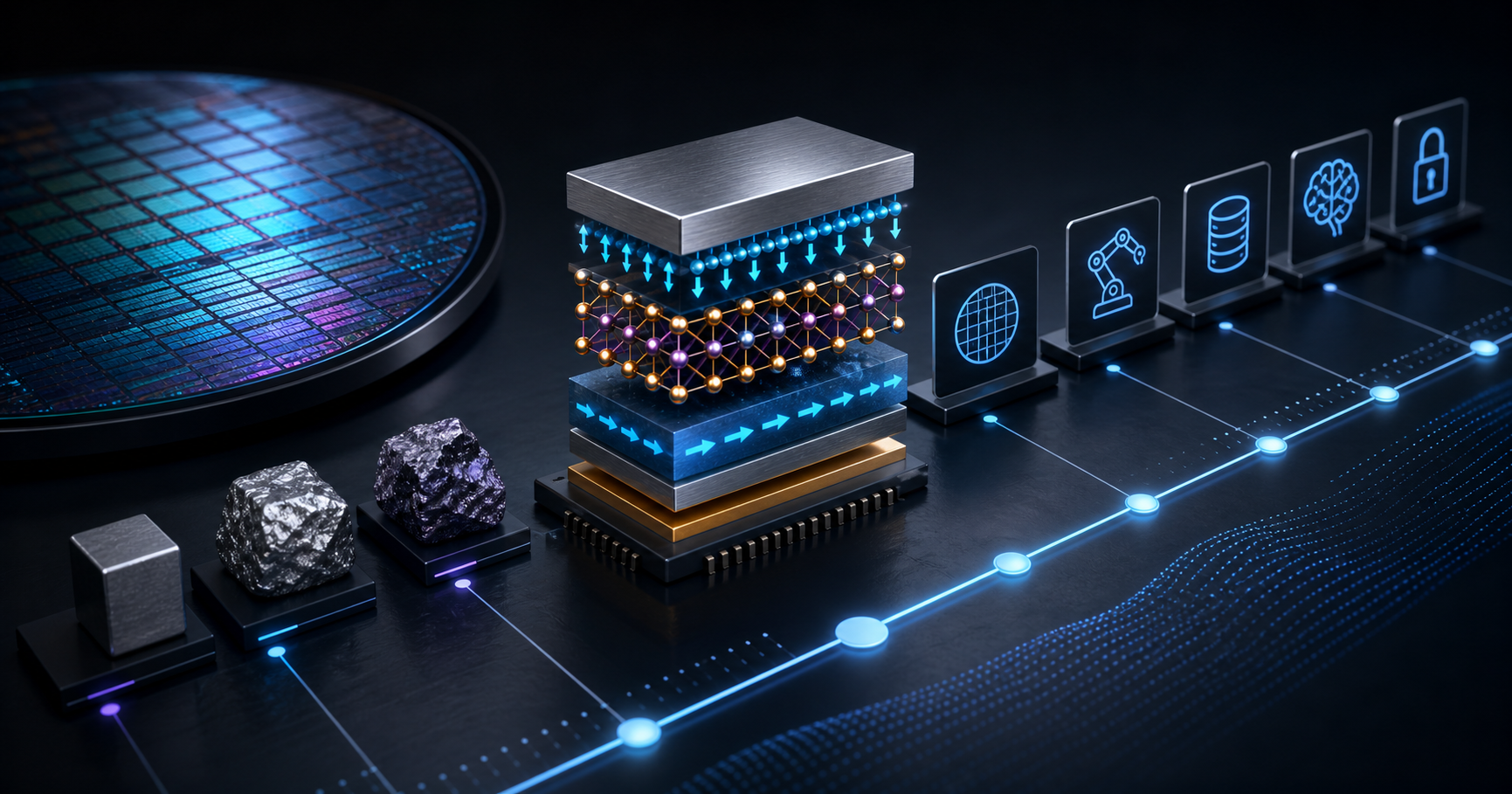
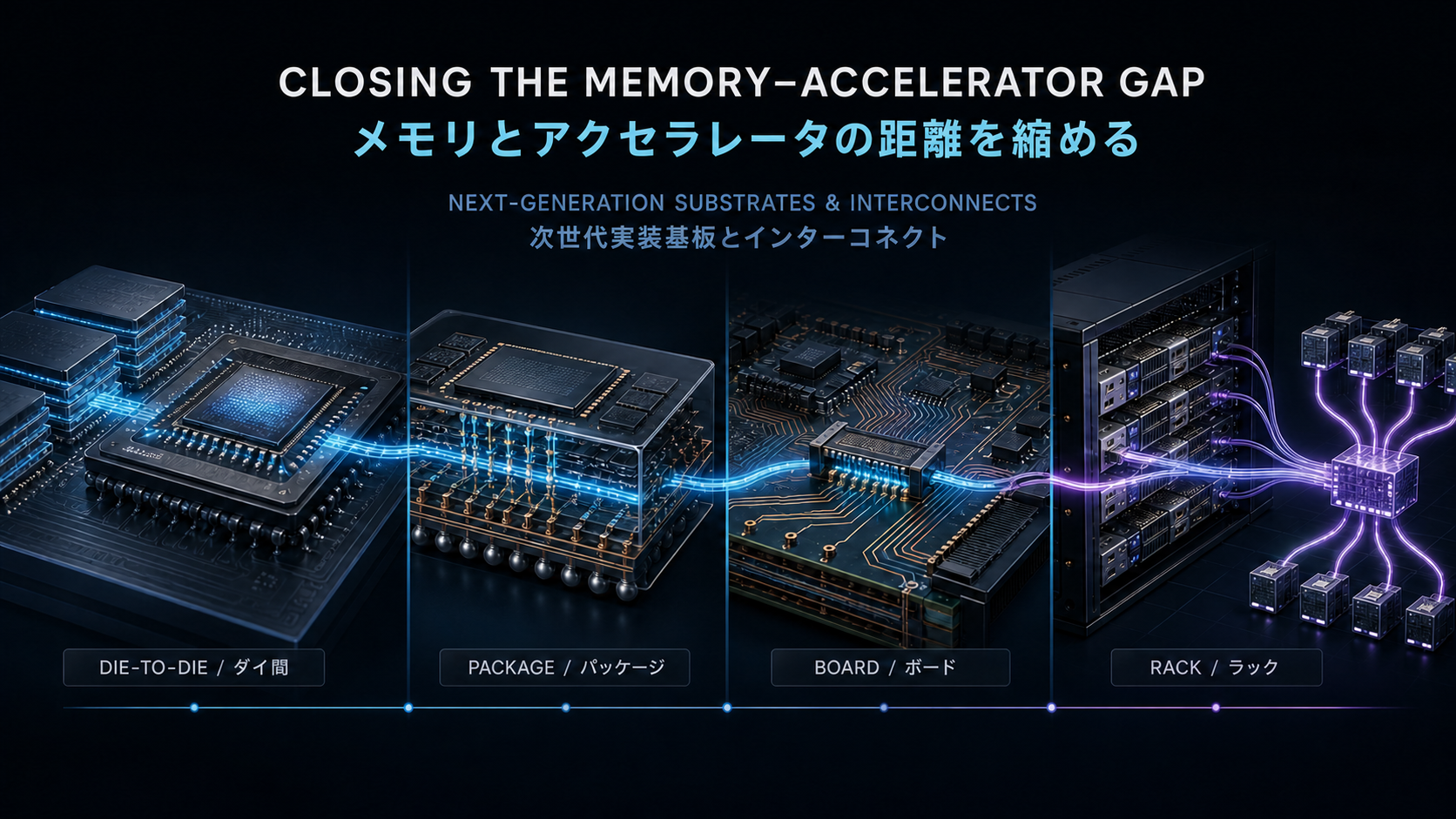
数字だけ見れば「半導体ブーム」に見えるが、Tier1 VCが実際に賭けているのはチップそのものではない。計算能力の向上が生み出す「ボトルネック」——設計スループット、データ移動(インターコネクト)、パッケージング、そして次世代の計算原理——こそが、トップVCの投資が集まる場所です。
- 成長ドライバーはAIインフラ。 市場規模の拡大と装置投資の増加は「供給制約が緩む」より「投資負荷が続く」シグナルに近い。スタートアップ側からすれば、量産・テスト能力の確保が評価の分岐点になります。
- VCの差分は「ステージの取り方」と「提携構造」。 巨大シードでアーキテクチャ賭けに出る(a16z)、設計自動化で開発リードタイム短縮(Sequoia/Bessemer)、M&Aで垂直統合(SoftBank)——資本政策が根本的に異なります。
- 地理は依然米国中心。 だが、インドのRISC-V/IP、欧州のAIアクセラレータ/フォトニクス、イスラエルのAIチップなど、サプライチェーン分散に沿った投資が可視化されています。
| 年 | 市場規模 | 前年比 | 主な成長領域 |
|---|
| 2024 | $611.2B | — | メモリ回復、ロジック |
| 2025 | $791.7B | +29.4% | AIデータセンター、HBM |
| 2026(予測) | $975.0B | +23.2% | AIインフラ継続拡大 |
装置投資(300mmファブ・SEMI予測):
| 年 | 装置支出 | 背景 |
|---|
| 2025 | 〜$120B | AI需要立ち上がり |
| 2026 | $133B | AI需要×各国供給網再編 |
| 2027 | $151B | 供給投資の継続 |
この拡大は「半導体全体が儲かる」ではなく、Memory/Logicなど特定カテゴリに偏りやすい。EDA・テスト・パッケージングといった周辺領域は、ボトルネックとして間接的に恩恵を受ける構造です。
私が現場でDFM導入をやった経験から言うと、装置投資のピーク期ほど、製造プロセス側の「目に見えない歩留まり改善余地」が利益の質を決める——というのは普遍的な構造で、今回もEDA/検査/DFM周辺はインベスタブルだと感じています。
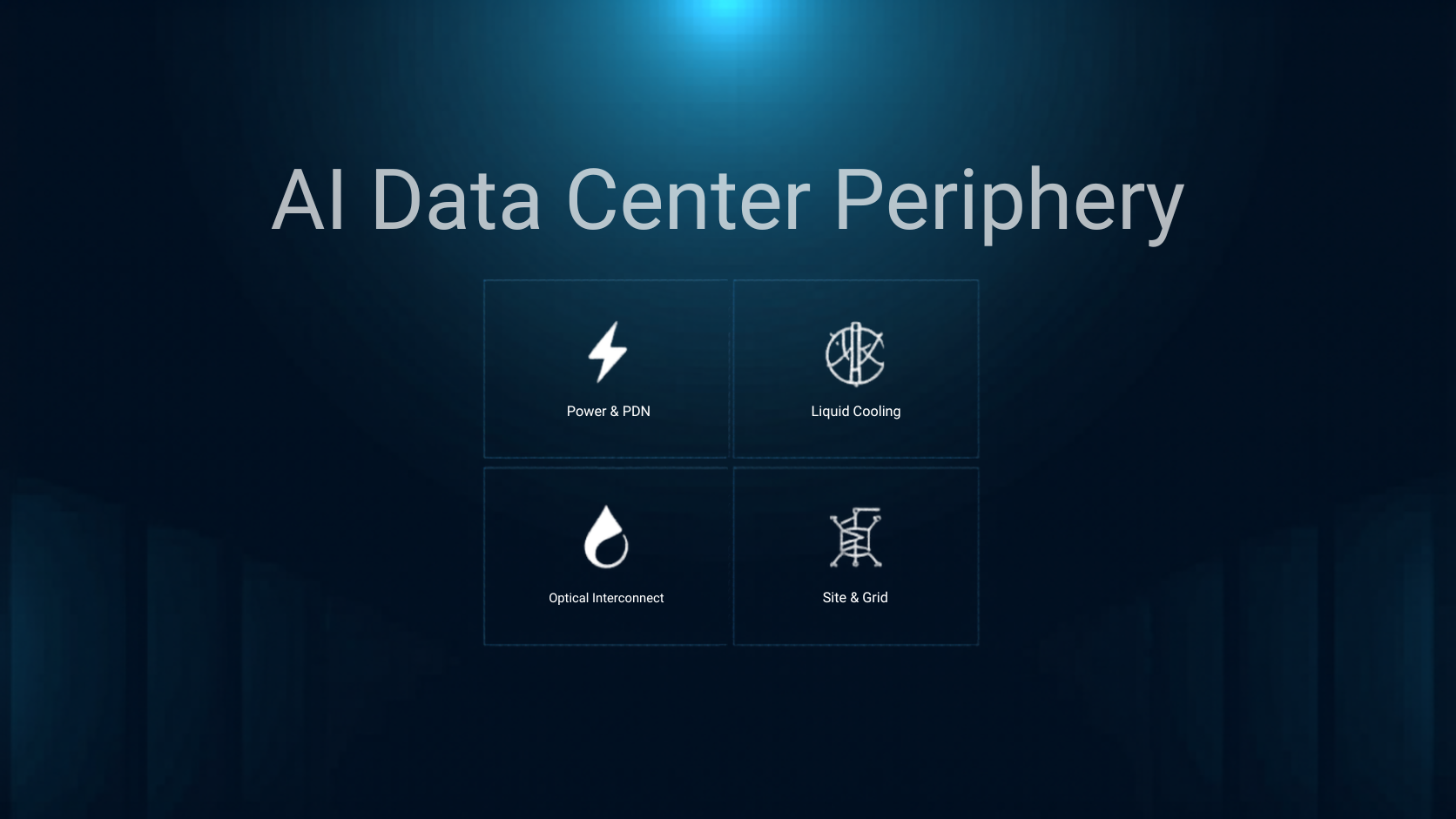
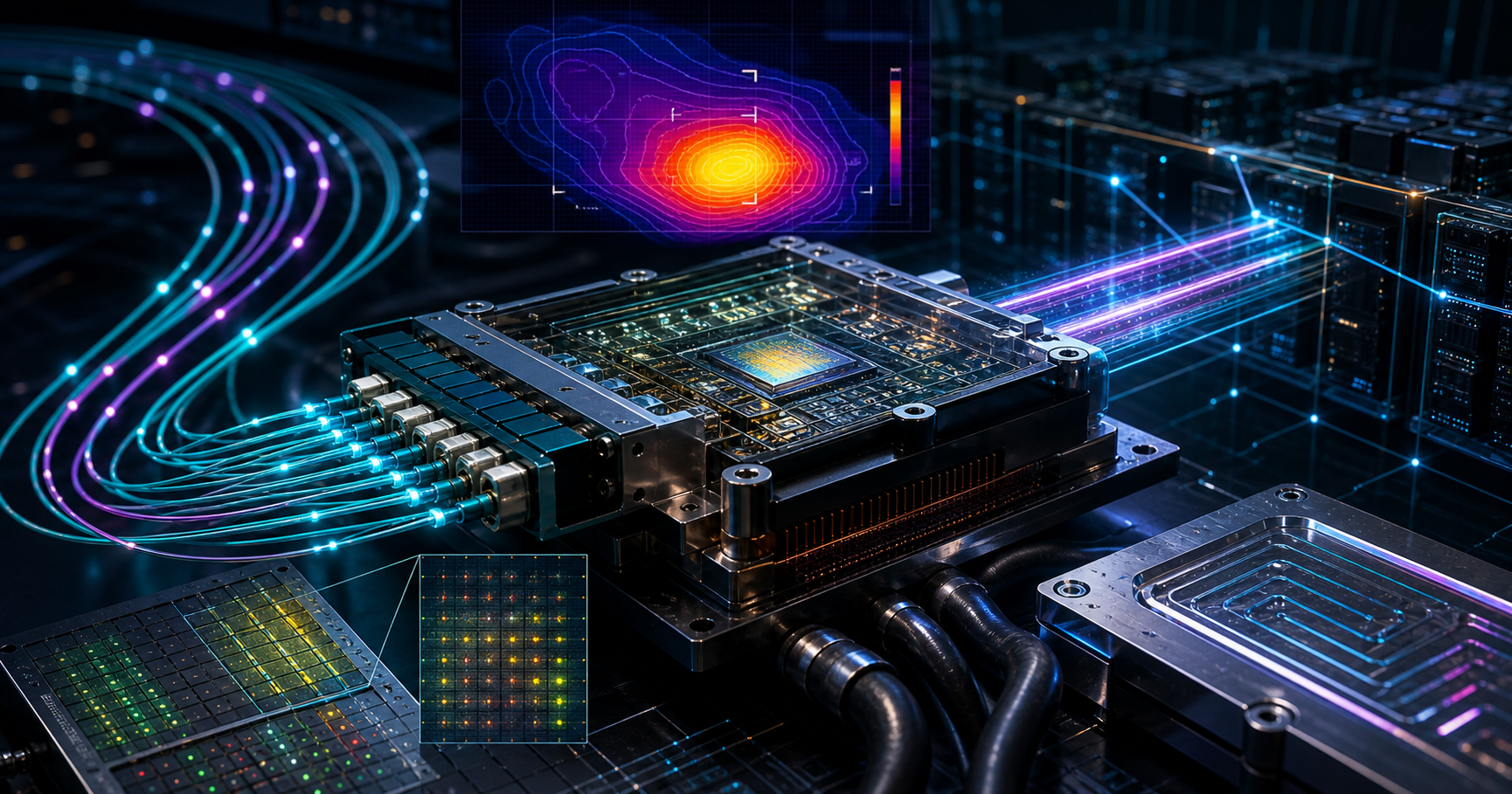
GPUやアクセラレータの演算能力が伸び続けるほど、「その周辺」が限界要因になります。
AIインフラ需要の増加
        │
        ▼ ボトルネックの再定義
┌───────────┬─────────────┬──────────────┬────────────┐
│ 設計生産性 │ データ移動   │ パッケージング │ 新計算原理─ │
│ EDA/検証  │SerDes/光I/O │ CPO/Chiplet  │アナログ/量子─│
└────┬─────┴─────┬───────┴───────┬──────┴─────┬───────┘
     ↓           ↓               ↓            ↓
 シード〜A     Series B〜E     レイト          長期
 ソフト比率高  顧客/製造連携    資本集約     技術/標準不確実
VCはこの4つの「制約領域」にリスク分散しながらポジションを取っています。
| VC | 重点技術領域 | ステージ傾向 | 地理 | 提携・LP構造 |
|---|
| Sequoia | 設計AI(EDA/検証)、RISC-V/IP、CPO | Seed〜Growth | 米国・インド | 設計AI領域に公式コミット。関連ビークルがCPOに参加 |
| a16z | 新計算(アナログ/混載)、AIネットワーク | 巨大Seed+大型B | 米国 | Strategic Partnershipを明示、GTM設計が特徴 |
| Kleiner Perkins | RISC-V/IP、コヒレントDSP | Early〜Series D | 米国 | TSMC支援ファンド報道など「供給側との接続」示唆 |
| Bessemer | SerDes/IP、量子、EDA自動化 | Series C中心+アーリー | 米国・欧州・イスラエル | AIチップ/量子/EDAで「深技術の商用化」 |
| SoftBank | AIチップ/CPU/DPU、垂直統合 | Growth〜M&A | 米国・英国 | Arm核のAI Computing Segment。LPに戦略資本(Apple等) |
Sequoiaは「AIが高性能化するほど、チップ設計のスループットがボトルネックになる」という仮説を前面に出します。
代表案件:
- Ricursive Intelligence($35M、2025年シード、リード):AIによるチップ設計加速。Sequoiaが初回ラウンドをリードした象徴的案件。
- InCore Semiconductors($3M、2023年シード):インドのRISC-V IP。
- Mindgrove Technologies(約$2.3M、2023年シード):インドSoCスタートアップ。
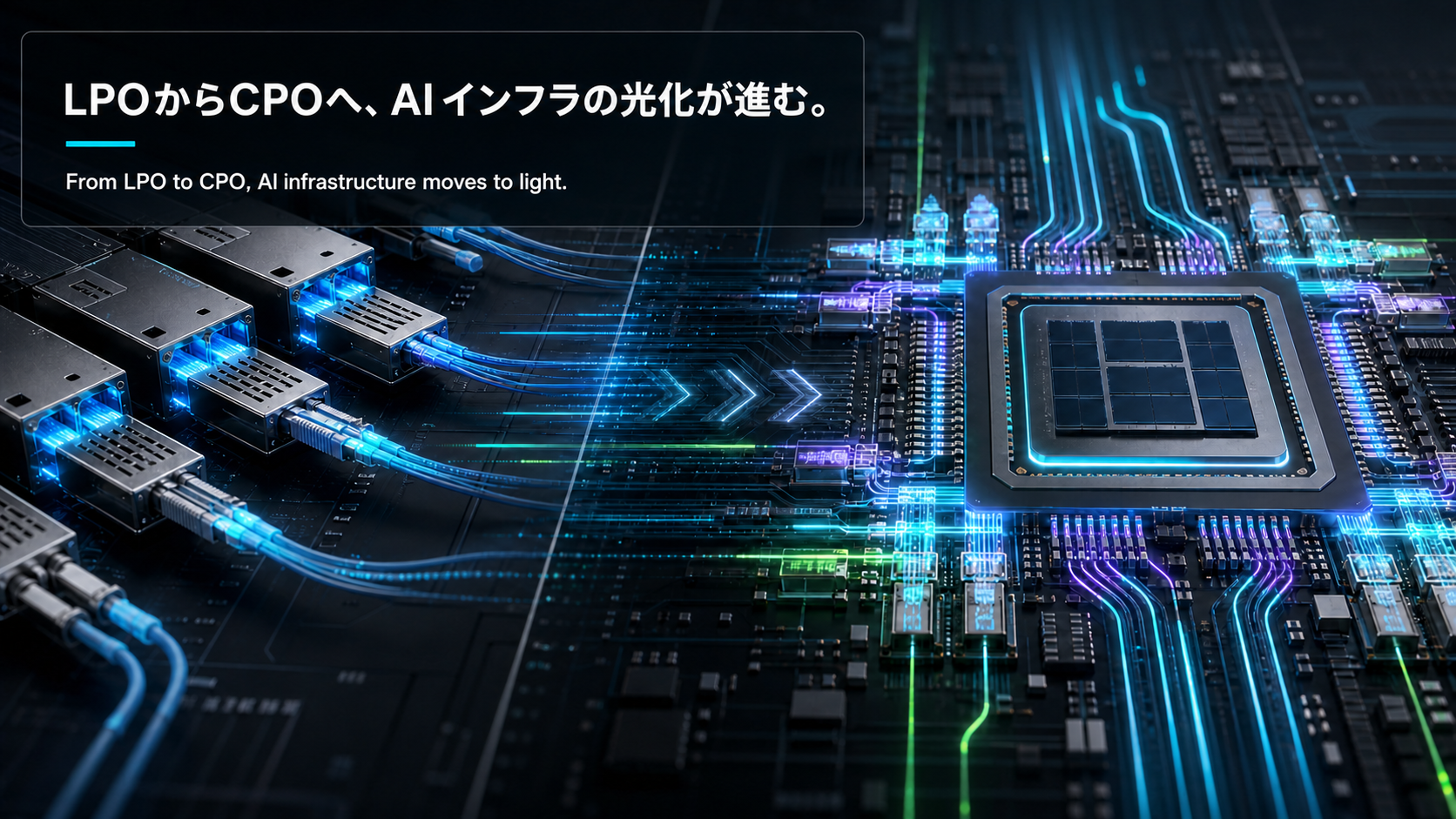
- Ayar Labs($500M、2026年Series E、関連ビークル参加):Co-Packaged Optics(CPO)。NVIDIA・AMD等の戦略投資家と共に参加。評価額$3.75B。
読み解き:シード段階で「設計の生産性」を押さえつつ、大型レイトでは「次のデータ移動(光I/O)」にも資本を延ばす。設計から運用ボトルネックまでを連結する投資設計になっている、という構造です。
a16zは「計算原理を変えるような勝ち筋に、研究開発段階から大口でアンダーライトする」のが特徴です。
代表案件:
- Unconventional AI($475M、2025年シード、共同リード):アナログ/ミックスドシグナルで確率的計算に最適化。
- Nexthop AI($500M、2026年Series B):AIクラスタ向けイーサネットスイッチ。
読み解き:同じAIインフラ投資でも、a16zは「カテゴリを再定義できる」と判断したらシード段階から数百億円を投下する。Strategic Partnerships(顧客・公共・大企業への導入経路の制度化)を明示している点も特徴で、資本だけでなくGTMを設計する色が濃い。
Kleiner PerkinsはAIインフラの水平方向——IP(RISC-V)とデータセンターの光/インターコネクト——に選球眼が集まっています。
代表案件:
- Akeana(累計$100M超、2024年ステルス解除):RISC-V CPU/IPポートフォリオ。
- Retym($75M、2025年Series D):クラウド/AI向けコヒレントDSP。
読み解き:ハイパースケーラーを顧客とする領域で「設計の差別化(IP/DSP)」を取りにいく投資スタイル。TSMC支援ファンドの立ち上げ報道は、「資金×ファブ供給(エコシステム)」の結びつきが強まる流れを示唆します。
BessemerはSerDes/IP、量子、EDA自動化という一見バラバラな領域を、「深い技術負債と長いR&Dサイクルを伴うが、当たれば大きい」という共通軸で捉えています。
代表案件:
- ChipAgents($21M、2025年Series A、リード):設計・検証のAIエージェント化。
- Kandou($92.3M、2020年Series C、リード):SerDes/IPとリタイマー。
- Rigetti Computing($79M、2020年Series C、リード):量子ハードウェア。
- Habana Labs($75M Series Bに参加、2018年、Intelが2019年に約$2B で買収):AIチップ。
読み解き:イスラエルネットワーク(Habana Labs)、スイス(Kandou)など、地域性も活用しながら「深技術×商用化の道筋」が立つ案件を選ぶ。
SoftBankは他のTier1 VCと決定的に異なります。ファンド投資だけでなく、買収を含む「垂直統合(Arm×周辺シリコン)」へ踏み込む。
代表案件:
- Fungible($200M、2019年Series C、SVFリード):DPU。後にMicrosoft傘下へ。
- Graphcore(2024年買収、金額非開示):英国AIチップ。
- Ampere Computing($6.5B買収、2025年発表):ArmベースのクラウドサーバーCPU。
AI Computing SegmentとしてArm・Ampere・Graphcoreを同一セグメントで運営し、半導体事業を中核に据える姿勢を公式に明確化しています。読み解き:これはVCというより「戦略金融×事業会社」の設計に近い。リスクテイクの桁も期間も通常のVCファンドとは異なります。
| 年 | VC | 投資先 | ラウンド | 金額($M) | 技術領域 |
|---|
| 2018 | Bessemer | Habana Labs | Series B(参加) | 75 | AIアクセラレータ |
| 2019 | SoftBank | Fungible | Series C | 200 | DPU |
| 2020 | Bessemer | Kandou | Series C | 92.3 | SerDes/IP |
| 2020 | Bessemer | Rigetti | Series C | 79 | 量子 |
| 2023 | Sequoia | InCore Semiconductors | Seed | 3 | RISC-V IP |
| 2023 | Sequoia | Mindgrove Technologies | Seed | 2.3 | SoC |
| 2024 | Sequoia | Quantum Circuits | Series B | >60 | 量子 |
| 2024 | Kleiner Perkins | Akeana | 累計 | >100 | RISC-V IP |
| 2024 | SoftBank Group | Graphcore | M&A | 非開示 | AIチップ |
| 2025 | Sequoia | Ricursive Intelligence | Seed | 35 | 設計AI/EDA |
| 2025 | a16z | Unconventional AI | Seed | 475 | アナログ新計算 |
| 2025 | Bessemer | ChipAgents | Series A | 21 | EDA自動化 |
| 2025 | Kleiner Perkins | Retym | Series D | 75 | コヒレントDSP |
| 2025 | SoftBank Group | Ampere Computing | M&A | 6,500 | Arm CPU |
| 2026 | Sequoia(関連) | Ayar Labs | Series E | 500 | CPO/光I/O |
| 2026 | a16z | Nexthop AI | Series B | 500 | AIスイッチ |
ここからが投資家の出口側の話です。
| シナリオ | 確率 | AI需要の方向 | ボトルネック | 推奨アロケーション |
|---|
| ベース:継続的拡張 | 50% | +25%/年 | 設計・データ移動が交互に律速 | EDA/設計AI+光インターコネクト=コア配分 |
| メイン:加速 | 30% | +35%/年 | パッケージング・電力が新ボトル | CPO/Chiplet/電力半導体に追加配分 |
| テール:減速 | 20% | +10%/年 | キャパ過剰感→価格圧力 | 装置・材料サイクル銘柄を削減、IP/EDAに退避 |
CVCで日本の半導体エコシステムも見てきた経験から言うと、日本からこの波に乗るとしたら、製造装置・材料・テスト(国内に強いプレイヤー)と、設計IP・EDA自動化(ソフト寄りで参入障壁が低い)の2つの切り口が現実的です。私が現場で最も強く感じてきたのは、プロセス・装置データのエコシステムは外から作るのは難しいということで、ここは日本勢が固有の優位を持っている領域でもあります。
私の足元のスタンスを一言で言うと、「半導体投資は『チップを買う』のではなく『AIの制約を買う』」です。
GPU性能が指数関数的に伸び続けるなら、設計・接続・実装・供給の各レイヤーが次々とボトルネックに変わっていく——これは私が現場で「装置投資が回るほど、歩留まりとプロセスデータが利益を決める」と学んだ感覚と同じ構造です。
次回(連載②)では、各技術領域の具体的な投資ロジックとケーススタディを深掘りします。
- 案1:数字で追う続編 — 本記事の前提を最新データで更新し、何が強まり、何が崩れたかを再点検する。
- 案2:実務テンプレート編 — 読者が自分の投資判断、制作単価、または開発運用に転用できるチェックリストへ落とし込む。
- 案3:反対シナリオの検証 — 今回の見立てが外れる条件を先に定義し、次に見るべき指標と時間軸を整理する。
本文の事実関係と数値前提は、再審査時にも読者が確認できる一次情報・公的資料を優先して見直しています。
本記事は情報提供を目的としたものであり、特定の銘柄、サービス、契約条件の推奨や投資助言ではありません。執筆者は記事内で触れた銘柄やサービスにポジションまたは利害関係を持つ可能性があります。調査、翻訳、校正の一部に生成AIを利用していますが、最終的な内容はZYL0が確認しています。詳細は免責事項をご確認ください。
Semiconductor VC Series ①: Converging on AI Bottlenecks
I came up through semiconductor process development. Semiconductors aren't an abstract investment category for me — they're an operational reality I've worked with.
When I moved to corporate VC and watched how Tier-1 VCs allocated capital, the pattern that jumped out was that they aren't buying chips — they're buying AI's constraints. This is Part 1 of a three-part series on what that thesis looks like across Sequoia, a16z, Kleiner Perkins, Bessemer, and SoftBank.
Let me put the picture down flat first.
In 2025 the global semiconductor market hit an all-time high of $791.7B (WSTS), with consensus pointing to $975B in 2026 as AI infrastructure pulls the whole stack. SEMI projects 300mm fab equipment spending of $133B in 2026 and $151B in 2027.
Read the surface and it looks like a chip boom. Read the VC books and it's something different: the bottlenecks — design throughput, data movement, packaging, and new computing paradigms — are where Tier-1 capital is concentrated.
- AI infrastructure is the growth driver. The rise in market size and equipment investment signals sustained capital intensity, not easing supply constraints. For startups, securing production and testing capability is increasingly the key evaluation criterion.
- VC differentiation is in stage selection and partnership structure. Mega-seed architectural bets (a16z), design productivity (Sequoia/Bessemer), or M&A-driven vertical integration (SoftBank) — fundamentally different capital strategies.
- Geography stays U.S.-centric but diversifies. India (RISC-V/IP), Europe (AI accelerators / photonics), and Israel (AI chips) are visible as supply-chain diversification plays.
| Year | Market size | YoY | Key drivers |
|---|
| 2024 | $611.2B | — | Memory recovery, logic |
| 2025 | $791.7B | +29.4% | AI data centers, HBM |
| 2026 (est.) | $975.0B | +23.2% | Continued AI infrastructure |
300mm equipment spending (SEMI):
| Year | Equipment spend | Context |
|---|
| 2025 | ~$120B | AI ramp |
| 2026 | $133B | AI demand + supply-chain reshaping |
| 2027 | $151B | Continued investment cycle |
Concentration is in Memory/Logic. Peripheral layers — EDA, test, packaging — benefit indirectly as bottlenecks rather than as direct growth plays.
From doing DFM rollout on the floor: the more capital flows into equipment, the more profit quality is decided by the invisible yield-improvement margin around process data. That's a universal pattern, and EDA / inspection / DFM-adjacent plays remain investable, in my view, through this cycle.
Growing AI Infrastructure Demand
        │
        ▼ Bottlenecks Redefined
┌───────────────┬───────────────────────────┬────────────────────────┬──────────────────────┐
│ Design Prod.  │        Data Movement      │       Packaging        │    New Computing     │
│ EDA/Verif.    │        SerDes/Optics      │       CPO/Chiplet      │    Analog/Quantum    │
└───────┬───────┴────────────┬──────────────┴─────────────┬──────────┴───────────┬──────────┘
       ↓                     ↓                            ↓                     ↓
 Seed→A: high           Series B→E                       Late                  Long
 software ratio  Customer/Manufacturing Connection  capital intensive     tech/standard risk
Tier-1 VCs spread risk across these four constraint layers and capture upside where bottlenecks repeatedly resurface.
| VC | Focus areas | Stage preference | Geography | Partnership / LP structure |
|---|
| Sequoia | Design AI (EDA/verification), RISC-V/IP, CPO | Seed → Growth | US, India | Public commitment to design AI; related vehicle in CPO |
| a16z | New compute (analog/mixed-signal), AI networking | Mega-seed + large Series B | US | Strategic Partnerships program for institutional GTM |
| Kleiner Perkins | RISC-V/IP, coherent DSP | Early → Series D | US | TSMC-backed fund reports → tightening supply-side ties |
| Bessemer | SerDes/IP, quantum, EDA automation | Series C core + early | US, Europe, Israel | Deep-tech commercialization across AI chips/quantum/EDA |
| SoftBank | AI chips/CPU/DPU, vertical integration | Growth → M&A | US, UK | Strategic LPs (Apple, etc.); Arm-centered AI Computing Segment |
Sequoia's thesis: as AI scales, chip design throughput becomes the bottleneck.
Selected deals:
- Ricursive Intelligence ($35M, 2025 Seed, lead) — AI-accelerated chip design.
- InCore Semiconductors ($3M, 2023 Seed) — India RISC-V IP.
- Mindgrove Technologies (~$2.3M, 2023 Seed) — India SoC.
- Ayar Labs ($500M, 2026 Series E, related vehicle) — Co-Packaged Optics. Co-investors include NVIDIA and AMD; valuation $3.75B.
Read: seed-stage focus on design productivity, late-stage extension into data movement (optical I/O) — wiring the design-to-operations bottleneck chain together.
a16z's signature move is massive seed checks on companies that could redefine entire compute categories.
- Unconventional AI ($475M, 2025 Seed, co-lead) — analog/mixed-signal optimized for probabilistic compute.
- Nexthop AI ($500M, 2026 Series B) — AI-cluster Ethernet switches; explicit thesis that the network is the new cluster bottleneck.
Read: where others spread early bets, a16z concentrates capital into paradigm-level bets at seed. The institutionalized Strategic Partnerships program (engineered GTM into government and enterprise) is a structural advantage that's hard to replicate.
Kleiner gravitates to horizontal infrastructure: IP (RISC-V) and datacenter optics/interconnect.
- Akeana (>$100M cumulative, 2024 stealth launch) — RISC-V CPU/IP portfolio.
- Retym ($75M, 2025 Series D) — cloud/AI-optimized coherent DSP.
Read: target companies that win through design differentiation (IP/DSP) where the customer base is hyperscalers. The reported TSMC-backed fund signals deepening supply-side integration.
Bessemer treats SerDes/IP, quantum, and EDA automation as a single portfolio unified by deep technical moats with credible commercialization paths.
- ChipAgents ($21M, 2025 Series A, lead) — agentic AI for chip design and verification.
- Kandou ($92.3M, 2020 Series C, lead) — SerDes/IP, retimers.
- Rigetti ($79M, 2020 Series C, lead) — quantum hardware + cloud.
- Habana Labs ($75M Series B participant, 2018; Intel ~$2B acquisition, 2019) — AI chips.
Read: deep European/Israeli networks let Bessemer source technically differentiated companies early. Pattern is consistent — deep tech, plausible deployment path.
Categorically different from the others. Not just investing in chip startups but assembling an integrated AI computing segment via M&A.
- Fungible ($200M, 2019 Series C, SVF lead) — DPU; later acquired by Microsoft.
- Graphcore (M&A, 2024, undisclosed) — UK AI chip.
- Ampere Computing ($6.5B announced 2025) — Arm-based cloud server CPU.
Arm + Ampere + Graphcore now sit inside one publicly disclosed AI Computing Segment. Strategic LPs in Fund I (PIF, Mubadala, Apple, Foxconn, Qualcomm, Sharp) embed semiconductor strategy at the fund-capital level.
Read: this is closer to strategic finance + operating company than traditional VC. Risk and time horizon are categorically different.
| Year | VC | Portfolio | Round | Amount ($M) | Domain |
|---|
| 2018 | Bessemer | Habana Labs | Series B (participant) | 75 | AI accelerator |
| 2019 | SoftBank | Fungible | Series C | 200 | DPU |
| 2020 | Bessemer | Kandou | Series C | 92.3 | SerDes/IP |
| 2020 | Bessemer | Rigetti | Series C | 79 | Quantum |
| 2023 | Sequoia | InCore Semiconductors | Seed | 3 | RISC-V IP |
| 2023 | Sequoia | Mindgrove | Seed | 2.3 | SoC |
| 2024 | Sequoia | Quantum Circuits | Series B | >60 | Quantum |
| 2024 | Kleiner Perkins | Akeana | Cumulative | >100 | RISC-V IP |
| 2024 | SoftBank Group | Graphcore | M&A | undisclosed | AI chip |
| 2025 | Sequoia | Ricursive Intelligence | Seed | 35 | Design AI/EDA |
| 2025 | a16z | Unconventional AI | Seed | 475 | Analog new compute |
| 2025 | Bessemer | ChipAgents | Series A | 21 | EDA automation |
| 2025 | Kleiner Perkins | Retym | Series D | 75 | Coherent DSP |
| 2025 | SoftBank Group | Ampere Computing | M&A | 6,500 | Arm CPU |
| 2026 | Sequoia (related) | Ayar Labs | Series E | 500 | CPO/Optical I/O |
| 2026 | a16z | Nexthop AI | Series B | 500 | AI switch |
| Scenario | Probability | AI demand path | Active bottleneck | Suggested allocation |
|---|
| Base — continued expansion | 50% | +25%/yr | Design + data movement alternate | EDA/design AI + optical interconnect = core |
| Main — acceleration | 30% | +35%/yr | Packaging + power emerge as new limits | Add CPO/Chiplet/power-semis |
| Tail — slowdown | 20% | +10%/yr | Capacity overhang, pricing pressure | Trim equipment/material cyclicals; rotate to IP/EDA |
From watching the Japanese semiconductor ecosystem from inside CVC, the realistic angles are: (1) manufacturing equipment, materials, and test — incumbents with global moats; (2) design IP and EDA automation — software-leaning, lower entry barriers. The thing I felt most strongly from the floor is that process/equipment data ecosystems are very hard to build from outside, and this is where Japan retains structural advantage.
In one line: semiconductor investing means buying AI's constraints, not its compute.
If GPU performance keeps scaling, design, interconnect, packaging, and supply chain rotate through the role of "current bottleneck." That mirrors a pattern I learned from process work: the more capital pours into equipment, the more profit quality gets decided by yield and process data downstream. The VC bets reflect that.
Part 2 goes deeper on each technology domain — investment logic, case studies, and what separates winners from losers per vertical.
- Idea 1: A data-updated follow-up — Revisit the thesis with fresh numbers and separate what strengthened from what broke.
- Idea 2: A practical template edition — Turn the article into a checklist readers can reuse for investing, pricing, or technical operations.
- Idea 3: The bear-case test — Define the conditions that would invalidate this view and map the indicators to watch next.
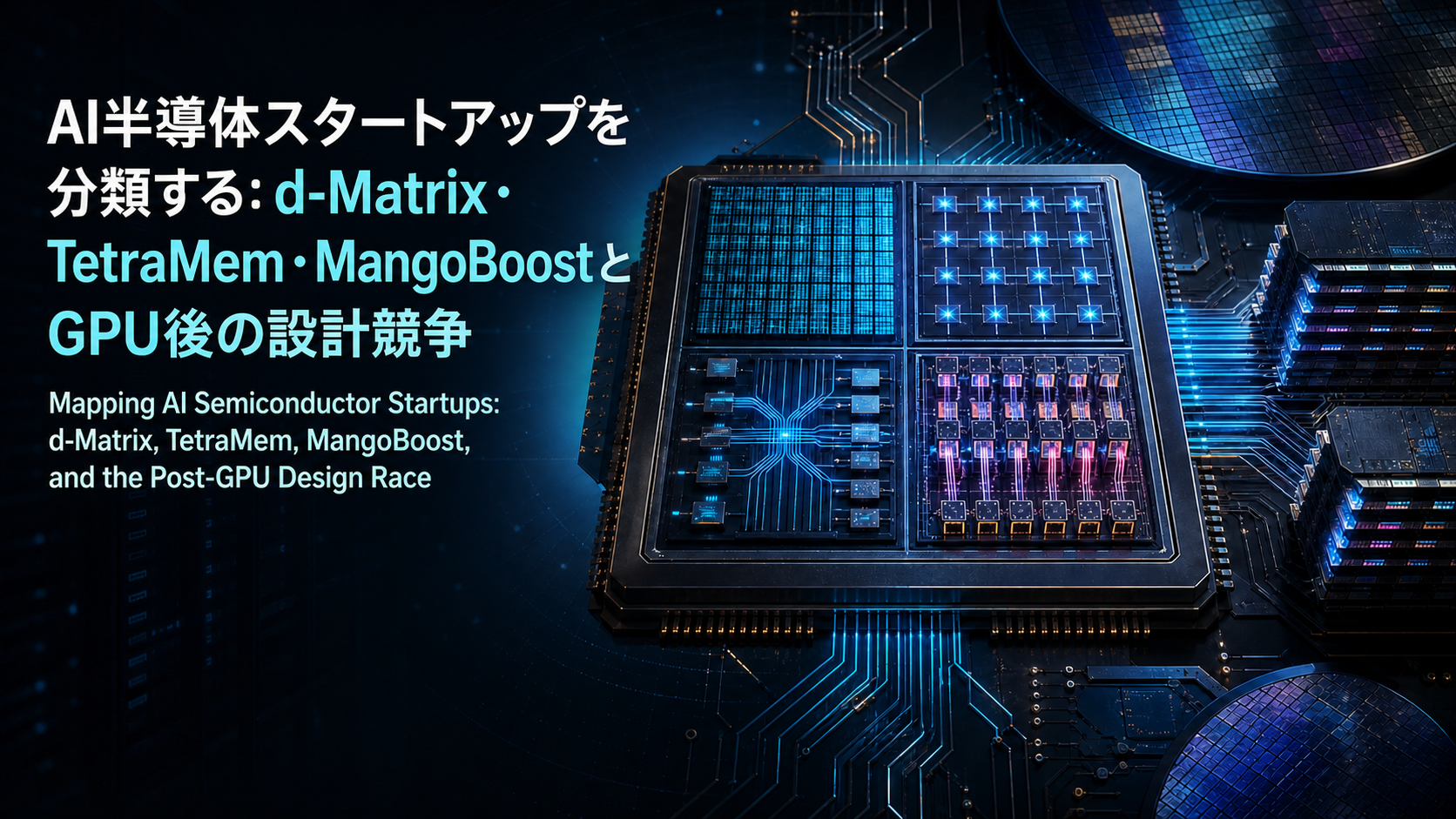
- Why Design, Data Movement & Packaging Attract VC Capital — Series② — As GPU performance scales, design, I/O, and packaging become the real AI bottleneck.
- Semiconductor VC Series③: Designing for Volatility — Why Tier-1 VCs decompose semiconductor investing into "design productivity, data movement, packaging, supply chain" ra…
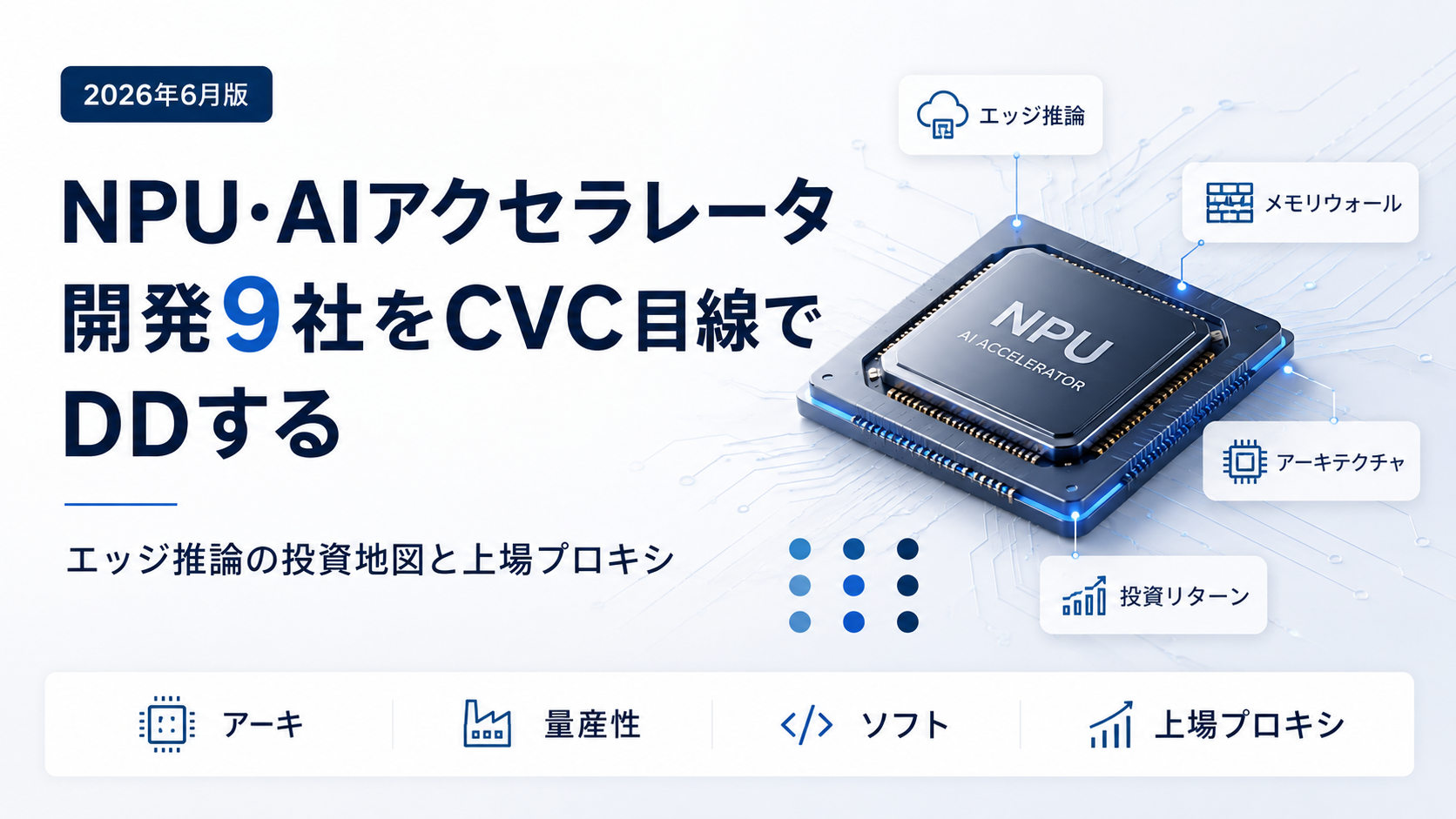
- Diligencing the 9 NPU / AI-Accelerator Developers as a CVC: An Edge-Inference Investment Map and Its Public Proxies — CVC diligence on nine NPU developers — the NVIDIA-Groq consolidation, memory-wall architecture splits, public proxies,…
The factual and numerical assumptions in this article are anchored to primary or public materials that readers can revisit during AdSense review and future updates.
This article is for informational purposes only and does not constitute investment advice or a recommendation of any specific stock, service, or contract structure. The author may hold positions or interests related to companies or services mentioned. Generative AI was used for parts of research, translation, and proofreading, with final review by ZYL0. See the disclaimer for details.