イラン戦争が呼び起こす石炭株の「逆回転」
私はCVCで海洋・LNG領域を担当しており、EU ETS・THETIS-MRVのフリートデータを独自分析して投資提案に落とし込んできた人間です。LNG船の用船料、欧州ガス貯蔵、アジアの石炭価格——この3つは普段から同じダッシュボードで眺めているのですが、2026年3月の動きはここ数年で最も「全部が同時に動いた」週でした。だからこそ、感情ではなく運賃と備蓄と契約の3点で、今回の石炭株「逆回転」を整理してみたいと思っています。
最初に、相場の前提になっている事実関係をフラットに置いておきます。
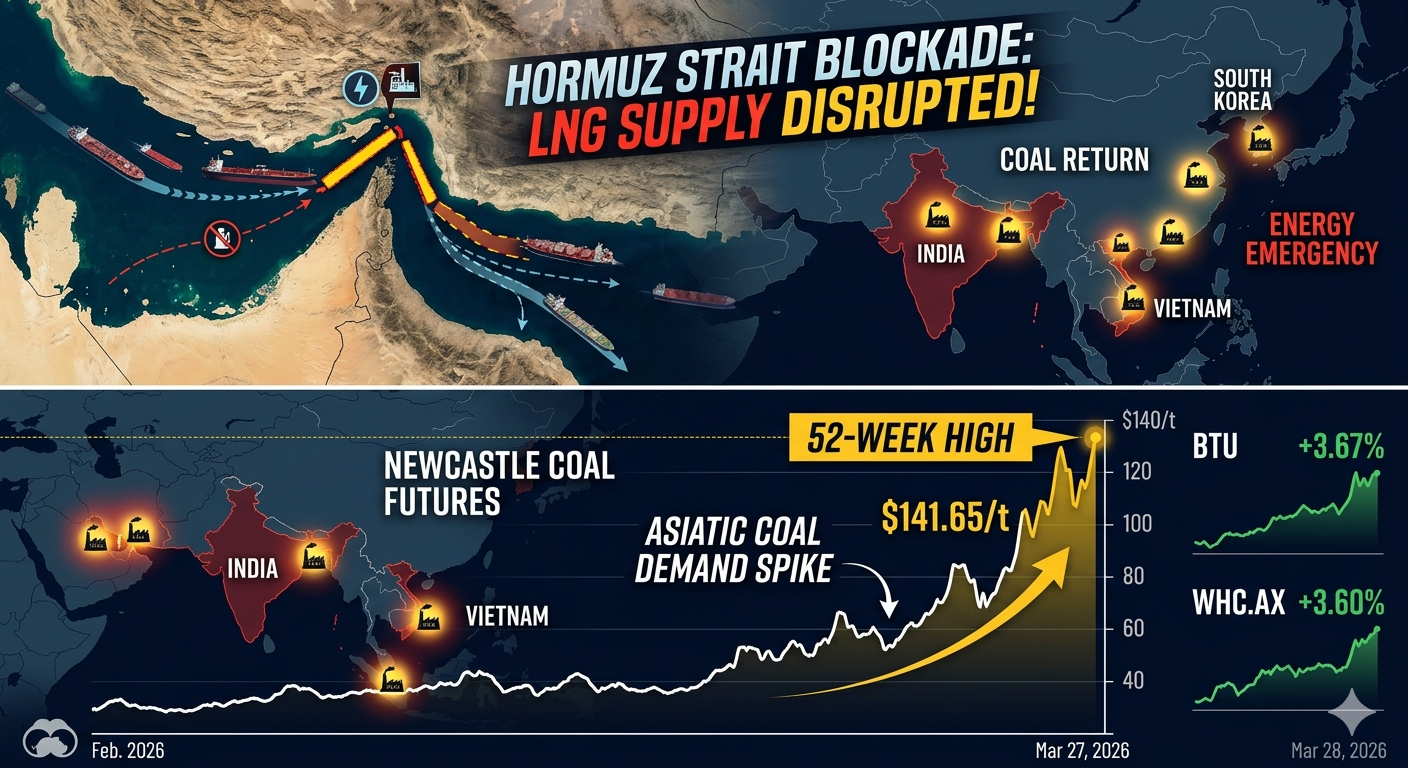
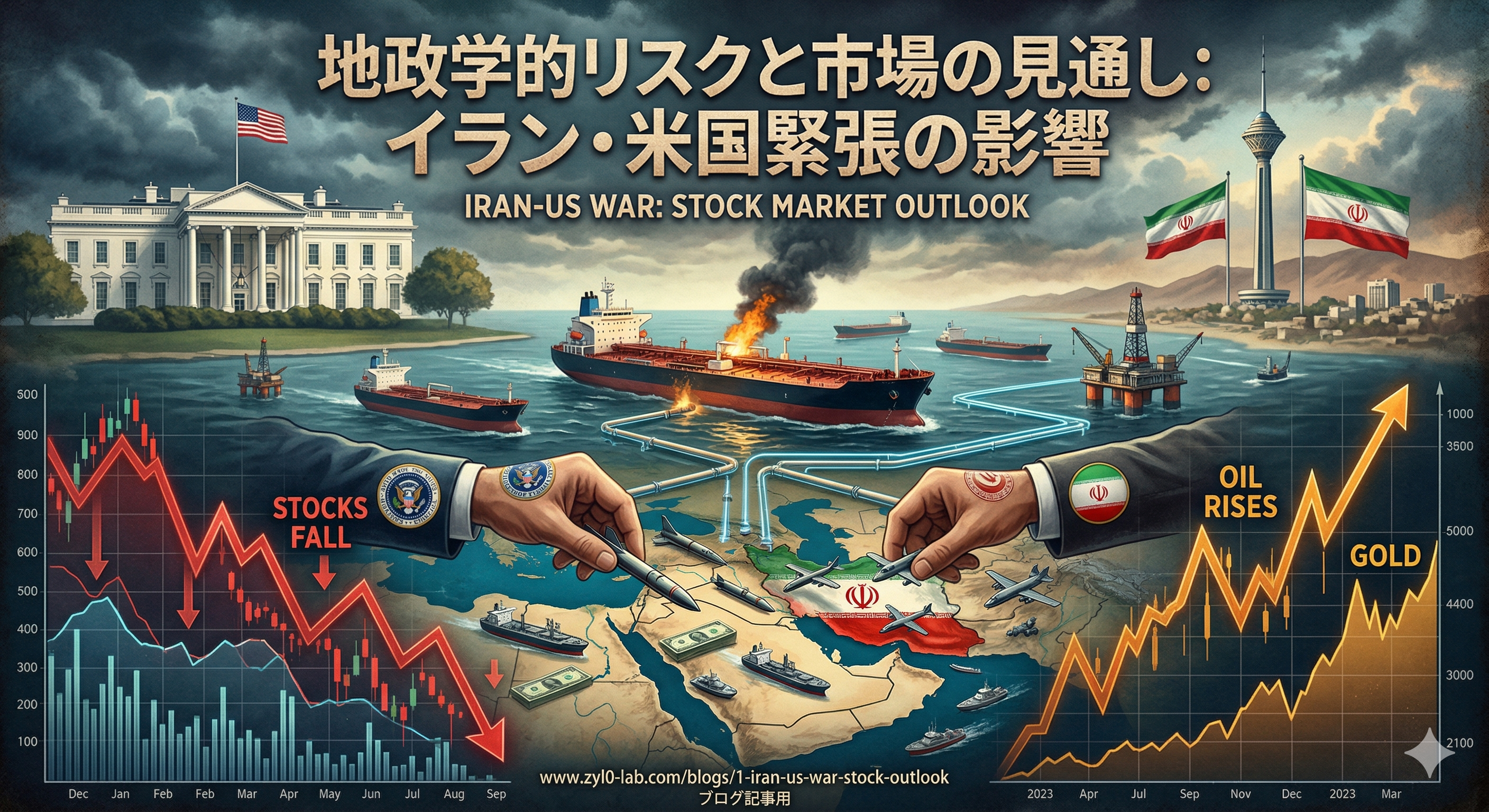
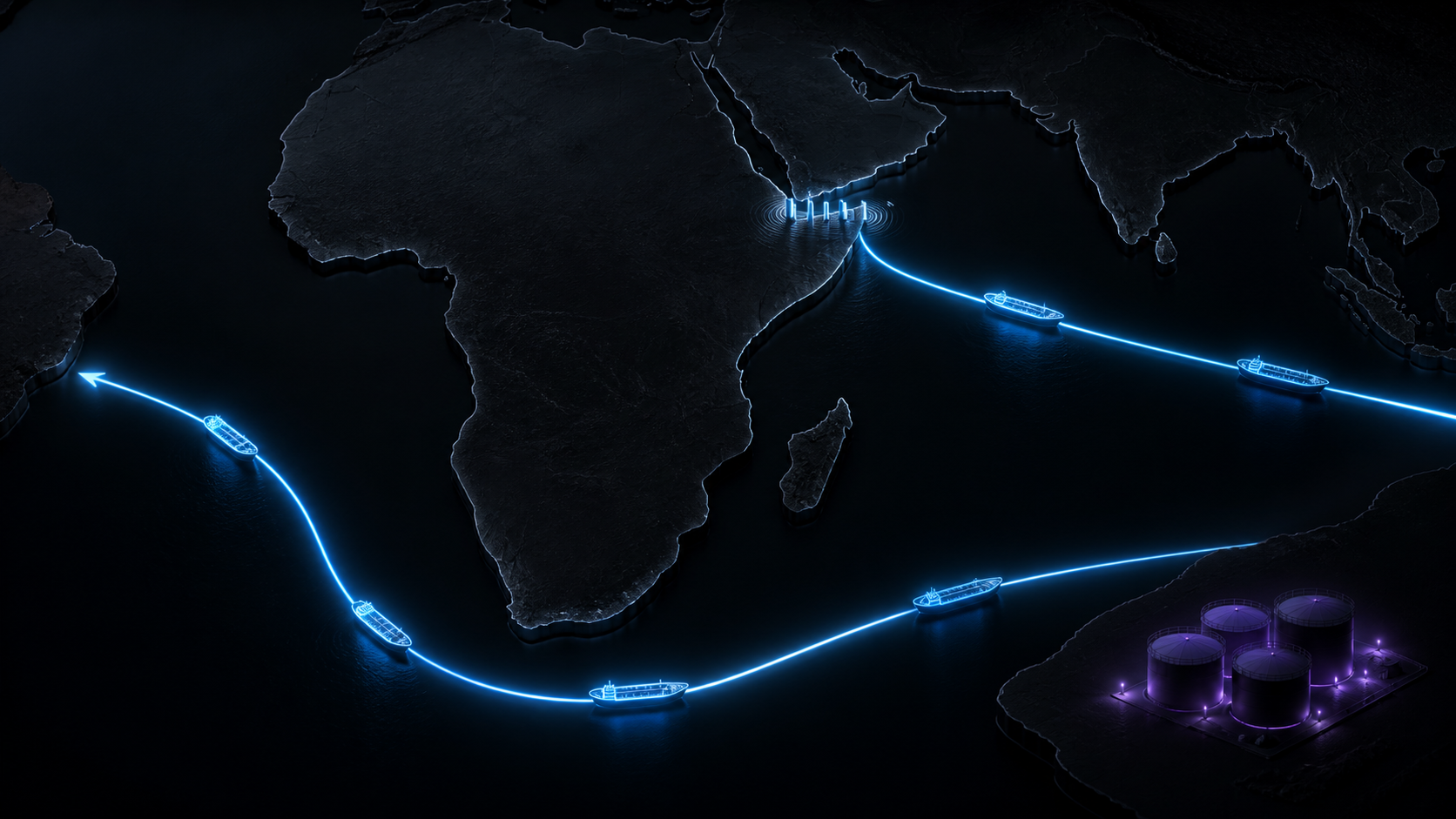
2026年2月28日、米国・イスラエル連合軍はイランに対する大規模空爆「Operation Epic Fury」を開始しました。最高指導者ハメネイ師を含む政権中枢が複数殺害され、イランは報復としてホルムズ海峡を事実上の封鎖状態に。3月2日以降、商業船舶の通航はほぼ停止し、約2,000隻・2万人の船員が海峡で足止めされています。
この海峡は、世界の石油輸送量の約20%(日量1,780万バレル)と、カタール・UAEからのLNG輸出(世界全体の約20%)が通過する地球規模のチョークポイント。IEAのビロル事務局長はこの事態を「史上最大のエネルギー安全保障上の危機」と表現していて、私の海洋データの感覚から言っても、これはレトリックではないと思います。
| 指標 | 開戦前(2/27) | 直近(3/28) | 変動率 |
|---|
| Brent原油 | $73/bbl | $112.57/bbl | +54% |
| WTI原油 | $68/bbl | $99.64/bbl | +47% |
| Newcastle石炭 | $116/t | $141.65/t | +22% |
| Dutch TTF ガス | ~€32/MWh | €60超/MWh | +88% |
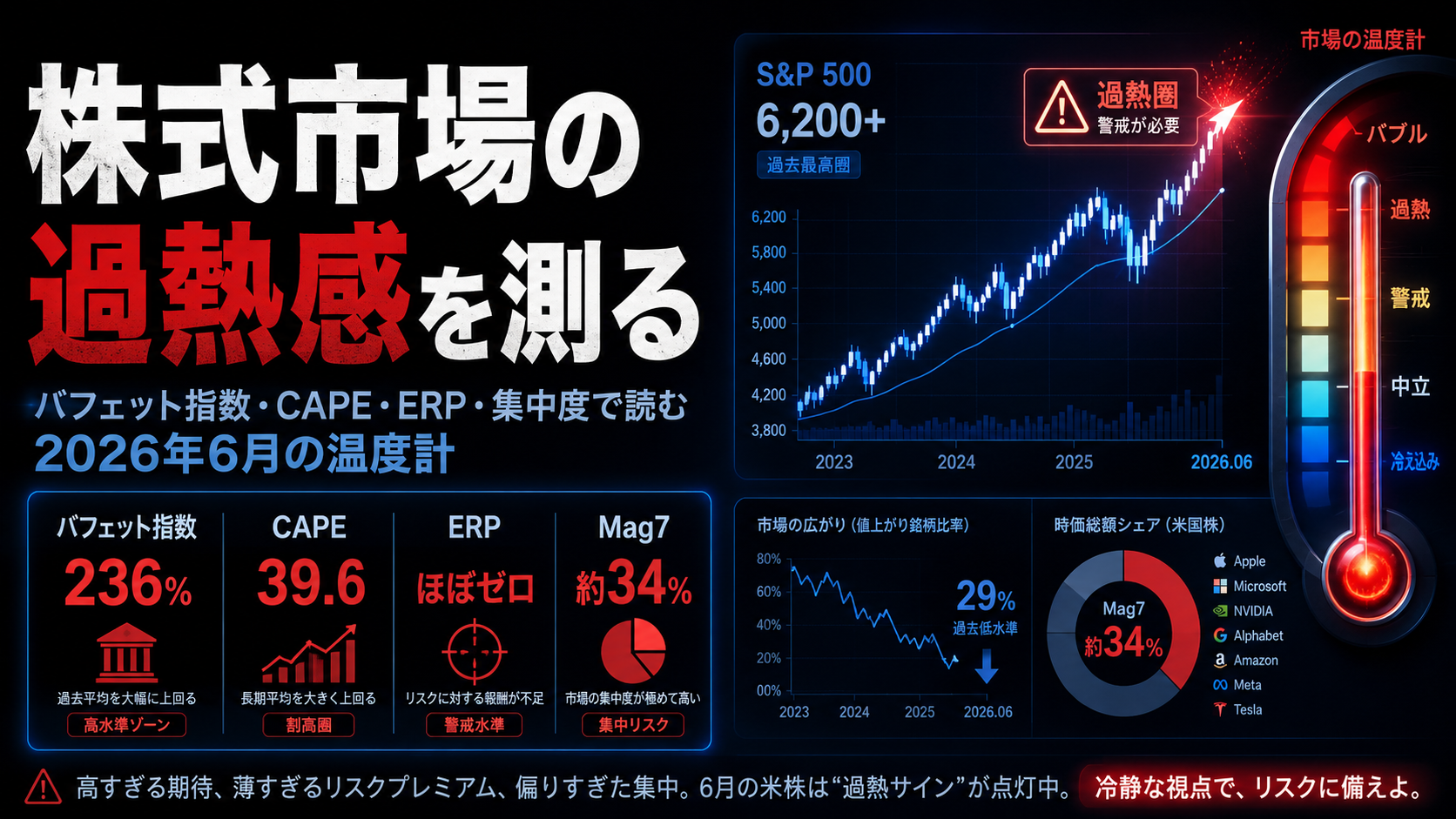
| S&P 500 | 高値圏 | 高値比▲7% | 調整局面 |
Brent原油は2月27日の$73水準から3月28日には$112.57まで急騰し、2022年7月以来の最高値を記録。Goldman Sachsは現在の価格に$14〜$18の地政学リスクプレミアムが乗っていると推定しています。3月2日にカタール防衛省がイランのドローンによるカタールのガス施設攻撃を発表し、QatarEnergyが全ガス生産を停止——Dutch TTFは€60/MWh超に跳ね上がりました。欧州のガス貯蔵は2026年2月末時点で460億立方メートルと、2025年の600bcm、2024年の770bcmを大幅に下回る歴史的低水準にあります。
ここは私が特に強調しておきたいポイントです。2022年のロシア・ウクライナ侵攻後のショックと表面的には似ていますが、構造はかなり違います。
2022年はロシアの輸出エネルギー全体の約5%が影響を受けたのに対し、ホルムズ海峡の閉鎖は世界のエネルギーフローのはるかに大きな割合を直接打撃しています。さらに、カタールのRas Laffanガス施設への物理的損傷は修復に3〜5年を要するとアナリストは見積もっており、推定1,280万トン/年のLNG供給がオフライン。停戦してもLNGの供給は戻らない、という構造的な含意があります。
CVC的な解釈で言うと、これは「価格ショック」というより「契約フォースマジュールの連鎖」で、長期供給契約の再交渉が走り出している、というのが私の見方です。THETIS-MRVのフリートパターンは、すでに迂回・係留待機の動きが鮮明になっています。
LNGが消えた穴を埋める手段は、原子力・再エネ・石炭しか残りません。原子力は立ち上げに時間がかかり、再エネはグリッド整備が間に合わない。だから石炭への回帰が瞬間的に効きやすい——というのが、今アジアで起きていることです。
韓国はエネルギー資源の94%を輸入に依存し、原油の70%、LNGの20%が中東経由。LNG輸入のうち約15%はカタール産で、Ras Laffan攻撃後カタールは長期ガス契約の一部にフォースマジュールを宣言。共に民主党は中東危機経済対策タスクフォースを設置し、即座に石炭火力発電の稼働上限(80%キャップ)を完全撤廃、原子力の稼働率を80%へ引き上げ、定期メンテを前倒し完了させると発表しました。
韓国の電力構成では石炭が約33%、原子力が約31%、LNG火力が約25%。LNGの代替が必要になった瞬間、消費を石炭と原子力に振るしか選択肢がない構造です。
インドは世界第2位の石炭消費・生産国で、夏場のピーク電力需要は270GWに達する見込み(スペインの総発電容量のほぼ2倍)。政府は石炭の増産を加速し、約3ヶ月分の備蓄を確保しています。
世界最大の石炭輸出国であるインドネシアは、2026年の生産目標を約6億トン(前年8億トンから大幅削減)に設定し、輸出制限を強化。フィリピンはエネルギー供給の危機的低下を理由に国家非常事態を宣言。ベトナムはインドネシアからの供給が不安定化したため、米国・ラオスからの輸入を検討し始めました。
| 国・地域 | 主な対応 | 石炭への依存度 | 特記事項 |
|---|
| 韓国 | 80%稼働上限撤廃、原子力80%へ | 電力の33% | 補正予算編成へ |
| インド | 石炭増産加速 | 電力の70%超 | 夏場270GWピーク対応 |
| インドネシア | 国内優先、輸出制限 | 世界最大の輸出国 | 生産目標を8→6億トンに削減 |
| フィリピン | 国家非常事態宣言 | 約50% | LNG依存度が急速に上昇中だった |
| ベトナム | 米国・ラオスからの輸入検討 | 約30% | インドネシア供給が不安定化 |
| 時期 | Newcastle石炭(USD/t) | 背景 |
|---|
| 2026年1月下旬 | ~$111 | 中国の追加石炭火力100基稼働計画 |
| 2月上旬 | ~$115 | インドネシア減産報道 |
| 2/24(開戦前) | ~$116 | 米イラン外交交渉決裂の兆し |
| 3/3(開戦直後) | ~$125 | ホルムズ海峡封鎖 |
| 3/6 | $132 | カタールLNG施設被弾 |
| 3/17 | $135 | 韓国が石炭上限撤廃 |
| 3/24 | $140 | アジア各国の石炭回帰報道が集中 |
| 3/27(直近) | $141.65 | 52週高値更新 |
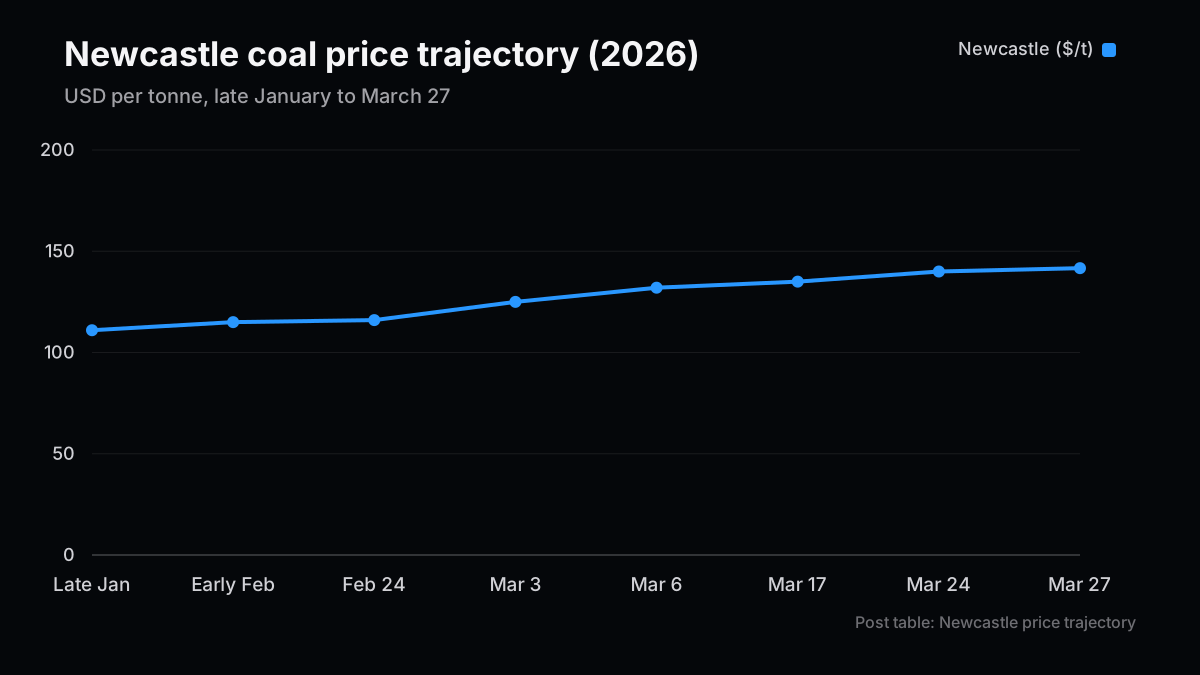
GMOのLucas White氏は、ホルムズ封鎖が数ヶ月続けば石炭価格がさらに46%上昇する可能性を指摘しています。
エネルギー危機の「最大受益者」の一角として、石炭関連株に改めて注目が集まっています。私がCVCのDD感覚で見たとき、ここは「Seaborne比率」「冶金炭エクスポージャ」「契約vs スポット比率」の3点が銘柄選定の本筋だと思っています。
米国最大の民間石炭生産企業。米国内のPRB(Powder River Basin)とイリノイ盆地に加え、豪州NSWとクイーンズランドにSeaborne事業(海上出荷向け一般炭・原料炭)を展開していて、アジア需要増の恩恵を直接受ける構造です。3月24日の株価は+7.9%急騰し$38.19で引け。
特に注目しているのはCenturion鉱山。$750M投資の同鉱山は2026年2月にロングウォール生産を開始(当初予定から2ヶ月前倒し)し、2026年に350万トン、2028年までに470万トンのプレミアムHCC(Hard Coking Coal)出荷を計画。冶金炭は製鉄に不可欠で、一般炭よりも高単価・高マージンの成長ドライバーになります。2026年の出荷ガイダンスはSeaborne一般炭1,250万トン、冶金炭1,080万トン。手元キャッシュ$575M、流動性$900M超と財務体質も安定しています。
豪州NSWを拠点とし、高品質・低不純物の一般炭と原料炭を生産。販売先は日本、韓国、中国、インド、台湾、東南アジア、欧州と広い。Q2 2026では生産量が前四半期比21%増の1,100万トン、Narrabri鉱山は+48%増産。トン当たりコストはAUD135まで低下し、純負債もAUD1億削減。3月26日の株価はAUD8.915(52週高値AUD9.60圏)。
Warrior Met Coal(NYSE: HCC) — アラバマ州でプレミアムHCCに特化する純粋な冶金炭プレイヤー。製鉄向け原料炭は一般炭とは異なる需給構造を持ち、アジア製鉄需要が底堅い限り高い価格実現力を維持できます。
Alliance Resource Partners(NASDAQ: ARLP) — イリノイ盆地・アパラチアで操業する石炭MLP。高配当(2025年は普通ユニットあたり$4.21の分配金)が特徴。
Natural Resource Partners(NYSE: NRP) — ロイヤリティ・モデル。自ら採掘せず鉱業権のリース料を受け取るので操業リスクが低い。2025年通年のFCFは$169M、負債を$109M返済と財務規律も堅い。
| Ticker | 銘柄 | 市場 | 時価総額 | 事業特性 | 開戦後騰落率 |
|---|
| BTU | Peabody Energy | NYSE | ~$4.0B | 米国最大手。豪州Seaborne+PRB | +17%↑ |
| WHC.AX | Whitehaven Coal | ASX | ~AUD9B | 高品質NSW炭。アジア直販 | +22%↑ |
| HCC | Warrior Met Coal | NYSE | ~$3.5B | アラバマ産プレミアムHCC特化 | +12%↑ |
| ARLP | Alliance Resource | NASDAQ | ~$3.2B | 高配当MLP。米国内需安定型 | +8%↑ |
| NRP | Natural Resource Partners | NYSE | ~$1.3B | ロイヤリティ・モデル。低リスク | +10%↑ |
米国内の一般炭需要はEIAの予測通り減少傾向にありますが、冶金炭の輸出は2026年に増加見込み。BTU(Centurion)、HCC、WHCがこの恩恵を最も直接的に享受する構図です。
私の中ではここがいちばん大事なところで、石炭株はタクティカル・トレードとして持つべきもの——というのが結論です。
| シナリオ | Newcastle石炭予想レンジ | Brent原油見通し | 石炭株への含意 |
|---|
| ベース:4月中に停戦合意 | $120〜$140/t | $80〜$90/bbl | 現水準から利確の動き。急落リスクあり |
| メイン:紛争数ヶ月継続 | $145〜$200/t | $100〜$120/bbl | BTU/WHCに追加上昇余地。+30〜40% |
| テール:年内解決せず | $180〜$260/t | $120〜$150/bbl | 1970年代型エネルギー危機の再現。スタグフレーション |
ただしマクロ環境には注意が必要です。Brent原油は$112を超え、S&P 500は高値から▲7%、Nasdaqは高値から▲10%超の調整入り。エネルギーインフレ長期化懸念から、中央銀行の利下げ期待は後退し、金利の「higher for longer」が現実味を帯びてきました。
このような環境下では、石炭株を市場全体に対するアウトライトのロングとして持つよりも、エネルギーセクター内の相対ロング——再エネ株や需要減退懸念のある業種のショートとペアにする戦略が筋が良いと見ています。CVCで投資委員会を経験した感覚では、こういう局面ほど「ヘッジしないネイキッドロング」が後で効いてきます。
逆説的ですが、この危機はまさに再エネ・電化へのシフトを加速させる触媒になりつつあります。IEAのビロル氏は「太陽光はもはやロマンチックな話ではなくビジネスだ」と発言。Ember社のリサーチマネージャーも「エレクトロテックにより各国は輸入燃料を完全に排除するツールを手にした」と指摘しています。
2022年のロシア・ウクライナ侵攻後、欧州のソーラー導入は倍増しました。それが金利上昇とともに減速した経緯がありますが、今回の危機は「エネルギー安全保障=国産エネルギー=再エネ」という再定義をさらに強固にします。私が普段見ているLNGメタンスリップ→海運脱炭素のコリドーも、同じ文脈で投資urgencyが上がる、というのが正直な感触です。
- 4月6日のデッドライン — トランプ大統領がイランに求めたホルムズ海峡再開期限。期限切れ後の米国の対応が最大の焦点
- カタールRas Laffan施設の復旧見通し — 修復3〜5年の見方が確定するか。LNG供給の長期構造を左右
- IEA緊急備蓄放出の規模 — IEA加盟国は4億バレルの戦略備蓄放出で合意済み。取り崩しペースが価格のダウンサイドを決める
- 中国の動向 — 人民元建て「通行料」システムの拡大はエネルギーフロー分断のシグナル
- インドネシアの輸出政策 — 国内優先方針強化はNewcastle価格に直接効く
結論として、短期ロング・中期ニュートラル。石炭株はイラン危機の「タクティカル・トレード」であり、構造的な長期保有対象ではありません。しかし、この危機が浮き彫りにした「エネルギー輸入依存のリスク」は、分散型エネルギー・蓄電・船舶脱炭素の投資urgencyを確実に高めます。危機の中にこそ、次の構造変化への投資機会が潜んでいます。
- 案1:数字で追う続編 — 本記事の前提を最新データで更新し、何が強まり、何が崩れたかを再点検する。
- 案2:実務テンプレート編 — 読者が自分の投資判断、制作単価、または開発運用に転用できるチェックリストへ落とし込む。
- 案3:反対シナリオの検証 — 今回の見立てが外れる条件を先に定義し、次に見るべき指標と時間軸を整理する。
本文の事実関係と数値前提は、再審査時にも読者が確認できる一次情報・公的資料を優先して見直しています。
本記事は情報提供を目的としたものであり、特定の銘柄、サービス、契約条件の推奨や投資助言ではありません。執筆者は記事内で触れた銘柄やサービスにポジションまたは利害関係を持つ可能性があります。調査、翻訳、校正の一部に生成AIを利用していますが、最終的な内容はZYL0が確認しています。詳細は免責事項をご確認ください。
Coal Stocks' "Reverse Rotation" Triggered by the Iran War
I cover maritime and LNG inside a corporate VC, building independent analyses from EU ETS, and THETIS-MRV fleet data and translating them into investment proposals. LNG charter rates, European gas storage, and Asian coal prices live in the same dashboard for me — and the week of late March 2026 is the first time in years that all three moved together at this magnitude. So in this piece I want to read the coal-stock "reverse rotation" not by the headlines, but by freight, storage, and contracts.
Let me first put the underlying facts down flat.
On February 28, 2026, US-Israeli coalition forces launched "Operation Epic Fury," a large-scale strike on Iran. Multiple senior regime figures, including Supreme Leader Khamenei, were killed, and Iran retaliated by effectively blockading the Strait of Hormuz. Since March 2, commercial shipping has been largely halted; ~2,000 vessels and 20,000 crew are stranded.
The strait is a global energy chokepoint that handles roughly 20% of world oil shipments (17.8 mb/d) and ~20% of global LNG (Qatar + UAE). IEA Executive Director Birol called it "the greatest energy security crisis in history" — and from where I sit watching the maritime data, that's not rhetoric.
| Indicator | Pre-war (2/27) | Recent (3/28) | Change |
|---|
| Brent crude | $73/bbl | $112.57/bbl | +54% |
| WTI crude | $68/bbl | $99.64/bbl | +47% |
| Newcastle coal | $116/t | $141.65/t | +22% |
| Dutch TTF gas | ~€32/MWh | >€60/MWh | +88% |
| S&P 500 | near highs | ▲7% from high | correction |
Brent rallied from ~$73 on Feb 27 to $112.57 on Mar 28 — the highest since July 2022 (+51%+). Goldman estimates a $14–$18 geopolitical risk premium is in the price. On March 2, Qatar's defense ministry confirmed Iranian drone strikes on Qatari gas facilities; QatarEnergy halted all gas production. Dutch TTF surged past €60/MWh. European gas storage at end-February stood at 46 bcm — well below 60 bcm in 2025 and 77 bcm in 2024.
This is the framing I'd most want to highlight. The shape rhymes with 2022's Russia-Ukraine LNG crisis, but the structure is materially different.
In 2022, ~5% of Russian energy exports were affected. The Hormuz closure hits a much larger share of global energy flows directly. On top of that, physical damage to Qatar's Ras Laffan facility is estimated to need 3–5 years of repair, and an estimated 12.8 mtpa of LNG supply is offline. Even after a ceasefire, LNG supply doesn't simply come back — that's the structural twist.
In CVC terms, this isn't a "price shock" so much as a cascade of contractual force majeures. Long-term supply contracts are being renegotiated, and the THETIS-MRV fleet patterns I track are already showing diversion and offshore-waiting behavior.
The hole left by missing LNG can only be filled by nuclear, renewables, or coal. Nuclear takes too long to spin up. Renewables can't get grid integration done fast enough. So coal is the instantaneous lever — and that's exactly what's happening across Asia right now.
Korea imports 94% of its energy. ~70% of crude and ~20% of LNG transit the Middle East. Around 15% of LNG imports come from Qatar; after the Ras Laffan strike, Qatar declared force majeure on parts of its long-term gas contracts. The Democratic Party's Middle East Crisis Task Force responded by fully removing the 80% utilization cap on coal-fired generation and pulling forward reactor maintenance to push nuclear utilization to 80%.
Korea's power mix is roughly 33% coal, 31% nuclear, 25% LNG. The moment LNG needs to be replaced, coal and nuclear are the only structural levers.
India is the world's #2 coal consumer and producer. Summer peak power demand is projected to hit 270 GW — nearly double Spain's total generation capacity. The government is accelerating coal output and holds ~3 months of inventory.
Indonesia, the world's largest coal exporter, has set its 2026 production target at ~600 Mt (down sharply from ~800 Mt the prior year) and tightened export limits. The Philippines declared a state of national emergency citing the energy supply crisis. Vietnam, hit by unstable Indonesian supply, has begun looking at imports from the US and Laos.
| Country | Response | Coal share | Notes |
|---|
| Korea | 80% cap removed; nuclear → 80% | 33% of power | Supplementary budget on the way |
| India | Coal production accelerated | >70% of power | Summer 270 GW peak |
| Indonesia | Domestic priority; export limits | World's largest exporter | Output cut from 800 → 600 Mt |
| Philippines | National emergency | ~50% | LNG dependency had been rising fast |
| Vietnam | Eyeing US/Laos imports | ~30% | Indonesian supply destabilizing |
| Date | Newcastle ($/t) | Catalyst |
|---|
| Late Jan 2026 | ~$111 | China's plan for 100 additional coal plants |
| Early Feb | ~$115 | Indonesia output cut headlines |
| Feb 24 (pre-war) | ~$116 | US-Iran diplomacy collapsing |
| Mar 3 (war start) | ~$125 | Hormuz blockade |
| Mar 6 | $132 | Qatar LNG facility hit |
| Mar 17 | $135 | Korea removes coal cap |
| Mar 24 | $140 | Asia coal-return headlines stack |
| Mar 27 (recent) | $141.65 | New 52-week high |
GMO's Lucas White has flagged that a multi-month Hormuz closure could push coal another +46% higher.
This is where my CVC instincts cut hardest. Pick names by Seaborne exposure, metallurgical-coal share, and contract vs. spot mix — those are the three that matter, in my view.
America's largest private coal producer. PRB and Illinois Basin domestically, plus Seaborne thermal and metallurgical operations in NSW and Queensland — directly positioned for Asian demand. The stock jumped +7.9% on March 24 to close at $38.19.
The asset I'd most highlight is the Centurion mine — a $750M investment that started longwall production in February 2026 (two months ahead of plan), targeting 3.5 mt of premium HCC in 2026 and 4.7 mt by 2028. Met coal is a structural premium business with very different supply-demand dynamics from thermal coal. 2026 shipment guidance: 12.5 mt Seaborne thermal, 10.8 mt metallurgical. Cash on hand $575M; total liquidity $900M+.
NSW-based, high-quality low-impurity thermal and met coal, sold across Japan, Korea, China, India, Taiwan, Southeast Asia, and Europe. Q2 2026 production rose +21% q/q to 11 mt, with Narrabri up +48%. Unit cost down to AUD 135/t, net debt down by AUD 100M. Stock at AUD 8.915 — top of the AUD 4.26–9.60 52-week range.
Warrior Met Coal (NYSE: HCC) — Alabama-based pure-play premium HCC producer. Met coal has its own demand cycle, distinct from thermal, and pricing power holds as long as Asian steel demand stays bid.
Alliance Resource Partners (NASDAQ: ARLP) — Illinois Basin and Appalachia coal MLP. High-yield ($4.21 per common unit distributed in 2025) — built for income investors.
Natural Resource Partners (NYSE: NRP) — A royalty model. Doesn't mine; collects mineral rights lease income, so operating risk is low. 2025 free cash flow $169M; debt paid down $109M.
| Ticker | Name | Listing | Mkt cap | Profile | Post-war move |
|---|
| BTU | Peabody Energy | NYSE | ~$4.0B | US #1; Australia Seaborne + PRB | +17%↑ |
| WHC.AX | Whitehaven Coal | ASX | ~AUD 9B | High-quality NSW; direct Asia sales | +22%↑ |
| HCC | Warrior Met Coal | NYSE | ~$3.5B | Alabama premium HCC pure-play | +12%↑ |
| ARLP | Alliance Resource | NASDAQ | ~$3.2B | High-yield US MLP | +8%↑ |
| NRP | Natural Resource Partners | NYSE | ~$1.3B | Royalty model; low op risk | +10%↑ |
US thermal demand is structurally declining per EIA, but met coal exports are forecast to rise in 2026 — and BTU (via Centurion), HCC, and WHC have the most direct exposure to that.
The biggest call in this piece: coal stocks should be held as a tactical trade, not a structural long.
| Scenario | Newcastle range | Brent outlook | Implication for coal stocks |
|---|
| Base (ceasefire by April) | $120–$140/t | $80–$90/bbl | Profit-taking; downside risk |
| Main (conflict continues months) | $145–$200/t | $100–$120/bbl | Further upside for BTU/WHC: +30–40% |
| Tail (unresolved by year-end) | $180–$260/t | $120–$150/bbl | 1970s-style energy crisis; stagflation |
Note the macro: Brent above $112; S&P 500 down −7% from highs; Nasdaq off −10%+. Sticky energy inflation has pushed central-bank cuts back, and "higher for longer" is alive again.
In this regime, holding coal stocks as an outright market long is more dangerous than it looks. The sharper expression is a relative-long inside the energy sector — paired against renewables or demand-sensitive shorts. From investment-committee experience, "naked" longs in this kind of environment are the ones that bite later.
Counterintuitively, this crisis is the clearest accelerator for renewable and electrification investment in years. Birol said it bluntly: "Solar isn't a romantic story anymore — it's a business." Ember's research lead added: "Electrotech gives countries the tools to remove imported fuels entirely."
After Russia-Ukraine in 2022, European solar deployments doubled — then slowed when rates rose. This crisis re-cements the equation energy security = domestic energy = renewables. The methane-slip → maritime-decarbonization corridor I follow daily moves up the urgency scale in lockstep, in my view.
- April 6 deadline — Trump's demand for Hormuz reopening. The post-deadline US response (resumed strikes on Iranian power infrastructure or not) is the largest single catalyst.
- Ras Laffan repair timeline — Does the 3–5 year estimate get hardened? That sets long-term LNG structure.
- IEA emergency stock release scale — Members agreed on a 400 mb release; the drawdown pace is the principal price-floor input.
- China dynamics — RMB-denominated "transit fee" reports from Iran. Expansion suggests an entrenched fragmentation of energy flows.
- Indonesian export policy — As the world's largest exporter, even small policy nudges feed straight into Newcastle.
Bottom line: short-term long, medium-term neutral. Coal stocks are a tactical trade on the Iran crisis — not a structural long. But the "import-dependence risk" this crisis has exposed will accelerate investment urgency in distributed energy, battery storage, and maritime decarbonization. The seeds of the next structural shift live inside this crisis.
- Idea 1: A data-updated follow-up — Revisit the thesis with fresh numbers and separate what strengthened from what broke.
- Idea 2: A practical template edition — Turn the article into a checklist readers can reuse for investing, pricing, or technical operations.
- Idea 3: The bear-case test — Define the conditions that would invalidate this view and map the indicators to watch next.
The factual and numerical assumptions in this article are anchored to primary or public materials that readers can revisit during AdSense review and future updates.
This article is for informational purposes only and does not constitute investment advice or a recommendation of any specific stock, service, or contract structure. The author may hold positions or interests related to companies or services mentioned. Generative AI was used for parts of research, translation, and proofreading, with final review by ZYL0. See the disclaimer for details.