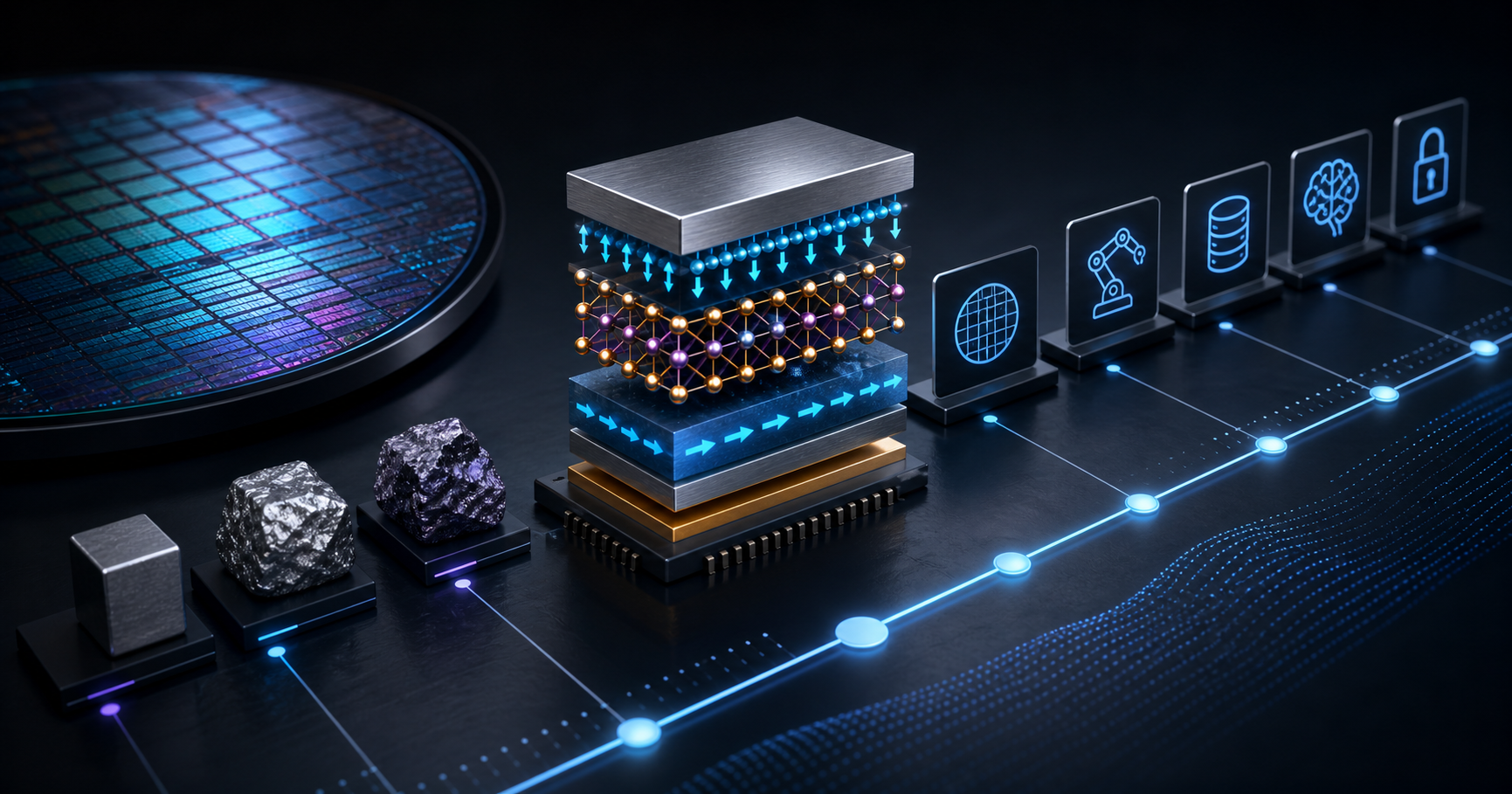
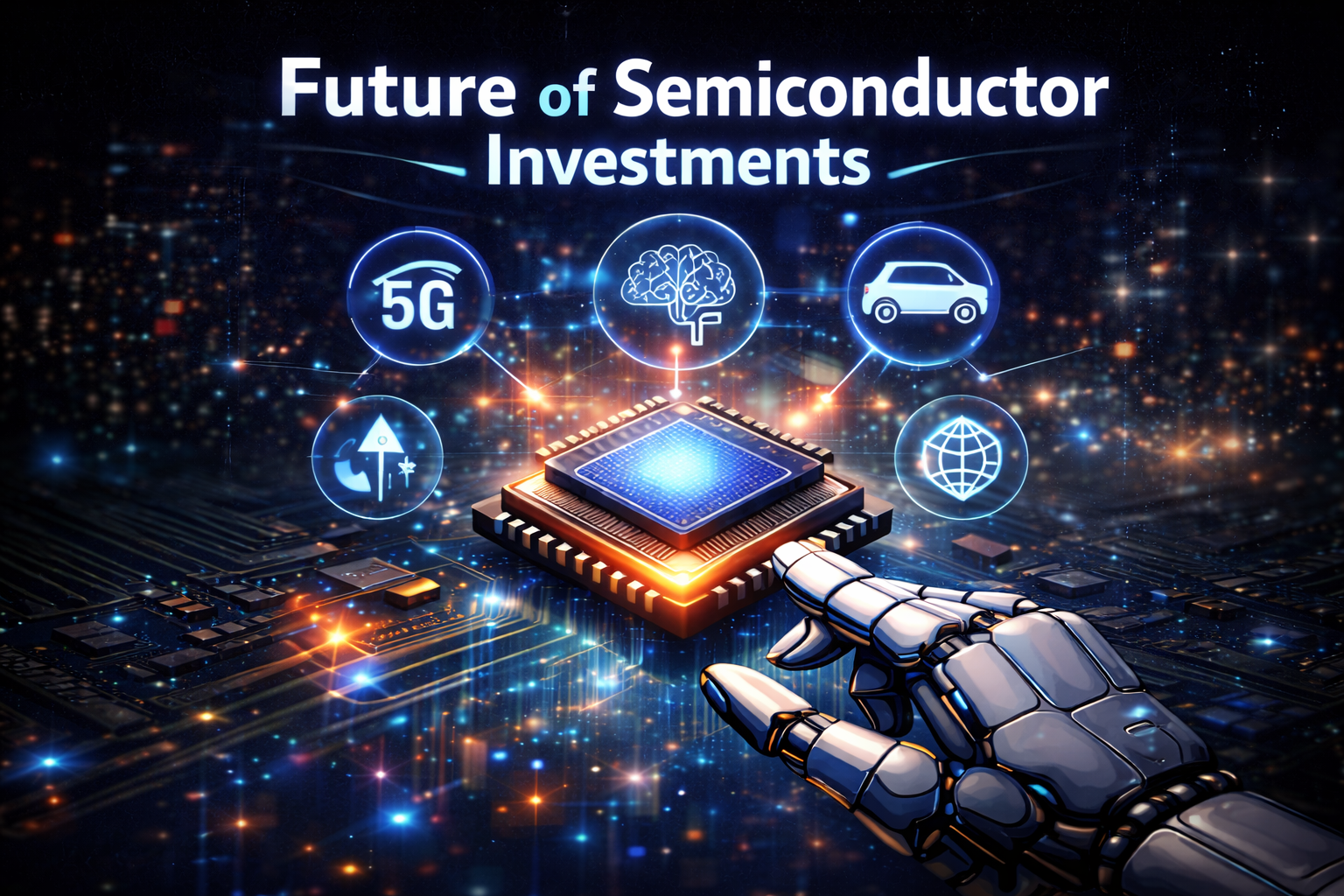
フィジカルAIが拓く次の投資フロンティア
私はCVCで北米のEVリユース定置型蓄電や半固体電池スタートアップへの出資を担当してきた人間です。スタートアップ技術の系統分類とシナジーマップを自ら作る作業を通じて学んだのは、「ハードウェアが絡むAI領域は、ソフトウェアAIと同じ速度では立ち上がらない」ということでした。だからこそ、いま「LLMの次」と語られているフィジカルAI(Physical AI)を、ハイプではなくバリューチェーンと参入タイミングで読み解いてみたい——というのがこの記事の動機です。
最初に、市場が向かい始めている方角をフラットに整理しておきます。
ChatGPTに代表される大規模言語モデル(LLM)が世界を席巻してから数年。生成AIへの直接投資ブームはひと段落して、投資家の視線はいま「次の波」に向かっています。フィジカルAI——AIが言語・画像だけでなく、現実の物理世界を理解し、その中で行動できるようになる技術領域——が、その筆頭候補です。
この潮流の象徴になっているのが、チューリング賞受賞者・Yann LeCunが2026年初頭に立ち上げたAMI Labs(Advanced Machine Intelligence Labs)。10億ドル超のシードラウンドという数字よりも、私には「研究者がデジタルAIに見切りをつけて物理AIに移った」という事実の方が重く見えています。
| 項目 | 内容 |
|---|
| 正式名称 | Advanced Machine Intelligence Labs(AMI Labs) |
| 創業 | 2026年(Yann LeCun × Alexandre Lebrun) |
| 本社 | パリ(フランス) |
| 調達額 | 10.3億ドル(欧州史上最大のシードラウンド) |
| バリュエーション | 約35億ドル(pre-money) |
| 主要投資家 | Cathay Innovation, Greycroft, HV Capital, Toyota Ventures, NVIDIA, Bezos Expeditions, Temasek 他 |
AMI Labsが開発するのは、世界の物理的な仕組みを学習するAI——「世界モデル」です。LLMとは設計思想が根本的に違うのが面白いところで、LeCunが2022年に提唱したJEPA(Joint Embedding Predictive Architecture)を土台にしています。
LLMのアプローチ:    テキスト → テキスト生成
世界モデルのアプローチ:センサーデータ → 物理世界の理解 → 行動計画
LeCunはかねてから「LLMだけでは汎用人工知能(AGI)には到達できない」と言い続けてきた人ですよね。AMI Labsはその哲学を10億ドル分の確信で実装した、というのが正確な表現だと思います。
| 分野 | 具体例 |
|---|
| 産業ロボティクス | 工場での複雑な組み立て・検査作業 |
| 自律走行 | 予測不能な道路環境への適応 |
| 医療・ヘルスケア | 手術支援ロボット、診断補助 |
| ウェアラブル | 状況を理解して支援するデバイス |
| 宇宙・航空宇宙 | 遠隔環境での自律オペレーション |
ここは数字で見るのがいちばん早いです。
| 指標 | 2025年 | 2030年予測 | 2033年予測 | CAGR |
|---|
| フィジカルAI市場 | 52億ドル | — | 497億ドル | 32.5% |
| 身体化AI(Embodied AI) | 44億ドル | 231億ドル | — | 39.0% |
| ヒューマノイド出荷台数 | 約1万台 | 50〜100万台 | 200万台超 | 60%+ |
Goldman Sachsは2026年のヒューマノイドロボット世界出荷台数を5〜10万台と予測していて、製造コストは1台あたり1.5〜2万ドルまで下がる見通しです。私はEV用半固体電池のDDをした経験があるので、この数字の裏側で何が起きているか想像がつくのですが、要するに「セル・センサー・アクチュエータの3つが同時にコモディティ化に近づいている」のが効いています。これが揃ったのは過去10年で初めてだと思います。
LLMはテキストと画像の世界では驚異的な能力を発揮しましたが、以下の点で限界が露呈してきています。
- 物理世界の常識を理解できない(コップを置けば落ちることを「知らない」)
- 長期的な計画・行動が苦手
- ロボット操作などリアルタイム制御に不向き
世界モデルはこれらを構造的に克服するアプローチで、「考えて動く」AIを実現する鍵として注目されているわけです。
ここからが本題です。投資判断をするとき、最初に「どのレイヤーに張るか」を決めるのが本質的に大事だと思っています。
| レイヤー | 内容 | 代表企業・銘柄 |
|---|
| 基盤モデル | 世界モデル・ロボット基盤AI | AMI Labs、Physical Intelligence(π) |
| ハードウェア | センサー、チップ、アクチュエーター | NVIDIA(NVDA)、Mobileye、Sony Semiconductor |
| ロボット本体 | ヒューマノイド・産業ロボット | Apptronik、Figure AI、1X、Boston Dynamics |
| プラットフォーム | データ収集・シミュレーション基盤 | Foxglove、Dyna Robotics、NVIDIA Isaac Sim |
| エンドユーザー | 製造・物流・医療への導入 | Amazon、Tesla、Toyota、Stellantis |
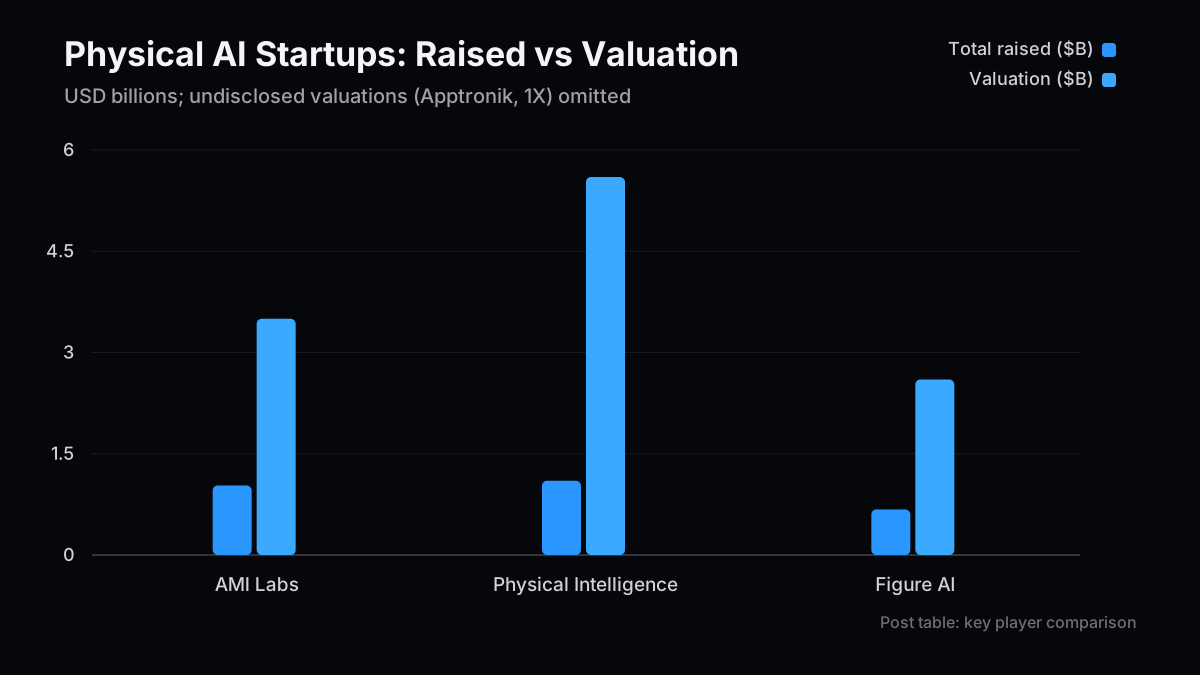
| 企業 | 調達総額 | バリュエーション | 技術的特徴 |
|---|
| AMI Labs | 10.3億ドル | 約35億ドル | 世界モデル(JEPA)、LeCun主導 |
| Physical Intelligence(π) | 11億ドル | 約56億ドル | ロボット基盤モデル(π0)、家庭・産業用 |
| Apptronik | 3.5億ドル以上 | 非公開 | ヒューマノイド「Apollo」、NASA連携 |
| Figure AI | 6.75億ドル | 約26億ドル | OpenAIとの提携、Figure 01/02 |
| 1X Technologies | 1億ドル以上 | 非公開 | OpenAIバックアップの人型ロボット |
AMI Labs:
  └── 「世界を理解するAI」が先。ロボットはその応用の一つ
  └── 基礎研究主導。JEPAで物理法則の抽象表現を学習

Physical Intelligence (π):
  └── 「ロボットを動かすAI」に特化
  └── π0モデルをロボットメーカーに提供(OpenAI的ポジション)
両社は補完的な関係で、世界モデル(AMI)× ロボット操作モデル(π)の組み合わせが、汎用ロボットへの最短経路だと私は見ています。VC的に言うと、ここは「両建てで持つ」のが安全で、片方だけにベットする合理性はあまり感じません。
スタートアップへの直接投資は上場前案件が多くて事実上難しいので、二次的な張り方が中心になります。
- NVIDIA(NVDA) — フィジカルAIの「ピッケルと鍬」。GPUに加えIsaac Simでエコシステム支配
- ロボティクスETF — ROBO、ARKQなど(個別株リスクの分散)
- トヨタ・ホンダ等の自動車メーカー — 自律走行・工場自動化への先行投資
- 間接受益銘柄 — センサーメーカー、半導体設計、産業用接続部品
私の中ではここが今回の記事のいちばん大事なところで、フィジカルAIはハードウェア律速で立ち上がることを忘れると判断を誤ります。CVCで電池スタートアップを見てきたので強く思うのですが、ソフトウェアAIと同じ速度・同じバリュエーション倍率を当てると、必ず失望します。
| シナリオ | 確率(私見) | 基盤モデル | ハードウェア | ロボット本体 | プラットフォーム | エンドユーザー |
|---|
| A. 漸進普及(ベース) | 50% | コア配分 | 厚め | 様子見 | コア配分 | 中立 |
| B. 量産加速(メイン) | 30% | コア配分 | 厚め | 厚め | コア配分 | 上方修正 |
| C. ハードウェア律速で停滞(テール) | 20% | 縮小 | 中立 | 縮小 | 維持 | 中立 |
フィジカルAIは確実に立ち上がるが、ソフトウェアAIほどの直線的成長にはならない展開。この場合、NVIDIAとIsaac Simエコシステムを中心に、トヨタ・Stellantisなどエンドユーザー側の自動化恩恵企業を加えるのが、リスクリターン的には最も筋が良いと見ています。
ヒューマノイドの量産単価が想定より早く下がり、エンドユーザーの導入が加速する展開。ここではApptronik、Figure AIに近接する上場企業(Lockheedなど契約パートナー、産業用接続部品メーカー)にもアロケーションを上げます。
センサー・アクチュエータのコスト低下が想定通り進まず、量産時期が後ろ倒しになる展開。私が一番警戒しているのは実はここで、ロボット本体銘柄のバリュエーション圧縮が起きやすい局面です。基盤モデル側にも資金調達の冷え込みが波及するので、ロボット本体のエクスポージャを軽くするのが合理的です。
正直、フィジカルAIはリスクも相当あります。
- 技術的不確実性:世界モデルはまだ研究段階のものが多い
- ハードウェアのボトルネック:ロボット本体のコスト・耐久性問題
- 規制・安全基準:医療・公道での自律機械への規制が整備途上
- 長い開発サイクル:ソフトウェアAIと違って、実証・量産に時間がかかる
CVCで投資委員会を経験した人間として一言だけ付け加えると、「ハードウェア絡みのDDは、ソフトウェアの倍の時間をかけるのが正解」です。私自身、追加出資案件でバリュエーション過大評価を指摘して条件交渉を主導した経験があるのですが、ロボティクス案件では特にこの感覚が効くと思っています。
LLMが「情報処理革命」だとすれば、フィジカルAIは「物理世界との相互作用革命」です。
AMI Labsの10億ドル調達は、単なる一スタートアップの成功ではなく、AI産業の重心がデジタル空間から物理空間へと移行する歴史的な転換点のシグナルだと見ています。
私の足元のスタンスを一言で言うと、「基盤モデルとプラットフォームには今コア配分、ロボット本体は2027年に押し目で拾う」です。
- ヒューマノイド量産単価が$15K–$20Kラインを実際に割るか
- NVIDIA Isaac Simの採用社数(これはエコシステム支配度の先行指標)
- AMI LabsとPhysical Intelligenceの最初の商用契約(基盤モデルが実用段階に入るシグナル)
- 米国・欧州のヒューマノイド向け安全規制(量産化の制約条件)
フィジカルAIは「SFの世界」ではなく、いま資本が現実に流れ込んでいる投資テーマです。
基盤モデルとハードウェアのコスト低下が交差する2026〜2028年が、参入タイミングの鍵を握ると見ています。
- 案1:数字で追う続編 — 本記事の前提を最新データで更新し、何が強まり、何が崩れたかを再点検する。
- 案2:実務テンプレート編 — 読者が自分の投資判断、制作単価、または開発運用に転用できるチェックリストへ落とし込む。
- 案3:反対シナリオの検証 — 今回の見立てが外れる条件を先に定義し、次に見るべき指標と時間軸を整理する。
本文の事実関係と数値前提は、再審査時にも読者が確認できる一次情報・公的資料を優先して見直しています。
本記事は情報提供を目的としたものであり、特定の銘柄、サービス、契約条件の推奨や投資助言ではありません。執筆者は記事内で触れた銘柄やサービスにポジションまたは利害関係を持つ可能性があります。調査、翻訳、校正の一部に生成AIを利用していますが、最終的な内容はZYL0が確認しています。詳細は免責事項をご確認ください。
Physical AI: The Next Investment Frontier
I've spent years inside a corporate VC working on North American EV second-life storage and semi-solid battery startups, including the cross-functional task of mapping startup technologies into a synergy framework for the parent company. The single biggest lesson from that work: AI domains that touch hardware do not scale on the same clock as software AI. So when "Physical AI" gets called the next big wave, my instinct is to pull it apart by value-chain layer and entry timing rather than narrative — and that's what this piece is about.
Let me first reset the picture flat before adding any view on top.
LLMs have dominated the technology landscape for several years. The first generative-AI investment frenzy has settled, and capital is rotating toward the next wave. Physical AI — AI that goes beyond text and images to understand and act in the real world — is the leading candidate.
The defining signal of this shift came in early 2026 when Turing Award winner Yann LeCun launched AMI Labs (Advanced Machine Intelligence Labs), a Paris-based startup that closed Europe's largest seed round ever. The headline number — over $1 billion — matters less to me than the underlying fact that a top researcher walked away from digital AI to bet on physical AI.
| Item | Detail |
|---|
| Full name | Advanced Machine Intelligence Labs (AMI Labs) |
| Founded | 2026 (Yann LeCun × Alexandre Lebrun) |
| HQ | Paris, France |
| Raised | $1.03B (Europe's largest seed round ever) |
| Valuation | ~$3.5B (pre-money) |
| Key investors | Cathay Innovation, Greycroft, HV Capital, Toyota Ventures, NVIDIA, Bezos Expeditions, Temasek and others |
AMI Labs is building AI that learns how the physical world works — what the field calls "world models." It's a fundamentally different design from LLMs, grounded in JEPA (Joint Embedding Predictive Architecture), which LeCun proposed in 2022 as an alternative to the autoregressive paradigm.
LLM approach:    Text → Generate more text
World Model:     Sensor data → Understand physical world → Plan actions
LeCun has long argued that LLMs alone won't reach AGI. AMI Labs is that thesis turned into $1B of conviction.
| Domain | Examples |
|---|
| Industrial robotics | Complex assembly, quality inspection in factories |
| Autonomous vehicles | Adapting to unpredictable road environments |
| Healthcare | Surgical assist robots, diagnostic support |
| Wearables | Context-aware assistive devices |
| Aerospace | Autonomous operations in remote environments |
This is best read through the numbers.
| Metric | 2025 | 2030 forecast | 2033 forecast | CAGR |
|---|
| Physical AI market | $5.2B | — | $49.7B | 32.5% |
| Embodied AI market | $4.4B | $23.1B | — | 39.0% |
| Humanoid shipments (units) | ~10K | 0.5–1M | >2M | 60%+ |
Goldman Sachs forecasts global humanoid shipments of 50,000–100,000 units in 2026, with per-unit cost trending toward $15,000–$20,000. From having worked on semi-solid battery DDs, I can read between those numbers: what's actually happening underneath is that cells, sensors, and actuators are converging on commodity pricing at the same time. That's the first time in a decade that has been true.
LLMs are extraordinary at language and images, but they have structural limits:
- No physical common sense — they don't "know" a cup left on a ledge falls
- Weak long-horizon planning and physical action
- Poor fit for real-time robotic control
World models are designed to overcome those structurally — that's the source of the optimism around them.
This is where the whole piece comes together. Before picking names, decide which layer of the value chain you're betting on. That's the most important call.
| Layer | Description | Examples |
|---|
| Foundation models | World models, robot foundation AI | AMI Labs, Physical Intelligence (π) |
| Hardware | Sensors, chips, actuators | NVIDIA (NVDA), Mobileye, Sony Semiconductor |
| Robots | Humanoid, industrial machines | Apptronik, Figure AI, 1X, Boston Dynamics |
| Platforms | Data infra, simulation, ops | Foxglove, Dyna Robotics, NVIDIA Isaac Sim |
| End users | Manufacturing, logistics, healthcare | Amazon, Tesla, Toyota, Stellantis |
| Company | Total raised | Valuation | Technology |
|---|
| AMI Labs | $1.03B | ~$3.5B | World models (JEPA), LeCun-led |
| Physical Intelligence (π) | $1.1B | ~$5.6B | Robot foundation model (π0), home/industry |
| Apptronik | $350M+ | undisclosed | "Apollo" humanoid, NASA partnership |
| Figure AI | $675M | ~$2.6B | OpenAI partnership, Figure 01/02 |
| 1X Technologies | $100M+ | undisclosed | OpenAI-backed humanoids |
AMI Labs:
  └── "Understand the world" first; robots are one application
  └── Research-led. JEPA learns abstract physical representations

Physical Intelligence (π):
  └── Specifically "make robots act"
  └── Provides the π0 model to robot manufacturers (an OpenAI-style position)
These two are complementary, not competitive. The combination of world models (AMI) × action models (π) is, in my view, the shortest path to general-purpose robots. A VC perspective: hold both. The case for picking only one is weak.
Direct startup access is mostly closed at the pre-IPO stage, so secondary exposure dominates.
- NVIDIA (NVDA) — picks-and-shovels. GPUs plus Isaac Sim's ecosystem dominance.
- Robotics ETFs — ROBO, ARKQ (single-name risk dilution).
- Auto OEMs — Toyota, Honda, Stellantis (autonomous + factory automation upside).
- Indirect beneficiaries — sensor makers, chip designers, industrial connectors.
This is the most important part of this piece, in my opinion: Physical AI is hardware-rate-limited. Forget that, and you'll mis-price the timing. Having watched battery startups inside a CVC, I'd say it strongly: do not apply software-AI valuation multiples or growth curves to Physical AI without adjustment.
| Scenario | Probability | Foundation models | Hardware | Robot bodies | Platforms | End users |
|---|
| A. Gradual adoption (base) | 50% | Core | Heavy | Wait & see | Core | Neutral |
| B. Mass-production acceleration (main) | 30% | Core | Heavy | Heavy | Core | Upgrade |
| C. Hardware bottleneck stalls scaling (tail) | 20% | Trim | Neutral | Trim | Maintain | Neutral |
Physical AI scales reliably, but not as straight a line as software AI. The cleanest risk-reward in this regime, in my view, is NVIDIA + Isaac Sim ecosystem players, plus end-user automation beneficiaries (Toyota, Stellantis).
Humanoid unit costs fall faster than expected, end-user adoption accelerates. Here you also tilt into public-market companies adjacent to Apptronik / Figure AI — defense contracting partners, industrial connector makers.
Sensor and actuator cost declines miss the schedule, mass production slips. This is the scenario I personally watch most closely, because it's where valuation compression on robot-body names is most likely. Funding chill propagates back to the foundation-model layer, so trim robot-body exposure preemptively.
- Technical uncertainty — most world models are still research-stage
- Hardware bottlenecks — robot body cost, durability, reliability
- Regulation — autonomous machines in healthcare and public spaces face evolving rules
- Long development cycles — unlike software AI, physical systems require validation and manufacturing scale-up
One thing from CVC investment-committee experience: hardware-touching DD takes twice as long as pure software DD, period. I've personally been the person who flagged an over-valued hardware deal at IC and led the renegotiation, and that instinct applies double in robotics.
If LLMs were a revolution in information processing, Physical AI is a revolution in interaction with the physical world.
AMI Labs' $1B raise isn't the success story of one startup — it's a signal that the center of gravity of AI is migrating from digital to physical space.
In one line: core allocation now to foundation models and platforms; pick up robot-body exposure on a 2027 dip.
- Humanoid unit cost — does it actually break the $15K–$20K line?
- NVIDIA Isaac Sim adoption count (a leading indicator of ecosystem dominance)
- First commercial contracts from AMI Labs and Physical Intelligence (signals foundation models entering production)
- US/EU safety regulations for humanoids (the gating constraint on mass deployment)
Physical AI is not science fiction — it is an investment theme where real capital is flowing right now.
The convergence of declining hardware costs and maturing foundation models makes 2026–2028 the critical window to watch.
- Idea 1: A data-updated follow-up — Revisit the thesis with fresh numbers and separate what strengthened from what broke.
- Idea 2: A practical template edition — Turn the article into a checklist readers can reuse for investing, pricing, or technical operations.
- Idea 3: The bear-case test — Define the conditions that would invalidate this view and map the indicators to watch next.
The factual and numerical assumptions in this article are anchored to primary or public materials that readers can revisit during AdSense review and future updates.
This article is for informational purposes only and does not constitute investment advice or a recommendation of any specific stock, service, or contract structure. The author may hold positions or interests related to companies or services mentioned. Generative AI was used for parts of research, translation, and proofreading, with final review by ZYL0. See the disclaimer for details.