AI材料開発8社をCVC目線でDDする|マテリアルズ・インフォマティクスの投資地図と上場プロキシ
材料開発のAI化、いわゆるマテリアルズ・インフォマティクス(MI)は、私にとって他人事ではありません。CVCに移ってから自分で策定した投資テーマが、EVリユース定置型蓄電・半固体電池・リサイクルの3領域でした。半固体電池スタートアップに出資を実行したとき、いちばん時間を食ったのは「この会社の材料探索は、本当に競合より速くて安いのか」を確かめる作業です。当時はまだ、研究者が手で回す第一原理計算(DFT)と実験の往復でした。それがいま、生成AIで結晶構造をゼロから設計し、ロボットが自律的に合成するところまで来ています。
本稿は、その最前線を走る8社——Cusp AI、Google DeepMind、Microsoft、Orbital Industries、Matlantis(Preferred Computational Chemistry)、Citrine Informatics、Aionics、Kebotix——を、技術紹介としてではなくCVCの投資対象としてDDする目線で並べ直したものです。私が見たいのは「すごいモデル」ではなく、「どこに堀ができ、どこで稼ぎ、どの株で取りに行けるか」。半導体プロセス出身でEEPROMの車載量産に関わり、TCADで歩留まり不良の真因を当てた人間として、ピッチのきれいなベンチマークではなく、商用化段階とビジネスモデルの分岐を軸に読みます。あくまで2026年6月時点の見立てで、評価額も提携も半年で動きます。
最初の所感を述べると、MIの本当の変化は「速くなった」ことではなく「向きが変わった」ことです。
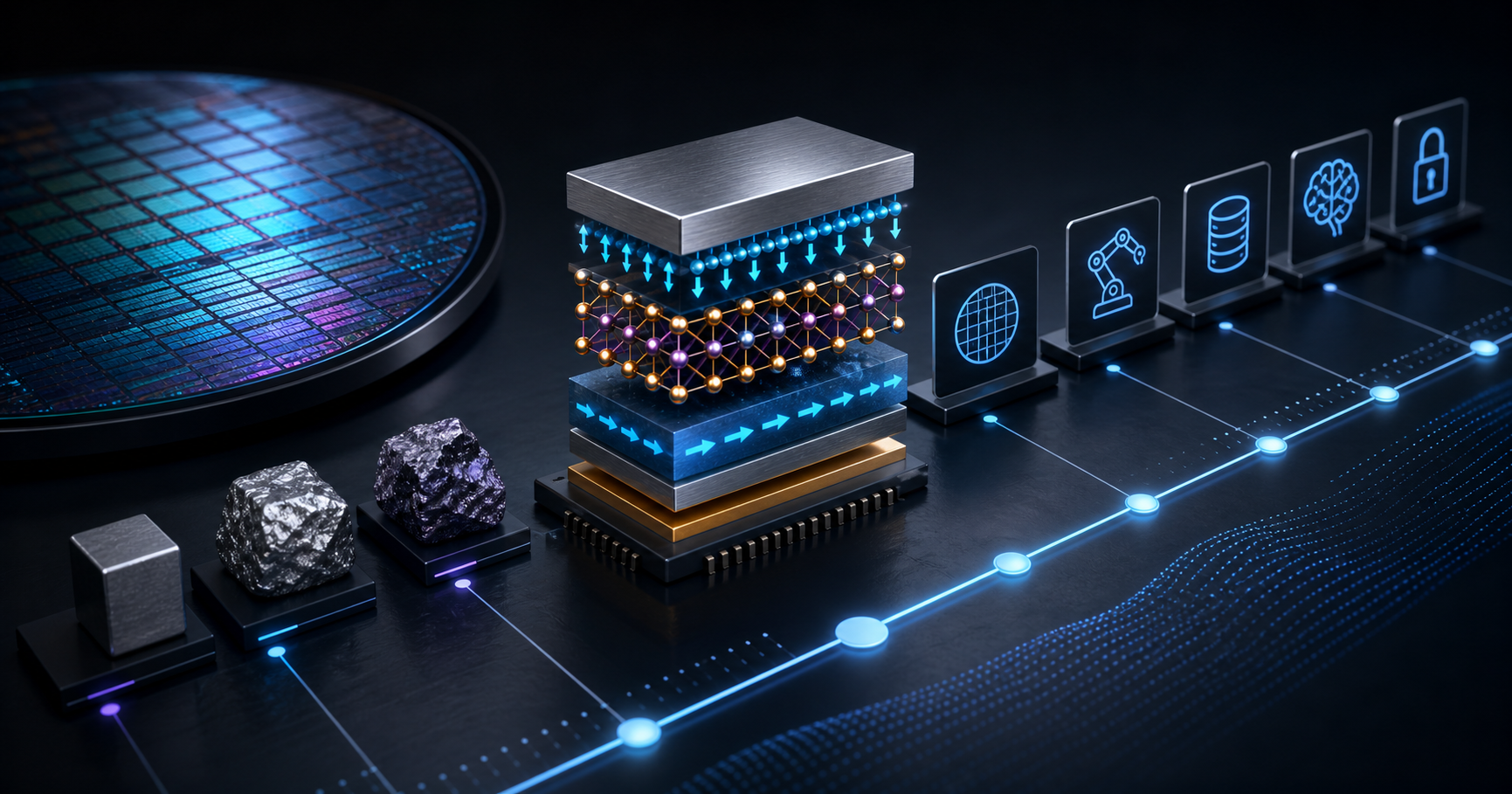
かつてのMIは、数百万通りの既知化合物から条件に合うものを抽出する「スクリーニング(選別)」でした。手持ちのデータセットの中から探すので、データに無いものは見つからない。これに対しいま実用化しつつあるのが「逆設計(Inverse Design)」です。熱安定性やCO₂吸着力といった欲しい物性のスペックから逆算して、自然界に存在しない結晶や分子をゼロから生成する。Cusp AIの生成プラットフォームや、MicrosoftのMatterGen(拡散モデル)がこの典型で、人間が思いつかない格子配列が出てきます。
もうひとつの変化が、計算コストの劇的な低下です。MatlantisのPFP、Orbitalの「Orb」、MicrosoftのMatterSimは、量子化学的な原子間相互作用をあらかじめ膨大な訓練データで模倣した、いわば物理シミュレーションの基盤モデルです。かつてスパコンを数日占有したDFT計算が、数秒〜数分で終わる。MatterSimはDFT比で最大50万倍、PFPに至っては最大2,000万倍の高速化を謳います。さらにMatlantisはAnthropicの「Claude Code」を統合し、自然言語の指示だけでシミュレーションスクリプトを自動生成・実行できるようにした。専門家でなくても計算化学を回せる、という間口の広がりです。
ここまでは技術トレンドの話。投資家として私が引く線は、この技術が「誰の財布から、どうやってお金を取るか」です。そこで景色がはっきり分かれます。
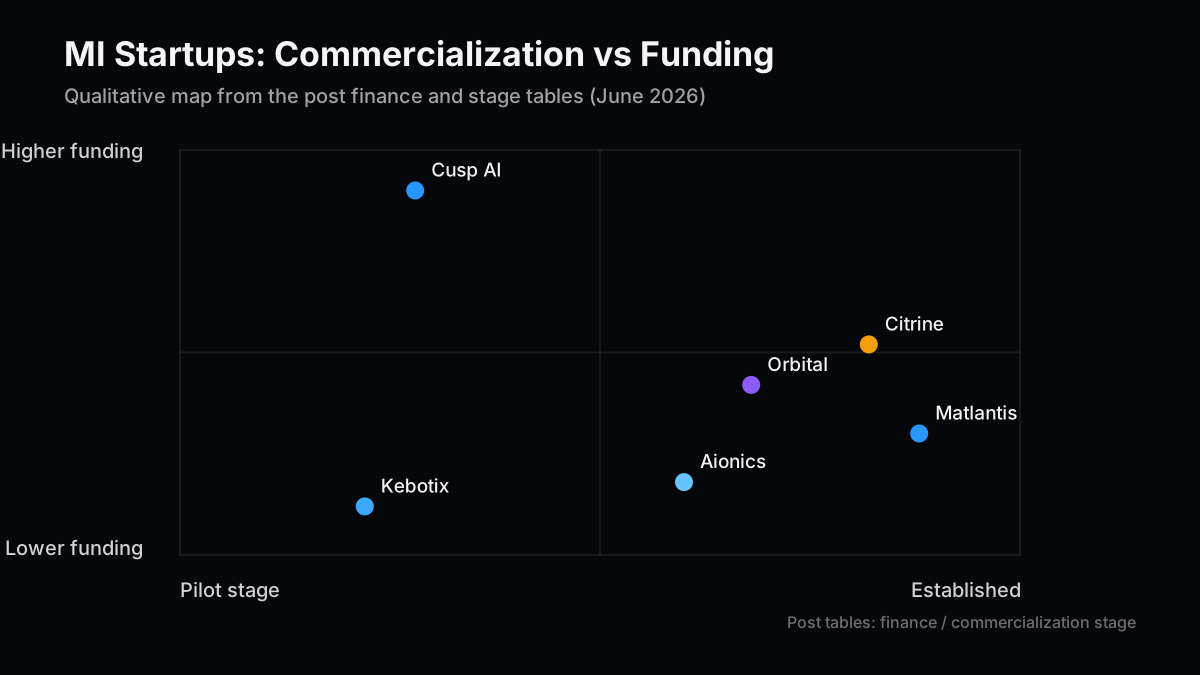
二つ目の所感。MI企業を8社並べると、技術の優劣より先に、収益化の型が3つに割れて見えます。私はまずここで仕分けます。
| 型 | 該当企業 | 価値の源泉 | 収益化スピード | CVCの論点 |
|---|
| ①基盤インフラ型 | Google DeepMind, Microsoft | 計算基盤・基盤モデル・データベース | 間接(クラウド消費・エコシステム) | 本体が巨大すぎて直接の投資妙味は薄い |
| ②IP・プラットフォーム型 | Cusp AI, Matlantis, Citrine, Aionics, Kebotix | 設計したIP/SaaSライセンス | 化学産業の採用速度に依存 | 採用サイクルの長さと評価額のミスマッチ |
| ③垂直統合型 | Orbital Industries | 自社最終製品(冷却液・ハード) | 速い(自社で直販) | 製造・在庫リスクを取れるか |
ここで効いてくるのが、化学・素材産業特有の「保守的な採用サイクル」です。新材料は、性能が良くても採用試験に数年〜十数年かかるのが普通でした。半固体電池のDDで私が痛感したのも、まさにこの時間軸です。だから②のIP型は、技術が速くても収益化が遅れるリスクを構造的に抱える。
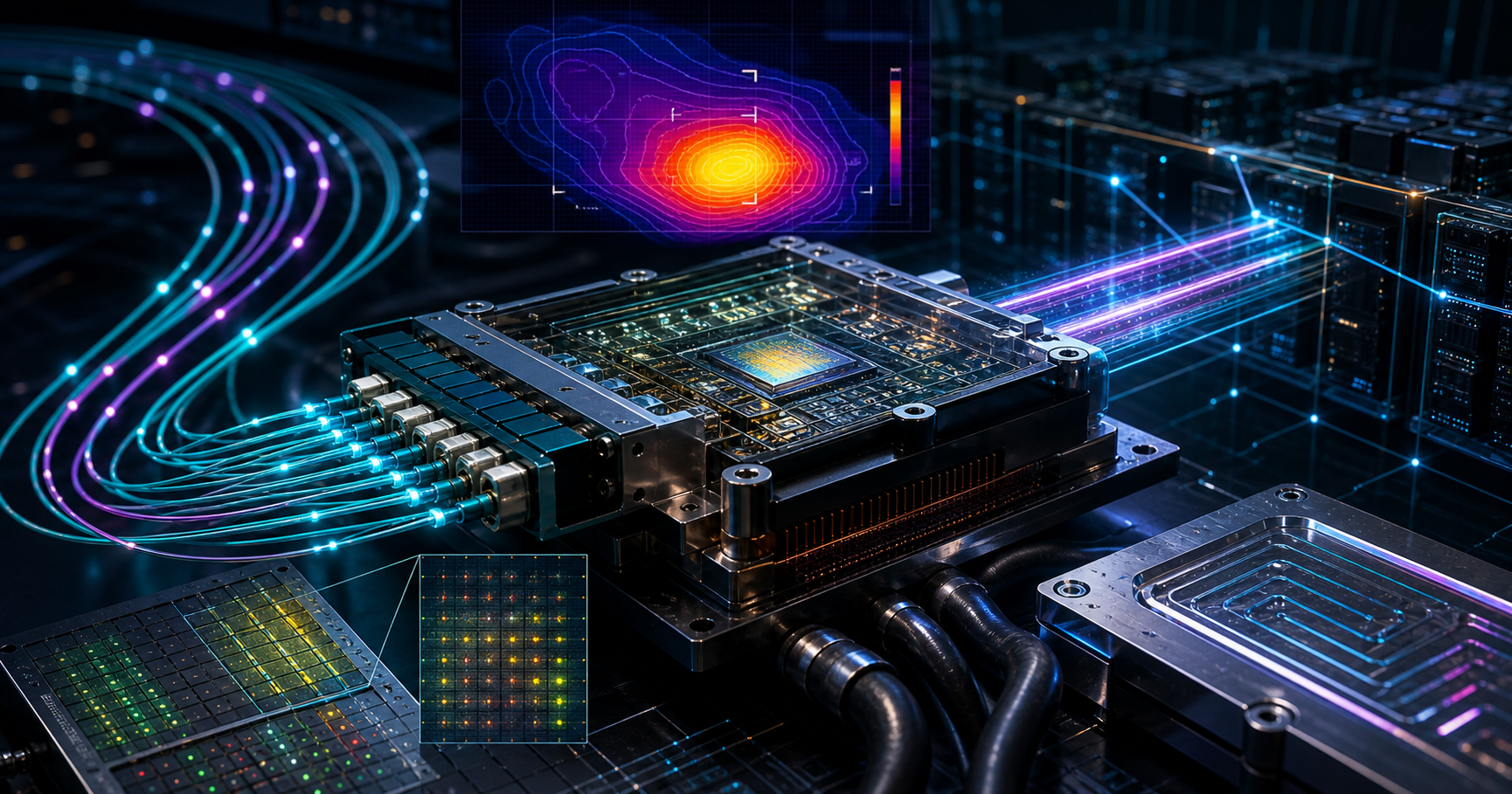
これに対しOrbital Industriesは、AIで発見した材料を自社で製品化して直接売る③の道を選んだ。データセンターの過熱という超緊急の課題に、PFASフリー誘電体冷却液と自社製モジュール式冷却システムをパッケージで供給する。採用試験の行列に並ばず、需要の最前線に直接刺す。私はこの分岐を、今後の材料スタートアップの戦略的分水嶺だと見ています。投資判断としては、②は「IPの堀+ライセンス継続率」を、③は「製造実行力+在庫・歩留まりリスク」を別々に詰める必要がある、ということです。
三つ目の所感。8社は同じ「AI材料開発」の看板でも、調達ステージも対象材料もバラバラで、同じ物差しでは測れません。まず財務、次に技術、最後に商用化の3枚で俯瞰します。数値はレポート時点(2026年6月)のもので、特にCusp AIの調達・評価額は報道ベースです。
| 企業 | 本社 | 設立 | 累計調達/ステージ | 主な投資家 | 創業者・主要人物 |
|---|
| Cusp AI | 英ケンブリッジ/蘭アムステルダム | 2024 | 約2.2億ドル(Series A)+4億ドル調達合意(報道) | NEA, Temasek, NVIDIA, Samsung, Hyundai, Bezos Expeditions | C. Edwards(CEO), M. Welling |
| Google DeepMind | 英ロンドン | 2010 | Alphabet傘下(自己資金) | Alphabet | A. Merchant, E. D. Cubuk |
| Microsoft | 米レドモンド | — | 自社投資(Azure統合) | Microsoft | AI for Science チーム |
| Orbital Industries | 英ロンドン/米SF | 2022 | 5,000万ドル(Series B) | Plural, NVIDIA(NVentures), Radical, Compound | J. Godwin(CEO), J. Gin-Pollock |
| Matlantis | 東京 | 2021 | 資本金3.1億円(JV) | PFN, ENEOS, 三菱商事 | 岡野原大介(CEO), Ju Li(技術顧問) |
| Citrine Informatics | 米レッドウッドシティ | 2013 | 8,130万ドル(Series B期) | Innovation Endeavors 他 | G. Mulholland(CEO), B. Meredig(CSO) |
| Aionics | 米エバンストン | 2020 | 781万ドル(Series A) | Trousdale Ventures, UP Partners | A. Sendek(CEO), L. Pellouchoud(CTO) |
| Kebotix | 米ケンブリッジ | 2017 | 未開示(Seed〜Early) | WEF, MIT Tech Review 等 | C. Kreisbeck(CCO) |
財務だけ見ても、Cusp AIの突出ぶりが目立ちます。創業2024年で累計2億ドル超、さらに4億ドルの追加調達合意で評価額26億ドルに達したと報じられている。一方、Aionicsは累計781万ドル、Kebotixは未開示。同じ業界で調達額が2桁違う。投資妙味の議論は、この格差を踏まえないと意味がありません。
| 企業 | プラットフォーム | コアモデル | 性能指標 | 主な対象材料 |
|---|
| Cusp AI | 逆探索マテリアルズエンジン | 逆設計生成AI・結晶生成 | 300兆超の空間から6ヶ月で候補生成 | 多孔質結晶(MOF), 炭素回収, PFAS除去 |
| Google DeepMind | GNoME結晶DB(オープン) | GNN(グラフNN) | 220万の安定結晶を予測(うち安定38万) | 無機結晶全般, 半導体, 超電導 |
| Microsoft | Azure Quantum Elements | MatterGen(拡散), MatterSim | DFT比50万倍, 0〜5,000K/最大1,000GPa | 固体電解質, 熱伝導体, 触媒 |
| Orbital Industries | Orbシミュレータ, LINUS | LINUS物性予測, 自律設計 | 単一GPUで10万原子, 誤差31%削減 | PFASフリー冷却液, 誘電体 |
| Matlantis | Matlantis™(SaaS) | PFP(汎用NNポテンシャル) | 72元素対応, DFT比2,000万倍 | 金属触媒, 半導体結晶, 電解質, 高分子 |
| Citrine Informatics | Citrine Platform | 失敗データ統合型ML, ノーコードUI | 30変数超を並行最適化 | 配合化学, ポリマー, 塗料, 接着剤 |
| Aionics | 電池デザインAPI | 量子計算+高スループットML | 電解液安定性の高速分子予測 | リチウム・全固体・航空電池 |
| Kebotix | クローズドループAI | 反応経路生成深層学習 | 反応中間体の自動スクリーニング | 光電子材料, 添加剤, バイオ前駆体 |
技術で私が一番効くと思うのは「汎用性 vs 特化」の軸です。Matlantisのように72元素を訓練データなしで扱える汎用性は、横展開が利き顧客を選びません。逆にAionicsの電池特化やKebotixの光電子特化は、刺さる顧客には深く刺さるが市場が狭い。どちらが良いかは一概に言えませんが、汎用は売上の上限が高く、特化は粗利と継続率が高い傾向にあると私は見ています。
| 企業 | 段階 | 主な検証パートナー | 実証された成果 |
|---|
| Cusp AI | パイロット/初期売上 | Kemira(水処理) | 300兆候補からPFAS除去MOFを6ヶ月で設計 |
| Google DeepMind | 研究・学術貢献 | バークレー国立研究所 | A-Labで新材料41種を自律合成 |
| Microsoft | 実用・エンタープライズ | PNNL | Li 70%削減の固体電解質を9ヶ月未満で実証 |
| Orbital Industries | 商用出荷・インフラ展開 | AWS, DC事業者 | PFASフリー誘電体冷却液を上市 |
| Matlantis | 確立SaaS(グローバル) | ENEOS, Cellforce, ヒョンデ | 150社超導入, メタノール触媒を数週間に短縮 |
| Citrine Informatics | 確立SaaS(グローバル) | Huntsman, Stepan | 断熱材の難燃配合の開発期間を30%短縮 |
| Aionics | API商用稼働 | Cellforce, レゾナック | 電解液予測APIの実稼働, 航空電池に拡大 |
| Kebotix | パイロット完了 | BP | 再生材料由来の化学前駆体の合成経路探索 |
この3枚目が、投資家にとっていちばん雄弁です。商用化が「確立SaaS」のMatlantisとCitrineは、すでに有料ライセンス売上が立ち、顧客が世界に散っている。一方Cusp AIやKebotixはパイロット段階で、評価額や期待が先行している。私は商用化段階と調達額・評価額のギャップを、過大評価を見抜く最初のレンズにします。
四つ目の所感。MI企業のDDは、半導体スタートアップのDDと驚くほど似ています。「動くか」ではなく「量産(=商用採用)で成立するか」を詰める。私が実際に使う着眼点を一枚にします。
| DD軸 | 何を見るか | 良い兆候 | レッドフラグ |
|---|
| モデルの性質 | 汎用 vs 特化、訓練データ依存度 | 訓練不要で多元系を扱える | デモ用の限定系でしか動かない |
| 検証パートナーの質 | 相手の格と契約形態 | Kemira/PNNL級の本気の共同開発 | ロゴだけ・MOU止まり |
| 商用化段階 | 有料ライセンスの実在 | 反復課金・継続率が見える | 研究助成・PoCのみで売上が立たない |
| データ資産 | 独自データ・失敗データの活用 | 失敗実験まで学習に統合(Citrine型) | 公開DBの再加工に留まる |
| 自律ラボ | 予測→合成→検証の閉ループ | A-Lab/Kebotix型の自律合成 | 予測だけで実証が他人任せ |
| IP・堀 | 特許/設計IPの帰属 | 設計物のIPを自社が握る | 顧客にIPが流れ堀が残らない |
そして、いま私が最も意識しているレッドフラグが評価額です。これは抽象論ではありません。投資委員会で追加出資案件のバリュエーションが過大だと気づき、データを持って反対し、条件交渉を主導した経験が私にはあります。MIはいままさにこのパターンに入りやすい。
| レッドフラグ | なぜ危険か | 確認質問 |
|---|
| 商用化はパイロットなのに評価額が突出 | 期待が先行、希薄化リスク | 反復課金の実額と継続率は |
| 「最速」「最高精度」のベンチだけ | 研究室条件と量産分布の混同 | 顧客の本番環境での再現性は |
| 提携が発表ベース | お金が動いていない | NRE・PO・ライセンス契約の実体は |
| 巨大スポンサー名の羅列 | 名前で評価額を吊り上げる | 各投資家の実際の出資額と条件は |
| IPの帰属が曖昧 | 堀が残らず受託に堕ちる | 設計物の特許は誰が持つか |
具体名で言えば、Cusp AIは技術もチーム(Welling、顧問にHinton/LeCun/元ASMLのvan den Brink)も一級品で、Kemiraとの300兆候補からのPFAS除去MOF設計という実績も本物です。それでも、創業2年で26億ドルという評価額には「本当に見合うのか」という過大評価論が市場に出ている。私はここを、技術への評価とは切り離して、希薄化と将来の調達条件のリスクとして冷静に詰めます。良い会社と良い投資は、必ずしも同じではありません。
五つ目の所感。MIの妙味は分かった、では何を買えるのか——個人投資家として現実的に手が届くのは、ほぼ上場プロキシ経由です。8社のうち実質投資可能な純粋上場銘柄はDeepMind(Alphabet)とMicrosoftだけで、しかも本体が巨大すぎてMIは業績の針を動かしません。だから私は「MIを直接買う」のではなく「MIフライホイールを回すと儲かる隣の上場企業」を探します。
| 上場プロキシ | ティッカー | MIとの接点 | 私の見立て |
|---|
| Alphabet | GOOGL | DeepMind GNoME/A-Lab | 本命だが寄与は微小、オプション価値 |
| Microsoft | MSFT | Azure Quantum Elements, MatterGen | Azure消費の文脈で中期的に効く |
| NVIDIA | NVDA | NVentures出資(Cusp/Orbital)+計算基盤+冷却需要 | MIの計算需要の最大受益者 |
| Amazon | AMZN | Orbital冷却提携, SageMaker JumpStart | DC冷却・クラウド両面で間接受益 |
| ENEOS | 5020.T | Matlantis共同出資 | Matlantis露出の数少ない上場窓口 |
| 三菱商事 | 8058.T | Matlantis共同出資 | 同上、ただし露出は希薄 |
| レゾナック | 4004.T | Aionics提携+半導体材料 | 電池・半導体材料の複合プレー |
私がいちばん筋が通ると見るのは、皮肉にも材料を設計する会社ではなくNVIDIAです。MIの逆設計も基盤物理モデルもGPU計算の上で回り、Orbitalの冷却液はそのGPUを冷やすために生まれ、NVentures自身がCusp・Orbitalに出資している。ツルハシとジーンズを売る側に、いちばん漏れの少ないエクスポージャがある。次がMSFTで、AQEはAzure消費を押し上げる文脈で中期的に効く。ENEOS・三菱商事・レゾナックは、Matlantisやレゾナック材料への数少ない上場窓口ですが、本体が大きく露出は希薄なので、テーマの保険程度に考えます。
未上場側のウォッチリストとしては、商用化が立っているMatlantis(親会社PFNごと)とCitrineを「セカンダリやIPOがあれば取りに行く本命」、Orbitalを「垂直統合の実行力を見極める注目株」、Cusp・Aionics・Kebotixを「評価額と採用次第の準ウォッチ」に置いています。
最後に、MIテーマが2026〜2028年でどう報われるかをシナリオで置きます。前段のDDで選別した「型」が、どのシナリオで効くかまで紐づけます。
| シナリオ | 確率(主観) | 内容 | 受益する型・銘柄 |
|---|
| ベース | 50% | MIは商用実用段階で着実普及、計算需要が伸びる | 基盤インフラ(NVDA, MSFT), 確立SaaS(Matlantis, Citrine) |
| 強気 | 20% | 逆設計+自律ラボで採用が前倒し、DCも加速 | 垂直統合(Orbital), NVDA, AMZN |
| 弱気 | 20% | 化学産業の採用が想定より遅く収益化が後ろ倒し | 汎用SaaSのみ生き残り, 純粋上場(GOOGL, MSFT) |
| テール | 10% | 一部スタートアップが評価額調整・資金繰り難 | 露出の薄い上場プロキシが相対的に安全 |
どのシナリオでも共通して効くのは、計算需要を握るインフラ側です。だから私の投資コールは明確に「短期は上場プロキシ、特にNVDAとMSFTを軸に取りに行く」。MIそのものを買うのではなく、MIが回るほど計算とクラウドと冷却が売れる構造に乗ります。
中期は垂直統合型のOrbitalに妙味があると見ます。化学産業の採用サイクルを迂回してDC冷却という超緊急需要に直接刺す設計は、収益化が速く、NVIDIA・AWSが直接支援している事実が戦略的重要性を裏書きしている。ただし製造・在庫・歩留まりのリスクを取る以上、ここは実行力のDDを継続条件にします。
未上場の純粋MIプレーには、評価額に警戒というのが現時点の結論です。技術が一級でも、商用化段階と評価額のギャップが開いた銘柄(典型はCusp AI)は、次の調達条件で投資家がどう報われるかを冷静に見る。良い技術に高すぎる値段で乗るのは、私がDDで最も避けたい失敗です。2026年6月時点の見立てとして、半年後に答え合わせをします。
次号の記事案
- 案1:データセンター液冷BOMの投資地図|冷媒・CDU・誘電体フルードを部品別に分解 — Orbitalの誘電体冷却液から派生し、AI DCの液冷部品表をコンポーネント別に分解する。本稿の「垂直統合×冷却」論点の続編で、上場サプライヤーまで落とす。
- 案2:全固体・半固体電池のMI採用マップ|Aionics型APIは電池メーカーの内製を超えるか — 自分が出資した半固体電池の経験を起点に、電池材料探索のMI採用度をメーカー別に評価する。レゾナック・Cellforce事例の深掘り。
- 案3:MIスタートアップ評価額の感応度分析|商用化段階と希薄化リスクを定量化する — Cusp AIの26億ドルを題材に、商用化ステージ別の妥当評価額レンジと次回調達の希薄化リスクを逆張り目線で定量化する。
本文の事実関係と数値前提は、再審査時にも読者が確認できる一次情報・公的資料を優先して見直しています(2026年6月時点)。
本記事は情報提供を目的としたものであり、特定の銘柄、サービス、契約条件の推奨や投資助言ではありません。執筆者は記事内で触れた銘柄やサービスにポジションまたは利害関係を持つ可能性があります。調査、翻訳、校正の一部に生成AIを利用していますが、最終的な内容はZYL0が確認しています。詳細は免責事項をご確認ください。
Diligencing the 8 AI Materials-Discovery Companies as a CVC: An MI Investment Map and Its Public Proxies
The AI-ification of materials development — materials informatics, or MI — is not abstract to me. After I moved into CVC, the investment themes I built myself were EV second-life stationary storage, semi-solid batteries, and recycling. When I executed an investment into a semi-solid battery startup, the work that ate the most time was confirming one thing: is this company's materials search really faster and cheaper than its rivals? Back then it was still researchers shuttling by hand between first-principles (DFT) calculation and bench experiments. Today we have generative AI designing crystal structures from scratch and robots synthesizing them autonomously.
This piece re-racks the eight companies running at that frontier — Cusp AI, Google DeepMind, Microsoft, Orbital Industries, Matlantis (Preferred Computational Chemistry), Citrine Informatics, Aionics, and Kebotix — not as a technology tour but through the lens of diligencing them as CVC investment targets. What I want to see is not "an impressive model" but "where the moat forms, where the money comes from, and which stock lets me get exposure." As someone who came up through semiconductor process engineering, worked on automotive EEPROM volume production, and once used TCAD to pin the real root cause of a yield failure, I read this through commercialization stage and business-model divergence, not through pretty benchmark slides. This is a June 2026 snapshot; valuations and partnerships will move within six months.
My first observation: the real change in MI is not that it got faster, it is that it changed direction.
Old MI was "screening" — pulling the best-fitting candidates out of millions of known compounds. You search within the dataset you hold, so you cannot find what is not in it. What is now reaching practical use is "inverse design": starting from the property spec you want — thermal stability, CO₂ adsorption — and generating, from scratch, crystals and molecules that do not exist in nature. Cusp AI's generative platform and Microsoft's MatterGen (a diffusion model) are the archetypes, and they surface lattice arrangements no human would have guessed.
The second change is the collapse in compute cost. Matlantis's PFP, Orbital's "Orb," and Microsoft's MatterSim are, in effect, foundation models for physics simulation — emulators of quantum-chemical interatomic interactions trained on vast data. DFT runs that once occupied a supercomputer for days finish in seconds to minutes. MatterSim claims up to 500,000× over DFT; PFP claims up to 20,000,000×. Matlantis went further and integrated Anthropic's Claude Code so that a natural-language instruction alone can generate and run a simulation script — calculational chemistry that even a non-specialist can drive.
That is the technology trend. As an investor, the line I draw is: whose wallet does this technology reach, and how does it extract money? And there the landscape splits cleanly.
A second observation. Line up the eight companies, and before any debate about technical merit, the monetization model splits three ways. This is where I sort first.
| Model | Companies | Source of value | Monetization speed | The CVC question |
|---|
| ① Infrastructure | Google DeepMind, Microsoft | Compute, foundation models, databases | Indirect (cloud consumption, ecosystem) | The parent is too large for direct upside |
| ② IP / platform | Cusp AI, Matlantis, Citrine, Aionics, Kebotix | Designed IP / SaaS licenses | Tied to chemical-industry adoption | Adoption-cycle length vs. valuation |
| ③ Vertical integration | Orbital Industries | Own end products (coolant, hardware) | Fast (sells direct) | Can they carry manufacturing risk? |
What bites here is the conservative adoption cycle endemic to chemicals and materials. A new material, however good, typically takes years to over a decade to clear qualification. That time axis is exactly what my semi-solid battery diligence hammered home. So model ② carries a structural risk: the technology is fast, but monetization lags.
Orbital Industries chose path ③ — productize the AI-discovered material in-house and sell it directly. Against the ultra-urgent problem of data-center overheating, it supplies a package: a PFAS-free dielectric cooling fluid and its own modular cooling system. No waiting in the qualification queue; it stabs straight into the front line of demand. I read this divergence as the strategic watershed for materials startups going forward. In investment terms: for ② you press the IP moat and license-retention rate; for ③ you press manufacturing execution and inventory/yield risk — separately.
A third observation. The eight share the "AI materials" banner, but their funding stages and target materials are all over the map; one ruler will not measure them. I scan first on finance, then technology, then commercialization. Figures are as of the report (June 2026); Cusp AI's funding and valuation in particular are press-based.
| Company | HQ | Founded | Total raised / stage | Lead investors | Founders / key people |
|---|
| Cusp AI | Cambridge UK / Amsterdam | 2024 | ~$220M (Series A) + reported $400M round | NEA, Temasek, NVIDIA, Samsung, Hyundai, Bezos Expeditions | C. Edwards (CEO), M. Welling |
| Google DeepMind | London | 2010 | Alphabet-owned (internal) | Alphabet | A. Merchant, E. D. Cubuk |
| Microsoft | Redmond | — | Self-funded (Azure-integrated) | Microsoft | AI for Science team |
| Orbital Industries | London / SF | 2022 | $50M (Series B) | Plural, NVIDIA (NVentures), Radical, Compound | J. Godwin (CEO), J. Gin-Pollock |
| Matlantis | Tokyo | 2021 | ¥310M capital (JV) | PFN, ENEOS, Mitsubishi Corp. | D. Okanohara (CEO), Ju Li (advisor) |
| Citrine Informatics | Redwood City | 2013 | $81.3M (Series B era) | Innovation Endeavors, others | G. Mulholland (CEO), B. Meredig (CSO) |
| Aionics | Evanston | 2020 | $7.81M (Series A) | Trousdale Ventures, UP Partners | A. Sendek (CEO), L. Pellouchoud (CTO) |
| Kebotix | Cambridge MA | 2017 | Undisclosed (Seed–Early) | WEF, MIT Tech Review, etc. | C. Kreisbeck (CCO) |
Finance alone makes Cusp AI's outlier status obvious: founded in 2024, over $220M raised, and a reported additional $400M round taking its valuation to $2.6B. Aionics, by contrast, has raised $7.81M; Kebotix is undisclosed. Funding in the same industry differs by two orders of magnitude. Any debate about investment merit is meaningless without that gap in view.
| Company | Platform | Core model | Performance metric | Target materials |
|---|
| Cusp AI | Inverse-search materials engine | Inverse-design generative AI | Candidates from a 300T-plus space in 6 months | Porous crystals (MOF), carbon capture, PFAS removal |
| Google DeepMind | GNoME crystal DB (open) | GNN (graph neural network) | 2.2M stable crystals predicted (380k stable) | Inorganic crystals, semiconductors, superconductors |
| Microsoft | Azure Quantum Elements | MatterGen (diffusion), MatterSim | 500,000× DFT, 0–5,000 K / up to 1,000 GPa | Solid electrolytes, thermal conductors, catalysts |
| Orbital Industries | Orb simulator, LINUS | LINUS property model, autonomous design | 100k atoms on a single GPU, 31% error cut | PFAS-free coolant, dielectrics |
| Matlantis | Matlantis™ (SaaS) | PFP (universal NN potential) | 72 elements, 20,000,000× DFT | Metal catalysts, semi crystals, electrolytes, polymers |
| Citrine Informatics | Citrine Platform | Failed-data-integrating ML, no-code UI | 30+ variables optimized in parallel | Formulated chemicals, polymers, coatings, adhesives |
| Aionics | Battery-design API | Quantum sim + high-throughput ML | Fast molecular prediction of electrolyte stability | Lithium, solid-state, aviation batteries |
| Kebotix | Closed-loop AI system | Reaction-route generative deep learning | Autonomous screening of reaction intermediates | Optoelectronic materials, additives, bio-precursors |
On technology, the axis I find most decisive is "general vs. specialized." Matlantis-style generality — handling 72 elements with no task-specific training — transfers across customers and picks no niche. Aionics's battery focus or Kebotix's optoelectronics focus, conversely, cut deep with the right customer but address a narrow market. Neither is strictly better, but my read is that generality has a higher revenue ceiling, while specialization tends toward higher margin and retention.
| Company | Stage | Validation partners | Demonstrated result |
|---|
| Cusp AI | Pilot / early revenue | Kemira (water treatment) | PFAS-removal MOF designed from 300T candidates in 6 months |
| Google DeepMind | Research / academic | Berkeley National Lab | 41 new materials autonomously synthesized in A-Lab |
| Microsoft | Production / enterprise | PNNL | Solid electrolyte cutting Li by 70%, proven in under 9 months |
| Orbital Industries | Commercial shipping / infra | AWS, DC operators | PFAS-free dielectric cooling fluid brought to market |
| Matlantis | Established SaaS (global) | ENEOS, Cellforce, Hyundai | 150+ deployments, methanol catalyst compressed to weeks |
| Citrine Informatics | Established SaaS (global) | Huntsman, Stepan | Flame-retardant insulation formulation dev time cut 30% |
| Aionics | API in commercial use | Cellforce, Resonac | Electrolyte-prediction API in production, expanding to aviation |
| Kebotix | Pilot complete | BP | Synthesis-route discovery for renewable-feedstock precursors |
This third table is the most eloquent for an investor. Matlantis and Citrine, at "established SaaS," already book paid-license revenue with customers scattered worldwide. Cusp AI and Kebotix are at the pilot stage, with valuation and expectation running ahead. I use the gap between commercialization stage and funding/valuation as my first lens for spotting overvaluation.
A fourth observation. Diligencing an MI company is startlingly similar to diligencing a semiconductor startup: you press not "does it work" but "does it close at volume" — meaning commercial adoption. Here is the one-pager I actually use.
| DD axis | What to look at | Good sign | Red flag |
|---|
| Model nature | General vs. specialized, training dependence | Handles multicomponent systems with no retraining | Only runs on a demo-limited system |
| Quality of partners | Counterparty caliber and contract | Real co-development at Kemira / PNNL level | Logos only, stuck at MOU |
| Commercialization | Existence of paid licenses | Recurring billing, visible retention | Grants/PoC only, no revenue |
| Data assets | Proprietary and failed-experiment data | Failed experiments folded into training (Citrine-style) | Just reprocessing public databases |
| Autonomous lab | Predict → synthesize → validate loop | A-Lab / Kebotix-style autonomous synthesis | Prediction only, validation outsourced |
| IP / moat | Ownership of patents / design IP | The firm holds IP on what it designs | IP flows to the customer, no moat remains |
And the red flag I am watching most closely right now is valuation — not as theory. I have sat in an investment committee, recognized that a follow-on round's valuation was excessive, opposed it with data, and led the renegotiation. MI is precisely the setup that falls into this pattern.
| Red flag | Why it's dangerous | Question to ask |
|---|
| Pilot-stage commercialization but outlier valuation | Expectation runs ahead; dilution risk | What is the actual recurring revenue and retention? |
| Only "fastest / highest accuracy" benches | Conflates lab conditions with volume distribution | Reproducibility in the customer's production environment? |
| Partnerships are press-release based | No money is moving | The real NRE / PO / license terms? |
| A roster of giant sponsor names | Names used to inflate valuation | Each investor's actual check size and terms? |
| Ambiguous IP ownership | No moat; degrades into contract work | Who owns the patents on the designed material? |
By name: Cusp AI's technology and team are first-rate (Welling, with Hinton, LeCun, and ex-ASML van den Brink advising), and the Kemira PFAS-removal MOF designed from 300 trillion candidates is a genuine result. Even so, a $2.6B valuation in two years has drawn an overvaluation debate in the market. I press that point coldly, separate from my view of the technology, as dilution and future-round risk. A good company and a good investment are not always the same thing.
A fifth observation. Fine — the MI appeal is clear, so what can I actually buy? As an individual investor, realistically the only reach is through public proxies. Of the eight, the only pure listed names you can really invest in are DeepMind (Alphabet) and Microsoft — and both parents are far too large for MI to move the earnings needle. So instead of "buying MI directly," I hunt for the adjacent listed companies that profit when the MI flywheel spins.
| Public proxy | Ticker | MI linkage | My read |
|---|
| Alphabet | GOOGL | DeepMind GNoME / A-Lab | The headline name, but contribution is tiny — option value |
| Microsoft | MSFT | Azure Quantum Elements, MatterGen | Works medium-term via Azure consumption |
| NVIDIA | NVDA | NVentures (Cusp/Orbital) + compute + cooling demand | Biggest beneficiary of MI compute demand |
| Amazon | AMZN | Orbital cooling tie-up, SageMaker JumpStart | Indirect upside via DC cooling and cloud |
| ENEOS | 5020.T | Matlantis co-owner | One of the few listed windows into Matlantis |
| Mitsubishi Corp. | 8058.T | Matlantis co-owner | Same, but exposure is diluted |
| Resonac | 4004.T | Aionics tie-up + semi materials | A combined battery/semi-materials play |
The most coherent exposure, ironically, is not a company that designs materials — it is NVIDIA. MI's inverse design and foundation physics models all run on GPU compute, Orbital's coolant exists to cool those very GPUs, and NVentures itself has invested in Cusp and Orbital. The pick-and-shovel seller carries the least leaky exposure. Next is MSFT, where AQE works medium-term in the context of lifting Azure consumption. ENEOS, Mitsubishi, and Resonac are rare listed windows into Matlantis and Resonac's materials, but the parents are large and the exposure thin, so I treat them as theme insurance.
On the private side, my watchlist places the commercially proven Matlantis (along with parent PFN) and Citrine as "primary targets if a secondary or IPO appears," Orbital as "the name to watch for vertical-integration execution," and Cusp, Aionics, and Kebotix as "semi-watch, contingent on valuation and adoption."
Finally, here is a scenario frame for how the MI theme pays off over 2026–2028 — and I tie the "models" I sorted in diligence to the scenario where each wins.
| Scenario | Subjective probability | Story | Beneficiary model / names |
|---|
| Base | 50% | MI diffuses steadily at commercial scale; compute demand grows | Infrastructure (NVDA, MSFT), established SaaS (Matlantis, Citrine) |
| Bull | 20% | Inverse design + autonomous labs pull adoption forward; DCs accelerate | Vertical integration (Orbital), NVDA, AMZN |
| Bear | 20% | Chemical-industry adoption is slower than hoped; monetization slips | Only generalist SaaS survives; pure listed names (GOOGL, MSFT) |
| Tail | 10% | Some startups face down-rounds and funding strain | Thin-exposure listed proxies are relatively safe |
What works across every scenario is the infrastructure side that owns compute demand. So my investment call is explicit: near-term, I get exposure through public proxies, anchored on NVDA and MSFT. I do not buy MI itself; I ride the structure where the more MI spins, the more compute, cloud, and cooling sell.
Medium-term, I see appeal in the vertical-integration name, Orbital. A design that bypasses the chemical-industry adoption cycle to stab directly into the ultra-urgent DC-cooling demand monetizes fast, and direct backing from NVIDIA and AWS underwrites its strategic importance. But because it takes on manufacturing, inventory, and yield risk, I keep execution diligence as a continuing condition here.
For the private pure-MI plays, my current conclusion is caution on valuation. Even with first-rate technology, for names where the gap between commercialization stage and valuation has widened — Cusp AI being the archetype — I watch coldly how investors actually get paid at the next round. Riding good technology at too high a price is the failure I most want to avoid in diligence. This is my view as of June 2026, and I will mark it to market in six months.
Next Issue Ideas
- Idea 1: The Liquid-cooling BOM Investment Map — Coolants, CDUs, and Dielectric Fluids, Component by Component — Spinning off from Orbital's dielectric coolant, decompose the AI data-center liquid-cooling bill of materials by component. A sequel to this post's "vertical integration × cooling" thread, drilling down to listed suppliers.
- Idea 2: The MI Adoption Map for Solid-State and Semi-solid Batteries — Can Aionics-style APIs Beat In-house Battery R&D? — Starting from my own semi-solid battery investment, grade MI adoption in battery-materials search maker by maker. A deep dive on the Resonac and Cellforce cases.
- Idea 3: A Sensitivity Analysis of MI Startup Valuations — Quantifying Commercialization Stage and Dilution Risk — Using Cusp AI's $2.6B as the case, quantify, contrarian-style, the fair valuation range by commercialization stage and the dilution risk of the next round.
The factual and numerical assumptions in this article are anchored to primary or public sources that readers can revisit during review and future updates (as of June 2026).
This article is for informational purposes only and does not constitute investment advice or a recommendation of any specific stock, service, or contract structure. The author may hold positions or interests related to companies or services mentioned. Generative AI was used for parts of research, translation, and proofreading, with final review by ZYL0. See the disclaimer for details.