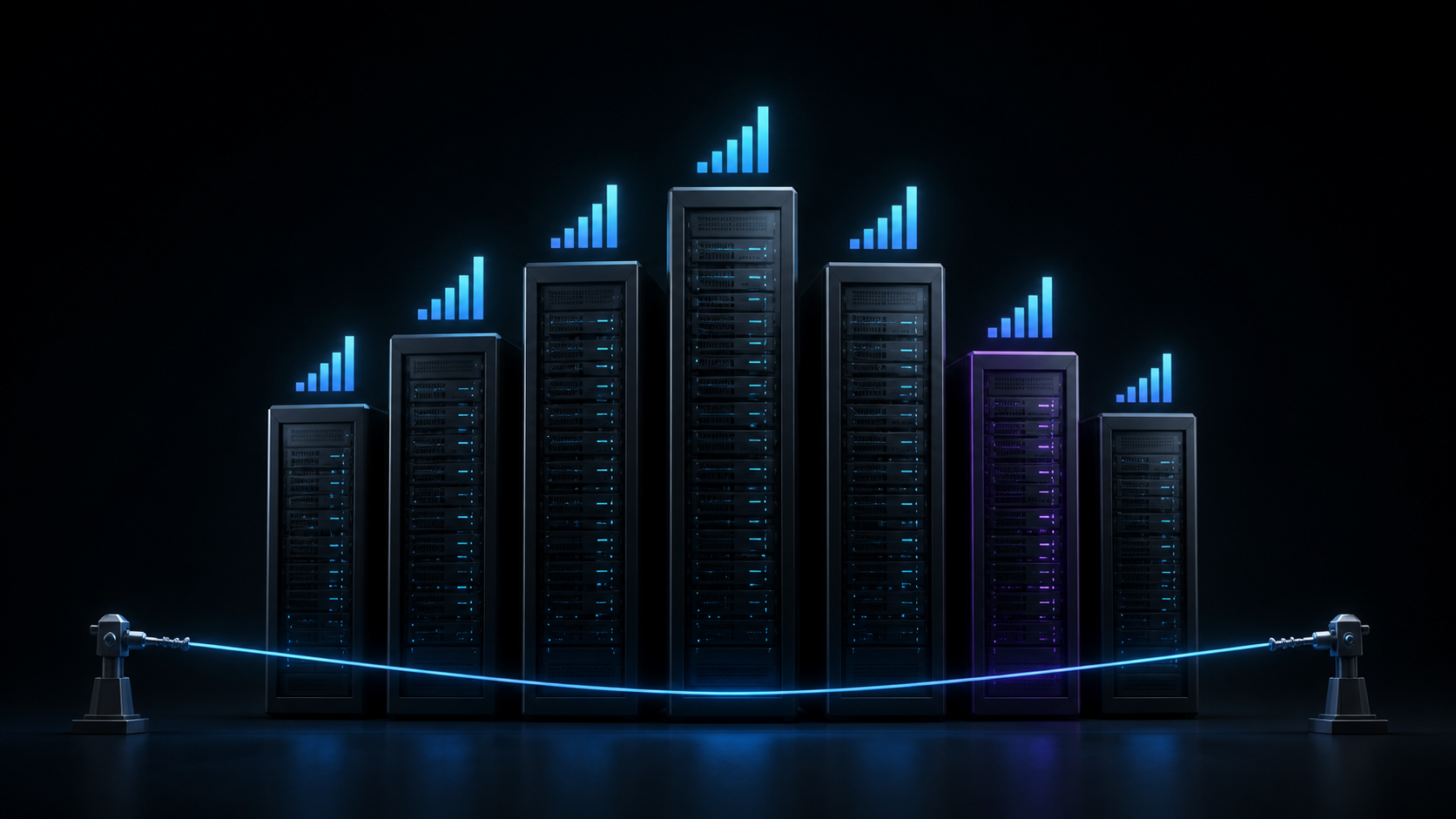
NVIDIA×Groq $20Bは何を変えたか|推論統合・アンチトラストの綱引きと「次に飲まれる候補」をMangoBoostから読む
前回(第32回)で、私はGroqの「吸収」を、推論専用シリコンが最後は資本とエコシステムの戦いに収束する構造の証明だと書きました。公開直後、読者からも社内からも同じ問いが返ってきた——「では、次に飲まれるのは誰か」。本稿はその一問に答えるための続編です。
私は半導体プロセスの出身で、いまはCVCで投資判断を下す側にいます。買収案件を見るとき、私が最初に剥がすのは「いくらで買ったか」より「どういう構造で買ったか」です。投資委員会で追加出資のバリュエーション過大に気づき、データを持って反対し条件交渉を主導した経験から、取引の値札より設計図を疑う癖がついた。NVIDIAのGroq取引は、まさにその設計が巧妙でした。
本稿は、約200億ドルの取引が推論市場で何を変えたのかを、規制・標準・サプライチェーンの三面で深掘りし、「次に飲まれる候補」を逆張りでスクリーニングします。そして最後に、私がいちばん筋が通ると見る一社を推します——チップを一枚も作らないMangoBoostです。あくまで2026年6月時点の見立てで、評価額も提携も半年で塗り替わります。
最初の所感を述べると、NVIDIAはGroqを「買収」していません。約200億ドルで非独占ライセンスを取り、創業者Jonathan Rossごとチームを引き入れた。会計上も規制上も「買収」と呼ばれないこの形こそ、意図的な設計だと私は見ています。
なぜ「ライセンス+人材」なのか。NVIDIAはデータセンターGPUで9割超のシェアを持ち、DOJ(米司法省)が反トラストでサブポエナ(召喚状)を出すほど監視されている。ここで普通にGroqを合併・買収すれば、確実に審査の的になる。だが非独占ライセンスなら所有権は移らず、人材移籍は合併審査の対象外。「最も尖った推論技術だけを抜き取り、会社の殻は残す」——これは規制を熟知した側の打ち手です。実際、約200億ドルはGroq直近評価額$6.9Bの約2.9倍に当たり、技術の値踏みとしては破格でした。
この半年、推論シリコンの統合は一気に進みました。まず直近の主な動きを一枚にします。数値は2026年6月時点で、報道・公式発表ベースです。
| 取引 | 規模 | 型 | 何を取り込んだか | 私の読み |
|---|
| NVIDIA × Groq | 約$20B(非独占ライセンス+人材) | 王者が独立系を吸収 | 確定的実行LPU・低遅延推論 | 所有権を動かさず技術だけ抜く審査回避設計 |
| Marvell × Celestial AI | 約$5.5B | 相互接続の囲い込み | フォトニック・インターコネクト | 推論クラスタの帯域ボトルネックを先取り |
| AMD × Untether AI | 人材・技術の吸収 | 2番手が穴埋め | インメモリ推論IP・チーム | AMD推論スタックの補完、静かな取り込み |
| Intel × SambaNova(不成立) | 約$1.6B提示→拒否 | 救済型買収の失敗 | データフロー推論RDU | 安値買収を蹴り$350M Series Eで独立継続 |
この表で私がいちばん注目するのは、最後のIntel×SambaNovaが成立しなかったことです。約16億ドルの提示をSambaNovaが蹴り、代わりに3.5億ドルのSeries Eで自立を選んだ。統合は一方通行ではなく、買われる側にも「いくらなら売るか」の綱引きがある。ここに逆張りの種があります。
二つ目の所感。推論統合を一枚の絵で語ると見誤ります。私は規制・標準・サプライチェーンの三面に分けて、それぞれ別の力学で動いていると見ています。
第一の面、規制。DOJはNVIDIAに対し、競合への乗り換えを妨げているか、自社製品の排他利用を強いていないかを調べている。RunAI買収のような「周辺の囲い込み」も懸念材料です。だからこそNVIDIAは、Groqを「買収」ではなく「ライセンス+人材」で取った。当局が踏み込めば統合に急ブレーキがかかり、踏み込まなければ「ライセンス型吸収」が業界の標準手口になる。ここは綱引きの真っ最中です。
第二の面、標準とソフト。推論の本当の堀は、チップではなくCUDAのようなソフト・エコシステムにあります。Groqの技術を取り込んだNVIDIAは、低遅延推論まで自分の庭に囲い込もうとしている。逆に言えば、移行容易性(ベンダーを跨いで動くこと)を売りにする企業には、ロックインへの不満が追い風になる。
第三の面、サプライチェーン。推論シリコンは最後にファウンドリとメモリで決まります。先端ノードはTSMC、HBMや製造はSamsungが握る。誰が買収されようと、製造を握る側は漏れなく儲かる。三面を分けて見ると、規制次第で勝者が振れ、標準次第で堀の場所が動き、製造だけは誰が勝っても効く——この非対称が投資の入口です。
| 論点 | 規制・市場側の懸念 | NVIDIA側の論理 | 投資含意 |
|---|
| 市場支配 | DC GPUで9割超のシェア | 競争はむしろ激化している | 大型「買収」は審査リスク、ライセンス型が増える |
| タイイング | CUDA・RunAI等の抱き合わせ | 統合は顧客価値の提供 | ソフトロックインが堀=同時に当局の標的 |
| スイッチングコスト | 他社移行を妨げている疑い | オープン化も進めている | 「移行容易性」を売る企業に逆張り妙味 |
| 買収による封じ込め | 周辺企業の囲い込み | ライセンスは非独占 | 「買収」を避ける設計が今後の型になる |
三つ目の所感。「次に飲まれる候補」を探すとき、多くの人は「いちばん尖ったチップ」を挙げます。私は逆で、「補完として安く取り込めて、規制も通りやすい相手」を上位に置きます。買う側の都合で考えるからです。
直近で資金を積んだ独立系を、買われやすさで並べてみます。Cerebrasは$23B評価で$1Bを調達しIPOに向かう——吸収より公開市場で勝負する側。Etchedは$5B評価で$500Mを積んだが、Transformer専用ASICという単機能の賭けで、評価が高すぎて「安く取り込む」対象になりにくい。d-Matrixはデジタルインメモリ推論で$275Mを調達、IPの魅力と手頃さで補完買収の本命に見える。SambaNovaはIntelの安値提示を蹴ったばかりで、次の綱引きの当事者です。
| 企業 | 直近の資金/評価 | 推論アーキ | 買われやすさ | 私の見立て |
|---|
| d-Matrix | $275M(2025/11) | デジタルインメモリ | 中〜高(IP魅力+手頃) | 補完買収の本命候補 |
| Etched | $500M/評価$5B | Transformer専用ASIC | 低〜中(高評価で割高) | 単機能の賭け、自立志向が強い |
| Cerebras | $1B/評価$23B→IPO | ウェハスケール | 低(公開市場で独立) | 吸収より上場で勝負 |
| SambaNova | $350M Series E | データフローRDU | 中(救済リスク) | 安値買収を蹴った綱引きの当事者 |
| Tenstorrent | $693M/評価$2B | RISC-V Tensixメッシュ | 低(Samsung/Hyundai傘) | IP供給で独立色が濃い |
| MangoBoost | Series A $55M/評価約$300M | チップ非製造・システム最適化 | 低(補完的・買収より提携) | 逆張りの本命=飲まれにくい |
この表の最下段が、本稿の核心です。MangoBoostだけ、列の意味が他社と違う。チップを作らないので「ASICのIPを安く取り込む」対象になりにくく、AMDでもNVIDIAでも動く中立性ゆえに、どこか一社に飲まれると価値が落ちる。飲まれにくいことが、そのまま投資妙味になる——ここを次節で詰めます。
四つ目の所感。MangoBoostを初めて見たとき、私は半固体電池のDDで感じた既視感を覚えました。当時いちばん時間を食ったのは「この会社の取り分は本当に残るのか」の見極めです。MangoBoostの答えは明快で、「チップ戦争には参加せず、その戦争で売れたGPUの稼働率を上げて課金する」。ツルハシを掘る側ではなく、ツルハシを研ぐ側です。
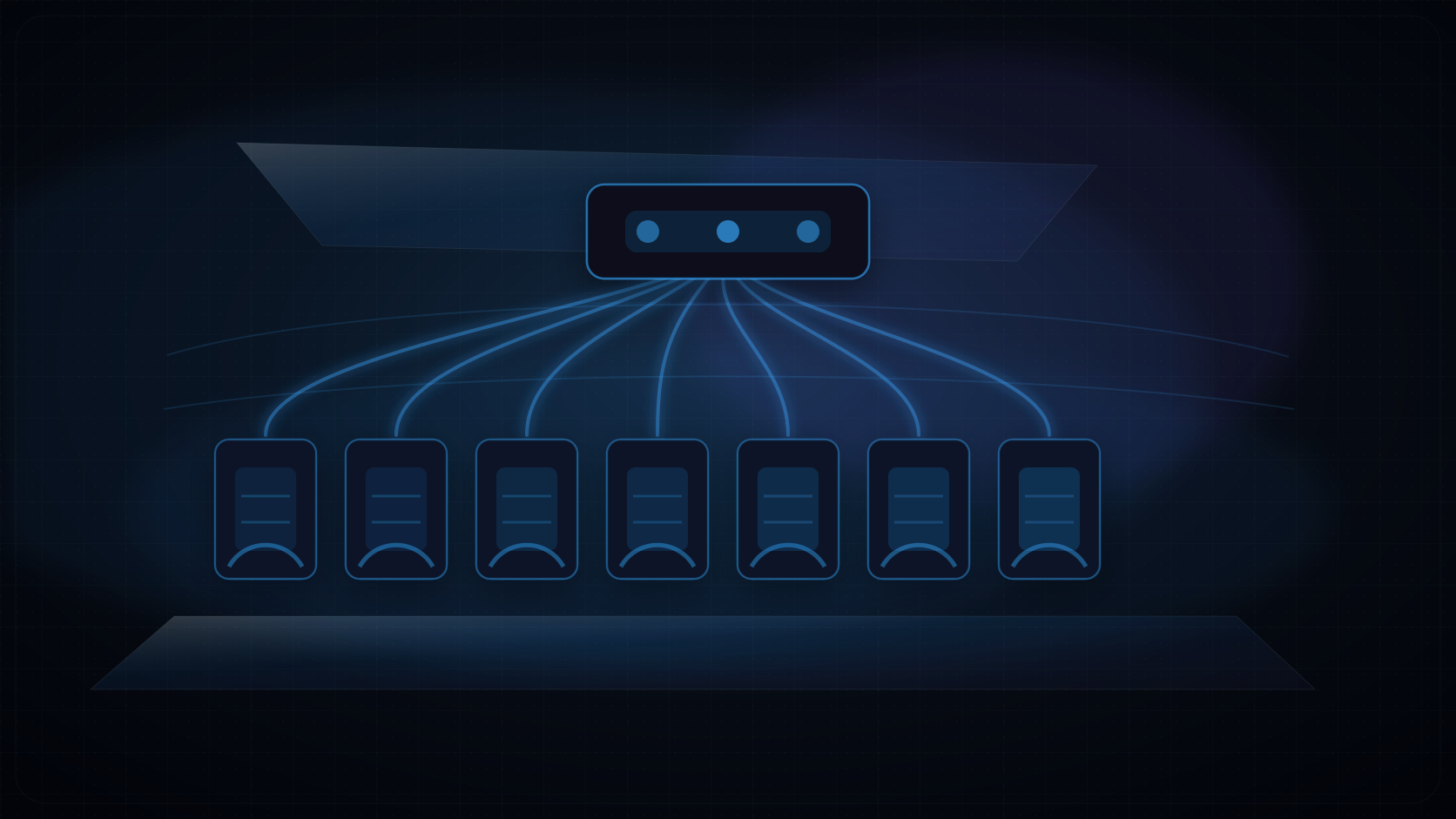
具体を詰めます。MangoBoostはDPU(Data Processing Unit)と推論最適化ソフトの会社です。BoostX 400G DPU、GPUBoost RDMA NIC、そしてMango LLMBoostという推論MLOpsソフトを束ね、GPUが本来の計算に専念できるよう、ネットワーク・ストレージ・スケジューリングの重荷をオフロードする。要は、同じGPUからより多くのトークンを絞り出す層です。
数字も付いてきています。MLPerf Inference v5.0では、AMD Instinct MI300Xを32基(4ノード)束ね、Llama2-70Bオフラインで史上最高の結果を記録。NVIDIA H100勢を使った従来ベスト(Juniper)を約24%上回り、サーバー93,039 TPS/オフライン103,182 TPSを叩き出した。「チップを作らない会社が、チップのランキングを塗り替える」——この逆説が、私には効いて見えます。
| 項目 | 内容 |
|---|
| 設立/本社 | 2022年/米シアトル・韓国ソウル |
| 創業 | Jangwoo Kim(ソウル大教授)ほか、115名超のエンジニア・50超の特許 |
| 調達/評価 | Series A $55M(2023/10)、累計$65M超、評価額は約$300Mと報じられる |
| 製品 | BoostX 400G DPU/GPUBoost RDMA NIC/Mango LLMBoost(推論最適化SW、AWS Marketplace提供) |
| 実績 | MLPerf Inference v5.0でMI300X×32基がH100勢を上回る史上最高記録(Llama2-70B offline) |
| ビジネスモデル | チップを作らず、既存アクセラレータの稼働率を上げて課金(AMD/NVIDIA両対応の中立) |
| 堀 | システム最適化+ソフト+ベンダー非依存。買収より提携で価値が出る構造 |
DDの目で、良い面とレッドフラグを両方置きます。良い面は、①NVIDIAのロックインに不満を持つAMD陣営という追い風、②チップ不要ゆえの資本効率(巨額のファブ投資が要らない)、③MLPerfという第三者ベンチでの実証。レッドフラグは、①$300Mの評価額がソフト中心の売上で正当化できるか、②NVIDIA自身が同じオフロードを内製化すれば価値が薄まる「のみ込まれリスク」、③AMD依存に偏れば「単一エコシステム集中」になること。私は②と③を継続監視の条件にします。技術が中立でも、顧客が中立とは限らないからです。
五つ目の所感。MangoBoostもd-MatrixもSambaNovaも、個人投資家は直接買えません。だから私はいつも通り、「統合が進むほど儲かる隣の上場企業」に置き換えます。
| 上場プロキシ | ティッカー | 推論統合との接点 | 私の見立て |
|---|
| NVIDIA | NVDA | Groqライセンスで低遅延推論まで囲い込み | 統合の最大受益、ただし審査リスクは織り込む |
| AMD | AMD | Untether吸収+MangoBoost等の中立効率が追い風 | 「反NVIDIA」需要の受け皿、推論の対抗軸 |
| Samsung Electronics | 005930.KS | 先端製造+Tenstorrent出資 | 誰が勝っても効く「製造×出資」 |
| TSMC | TSM | 推論シリコン共通ファウンドリ | テーマ全体のツルハシ |
| Broadcom | AVGO | カスタムASIC・相互接続 | ハイパースケーラ内製の隠れ受益 |
私がいちばん筋が通ると見るのは、皮肉にも統合の当事者NVIDIAと、その対抗軸AMDの両建てです。NVIDIAは「ライセンス型吸収」で推論まで庭を広げ、AMDは「反ロックイン」需要とMangoBoost型の中立効率を取り込む側に立つ。どちらに転んでも、製造のSamsung/TSMは漏れなく効く。
最後にシナリオで締めます。三面分析の力学が、どのシナリオで効くかまで紐づけます。
| シナリオ | 確率(主観) | 内容 | 受益する側 |
|---|
| ベース | 50% | ライセンス型統合が続き当局は静観、推論は多様化 | NVDA本命、製造Samsung/TSM、中立効率のMangoBoost型 |
| 強気 | 20% | アンチトラストが緩く大型買収が解禁 | NVDA、買われる側のd-Matrix/SambaNova |
| 弱気 | 20% | DOJがタイイングに踏み込み統合に急ブレーキ | AMD、移行容易性を売る中立レイヤー(MangoBoost型) |
| テール | 10% | 推論バブル調整、高評価ASICが資金繰り難 | 上場プロキシと現金を持つ大手が相対安全 |
私の投資コールは明確です。短期は上場プロキシ、NVDAとAMDの両建てを軸に、製造のSamsung/TSMで取りこぼしを拾う。統合がどう転んでも、チップが売れるほど製造と中立効率レイヤーが効く構造に乗ります。
中期の逆張りは、チップを作らない効率化レイヤーだと見ます。MangoBoost型のDPU+推論ソフトは、規制が統合を止めても進めても、稼働率という普遍の課題で稼ぐ。ただし、NVIDIA内製化による「のみ込まれリスク」と顧客集中は、実行力DDの継続条件です。
飲まれる側の高評価ASICには、評価額に警戒というのが現時点の結論です。Etchedの$5BやCerebrasの$23Bは、IPOや買収で報われるシナリオが狭い。Groqの「吸収」が教えたのは、尖った技術ほど最後は資本とエコシステムに収束するということ。技術の鋭さと投資の報われやすさは、ここでも一致しません。2026年6月時点の見立てとして、半年後に答え合わせをします。
次号の記事案
- 案1:推論「中立レイヤー」の投資地図|DPU・推論SW・GPUクラウドを稼働率で分解 — MangoBoost型の「チップを作らない効率化層」を、DPU・推論最適化SW・ニュークラウドに分け、上場プロキシまで落とす。本稿の逆張り論点の続編。
- 案2:アンチトラストが推論統合を止める日|DOJ対NVIDIAのシナリオ別株価感応度 — タイイングとライセンス設計に当局が踏み込んだ場合の、NVDA・AMD・中立レイヤーへの感応度を定量化する。
- 案3:救済される側の経済学|SambaNova・Cerebras・d-Matrixの「自立 vs 被買収」を評価額で読む — 高評価で資金を積んだ推論ASIC勢が、IPO・独立・被買収のどれに落ちるかを、ランウェイと粗利で逆張り評価する。
本文の事実関係と数値前提は、再審査時にも読者が確認できる一次情報・公的資料を優先して見直しています(2026年6月時点)。
本記事は情報提供を目的としたものであり、特定の銘柄、サービス、契約条件の推奨や投資助言ではありません。執筆者は記事内で触れた銘柄やサービスにポジションまたは利害関係を持つ可能性があります。調査、翻訳、校正の一部に生成AIを利用していますが、最終的な内容はZYL0が確認しています。詳細は免責事項をご確認ください。
What Did NVIDIA × Groq ($20B) Change? Inference Consolidation, the Antitrust Tug-of-War, and Reading the Next Targets Through MangoBoost
In the previous issue (No. 32), I read Groq's "absorption" as proof of structure: inference-only silicon ultimately converges into a battle of capital and ecosystem. The moment it published, the same question came back from readers and from inside my own firm — "so who gets swallowed next?" This piece is the sequel that answers that one question.
I came up through semiconductor process engineering, and I now sit on the deciding side at a CVC. When I look at a deal, the first thing I peel back is not "what price" but "what structure." Having once recognized an excessive follow-on valuation in committee, opposed it with data, and led the renegotiation, I learned to distrust the design of a deal more than its sticker. NVIDIA's Groq deal was, above all, cleverly designed.
This piece drills into what the ~$20B deal actually changed in the inference market across three axes — regulation, standards, supply chain — and screens, contrarian-style, for the next name likely to be swallowed. Then I make my pick for the most coherent play: a company that does not build a single chip — MangoBoost. This is a June 2026 snapshot; valuations and partnerships will be rewritten within six months.
My first observation: NVIDIA did not "acquire" Groq. It took a non-exclusive license for roughly $20 billion and pulled in founder Jonathan Ross and his team. The very fact that this is called neither an acquisition in accounting nor in regulation is, I think, the deliberate design.
Why "license plus talent"? NVIDIA holds 90%-plus share in data-center GPUs and is watched closely enough that the DOJ has issued subpoenas on antitrust grounds. A straight merger of Groq would be a sure target for review. But a non-exclusive license moves no ownership, and a talent transfer falls outside merger review. "Extract only the sharpest inference technology, leave the corporate shell standing" — that is the move of a player who knows the rulebook. And ~$20B is about 2.9× Groq's recent $6.9B valuation: an extraordinary price for the technology alone.
Over the past six months, inference-silicon consolidation accelerated sharply. Here are the recent moves on one page. Figures are as of June 2026, on a press/announcement basis.
| Deal | Size | Type | What it absorbed | My read |
|---|
| NVIDIA × Groq | ~$20B (non-exclusive license + talent) | King absorbs the independent | Deterministic LPU, low-latency inference | Extract tech without moving ownership — a review-avoiding design |
| Marvell × Celestial AI | ~$5.5B | Locking up interconnect | Photonic interconnect | Pre-empts the bandwidth bottleneck of inference clusters |
| AMD × Untether AI | Talent/tech absorption | Runner-up fills a gap | In-memory inference IP + team | Quietly completes AMD's inference stack |
| Intel × SambaNova (failed) | ~$1.6B offered → rejected | Rescue buyout that fell through | Dataflow RDU | Spurned the lowball, stayed independent on a $350M Series E |
What I watch most in this table is that the last one, Intel × SambaNova, did not close. SambaNova spurned a ~$1.6B offer and chose independence on a $350M Series E instead. Consolidation is not one-way; the target also has a say in "at what price would I sell." That is where the contrarian seed lies.
A second observation. Tell the consolidation story as one picture and you will misjudge it. I split it into three axes — regulation, standards, supply chain — each moving by different mechanics.
First, regulation. The DOJ is probing whether NVIDIA impedes switching to rivals or forces exclusive use of its products. "Adjacent lock-in," like the RunAI acquisition, is a concern too. That is precisely why NVIDIA took Groq via "license plus talent," not an acquisition. If regulators lean in, consolidation slams on the brakes; if they don't, "license-style absorption" becomes the industry's standard playbook. This is a tug-of-war in real time.
Second, standards and software. The real moat in inference is not the chip but the software ecosystem, like CUDA. Having absorbed Groq's technology, NVIDIA now reaches to fence even low-latency inference into its own garden. Conversely, for companies that sell portability — running across vendors — frustration with lock-in becomes a tailwind.
Third, supply chain. Inference silicon is ultimately decided at the foundry and in memory. Leading nodes belong to TSMC; HBM and much manufacturing run through Samsung. Whoever gets acquired, the side that holds manufacturing profits without leakage. Split the three and you see the asymmetry: regulation swings who wins, standards move where the moat sits, and manufacturing alone pays no matter who wins — that asymmetry is the entry point for investing.
| Issue | Regulator/market concern | NVIDIA's logic | Investment implication |
|---|
| Market dominance | 90%+ share in DC GPUs | Competition is in fact intensifying | Big "acquisitions" carry review risk; license deals proliferate |
| Tying | Bundling of CUDA, RunAI, etc. | Integration delivers customer value | Software lock-in is the moat — and the regulator's target |
| Switching cost | Suspected impediment to moving | Also advancing openness | Contrarian appeal in firms selling "portability" |
| Containment via M&A | Fencing in adjacent players | Licenses are non-exclusive | "Avoid the word acquisition" becomes the template |
A third observation. When hunting for "the next to be swallowed," most people name "the sharpest chip." I do the opposite and rank highest the partner that is cheap to absorb as a complement and easy to clear regulation. Because I reason from the buyer's incentives.
Line up the recently funded independents by ease-of-being-bought. Cerebras raised $1B at a $23B valuation and is heading to IPO — the side that fights in public markets rather than being absorbed. Etched stacked $500M at a $5B valuation, but its Transformer-only ASIC is a single-function bet, priced too high to be a "cheap tuck-in." d-Matrix raised $275M on digital in-memory inference; its IP appeal and affordability make it the prime complementary-buy candidate. SambaNova just spurned Intel's lowball and is a party to the next tug-of-war.
| Company | Recent raise / valuation | Inference architecture | Ease of being bought | My read |
|---|
| d-Matrix | $275M (Nov 2025) | Digital in-memory | Medium–high (IP + affordable) | Prime complementary-buy candidate |
| Etched | $500M / $5B valuation | Transformer-only ASIC | Low–medium (priced high) | Single-function bet, leans independent |
| Cerebras | $1B / $23B valuation → IPO | Wafer-scale | Low (independent via listing) | Fights in public markets, not absorption |
| SambaNova | $350M Series E | Dataflow RDU | Medium (rescue risk) | Spurned the lowball; party to the tug-of-war |
| Tenstorrent | $693M / $2B valuation | RISC-V Tensix mesh | Low (Samsung/Hyundai roof) | Heavy independent streak via IP supply |
| MangoBoost | Series A $55M / ~$300M valuation | No chip; system-level optimization | Low (complementary; partner not acquire) | The contrarian pick — hard to swallow |
The bottom row is the heart of this piece. For MangoBoost alone, the columns mean something different. It builds no chip, so it is a poor target for "absorb the ASIC IP cheaply," and its neutrality — running on AMD and NVIDIA alike — would lose value the moment it were swallowed by any single house. Being hard to swallow is itself the investment appeal — I press that in the next section.
A fourth observation. The first time I looked at MangoBoost, I felt the déjà vu from my semi-solid battery diligence. Back then, the work that ate the most time was judging whether the company's slice of value would actually remain. MangoBoost's answer is crisp: don't enter the chip war — charge for raising the utilization of the GPUs that war sells. Not the side digging picks, the side sharpening them.
To the specifics. MangoBoost is a DPU (Data Processing Unit) and inference-optimization software company. It bundles the BoostX 400G DPU, the GPUBoost RDMA NIC, and Mango LLMBoost — inference MLOps software — to offload the burdens of networking, storage, and scheduling so the GPU can focus on the compute it exists for. In short, it is the layer that squeezes more tokens out of the same GPU.
The numbers are following. In MLPerf Inference v5.0, it lashed 32 AMD Instinct MI300X GPUs across four nodes and posted the highest-ever result for Llama2-70B offline, beating the prior best on NVIDIA H100s (Juniper) by about 24% — 93,039 TPS in the server scenario and 103,182 TPS offline. "A company that builds no chip rewrites the chip leaderboard" — that paradox is what works on me.
| Item | Detail |
|---|
| Founded / HQ | 2022 / Seattle, US & Seoul, Korea |
| Founders | Jangwoo Kim (SNU professor) and others; 115+ engineers, 50+ patents |
| Raise / valuation | Series A $55M (Oct 2023), $65M+ cumulative, valuation reported around $300M |
| Products | BoostX 400G DPU / GPUBoost RDMA NIC / Mango LLMBoost (inference software, on AWS Marketplace) |
| Track record | Highest-ever MLPerf Inference v5.0 result on 32× MI300X, beating H100 fields (Llama2-70B offline) |
| Business model | Builds no chip; charges for lifting utilization of existing accelerators (neutral across AMD/NVIDIA) |
| Moat | System optimization + software + vendor neutrality; value comes from partnering, not being acquired |
With a diligence eye, I place both the upside and the red flags. Upside: ① the tailwind of an AMD camp frustrated with NVIDIA lock-in; ② capital efficiency from needing no chip (no massive fab spend); ③ third-party proof on MLPerf. Red flags: ① whether a ~$300M valuation is justified on software-led revenue; ② "swallow risk" if NVIDIA internalizes the same offload and thins the value; ③ "single-ecosystem concentration" if it leans too far onto AMD. I keep ② and ③ as continuing-diligence conditions — because even if the technology is neutral, the customers may not be.
A fifth observation. An individual investor cannot buy MangoBoost, d-Matrix, or SambaNova directly. So, as ever, I substitute "the adjacent listed companies that profit the more consolidation advances."
| Public proxy | Ticker | Link to inference consolidation | My read |
|---|
| NVIDIA | NVDA | Groq license fences in low-latency inference | Biggest beneficiary; price in review risk |
| AMD | AMD | Untether absorption + neutral-efficiency tailwind | Catch basin for "anti-NVIDIA" demand |
| Samsung Electronics | 005930.KS | Leading-edge manufacturing + Tenstorrent stake | "Make × back" that pays whoever wins |
| TSMC | TSM | Common foundry for inference silicon | Pick-and-shovel for the whole theme |
| Broadcom | AVGO | Custom ASIC and interconnect | Hidden beneficiary of hyperscaler in-house silicon |
The most coherent exposure, ironically, is a barbell of the consolidator NVIDIA and its counterweight AMD. NVIDIA widens its garden to inference via "license-style absorption"; AMD stands on the side that captures "anti-lock-in" demand and MangoBoost-style neutral efficiency. Either way it tips, Samsung/TSM in manufacturing pay without leakage.
I close on scenarios, tying the three-axis mechanics to the scenario where each works.
| Scenario | Subjective probability | Story | Who benefits |
|---|
| Base | 50% | License-style consolidation continues, regulators watch; inference diversifies | NVDA primary, makers Samsung/TSM, neutral-efficiency MangoBoost type |
| Bull | 20% | Antitrust stays loose; big acquisitions are unlocked | NVDA, plus the bought-side d-Matrix/SambaNova |
| Bear | 20% | DOJ leans into tying; consolidation slams the brakes | AMD, and portability-selling neutral layers (MangoBoost type) |
| Tail | 10% | An inference bubble corrects; high-valuation ASICs strain for cash | Listed proxies and cash-rich majors are relatively safe |
My investment call is explicit. Near-term, public proxies — a barbell of NVDA and AMD anchored, with Samsung/TSM in manufacturing to catch the spillover. However consolidation tips, I ride the structure where the more chips sell, the more manufacturing and the neutral-efficiency layer pay.
The medium-term contrarian is the "efficiency layer that builds no chip." A MangoBoost-style DPU-plus-inference-software earns on the universal problem of utilization whether regulation stops consolidation or speeds it. But the "swallow risk" from NVIDIA internalization and customer concentration are execution-diligence conditions.
For the high-valuation ASICs on the bought side, my conclusion is caution on valuation. Etched at $5B and Cerebras at $23B have narrow scenarios for getting paid via IPO or acquisition. What Groq's "absorption" taught is that the sharper the technology, the more surely it converges into capital and ecosystem. Technical sharpness and investment payoff don't line up here either. This is my view as of June 2026, and I will mark it to market in six months.
Next Issue Ideas
- Idea 1: The Investment Map of the Inference "Neutral Layer" — DPUs, Inference Software, and GPU Clouds, Decomposed by Utilization — Split the MangoBoost-style "efficiency layer that builds no chip" into DPUs, inference-optimization software, and neoclouds, drilling to listed proxies. A sequel to this post's contrarian thread.
- Idea 2: The Day Antitrust Halts Inference Consolidation — DOJ vs. NVIDIA, Stock-Price Sensitivity by Scenario — Quantify the sensitivity of NVDA, AMD, and the neutral layer if regulators lean into tying and the license design.
- Idea 3: The Economics of the Rescued — Reading SambaNova, Cerebras, and d-Matrix's "Independence vs. Acquisition" Through Valuation — Quantify, contrarian-style, whether the cash-rich inference-ASIC cohort lands on IPO, independence, or acquisition, using runway and gross margin.
- The Researchers Behind Kimi K3, Fable 5, and GPT-5.6: Founding Lineages of Moonshot, Anthropic, and OpenAI — The model-lab side of the capital story: founder research lineages and 2026 valuations, pairing with this post's infrastructure angle.
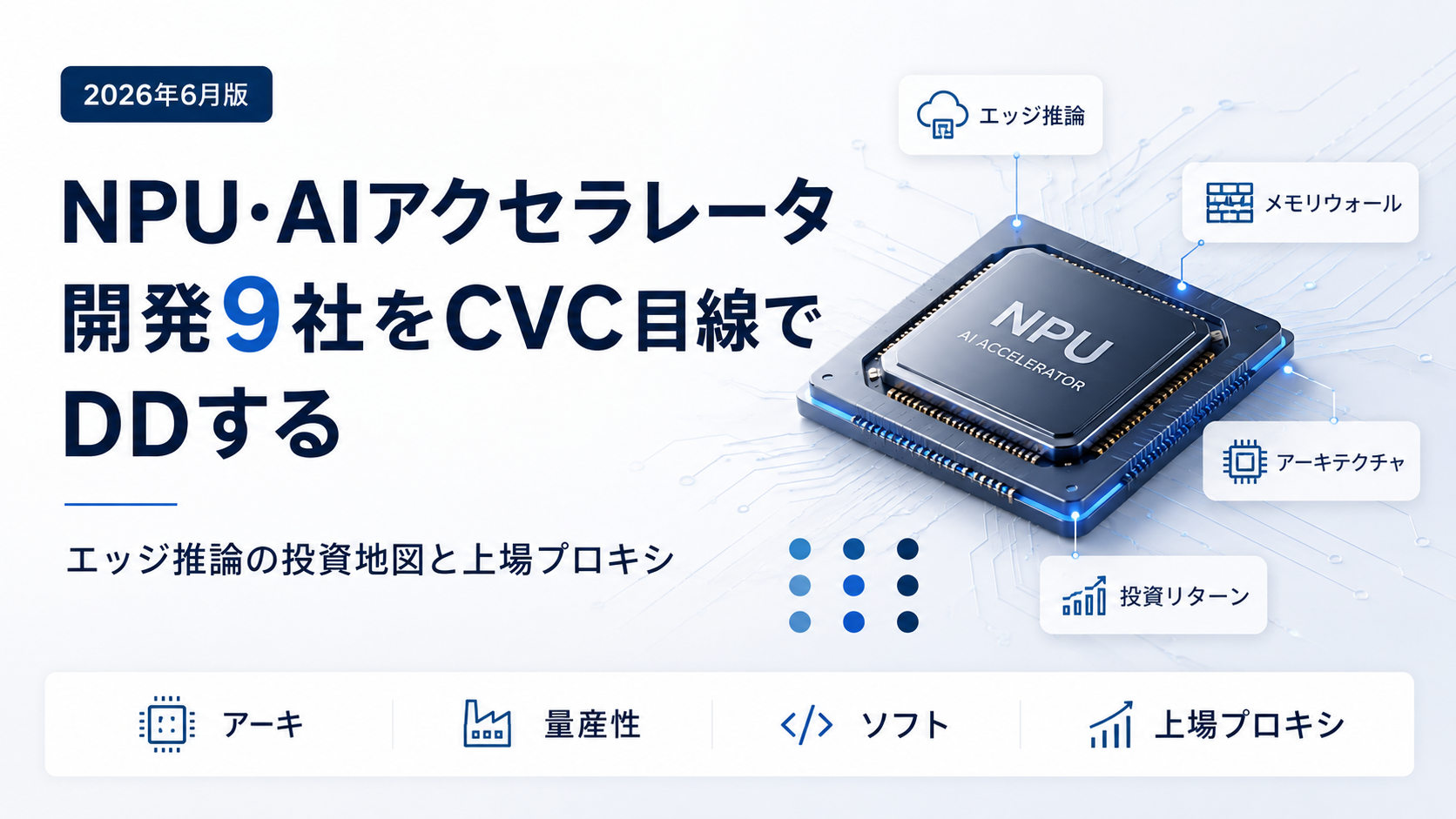
- Diligencing the 9 NPU / AI-Accelerator Developers as a CVC: An Edge-Inference Investment Map and Its Public Proxies — CVC diligence on nine NPU developers — the NVIDIA-Groq consolidation, memory-wall architecture splits, public proxies,…
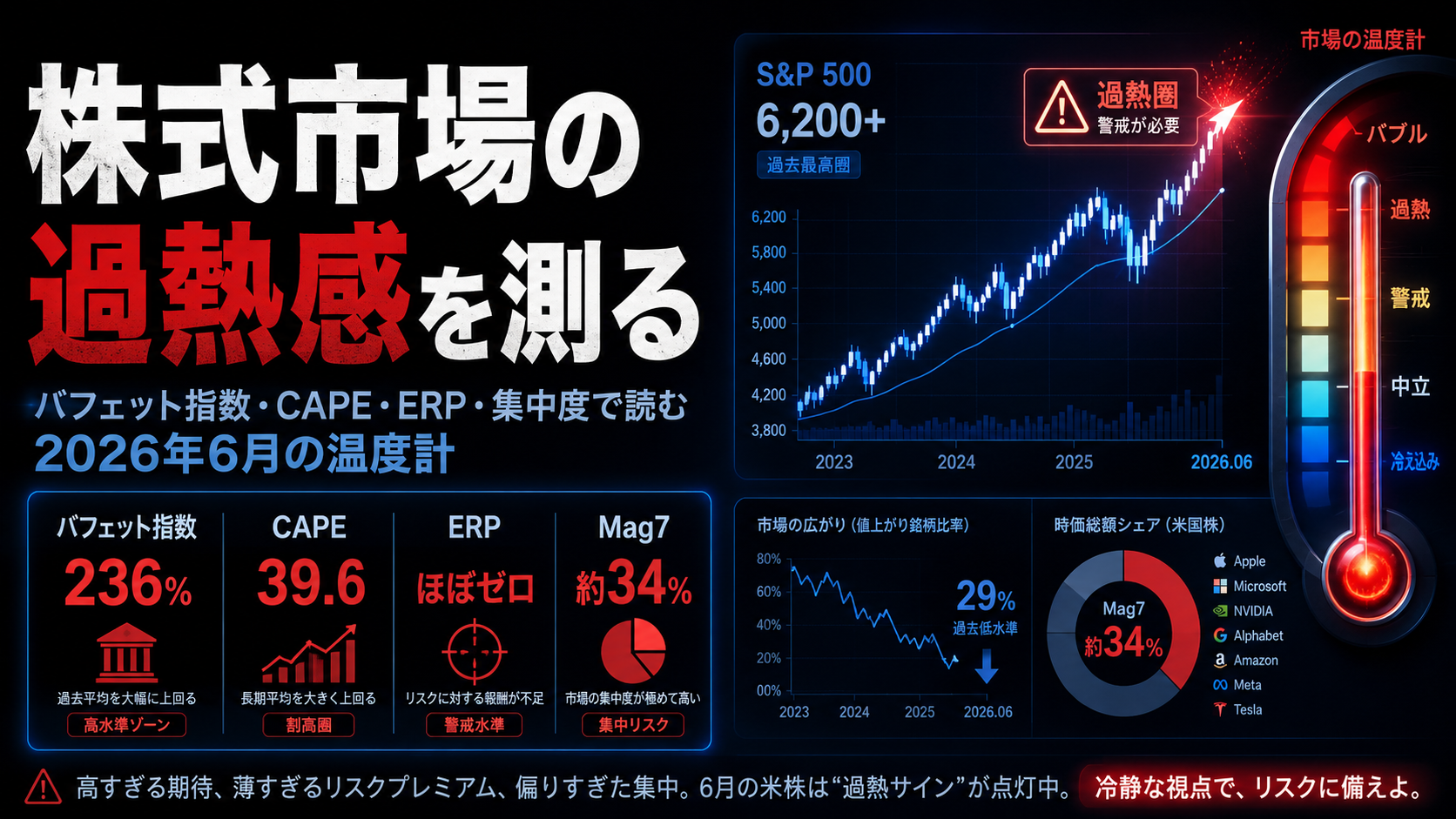
- Decoding Big Tech Q1 2026 Earnings: A Comparative Analysis of Meta, Amazon, Google, and Microsoft — Q1 2026 earnings reveal Big Tech's AI capex showing up in the numbers.
The factual and numerical assumptions in this article are anchored to primary or public sources that readers can revisit during review and future updates (as of June 2026).
This article is for informational purposes only and does not constitute investment advice or a recommendation of any specific stock, service, or contract structure. The author may hold positions or interests related to companies or services mentioned. Generative AI was used for parts of research, translation, and proofreading, with final review by ZYL0. See the disclaimer for details.