Kimi K3・Fable 5・GPT-5.6を生んだ研究者たち:Moonshot・Anthropic・OpenAI創業の系譜
第1弾(第39回)では、2026年7月のフロンティア三強をベンチマークと価格で比較しました。書きながらずっと引っかかっていたのは、AIニュース番組AI QUESTで今井翔太氏が口にした一言です。「Kimi K3の開発者は、AI研究で世界一」。モデルの点数は毎週見ているのに、その点数を作った人間の来歴を、私はほとんど知らなかった。
CVCで投資判断をする立場になってから、私はピッチ資料より先に創業者の経歴を読む癖がつきました。北米駐在で初めて海外スタートアップの投資検討を回したとき、技術の目利き以上に効いたのが「この創業者は過去に何を積み上げてきた人か」というリファレンスの読み込みだったからです。本稿はその癖をAIラボ3社に適用したノートです。楊植麟のTransformer-XL、Amodei兄妹のスケーリング則、OpenAIの非営利からPBCへの10年——研究と組織の系譜が、いま手元のモデルの設計にどう現れているかを読みます。
バージョン注記: 事実関係は2026年7月23日時点。評価額・調達額は報道および各社公式発表ベースの私募市場の値で、流動性のある市場価格ではありません。人物の経歴は公開情報(論文・公式プロフィール・報道)に基づきます。
| テーマ | 学べること |
|---|
| Moonshot AI | 楊植麟のTransformer-XL/XLNetがKimi K3の1Mコンテキストに直結する系譜 |
| Anthropic | スケーリング則とConstitutional AIがFable 5の分類器ゲート設計に至る経緯 |
| OpenAI | 非営利(2015)→capped-profit(2019)→PBC(2025)の組織変遷とGPT-5.6の価格階層 |
| 投資視点 | 評価額$20B/$965B/$852Bの読み方と、創業者系譜で読むときの落とし穴 |
まず「AI研究で世界一」の中身から確かめます。調べてみると、これは誇張というより略称でした。
楊植麟(Yang Zhilin)氏は1992年、広東省汕頭の生まれ。清華大学の計算機科学科を経て、カーネギーメロン大学(CMU)で博士号を取得しています。指導教官はRuslan Salakhutdinov氏(後のApple AI研究ディレクター)とWilliam Cohen氏(後のGoogle DeepMind主任研究者)。在学中にFacebook AI Research(FAIR)とGoogle Brainでも研究し、2019年に共同筆頭著者としてTransformer-XL、筆頭著者としてXLNetを発表しました。XLNetは当時最強だったGoogleのBERTを20の標準タスク中18で上回り、両論文の被引用は合計1万件を超えます。今井氏の「世界一」は、この同世代NLP研究者としての被引用実績を指しています。
Transformer-XLが解いた問題を1行で言えば「固定長の窓の外を忘れる」ことです。前のセグメントの隠れ状態をキャッシュして再利用し、相対位置エンコーディングで位置の整合を取る。擬似コードにするとこうなります。
# Transformer-XL segment-level recurrence (simplified)
# h_prev: hidden states cached from the previous segment (no gradient)
def transformer_xl_layer(h_prev, x_curr):
    h_tilde = concat([stop_gradient(h_prev), x_curr], axis=seq)  # reuse memory
    q = W_q @ x_curr                     # queries come from the current segment
    k, v = W_k @ h_tilde, W_v @ h_tilde  # keys/values can see the cached past
    return attention(q, k, v, rel_pos_bias=True)  # relative position encoding
「文脈の窓を延ばす」という2019年の研究課題は、2023年3月に周昕宇氏・呉育昕氏(いずれも清華同窓)と創業したMoonshot AIの製品思想にそのまま流れ込みます。初代Kimiの売りは当時としては桁外れの長文コンテキストで、Kimi K3の1Mトークン・コンテキストと2.8T MoE(KDA+Attention Residuals)は、その延長線上にある。創業者が博士課程で選んだ問題設定が、7年後のフラッグシップの仕様欄に残っている——私にはこれが、今回いちばん美しい系譜に見えました。
資本の側も駆け足で確認します。評価額は2025年末の$4.3Bから、2026年2月に$10B、5月には美団(Meituan)リードの$2B調達で$20B超へ。株主にはAlibabaとTencentが同時に名を連ね、ARR(年間経常収益)は4月時点で$200Mを超えたと報じられています。他分野では競合する2大テック双方が出資している点は、私には少し驚きでした。
2社目は、第39回で総合首位だったFable 5のAnthropicです。ここの系譜は「予測」と「安全」の2本線で読むのが分かりやすい。
Dario Amodei氏はPrinceton大学で計算生物物理の博士号を取得後、百度でAndrew Ng氏のチームに参加し音声認識Deep Speechの研究に従事、Google Brainを経て2016年にOpenAIに加わりました。研究担当VPとしてGPT-2・GPT-3の開発を主導し、2020年の論文「Scaling Laws for Neural Language Models」の中心人物の一人でもあります。計算量・データ・パラメータを増やせば性能がべき乗則で予測可能に伸びる——この発見は「大きく賭ければ勝てる」という確信と、「能力の伸びが予測できるなら、危険の伸びも予測して備えるべきだ」という警戒の両方を生みました。
2021年、Dario氏は妹のDaniela Amodei氏(OpenAIで安全・政策担当VP)や、GPT-3筆頭著者Tom Brown氏、スケーリング則の物理学者Jared Kaplan氏、解釈可能性研究のChris Olah氏らとOpenAIを離れ、Anthropicを創業します。商業化のスピードと安全研究のバランスをめぐる路線の違いが背景とされます。以後のConstitutional AI(2022)や責任あるスケーリング方針(RSP)は、この「予測して備える」路線の制度化です。
そしてFable 5の設計を見ると、この系譜がそのまま製品仕様になっています。最上位の重み(Claude Mythos 5)は研究機関向けの限定公開に留め、一般提供のFable 5は同一重みに安全分類器を重ねて、高リスクと判定したクエリをOpus 4.8へ再ルーティングする。能力を安全ゲートの背後に置いてから出荷する——2021年の創業理由が、2026年のAPI仕様として実装されているわけです。設計の一貫性という点で、私はここまで思想が製品に素直に出ている例をあまり知りません。
資本面では2026年2月にSeries Gで$30Bを評価額$380Bで調達、5月にはSeries Hで$65Bを評価額$965Bで調達し、6月1日にIPOを機密申請しました。Series HにはSamsung・SK Hynix・Micronといった半導体サプライヤーが戦略投資家として参加しています。私募の紙の上とはいえ、評価額でOpenAIを上回った瞬間があったことは記録しておくべき転換点です。
3社目は最古参のOpenAIです。ここは人物より「組織の形」の変遷が本体だと私は見ています。
創業は2015年12月。Sam Altman氏、Elon Musk氏、Greg Brockman氏、Ilya Sutskever氏らが「AGIを全人類の利益のために」を掲げた非営利研究所として設立しました。研究の背骨はSutskever氏の系譜——Geoffrey Hinton門下でAlexNet(2012)により深層学習ブームの引き金を引き、seq2seq(2014)で系列変換の土台を作った人物です。「スケールを信じる」文化はここから始まり、前節のスケーリング則もOpenAI在籍時の成果でした。
以後の10年は、理想と資本の緊張の連続です。2019年に営利子会社(capped-profit)を作りMicrosoftから$1Bを受け入れ、2022年のChatGPTで商業化が一気に加速。2023年11月の取締役会騒動、2024年のSutskever氏ら中核研究者の離脱を経て、2025年に再編が完了します。非営利のOpenAI Foundationが持株約26%で統治し、営利部門はOpenAI Group PBC(公益法人)へ。Microsoftが希薄化後で約27%、残り約47%を従業員と投資家が持つ構造です。2026年3月には$122Bを評価額$852Bで調達し、IPOは2027年頃が目標と報じられています。
GPT-5.6のSol/Terra/Lunaという価格階層は、この商業化の歴史の到達点として読むと腑に落ちます。単一の最強モデルではなく、$5/$30から$1/$6までの「階段」を最初から製品ラインとして設計する。研究所ではなくプラットフォーム企業の発想です。一方でAI QUESTでは、GPT系モデルの「暴走」的な振る舞いを規制対応の代償と読む議論も紹介されていました。安全の作り込み方が3社でこれだけ違う以上、規制との距離感も3様になる——ここは第39回で書いた分類器の話と地続きです。
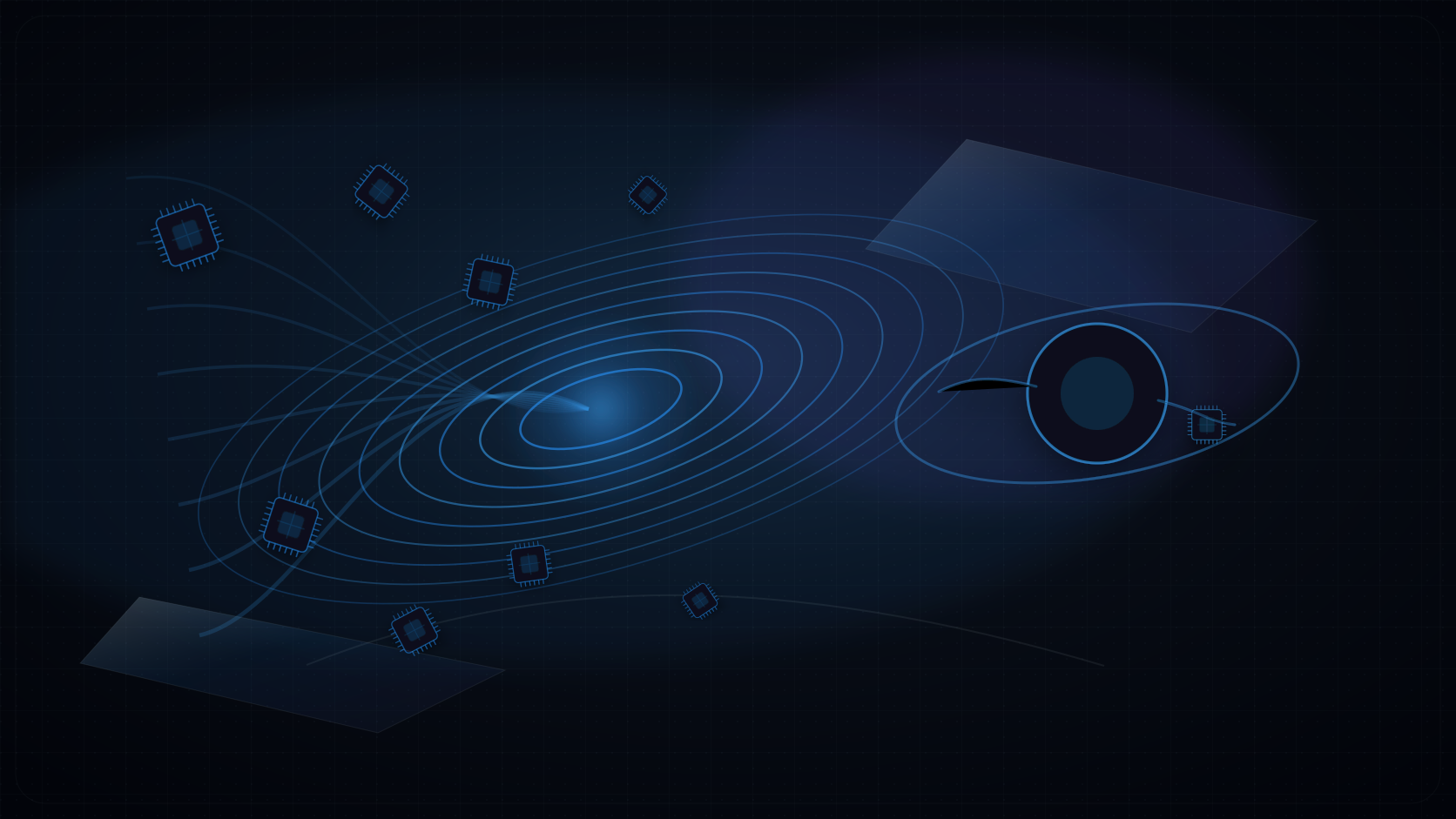
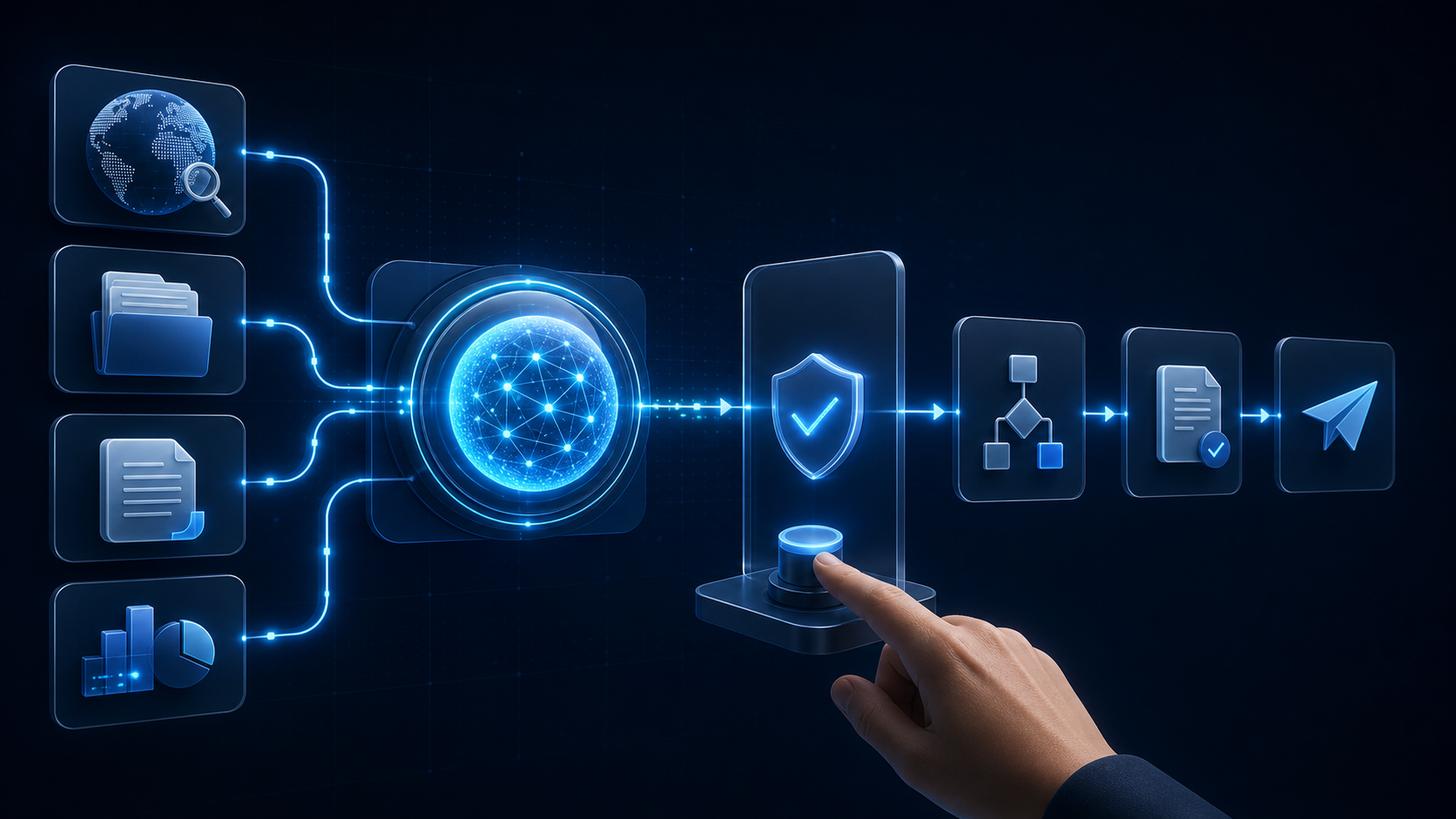
ここまでの3本の物語を、まず時間軸で一枚にします。
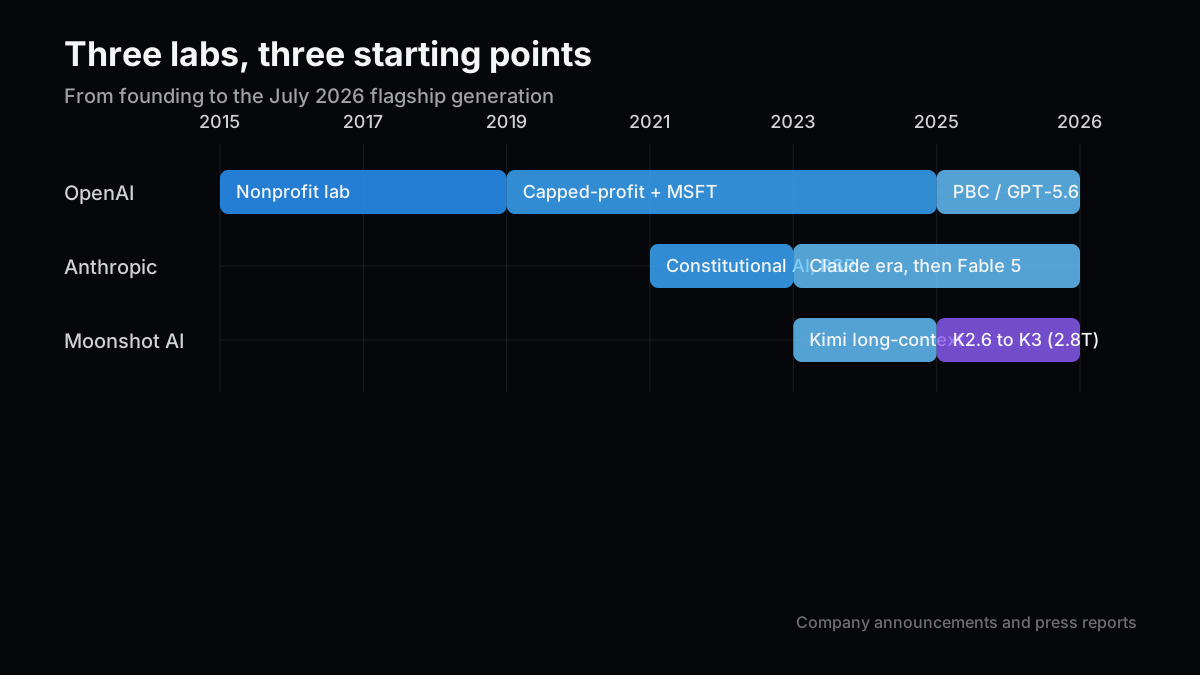
創業年だけ見ても2015年・2021年・2023年と6年ずつずれており、後発ほど「前の会社が解いた問題」を前提に出発しています。OpenAIがスケールの有効性を証明し、Anthropicがスケールの安全な出荷方法を制度化し、Moonshotがその両方を前提にオープンウェイトで追撃する。系譜を表に整理するとこうなります。
| 項目 | Moonshot AI | Anthropic | OpenAI |
|---|
| 創業 | 2023年3月 | 2021年 | 2015年12月 |
| 中心人物 | 楊植麟・周昕宇・呉育昕 | Dario & Daniela Amodei ほか | Altman・Brockman・Sutskever ほか |
| 創業者の代表研究 | Transformer-XL・XLNet | スケーリング則・GPT-2/3・Constitutional AI | AlexNet・seq2seq(Sutskever系譜) |
| 2026年のフラッグシップ | Kimi K3(2.8T MoE) | Claude Fable 5(Mythosクラス) | GPT-5.6(Sol/Terra/Luna) |
| 設計に残る署名 | 1Mコンテキスト=長文脈研究の延長 | 安全分類器+限定公開=RSPの製品化 | 価格階層=プラットフォーム化の帰結 |
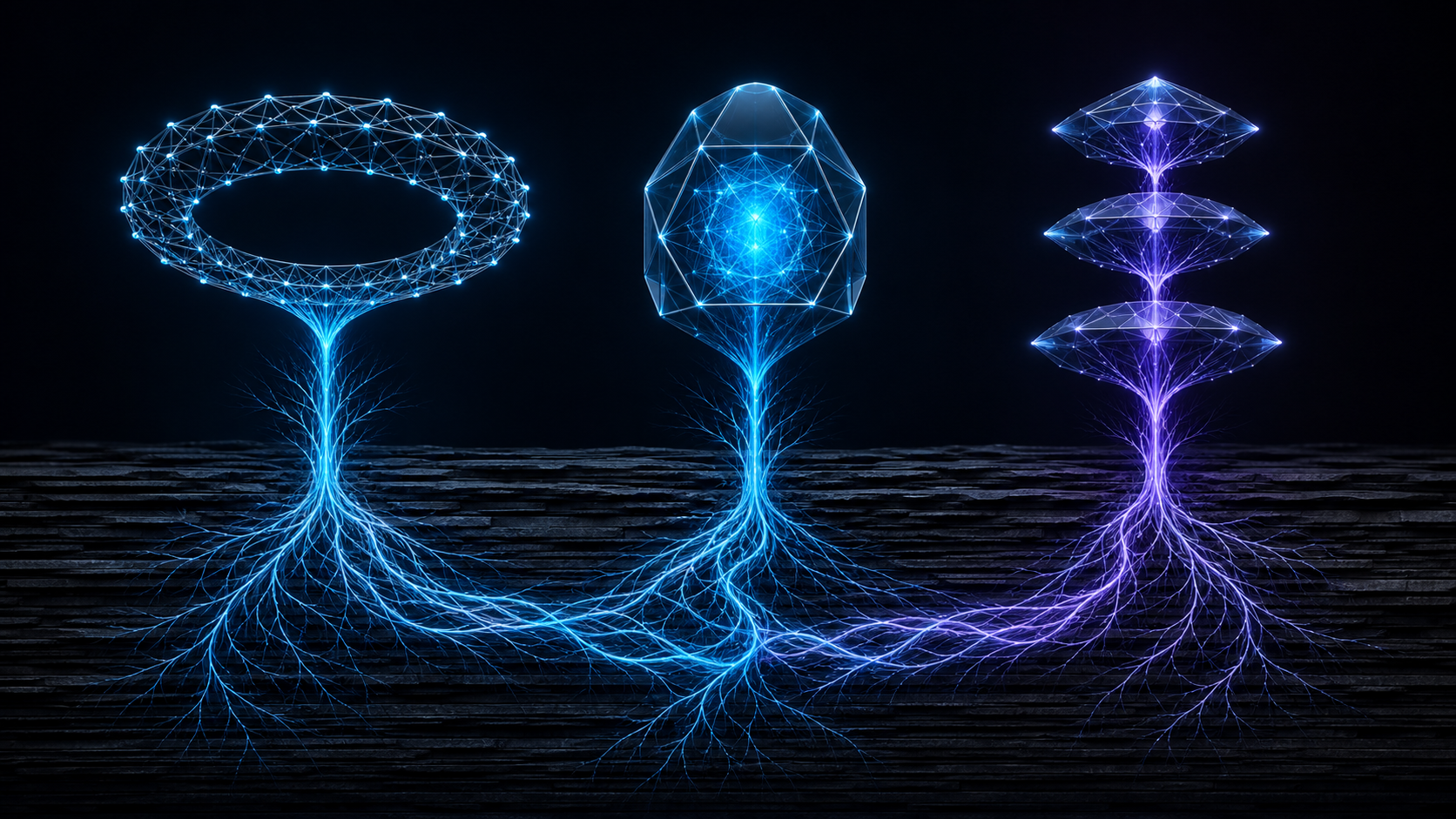
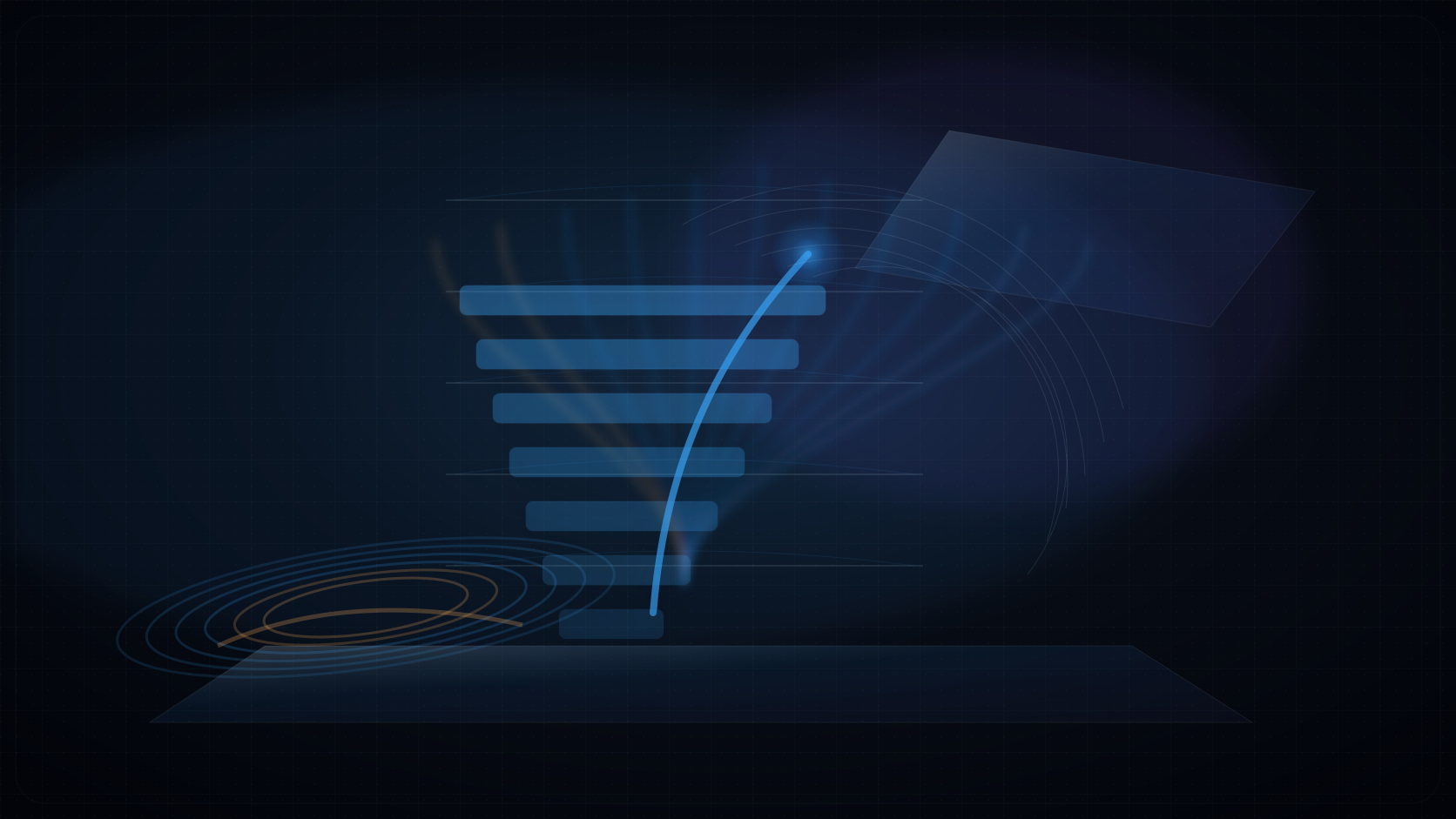
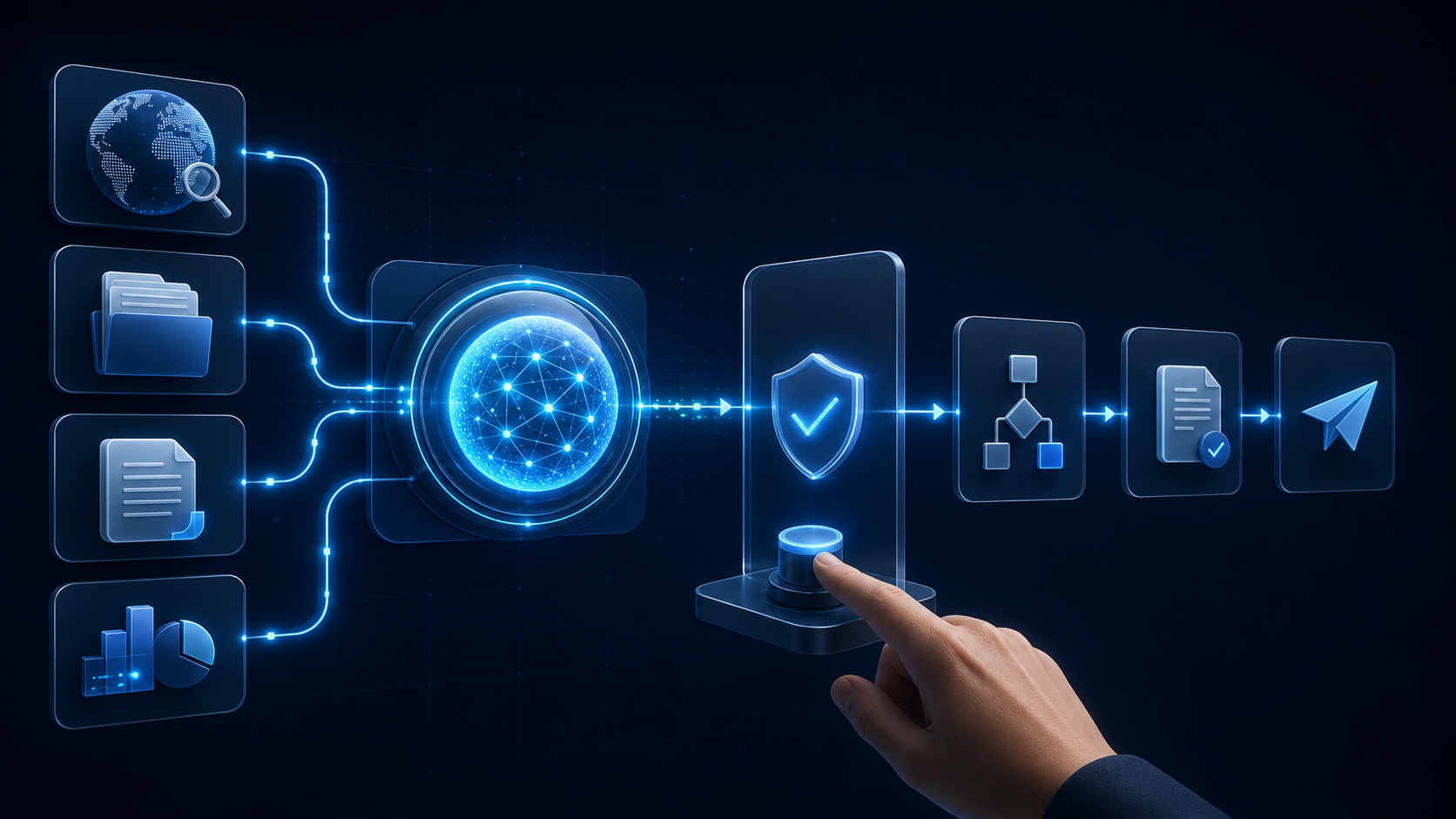
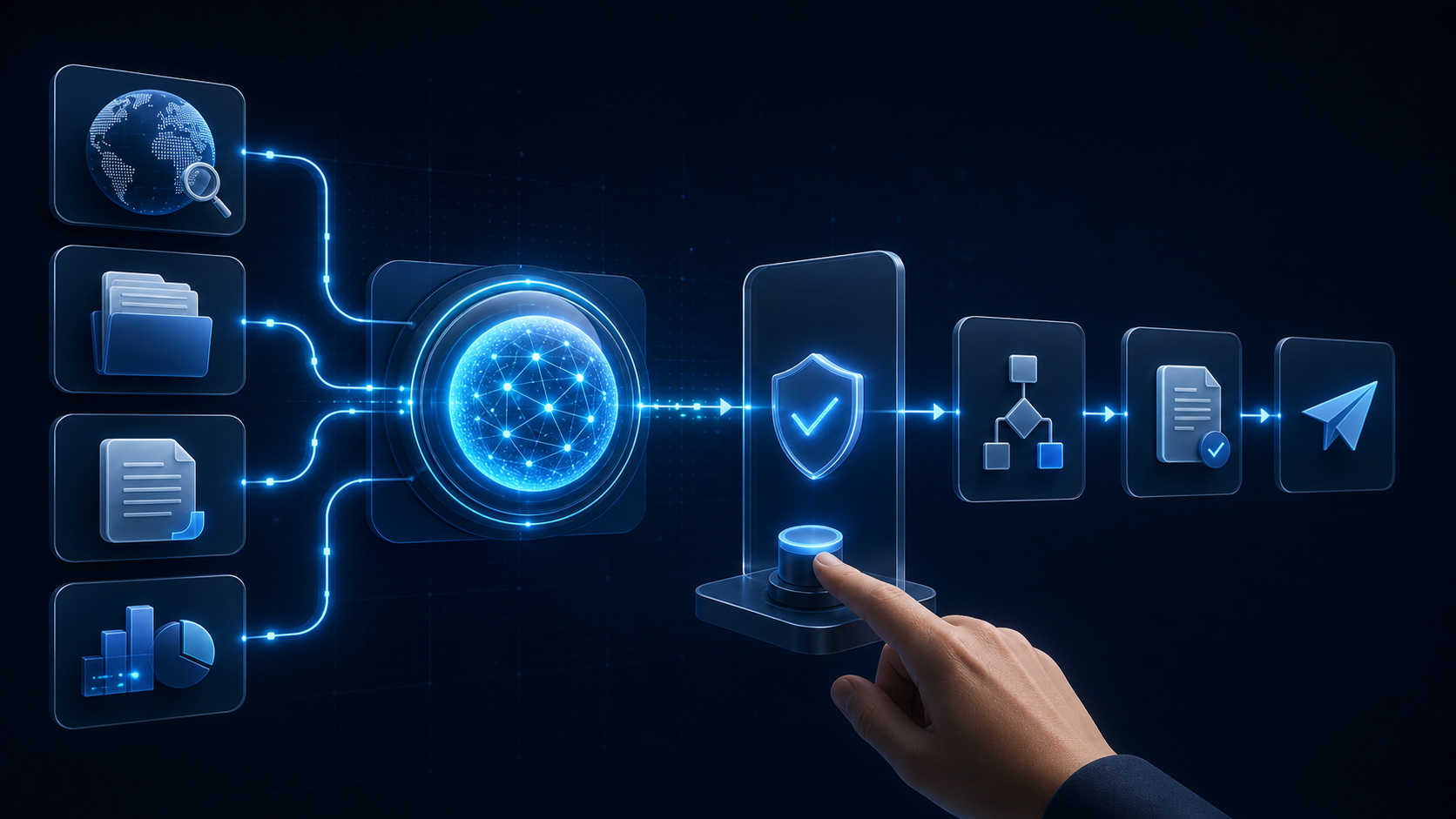
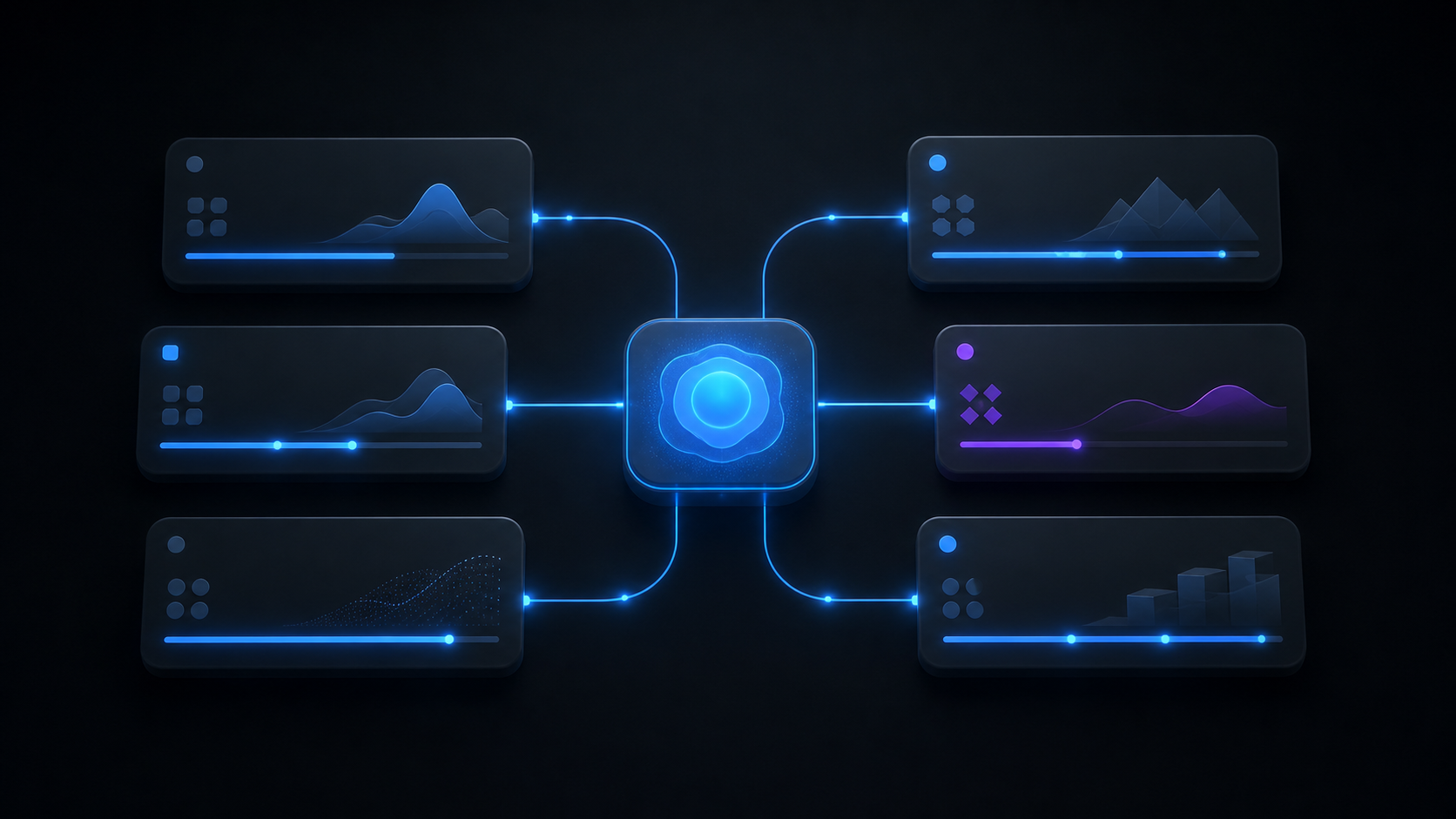
研究の系譜がどのモデルのどの仕様に流れ込んでいるか、線でつなぐと次の図になります。
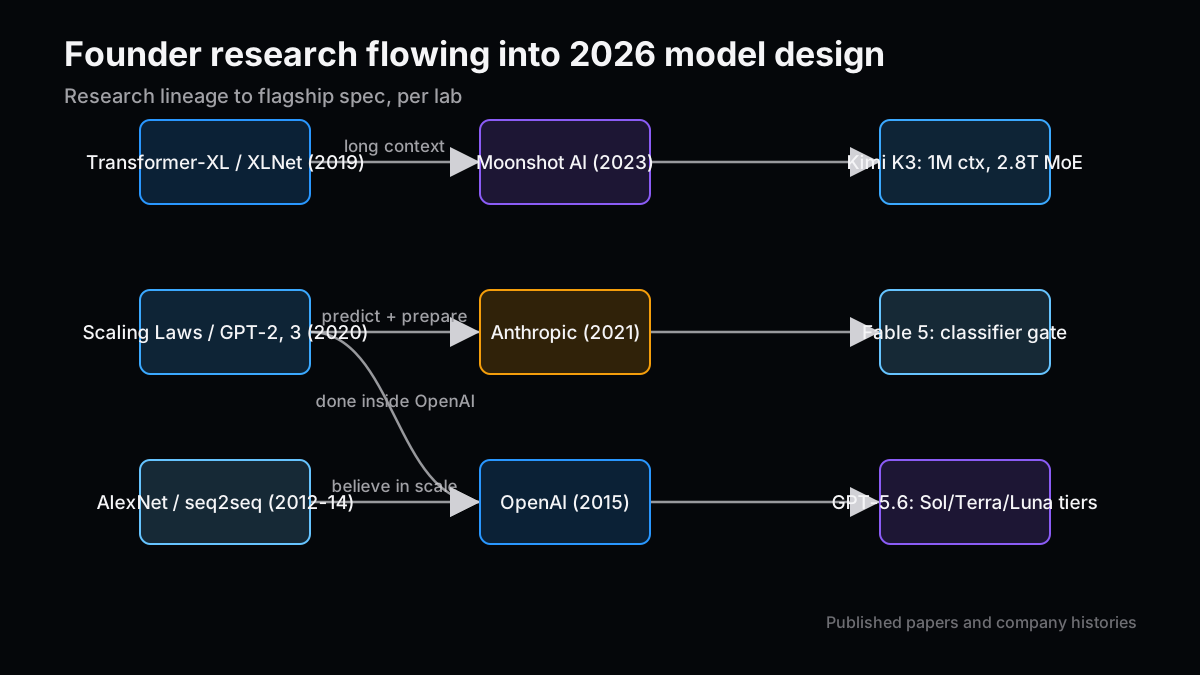
一応、自分で描いた図に自分で反論しておきます。系譜がすべてを決めるなら、ヘッジファンド出身のDeepSeekが2025年初頭に世界を驚かせた説明がつきません。研究の家系図は事後的に美化されやすく、生存者バイアスの温床でもある。それでも「創業者が10年単位で執着してきた問題は、製品の仕様欄に残りやすい」という弱い法則は、企業を読む入口として十分に実用的だと私は考えています。
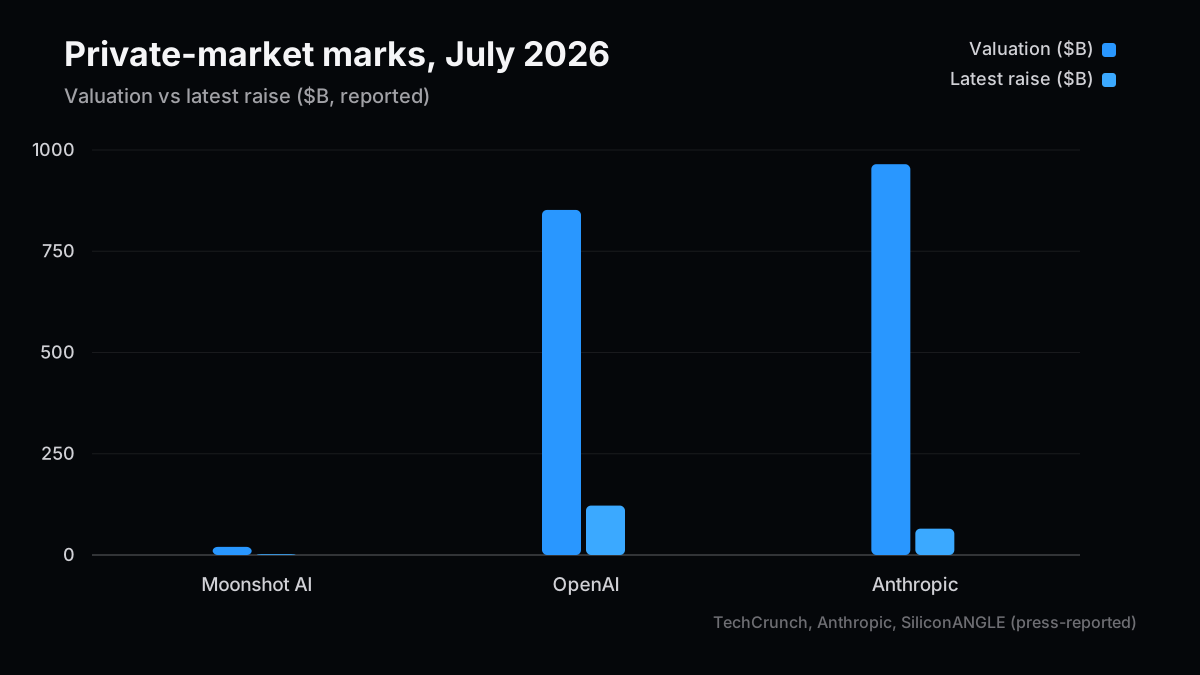
最後に、職業柄これを書かないと締まらないので、資本の数字を並べます。
| 項目 | Moonshot AI | Anthropic | OpenAI |
|---|
| 評価額(2026年7月時点) | $20B超 | $965B | $852B |
| 直近ラウンド | $2B(美団リード、2026/5) | Series H $65B(2026/5) | $122B(SoftBank共同リード、2026/3) |
| 主要株主・投資家 | Alibaba・Tencent・HongShan・IDG・美団 | GIC・Coatue・Sequoia・Samsung・SK Hynix等 | Microsoft約27%・Foundation約26% |
| 収益の公開情報 | ARR $200M超(2026/4報道) | 非公開 | 非公開 |
| 上場への距離 | 未定 | IPO機密申請済み(2026/6/1) | 2027年目標と報道 |
投資委員会で追加出資案件のバリュエーション過大に気づき、データを持って反対して条件交渉を主導した経験が私にはあります。あのとき学んだのは、物語が評価額を先導している局面ほど、数字で錨を打つ必要があるということでした。その目でこの表を見ると、Moonshotの$20Bは公開されたARR $200Mに対して約100倍。AnthropicとOpenAIに至っては、収益の公式開示がないまま$1Tの手前にいる。系譜の美しさと評価額の妥当性は、別の審査項目です。
系譜で読むときの落とし穴も、自分への戒めとして残しておきます。
- 被引用数は成果の代理変数にすぎない: 論文が強くても、組織を率いて量産品質を出せるかは別の能力です。研究者創業者の企業を見るときは、採用力と出荷の実績を必ず別軸で見る。
- 家系図は後付けで整う: 成功した企業ほど「創業時からの一貫した思想」の物語が編まれます。同じ系譜を持ちながら消えたラボは数えられていません。
- 私募の評価額は市場価格ではない: $965Bも$852Bも直近ラウンドの紙の上の値で、流動性のある値付けではない。上場後の開示(S-1)が出て初めて検算できます。
- 向かないケース: この読み方は長期の技術トレンド理解と非公開企業の理解には有効ですが、上場株の短期売買のシグナルにはなりません。値動きは系譜より金利とニュースで動きます。
書き終えてみて、第39回のベンチマーク表より、こちらの表のほうが数年後まで残る気がしています。点数は毎月変わりますが、創業者が執着する問題は簡単には変わらないからです。
次号の記事案
- 案1:Gemini 4とDeepMindの研究系譜|AlphaGoの遺伝子は製品のどこに残るか — 延期が続くGoogle陣営を、Hassabis氏の強化学習系譜とGemini製品ラインの対応関係から先回りして読む。
- 案2:AnthropicのIPOをS-1で検算する|$965B評価の収益構造を開示から読む — 上場申請書類が公開され次第、本稿で「検算できない」と書いた評価額を実数で検証する。
- 案3:中国AIラボの資本地図|Moonshot・DeepSeek・智譜AI・MiniMaxの株主構成と規制リスク — Alibaba・Tencent双方が出資するMoonshot型の資本構成は例外か標準か。中国主要ラボの調達史を横断比較する。
人物の経歴・調達の事実関係は、読者が確認できる以下の公開情報に基づいています(2026年7月23日時点)。
本記事は情報提供を目的としたものであり、特定の銘柄、企業、サービスの推奨や投資助言ではありません。評価額・調達額は私募市場の報道値であり、市場価格を保証するものではありません。調査、翻訳、校正の一部に生成AIを利用していますが、最終的な内容はZYL0が確認しています。詳細は免責事項をご確認ください。
The Researchers Behind Kimi K3, Fable 5, and GPT-5.6: Founding Lineages of Moonshot, Anthropic, and OpenAI
In part one (No. 39), I compared the July 2026 frontier trio on benchmarks and price. The whole time I was writing it, one line from the Japanese AI news show AI QUEST kept nagging at me. Researcher Shota Imai described the developer behind Kimi K3 as "number one in the world in AI research." I look at model scores every week — yet I knew almost nothing about the people who produced those scores.
Since moving to the deciding side at a CVC, I have developed the habit of reading a founder's history before reading the pitch deck. During my first overseas posting in North America, reviewing foreign startups for investment, what mattered even more than technical judgment was reading references: what has this founder actually built up over the years? This post applies that habit to three AI labs. Yang Zhilin's Transformer-XL, the Amodei siblings' scaling laws, OpenAI's ten-year arc from nonprofit to PBC — and how those research and organizational lineages surface in the design of the models we use today.
Version note: Facts are as of July 23, 2026. Valuations and raise amounts are private-market figures from press reports and official announcements, not liquid market prices. Biographical details are based on public information — papers, official profiles, and press coverage.
| Topic | What you'll learn |
|---|
| Moonshot AI | How Yang Zhilin's Transformer-XL/XLNet connects directly to Kimi K3's 1M context |
| Anthropic | How scaling laws and Constitutional AI led to Fable 5's classifier-gate design |
| OpenAI | The org's evolution — nonprofit (2015) → capped-profit (2019) → PBC (2025) — and GPT-5.6's price tiers |
| Investor lens | How to read the $20B / $965B / $852B valuations, and the pitfalls of reading companies by pedigree |
Start by checking what "world number one in AI research" actually means. It turned out to be less an exaggeration than an abbreviation.
Yang Zhilin was born in 1992 in Shantou, Guangdong. After computer science at Tsinghua University, he earned his PhD at Carnegie Mellon under Ruslan Salakhutdinov (later Apple's director of AI research) and William Cohen (later a principal scientist at Google DeepMind). Along the way he did research at Facebook AI Research and Google Brain, and in 2019 published Transformer-XL as co-first author and XLNet as first author. XLNet beat Google's then-dominant BERT on 18 of 20 standard tasks, and the two papers have together drawn more than 10,000 citations. Imai's "world number one" refers to that citation record among NLP researchers of his generation.
The problem Transformer-XL solved, in one line: models forget everything outside a fixed-length window. It caches the hidden states of the previous segment for reuse and keeps positions consistent with relative positional encoding. In pseudocode:
# Transformer-XL segment-level recurrence (simplified)
# h_prev: hidden states cached from the previous segment (no gradient)
def transformer_xl_layer(h_prev, x_curr):
    h_tilde = concat([stop_gradient(h_prev), x_curr], axis=seq)  # reuse memory
    q = W_q @ x_curr                     # queries come from the current segment
    k, v = W_k @ h_tilde, W_v @ h_tilde  # keys/values can see the cached past
    return attention(q, k, v, rel_pos_bias=True)  # relative position encoding
That 2019 research agenda — extend the window of context — flows straight into the product thesis of Moonshot AI, which Yang founded in March 2023 with Tsinghua schoolmates Zhou Xinyu and Wu Yuxin. The original Kimi's selling point was long context that was off the scale for its day, and Kimi K3's 1M-token context and 2.8T MoE (with KDA and Attention Residuals) sit on that same line. A problem the founder chose in graduate school still shows up in the spec sheet of the flagship seven years later — to me, that is the most elegant lineage in this whole story.
The capital side, briefly. Moonshot's valuation ran from $4.3B at the end of 2025 to $10B in February 2026, then past $20B in May on a $2B round led by Meituan. Alibaba and Tencent both sit on the cap table, and annualized recurring revenue reportedly passed $200M in April. Two tech giants who compete everywhere else, invested side by side — that genuinely surprised me.
Lab number two is Anthropic, whose Fable 5 topped the composite index in part one. Its lineage reads most clearly as two threads: prediction and safety.
Dario Amodei earned a PhD in computational biophysics at Princeton, joined Andrew Ng's team at Baidu to work on the Deep Speech line of speech recognition, passed through Google Brain, and joined OpenAI in 2016. As VP of Research he led the development of GPT-2 and GPT-3, and was one of the central figures behind the 2020 paper "Scaling Laws for Neural Language Models." Compute, data, and parameters scale performance along a predictable power law — that finding bred two convictions at once: bet big and you win, and if capability growth is predictable, the growth of risk should be predicted and prepared for too.
In 2021, Dario left OpenAI together with his sister Daniela Amodei (OpenAI's VP for safety and policy), GPT-3 lead author Tom Brown, scaling-law physicist Jared Kaplan, interpretability researcher Chris Olah, and others, and founded Anthropic. Differences over the balance between commercialization speed and safety research are the commonly cited background. Constitutional AI (2022) and the Responsible Scaling Policy that followed are the institutionalization of that "predict and prepare" line.
Now look at Fable 5's design, and the lineage has become a product spec. The top-end weights (Claude Mythos 5) stay restricted to research institutions; the generally available Fable 5 shares those same weights but layers safety classifiers on top, rerouting queries judged high-risk to Opus 4.8. Ship capability only from behind a safety gate — the 2021 reason for founding, implemented as a 2026 API behavior. I know few examples where a founding philosophy shows up this literally in a product.
On capital: a $30B Series G at a $380B valuation in February 2026, a $65B Series H at $965B in May, and a confidential IPO filing on June 1. Semiconductor suppliers — Samsung, SK Hynix, Micron — joined the Series H as strategic investors. Paper marks or not, the moment Anthropic's valuation passed OpenAI's deserves recording as a turning point.
The third and oldest lab is OpenAI. Here, I think the real story is the evolution of the organizational form more than any individual.
Founded in December 2015 by Sam Altman, Elon Musk, Greg Brockman, Ilya Sutskever, and others, it began as a nonprofit research lab under the banner of AGI for the benefit of all humanity. The research backbone ran through Sutskever — a student of Geoffrey Hinton who triggered the deep learning boom with AlexNet (2012) and laid the groundwork for sequence transduction with seq2seq (2014). The "believe in scale" culture starts there, and the scaling-laws work of the previous section was itself done inside OpenAI.
The decade since has been a run of tensions between ideal and capital. A capped-profit subsidiary and Microsoft's first $1B in 2019; runaway commercialization after ChatGPT in 2022; the November 2023 board crisis; the 2024 departures of Sutskever and other core researchers; and finally the 2025 recapitalization. The nonprofit OpenAI Foundation now governs with roughly 26% of the equity, the for-profit arm is OpenAI Group PBC (a public benefit corporation), Microsoft holds about 27% on a diluted basis, and employees and investors hold the remaining ~47%. In March 2026 the company raised $122B at an $852B post-money valuation, with an IPO reportedly targeted around 2027.
Read GPT-5.6's Sol/Terra/Luna price tiers as the terminal point of that commercialization arc and they make sense. Not a single strongest model, but a staircase from $5/$30 down to $1/$6, designed as a product line from day one — the instinct of a platform company, not a research lab. AI QUEST, meanwhile, aired the argument that some of the erratic, "runaway" behaviors observed in GPT-family models are a cost of regulatory positioning. With three labs building safety this differently, their distances from regulators will differ three ways too — continuous with the classifier discussion in part one.
First, the three stories on one time axis.
Even the founding years — 2015, 2021, 2023 — are spaced six years apart, and each later lab starts from the problems its predecessor already solved. OpenAI proved that scale works; Anthropic institutionalized how to ship scale safely; Moonshot chases both with open weights. In table form:
| Item | Moonshot AI | Anthropic | OpenAI |
|---|
| Founded | March 2023 | 2021 | December 2015 |
| Key figures | Yang Zhilin, Zhou Xinyu, Wu Yuxin | Dario & Daniela Amodei et al. | Altman, Brockman, Sutskever et al. |
| Signature founder research | Transformer-XL, XLNet | Scaling laws, GPT-2/3, Constitutional AI | AlexNet, seq2seq (Sutskever lineage) |
| 2026 flagship | Kimi K3 (2.8T MoE) | Claude Fable 5 (Mythos class) | GPT-5.6 (Sol/Terra/Luna) |
| Signature left in the design | 1M context = the long-context agenda extended | Safety classifiers + restricted tier = RSP productized | Price tiers = the platform logic concluded |
Trace which research flows into which spec and you get the following map.
Let me argue against my own diagram for a moment. If lineage decided everything, there would be no explaining DeepSeek — hedge-fund-born — stunning the world in early 2025. Research family trees are polished after the fact and are fertile ground for survivorship bias. Still, the weak law that "the problem a founder has obsessed over for a decade tends to survive into the spec sheet" is, in my experience, plenty useful as an entry point for reading a company.
Finally — occupational habit, the piece would feel unfinished without it — the capital numbers side by side.
| Item | Moonshot AI | Anthropic | OpenAI |
|---|
| Valuation (July 2026) | $20B+ | $965B | $852B |
| Latest round | $2B (Meituan-led, May 2026) | Series H $65B (May 2026) | $122B (SoftBank co-led, Mar 2026) |
| Key holders / investors | Alibaba, Tencent, HongShan, IDG, Meituan | GIC, Coatue, Sequoia, Samsung, SK Hynix, etc. | Microsoft ~27%, Foundation ~26% |
| Public revenue signal | ARR $200M+ (reported Apr 2026) | Undisclosed | Undisclosed |
| Distance to listing | Undecided | Confidential IPO filing (Jun 1, 2026) | Reported 2027 target |
I once caught an inflated valuation on a follow-on deal at investment committee, opposed it with data, and led the renegotiation. What that episode taught me is that the more a narrative is leading the valuation, the more you need an anchor of numbers. Read the table with that eye: Moonshot's $20B stands at roughly 100× its disclosed $200M ARR, and Anthropic and OpenAI sit just short of $1T with no official revenue disclosure at all. The beauty of a lineage and the sanity of a valuation are separate items on the checklist.
The pitfalls of reading by pedigree, recorded as a note to my future self:
- Citations are only a proxy: A strong paper record says little about leading an organization to production quality. For researcher-founders, always score hiring power and shipping record on separate axes.
- Family trees are tidied after the fact: The more successful the company, the neater the narrative of "a consistent founding philosophy." Nobody counts the labs with identical lineages that vanished.
- Private valuations are not market prices: Both $965B and $852B are paper marks from the latest rounds, not liquid pricing. Only post-listing disclosure (an S-1) makes them checkable.
- Where this does not fit: This way of reading works for long-horizon technology understanding and understanding private companies, but it is no signal for short-term trading of listed stocks. Prices move on rates and news, not lineages.
Having finished writing, I suspect this table will age better than the benchmark tables in part one. Scores change monthly; the problems founders obsess over do not.
Next Issue Ideas
- Idea 1: Gemini 4 and the DeepMind Lineage — Where Do AlphaGo's Genes Surface in the Product? — Get ahead of the repeatedly delayed Google camp by mapping the Hassabis reinforcement-learning lineage onto the Gemini product line.
- Idea 2: Auditing Anthropic's IPO Through the S-1 — Checking the $965B Valuation Against Disclosed Revenue — Once the listing documents go public, verify with real numbers the valuation this post called uncheckable.
- Idea 3: The Capital Map of Chinese AI Labs — Cap Tables and Regulatory Risk at Moonshot, DeepSeek, Zhipu AI, and MiniMax — Is the Moonshot pattern of Alibaba and Tencent investing side by side an exception or the norm? A cross-comparison of the major Chinese labs' funding histories.
- Kimi K3 vs Claude Fable 5 vs GPT-5.6: Benchmarks, Pricing, and When to Use Which — Part one of this series: the three models compared on performance and price.
- Open vs. Closed AI Models: What the Kimi K3 Shock Reveals About Value, Moats, and the Investor Playbook — The sequel to this post: the valuation shock after Kimi K3's release and how investors should respond.
- GPT-5.5 vs Claude Mythos: Comparing the AI Frontier's Two Leaders — The previous generation's comparison, recorded on the eve of the Mythos class.
- What Did NVIDIA × Groq ($20B) Change? — The capital-and-ecosystem mechanics on the AI infrastructure side.
- Mapping AI Semiconductor Startups: d-Matrix, TetraMem, MangoBoost, and the Post-GPU Design Race — A classification of the AI-chip startups building around memory, data movement, inference, and edge constraints.
Biographical and funding facts are anchored to the following public sources readers can verify (as of July 23, 2026).
This article is for informational purposes only and does not constitute investment advice or a recommendation of any specific stock, company, or service. Valuations and raise amounts are reported private-market figures and do not guarantee any market price. Generative AI was used for parts of research, translation, and proofreading, with final review by ZYL0. See the disclaimer for details.