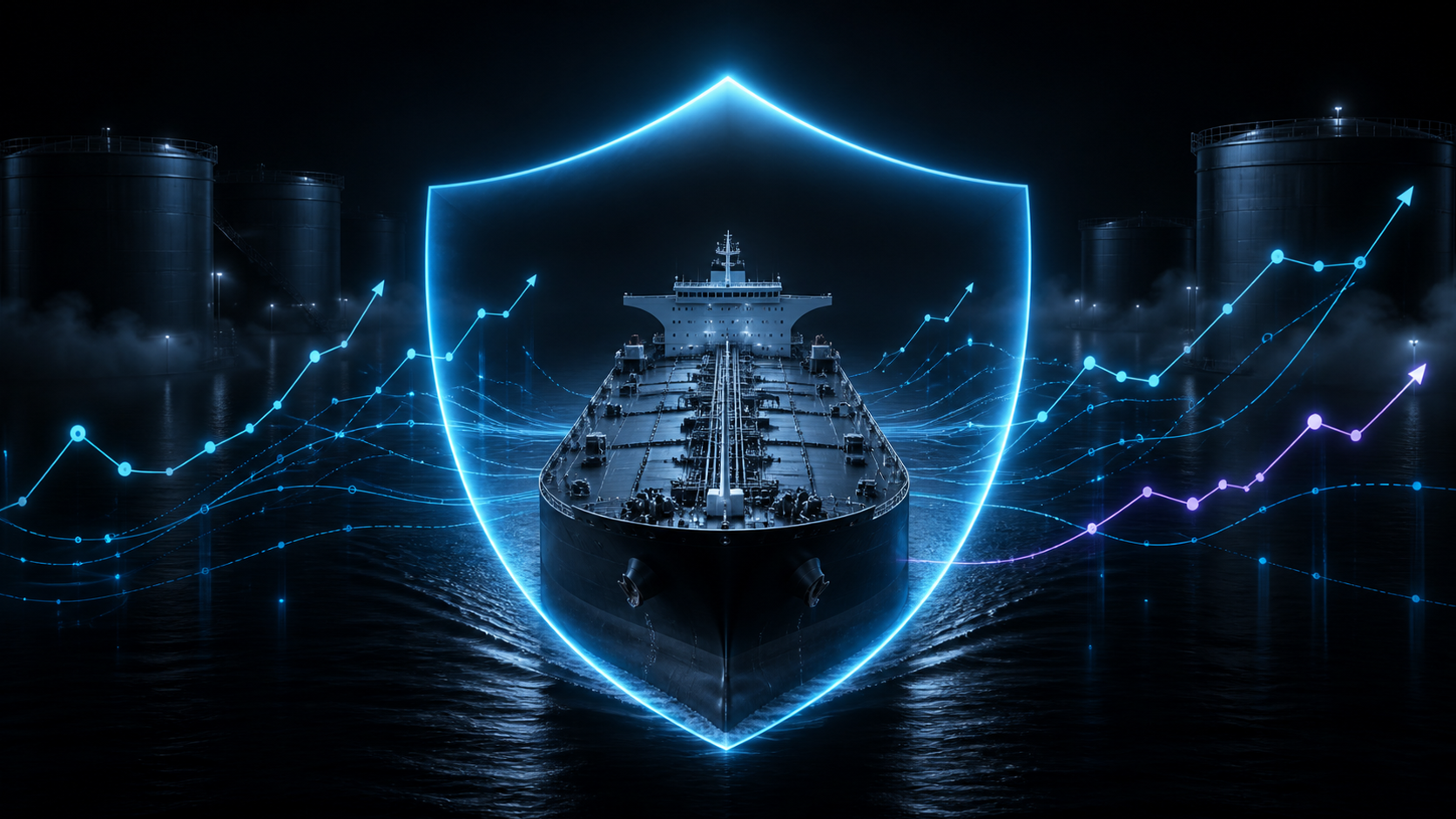
イラン戦争、半年後の原油覇権図[後編]タンカー株・海上保険・SPR補充で読む投資機会
前編では、ホルムズ海峡の通航量、備蓄の放出ペース、そしてBrent-BDTIスプレッドという先行指標の答え合わせまで、半年分の一次データを棚卸ししました。ここから先は、そのデータの上に何を乗せるかという話です。CVCの投資委員会で叩き込まれたのは「良いデータ分析と、良い投資判断のあいだには、もう一段の飛躍がある」ということでした。今回はその飛躍を、できるだけ具体的な銘柄とシナリオで埋めていきます。
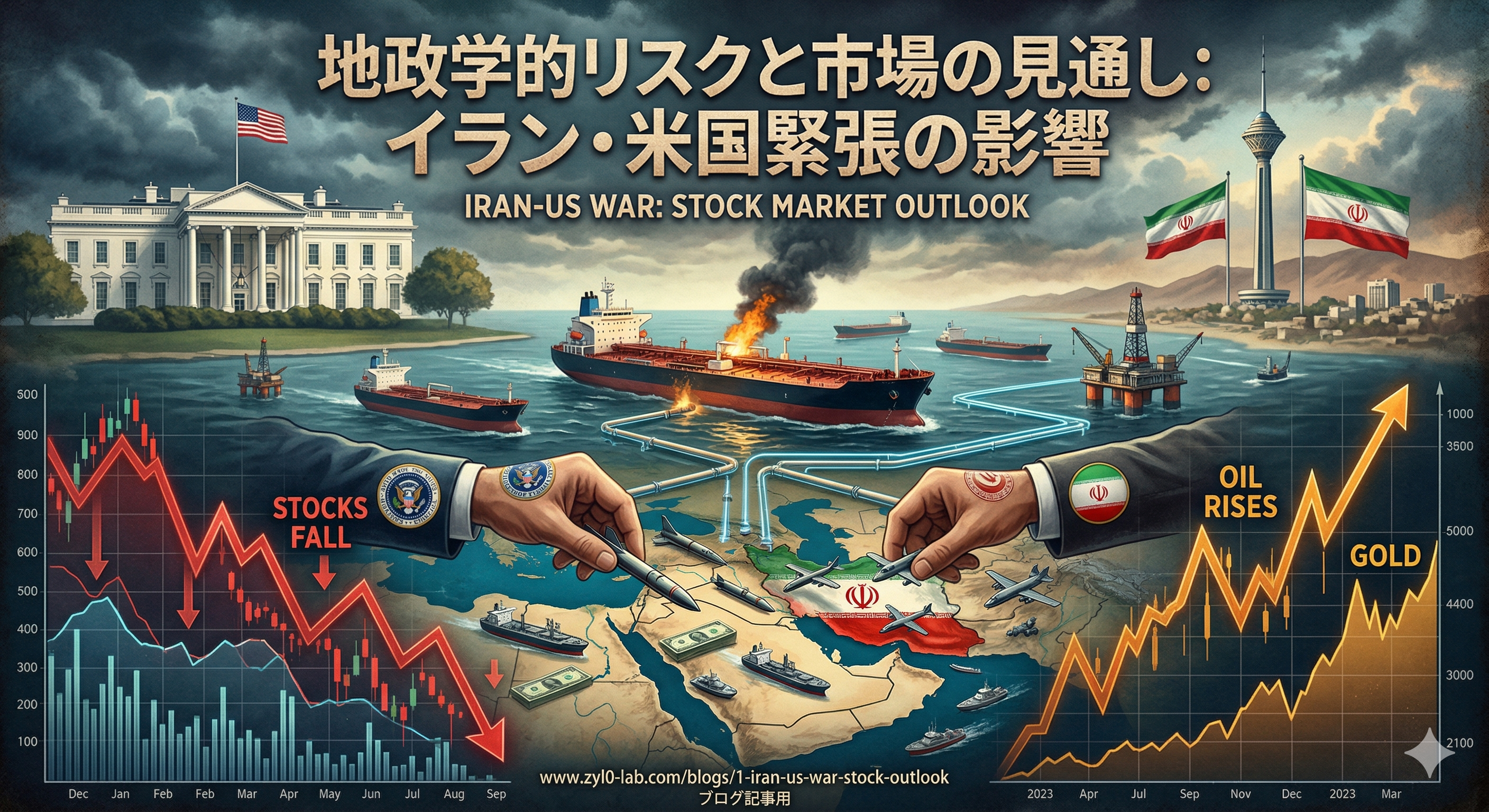
前編で確認した通り、Brent原油は直近$86〜88と、ピーク時の$112〜115からは25%ほど調整しています。ここだけ見ると「もう危機は峠を越えた」と読みたくなりますが、私の見立ては逆です。価格は平均回帰したが、輸送・保険・備蓄の構造はまったく平均回帰していないというのが、この半年でいちばん強調したいポイントです。
ホルムズの通航量は依然として平時比9割減。運賃と保険料は高止まり。備蓄は放出済みで、いずれ買い戻さなければならない。価格という一番目立つ指標だけを見ていると、この構造的なギャップを取り逃します。ここに投資機会がある、というのが後編全体を貫く仮説です。
まず、いちばん分かりやすいところから。中東湾岸〜中国のVLCC運賃は、3月上旬に一時1日あたり$423,000という記録的な水準まで急騰しました。その後は落ち着いていますが、アナリストの多くは2026〜2027年にかけてスクラバー非搭載のエコタンカーのスポット収益が平均$87,000/日程度で推移すると見ています。これは開戦前の水準を大きく上回る「新しい通常」です。
個別に見ていくと、Frontline(FRO)は前編で触れた通り52週高値を更新済み。Scorpio Tankers(STNG)は2026年第2四半期に会社史上最高の四半期決算を記録し、純キャッシュポジション$13億へ転換、日次のキャッシュ損益分岐点を$11,000という過去最低水準まで引き下げています。DHT Holdings(DHT)は第1四半期のEPSが予想$0.53の約2倍となる$1.02。スポット日数905日中905日を確保し、平均$168,300/日という驚異的な水準で契約しました。International Seaways(INSW)はLTV(有利子負債比率)わずか7%、スポット市場エクスポージャー82%という、運賃上昇を最大限に取り込む財務構成です。
なお、以前タンカー株の代表格だったEuronavは、2025年8月にGolden Oceanと合併しCMB.TECH(NYSE/Euronext: CMBT)に社名変更済みです。単独銘柄としては存在しないので、もし触れるなら「タンカー・バルカー混合エクスポージャー」として扱うのが正確です。
| ティッカー | 銘柄 | 特記事項 |
|---|
| FRO | Frontline | 52週高値更新、VLCC中心 |
| STNG | Scorpio Tankers | Q2史上最高決算、純キャッシュ$1.3B |
| DHT | DHT Holdings | Q1 EPS予想の約2倍、平均$168,300/日で契約 |
| INSW | International Seaways | LTV7%・スポット比率82% |
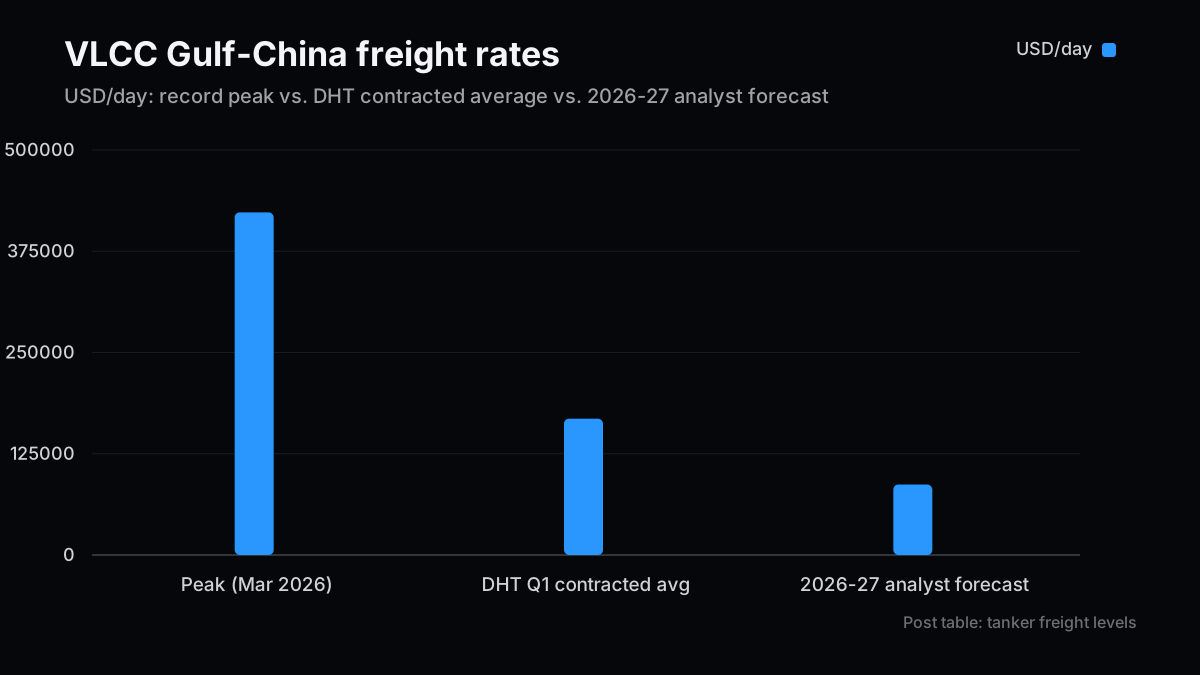
私はEV蓄電システムの投資検討でバリュエーション過大評価に気づき、データを持って投資委員会で反対した経験があります。あのとき学んだのは、「ピーク時の数字をそのまま将来に引き延ばすと必ず痛い目を見る」ということでした。$423,000/日という数字はニュースとしては強烈ですが、投資判断の基準にすべきは$87,000/日というアナリスト予想の方だと私は考えています。
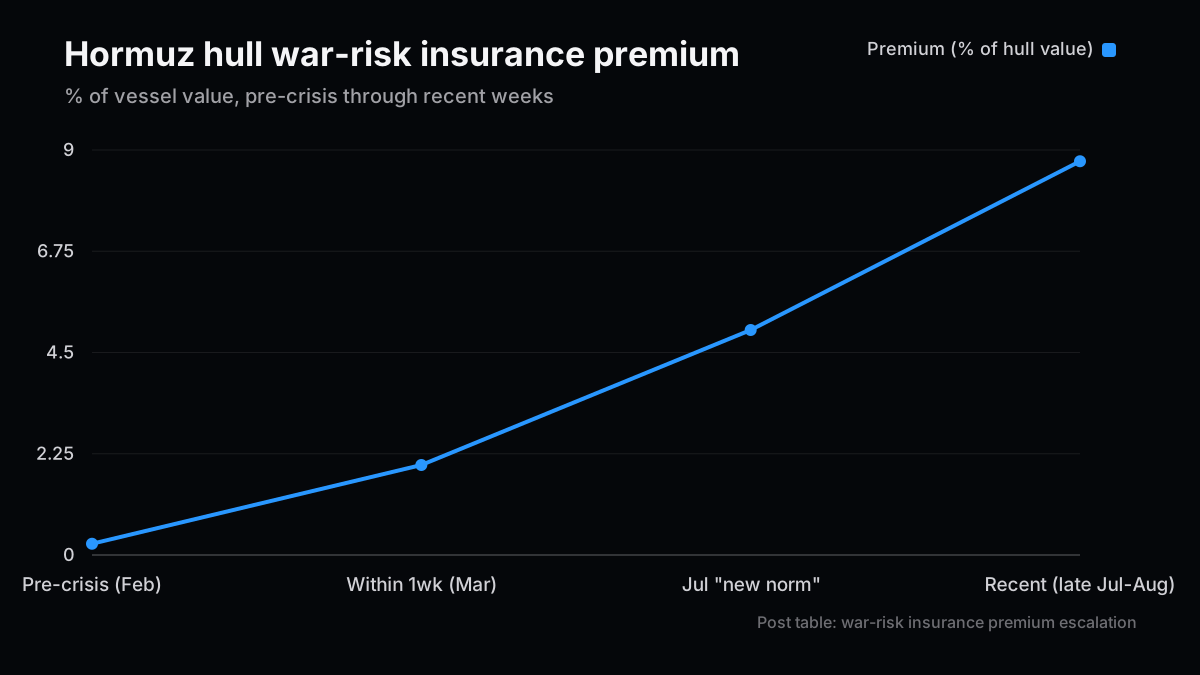
タンカー運賃の裏側で、もうひとつ大きく動いているのが保険料です。開戦前(2026年2月)、ホルムズ海峡を通過するVLCCの戦争保険料は船体価値の約0.25%でした。2月28日の空爆から48時間以内に保険料は5倍に急騰し、一部の保険会社は既存契約を打ち切って平時の約60倍という料率で再提示しています。1週間以内には見積もりが船体価値の1〜3%まで上昇——$1.5億のタンカーで言えば、1回の通過あたりの保険料が約37.5万ドルから150万〜450万ドルへ跳ね上がった計算です。
7月には5%が「新しい市場標準」として定着し、直近数週間ではMarshの調査によると7.5〜10%まで再上昇しています。6月のMOU署名で一時的に軟化する場面もありましたが、船舶への攻撃が起きるたびに再び跳ね上がる、というボラティリティの高いパターンが続いています。
この市場に対して、Lloyd's保険市場では専用のコンソーシアムが2つ立ち上がりました。Chubb(NYSE: CB)主導のコンソーシアムは船体・P&I向けに最大2億ドル、貨物向けに追加2億ドルの引受能力を6月19日から提供開始。Beazley(LSE: BEZ)は4月に、船体戦争保険5億ドル・貨物戦争保険5億ドルの合計10億ドル規模のコンソーシアムを立ち上げています。
ここは正直に書いておきたいのですが、ChubbもBeazleyも分散型の総合保険会社であり、Hormuz関連の引受はポートフォリオ全体のごく一部です。純粋なプレイとしては薄まった投資対象であり、コア・ポジションというよりオプショナリティとして少額持つのが適切だと私は考えています。
| 保険会社 | コンソーシアム規模 | 開始時期 |
|---|
| Chubb(CB) | 船体・P&I最大$200M+貨物$200M | 2026年6月19日 |
| Beazley(BEZ) | 船体戦争$500M+貨物戦争$500M | 2026年4月 |
前編で確認した通り、米SPRの1.72億バレル放出は7月中旬におおむね完了しています。ここは重要な区別をしておきたいのですが、SPR放出そのものはもう「終わった話」です。これから始まるのは、政府が取り崩した分をどこかのタイミングで買い戻す「補充」フェーズであり、政府調達という一種の下支え需要が発生します。ConocoPhillips(COP)は前編で触れた通り継続的な受益候補ですが、パーミアン盆地の純粋プレイとしてDiamondback Energy(FANG)も補充局面の受益候補として注目しています。
LNGは構造がまったく違います。カタールのRas Laffan施設は復旧に3〜5年を要する見通しがすでに固まっており、この供給ギャップは短期では埋まりません。Cheniere(LNG)は継続銘柄として引き続き有力ですが、今回新たに注目しているのがVenture Global(NYSE: VG)です。同社のPlaquemines施設は2026年第4四半期に商業運転開始(COD)を予定していますが、それまでのコミッショニング期間中に生産されたLNGはスポット市場で販売可能で、興味深いことにQatarEnergy自身に対して約100カーゴを販売済みという報告があります。カタールが自国の供給不足を埋めるために米国LNGを買っている、という構図です。2026年の想定カーゴのうち約69%はすでに契約済みで、残り約31%がスポット市場向け——このスポット枠がQatarギャップのプレミアムを最も直接的に取り込む部分です。
| セクター | 銘柄 | ポジション性格 |
|---|
| SPR補充 | ConocoPhillips(COP) | 継続銘柄 |
| SPR補充 | Diamondback Energy(FANG) | パーミアン純粋プレイ |
| LNG代替供給 | Cheniere(LNG) | 継続銘柄、構造的ロング |
| LNG代替供給 | Venture Global(VG) | スポット販売でQatarギャップを直接取り込む |
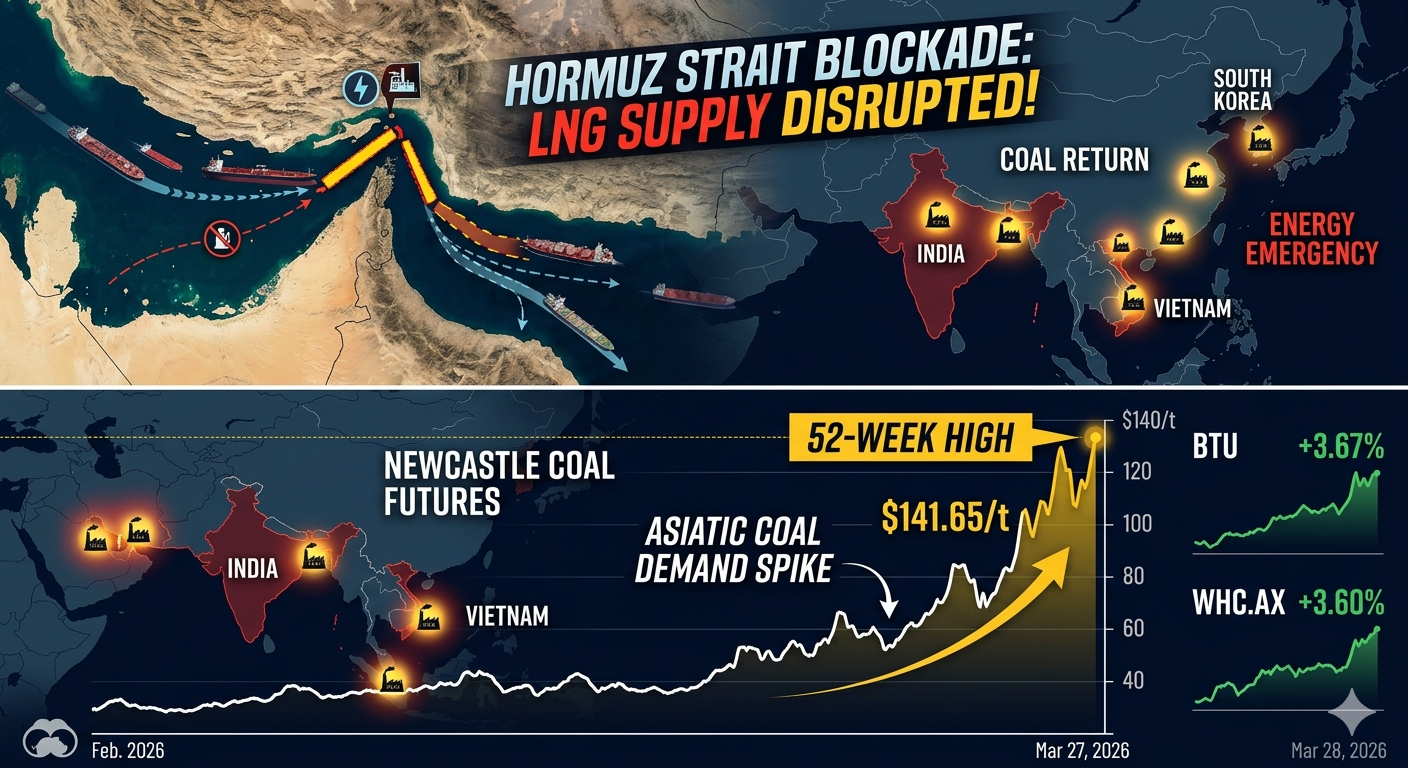
石炭株については、3月の記事ですでにBTU・WHC・HCC・ARLP・NRPを扱っています。ここで改めて分析はしませんが、後編のシナリオとは独立した「エネルギーセクター内の相対ロング」として、引き続き併走させる価値はあると考えています。
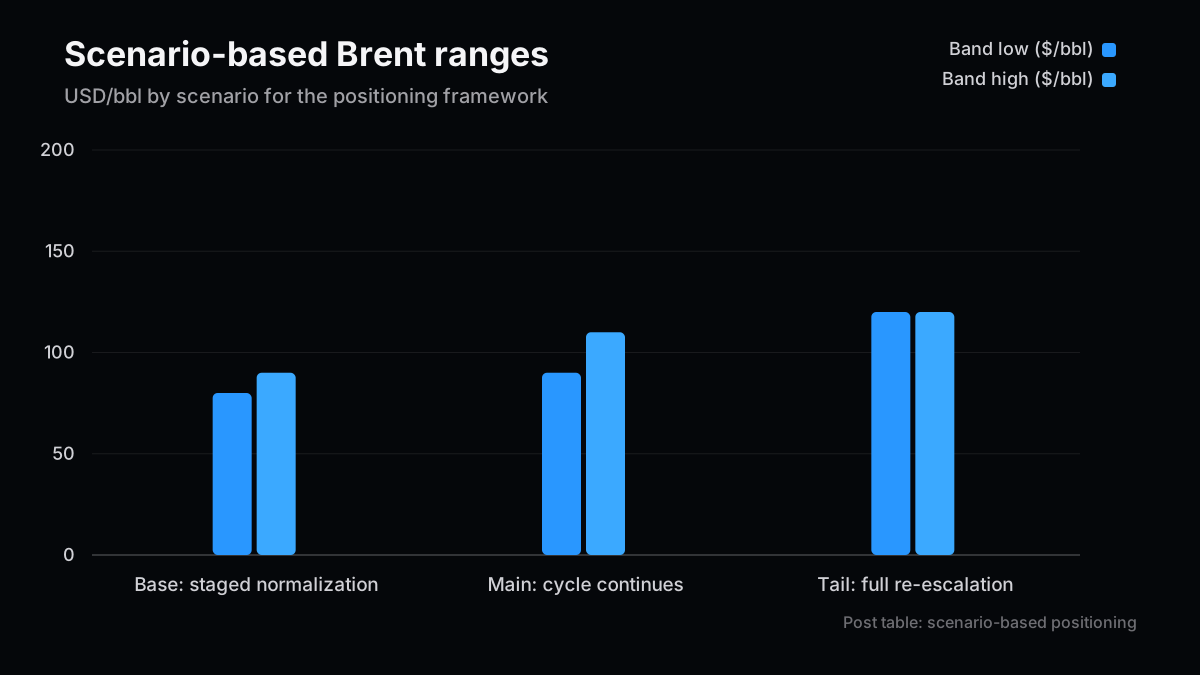
ここまでの材料を、前編で示したベース・メイン・テールの3シナリオに接続します。軸になるのは、8月25日の経済制裁シフトが本当にデエスカレーションの始まりなのか、という問いです。
| シナリオ | 内容 | Brent | タンカー運賃 | 推奨ポジション |
|---|
| ベース:段階正常化 | 制裁シフトが定着、イラン・オマーンの暫定航路が機能 | $80〜90/bbl | ピークから緩やかに低下も、平時より高水準を維持 | タンカー・バスケットは利確を一部検討、保険株は縮小 |
| メイン:サイクル継続 | 4月以降の停戦・破綻サイクルが繰り返す | $90〜110/bbl | 高水準で高止まり | タンカー・バスケットをコア、保険はサテライトで継続保有 |
| テール:全面再燃 | 機雷敷設再開、軍事的エスカレーション | $120超 | $200k/日超を再訪 | タンカー・保険とも積み増し、LNG代替供給を厚くする |
私自身のポジションは、タンカー・バスケット(FRO/STNG/DHT/INSW)を最も確信度の高い構造的なポジションとして、Chubb・Beazleyは小さなオプショナリティとして持つという組み合わせです。SPR補充銘柄は「これからの話」というより「終わった話」に近いので新規の厚乗せはせず、Cheniere・Venture GlobalはRas Laffanの3〜5年という時間軸に賭ける複数年の構造ロングとして扱っています。
この見立てが崩れる条件も、あらかじめ書いておきます。ホルムズの通航量が60日連続で1日100隻を超え、かつ新たな封鎖エピソードが発生せず、VLCCのTCE(用船料換算収益)が$50,000/日を下回ってきたら、今回の運賃リプライシングは構造的ではなく循環的だったと判断し、タンカーのオーバーウェイトを解消するつもりです。
次号の記事案
- 案1:石炭株とタンカー株の相対価値 — 同じイラン危機を材料にした2つのセクターを、リスク・リターン特性で比較する。
- 案2:海上戦争保険サイクルの深掘り — Lloyd'sコンソーシアム発足から半年、保険料率の推移とサイクルの終わり方を検証する。
- 案3:8月25日制裁のその後を確認 — 「デエスカレーションのシグナル」という市場の解釈が正しかったか、数か月後の実績で答え合わせする。
本文の事実関係と数値前提は、再審査時にも読者が確認できる一次情報・公的資料を優先して見直しています。
本記事は情報提供を目的としたものであり、特定の銘柄、サービス、契約条件の推奨や投資助言ではありません。執筆者は記事内で触れた銘柄やサービスにポジションまたは利害関係を持つ可能性があります。調査、翻訳、校正の一部に生成AIを利用していますが、最終的な内容はZYL0が確認しています。詳細は免責事項をご確認ください。
Oil's New Map, Six Months Into the Iran War — Part 2: The Investment Playbook in Tankers, War-Risk Insurance, and SPR Refill
Part 1 took inventory of six months of primary data — Hormuz transit volumes, the pace of stockpile releases, and a scorecard on the Brent-BDTI leading indicator. What follows is what to build on top of that data. One thing that got drilled into me on an investment committee: there's a gap between good data analysis and a good investment decision, and it doesn't close itself. This piece tries to close it with specific names and scenarios.
As covered in Part 1, Brent has pulled back to $86-88, roughly 25% off its $112-115 peak. Taken in isolation, that reads like "the crisis has passed its worst." My read is the opposite. Price mean-reverted. Transport, insurance, and stockpile structure did not — and that's the single point I want to hammer home in this piece.
Hormuz traffic still sits roughly 90% below baseline. Freight and insurance costs remain elevated. Reserves have been drawn down and eventually need refilling. If you only watch the headline price, you miss this structural gap entirely — and that gap is where I think the investable opportunity lives.
Start with the most legible part of the story. VLCC rates from the Persian Gulf to China spiked to a record $423,000 a day in early March. Rates have since cooled, but most analysts still expect ECO tankers without scrubbers to earn spot rates averaging around $87,000/day through 2026-2027 — well above pre-war norms. That's the "new normal" worth underwriting to, not the headline spike.
At the single-name level: Frontline (FRO) hit a 52-week high, as noted in Part 1. Scorpio Tankers (STNG) posted the strongest quarter in company history in Q2 2026, moving to a $1.3 billion net cash position and cutting its daily cash break-even rate to a record-low $11,000. DHT Holdings (DHT) posted Q1 EPS of $1.02, nearly double the $0.53 forecast, securing 905 of 1,025 spot days at an average rate of $168,300/day. International Seaways (INSW) runs a 7% loan-to-value ratio with 82% spot-market exposure — a balance sheet built to capture rate volatility to the fullest.
One note on a legacy name: Euronav, once a tanker bellwether, merged with Golden Ocean in August 2025 and renamed to CMB.TECH (NYSE/Euronext: CMBT). It no longer trades as a standalone pure-play tanker name — if included, it should be framed as mixed tanker/drybulk exposure, not a Hormuz pure-play.
| Ticker | Name | Notes |
|---|
| FRO | Frontline | 52-week high, VLCC-focused |
| STNG | Scorpio Tankers | Best quarter in company history, $1.3B net cash |
| DHT | DHT Holdings | Q1 EPS ~2x forecast, avg. $168,300/day contracted |
| INSW | International Seaways | 7% LTV, 82% spot exposure |
I once caught a valuation overreach in an EV storage deal during the investment review and argued against it in front of the investment committee with the data to back it up. The lesson I keep relearning: extrapolating a peak print into the future is where you get burned. $423,000/day makes for a great headline, but $87,000/day — the analyst forecast — is the number I'd actually underwrite to.
Behind the freight story, insurance costs have moved just as dramatically. Pre-crisis (Feb 2026), hull war-risk premiums on Hormuz VLCC transits sat around 0.25% of vessel value. Within 48 hours of the Feb 28 strikes, premiums jumped fivefold, and some insurers cancelled existing coverage and re-quoted at roughly 60 times pre-crisis rates. Within a week, quoted rates had moved into the 1-3% range — for a $150 million tanker, a single-transit insurance bill jumping from roughly $375,000 to $1.5-4.5 million.
By July, 5% had become "the new market norm," according to reporting; in recent weeks Marsh's data shows rates pushing further to 7.5-10%. The June MOU brought a temporary softening, but every subsequent attack on a vessel has pushed rates back up — this is a volatile, event-driven market, not a steady one.
Two dedicated consortia have launched at Lloyd's to serve this market. Chubb (NYSE: CB) leads a consortium offering up to $200 million of hull/P&I capacity plus another $200 million dedicated to cargo, live since June 19, 2026. Beazley (LSE: BEZ) launched a separate $1 billion consortium in April — $500 million hull war, $500 million cargo war.
Worth being upfront here: both Chubb and Beazley are diversified specialty insurers, and Hormuz-related underwriting is a small slice of either portfolio. As a pure-play expression, it's diluted — I'd treat this as small optionality, not a core position.
| Insurer | Consortium size | Live since |
|---|
| Chubb (CB) | $200M hull/P&I + $200M cargo | June 19, 2026 |
| Beazley (BEZ) | $500M hull war + $500M cargo war | April 2026 |
As established in Part 1, the US SPR's 172-million-barrel release largely wrapped up by mid-July. Here's a distinction worth making explicit: the SPR release itself is already "over." What's coming next is the refill phase, where government purchasing acts as a demand floor. ConocoPhillips (COP), a continuity name from Part 1's framework, remains a candidate here; Diamondback Energy (FANG), a Permian pure-play, is a newer name worth watching for the same dynamic.
LNG runs on a completely different clock. Qatar's Ras Laffan facility carries a hardened 3-5 year repair estimate, and that supply gap doesn't close on any near-term timeline. Cheniere (LNG) remains a strong continuity name, but the fresh addition here is Venture Global (NYSE: VG). Its Plaquemines facility is targeting commercial operations (COD) in Q4 2026, but LNG produced during the commissioning phase can be sold on the spot market — and notably, reporting indicates the company has already sold roughly 100 commissioning cargoes to QatarEnergy itself. Qatar is effectively buying US LNG to plug its own shortfall. About 69% of Venture Global's expected 2026 cargoes are already contracted, leaving roughly 31% available for spot sales — the slice that captures the Qatar-gap premium most directly.
| Sector | Ticker | Position character |
|---|
| SPR refill | ConocoPhillips (COP) | Continuity name |
| SPR refill | Diamondback Energy (FANG) | Permian pure-play |
| LNG alternative supply | Cheniere (LNG) | Continuity name, structural long |
| LNG alternative supply | Venture Global (VG) | Spot sales capture the Qatar gap directly |
Coal names (BTU, WHC, HCC, ARLP, NRP) were already covered in the March piece and aren't re-analyzed here — but they remain worth running in parallel as an independent relative-long inside the energy sector.
Tying this back to Part 1's base/main/tail framework, the pivot question is whether the August 25 shift toward economic sanctions really marks the start of de-escalation.
| Scenario | Description | Brent | Tanker rates | Recommended positioning |
|---|
| Base: staged normalization | Sanctions shift holds; Iran-Oman corridor becomes functional | $80-90/bbl | Ease off peak but stay above pre-war norms | Trim the tanker basket; shrink insurance exposure |
| Main: the cycle continues | The ceasefire-breakdown pattern since April repeats | $90-110/bbl | Stay structurally elevated | Keep the tanker basket as core; hold insurance as a satellite |
| Tail: full re-escalation | Mining resumes; military escalation returns | $120+ | Retest $200k+/day | Add to tankers and insurance; overweight LNG alternative supply |
My own positioning: the tanker basket (FRO/STNG/DHT/INSW) as the highest-conviction structural position, with Chubb and Beazley as small optionality rather than core holdings. I'm not adding fresh weight to SPR-refill names — that trade is closer to "already happened" than "about to happen." Cheniere and Venture Global stay in as multi-year structural longs, tied to Ras Laffan's 3-5 year rebuild timeline.
Here's the condition that would change my mind: if Hormuz transits hold above 100 vessels a day for 60 consecutive days with no new blockade episode, and VLCC time-charter equivalent rates fall back under $50,000/day, that's my signal the freight repricing was cyclical, not structural — and I'd unwind the tanker overweight.
Next Issue Ideas
- Idea 1: Coal vs. tankers, a relative-value read — Compare two sectors trading on the same Iran-crisis catalyst by risk-return profile.
- Idea 2: The marine war-risk insurance cycle, revisited — Six months after Lloyd's consortia launched, how premium rates have moved and how this kind of cycle typically ends.
- Idea 3: Grading the August 25 sanctions call — Was the market right to read it as de-escalation? A check-in a few months out with the actual data.
The factual and numerical assumptions in this article are anchored to primary or public materials that readers can revisit during AdSense review and future updates.
This article is for informational purposes only and does not constitute investment advice or a recommendation of any specific stock, service, or contract structure. The author may hold positions or interests related to companies or services mentioned. Generative AI was used for parts of research, translation, and proofreading, with final review by ZYL0. See the disclaimer for details.