AI Chip Investments 2: An $11.1 Billion Acquisition Plan and the Fight for Inference
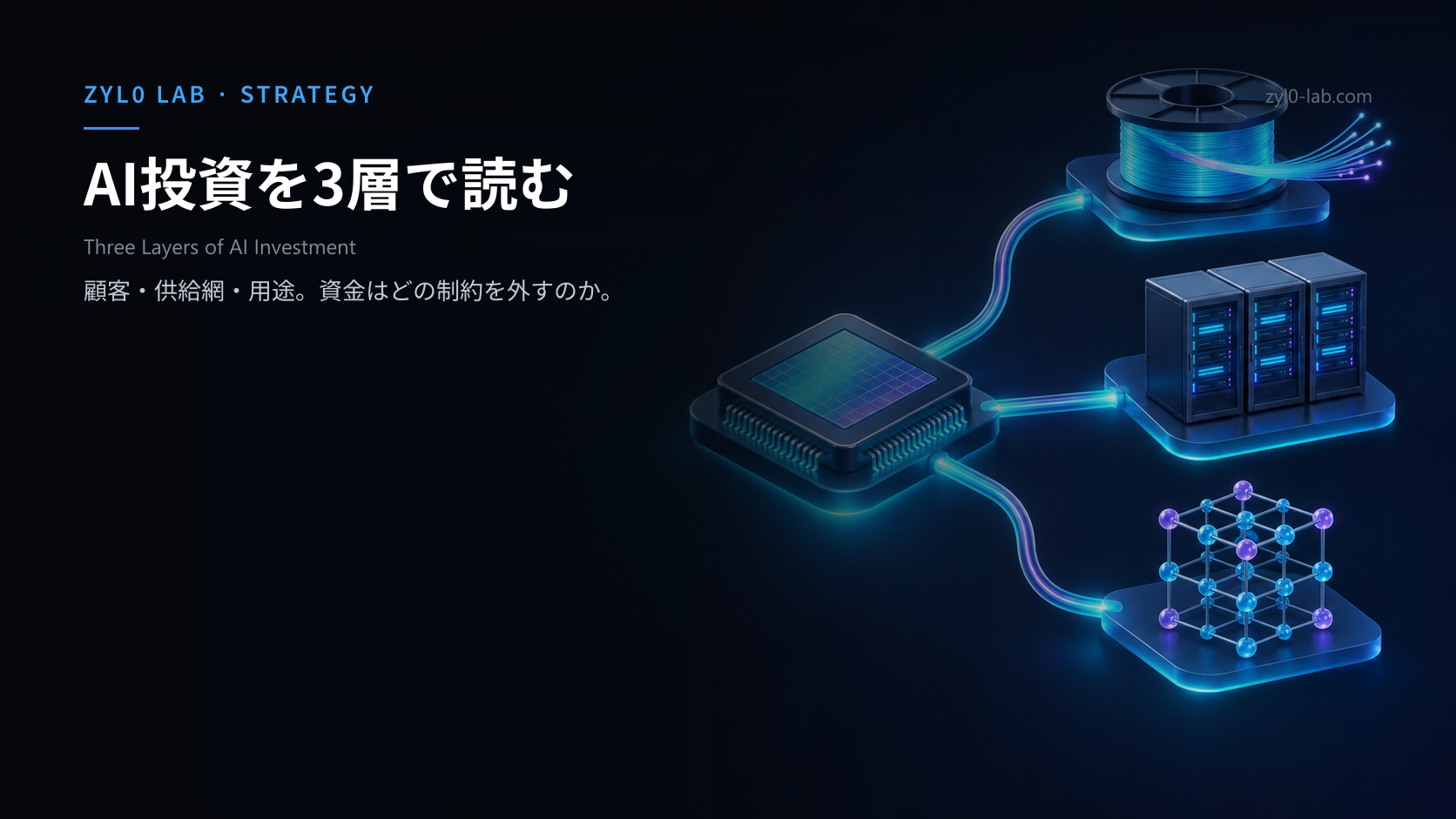
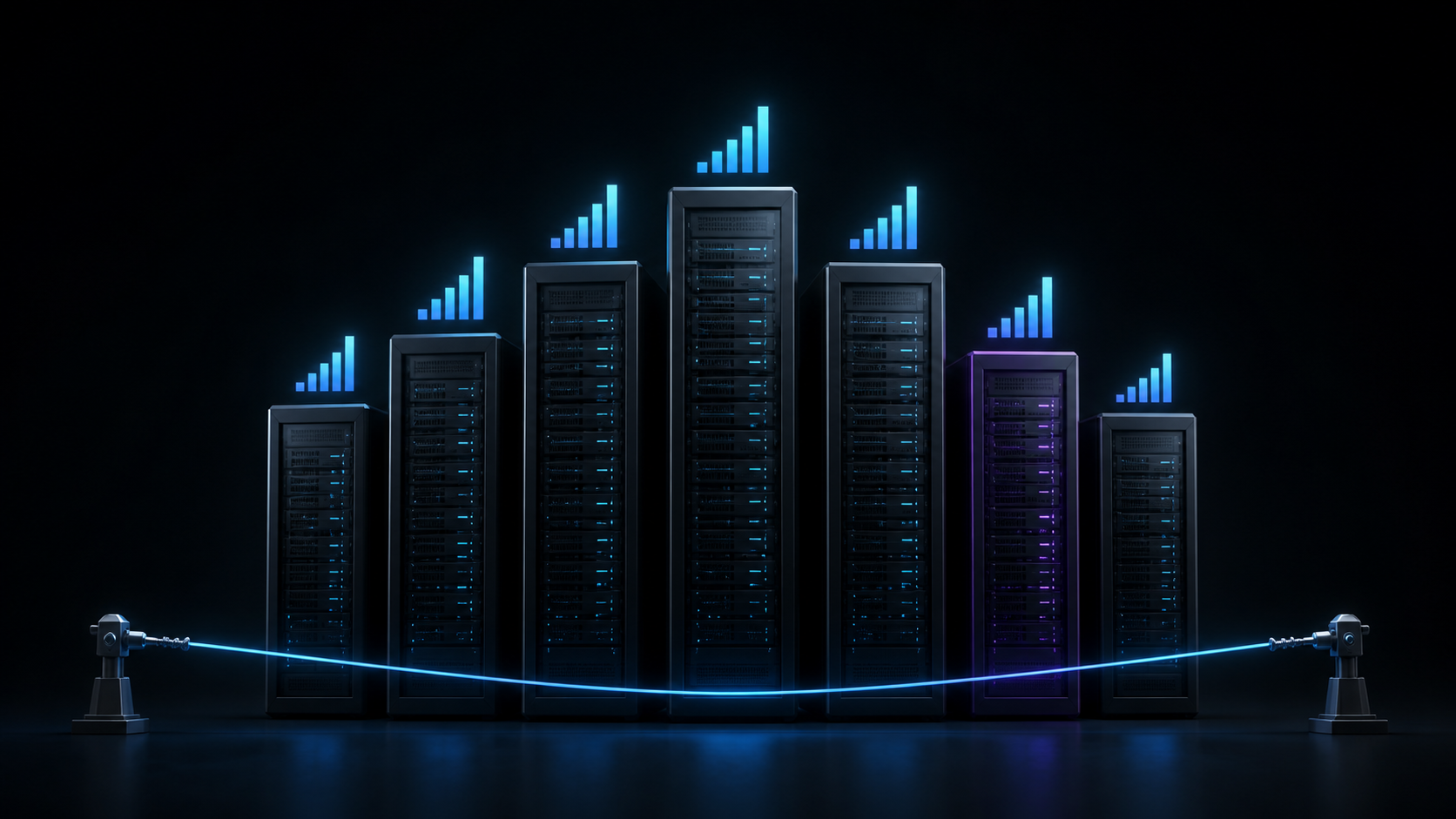
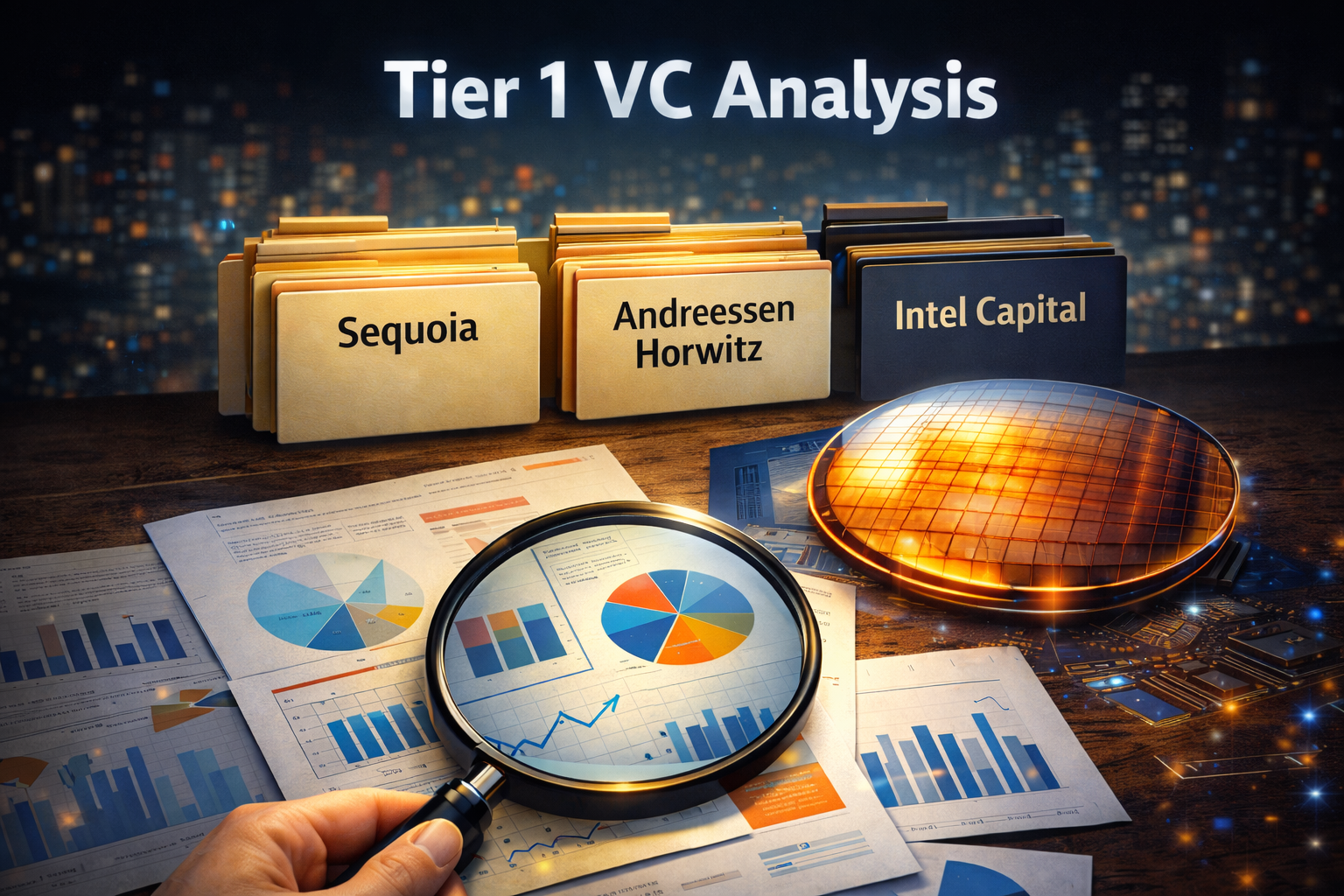
Compare capital directed into model research, specialized silicon, customers and engineering applications, distinguishing acquisition value, cash spending and conditional equity commitments.
Compare capital directed into model research, specialized silicon, customers and engineering applications, distinguishing acquisition value, cash spending and conditional equity commitments.

AMD's agreements to acquire World Labs and Taalas carry combined disclosed value of approximately $11.1 billion. That is not an $11.1 billion cash-spending plan. Linking model research, inference silicon and customer adoption through capital requires separate tests for consideration, integration and shareholder returns.
This assessment uses public information only, checked on November 7, 2026. AMD series, part 2 focuses mainly on July–October 2026 announcements. Pending acquisitions remain pending, and announced amounts are not treated as completed investment.
The dilution discussed in post 74 also matters when an acquisition is paid for in shares. Preserving cash does not make a transaction cheap. New capabilities must create enough value to compensate existing shareholders for the ownership they give up.
Do Not Add Acquisitions, Investments and Customer Support Together
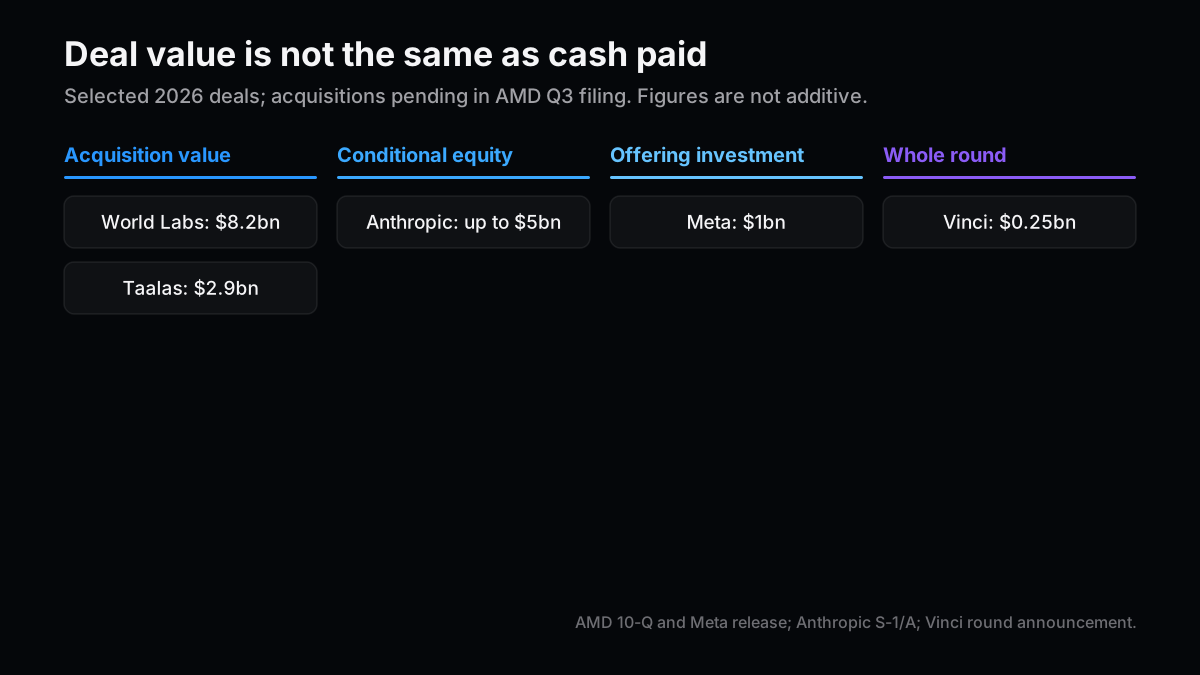
The following selected examples distinguish the arrangements. They are not a complete portfolio inventory.
| Counterparty and announcement | Capital arrangement | Public amount | Confirmed status |
|---|---|---|---|
| Taalas, August | Acquisition agreement | About $2.9 billion, including up to about $1.4 billion contingent consideration | Pending in the Q3 10-Q |
| World Labs, September | All-stock acquisition agreement | About $8.2 billion | Pending in the Q3 10-Q |
| Anthropic, July | Conditional share-purchase commitment | Up to $5 billion | Linked to delivery and deployment milestones |
| Meta, October 27 | Intended investment in an equity offering | $1 billion | Announced intention to invest |
| Vinci, October 6 | Minority round participation | $250 million round at a $1.5 billion valuation | AMD's individual contribution undisclosed |
The $11.1 billion acquisition total includes stock and contingent consideration. The customer commitment is not cash paid in full on announcement. Vinci's round total is not AMD's check.
AMD's 10-Q anticipates closing both acquisitions by the end of 2026, subject to regulatory and customary conditions. An acquisition strategy can be assessed at the agreement stage; successful technical integration cannot be presumed at that stage.

Why Bring Model Research Closer to Specialized Silicon?
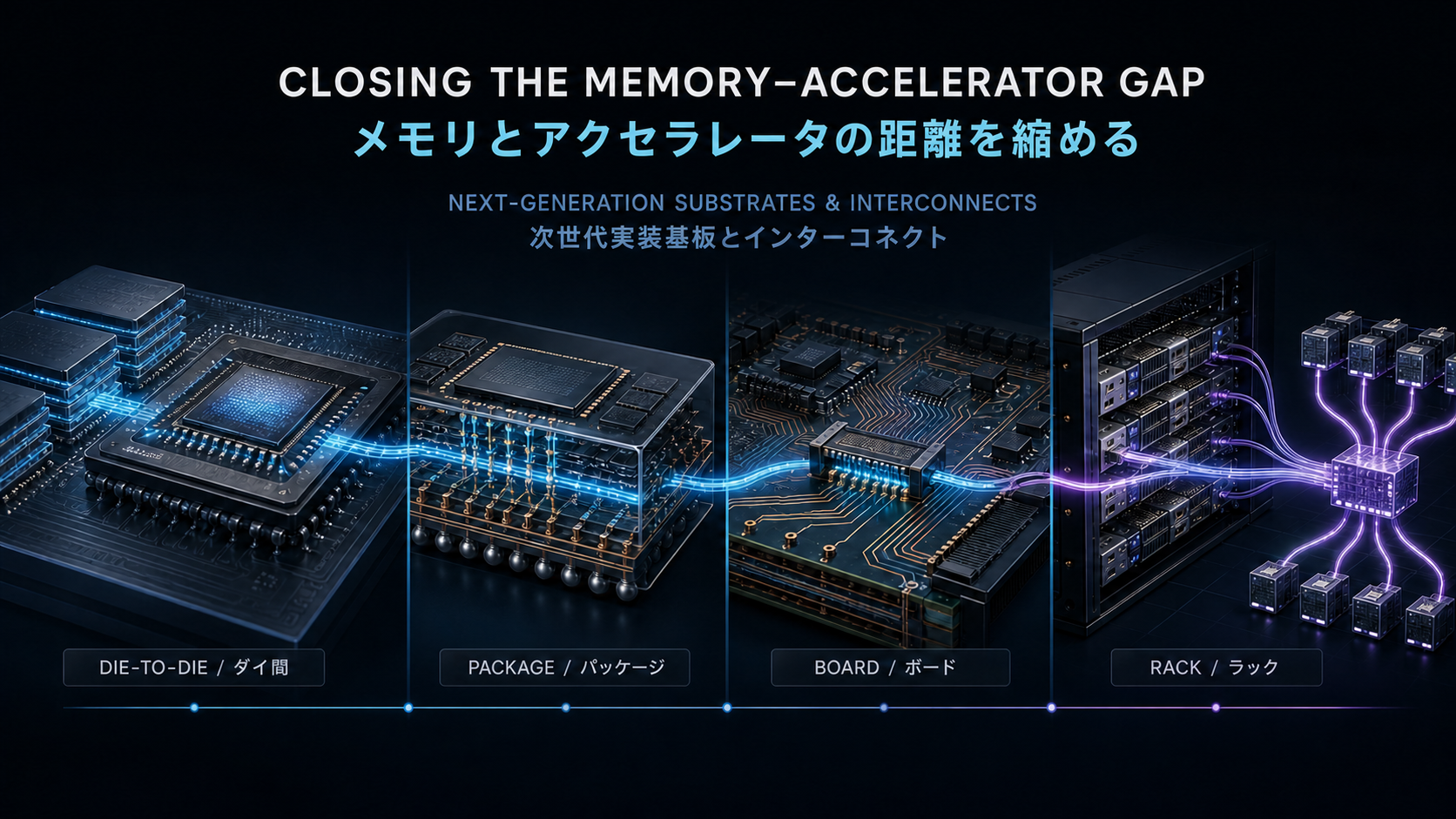
World Labs brings expertise in evolving model workloads. Taalas brings specialized inference-silicon technology. Together, the stated acquisition purposes suggest an effort to understand future workloads and shape hardware and systems around them.
That is my strategic inference. The announcements do not establish a combined product or a firm launch date. They also do not establish that specialized silicon will replace general-purpose GPUs throughout the portfolio.
GPUs offer flexibility when models and workloads change. Specialized designs can optimize a narrower workload, but their economics depend on adaptation costs and the useful life of that optimization. The question is how stable the customer's processing requirements are, and how often they change.
| Capital destination | Capability sought, as a hypothesis | Evidence of success | What remains unknown |
|---|---|---|---|
| Model research | Understand future compute requirements | Requirements influence shipping designs | Revenue attributable to research |
| Specialized silicon | Improve inference cost and efficiency | Lower production total cost | Update, migration and supply burdens |
| Customers and applications | Increase useful workload adoption | Repeat deployment and external revenue | Demand without continued investment support |
When I built an AWS backend using IoT Core, Lambda, DynamoDB and API Gateway, integration decisions determined operating effort more than any individual component's headline capability. The analogy is limited, but useful: strong research beside strong silicon does not automatically create an operable system. Users need migration, monitoring and updates to work together.
Customer Investment Creates Both Adoption and Financial Exposure
Anthropic's S-1/A describes AMD's commitment to purchase up to $5 billion of shares as becoming available in increments after specified GPU delivery and deployment milestones. The first milestone is expected in 2027. The July announcement therefore cannot be read as $5 billion already invested.
The mechanism connects customer adoption to supplier capital. Deployment can create product-sales opportunities, while exposure to the same customer's financial health increases. Ownership percentages also cannot be derived without reading purchase-price mechanics and draw conditions.
Meta's $1 billion arrangement is a separate investment in an equity offering. The technical relationship spans CPUs, GPUs, networking and software. It has both a financing dimension and an adoption dimension; neither cancels the other.
This resembles the customer and supply-chain involvement examined in the NVIDIA investment article. Yet similar strategies operate with different cash resources. The low current FCF examined in AMD's earnings analysis makes the timing of recovery particularly relevant.
I would distinguish strategic fit from financial return at every stage. A supplier can become more relevant to a customer while earning an inadequate return on the capital required to establish that relevance. Counting deployments alone misses that possibility.

Minority Investments Extend the Application Surface
Vinci announced its October 2026 Series B at $250 million and a $1.5 billion valuation, naming AMD Ventures and Khosla Ventures among participants. It targets computational infrastructure for hardware engineering. Individual investor amounts were not disclosed.
For context, NEA announced in July that it co-led CuspAI's $450 million Series B with Kleiner Perkins. This concerns materials-discovery workloads. I do not use that announcement as evidence of AMD's investment amount or either company's hardware adoption. It demonstrates specialist venture capital flowing into adjacent engineering applications.
Carta's Q3 report says approximately 57% of capital invested at Series B and beyond in 2026 went to AI companies on its platform. That supports a picture of concentrated financing and intense competition. It does not measure profitability across AI applications or represent every global venture deal.
An Open Ecosystem Still Has to Survive Integration
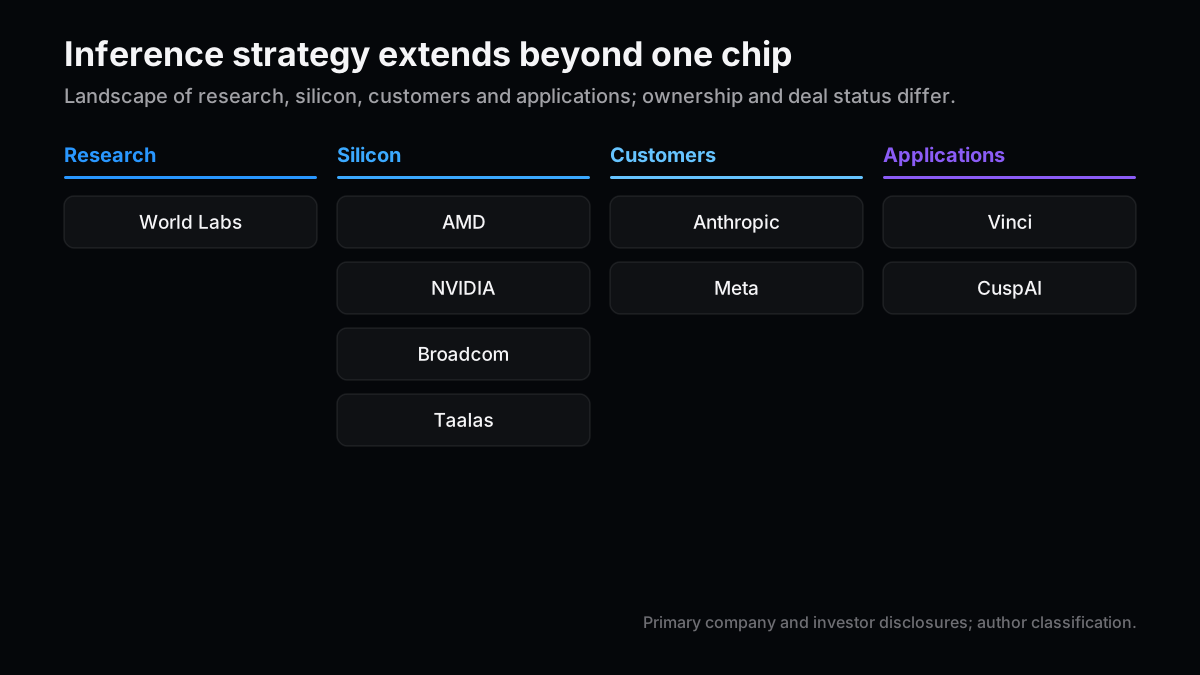
My reading is that AMD is expanding the range of workloads its systems can accommodate rather than betting on one architecture alone. Whether this becomes a usable open ecosystem or a difficult collection of assets will be demonstrated in products.
| Horizon | What to assess | Positive evidence | Negative evidence |
|---|---|---|---|
| Next 12 months | Closing and initial integration | Retained teams and coherent development plans | Delay, departures and fragmented development |
| 1–3 years | Inference products and adoption | Lower total cost including migration | Benchmarks without sustained deployment |
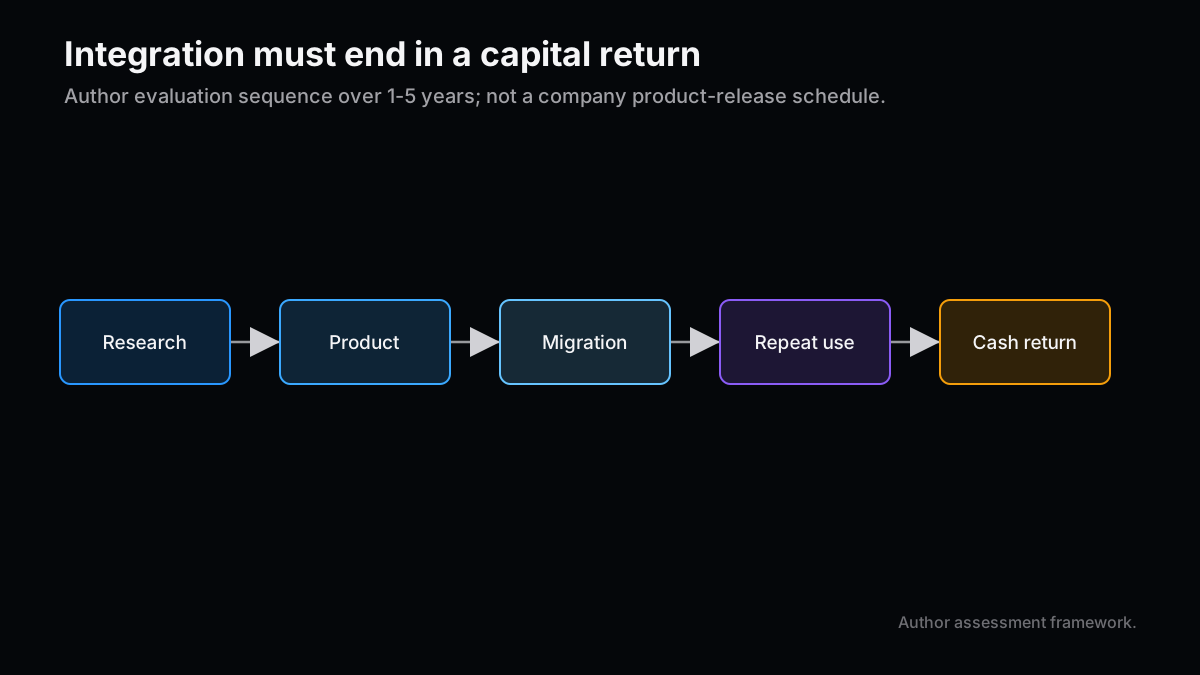
| 3–5 years | Return on committed capital | Earnings exceed dilution and support costs | Repeated financing and acquisitions remain necessary |
In an all-stock acquisition, the eventual value of consideration can move with the share price. Contingent payments also need not match initially recognized amounts. The $11.1 billion is a disclosed approximate transaction value, not a finalized cash or invested-capital total.

Rational Direction, Unproven Shareholder Return
Bringing model expertise closer to inference design is strategically reasonable. Acquisition pricing and the eventual increase in shareholder value remain uncertain. I am constructive on the medium-term technology base, while neutral on re-rating the stock merely because more deals have been announced.
| Scenario | Development | Shareholder outcome | Assessment |
|---|---|---|---|
| Base case | Deals close and capabilities enter products gradually | More adoption alongside integration costs | Constructive technology view; neutral price assessment |
| Main upside | Lower migration costs support production inference | Revenue grows without repeated supplier funding | Reassess including capital efficiency |
| Tail risk | Integration and model updates outpace execution | Dilution, amortization and funding burdens persist | Reduce investment assumptions |
What would change my mind: customer counts rise, but migration and operating costs remain high and continued adoption requires additional investment. A strategy explained only by the names of acquired technologies has not yet demonstrated economic integration.
The next documents worth reading concern closing conditions, integrated products, repeat usage and cash recovery. Expanding the set of computing options and earning a return on those options belong on the same scorecard. That is where the medium-term strategy becomes an investment result.
Related Posts
- AI Chip Earnings 2: Growth and the Cash Burden — Financial resources behind the strategy.
- AI Chip Investments 1: Three Layers of Capital — Customer and supplier involvement at the leading platform.
- The 1% Stock Option and Dilution — The ownership cost of stock consideration.
- Physical AI: Hand Patents and Operating Economics — Where models and mechanisms meet production and operations.
References
- AMD Q3 10-Q acquisition disclosures, World Labs acquisition rationale, Taalas acquisition rationale
- AMD–Meta investment and collaboration, October 27, 2026
- Anthropic S-1/A: AMD commitment conditions, November 2, 2026
- Vinci Series B primary announcement, October 6, 2026
- NEA on co-leading CuspAI Series B, July 23, 2026
- Carta State of Private Markets Q3 2026
Next Issue Ideas
- Idea 1: Twelve Months From Acquisition to Product — Compare post-acquisition delivery at three or more suppliers.
- Idea 2: The Inference Cost of Each Model Update — Examine refresh economics in general-purpose, specialized and mixed systems.
- Idea 3: Repeat Usage in Design, Materials and Healthcare AI — Compare three-year revenue durability and adoption costs rather than funding totals.
This article is not investment advice. The author may hold securities mentioned. Generative AI assisted its preparation. Please read the disclaimer before making an investment decision.