Why Design, Data Movement & Packaging Attract VC Capital — Series②
As GPU performance scales, design, I/O, and packaging become the real AI bottleneck. CPO, SerDes, EDA automation, and quantum deals analyzed through a semiconductor-process CVC lens — what $500M+ mega rounds reveal about investment logic.
As GPU performance scales, design, I/O, and packaging become the real AI bottleneck. CPO, SerDes, EDA automation, and quantum deals analyzed through a semiconductor-process CVC lens — what $500M+ mega rounds reveal about investment logic.


Why Design, Data Movement & Packaging Attract VC Capital
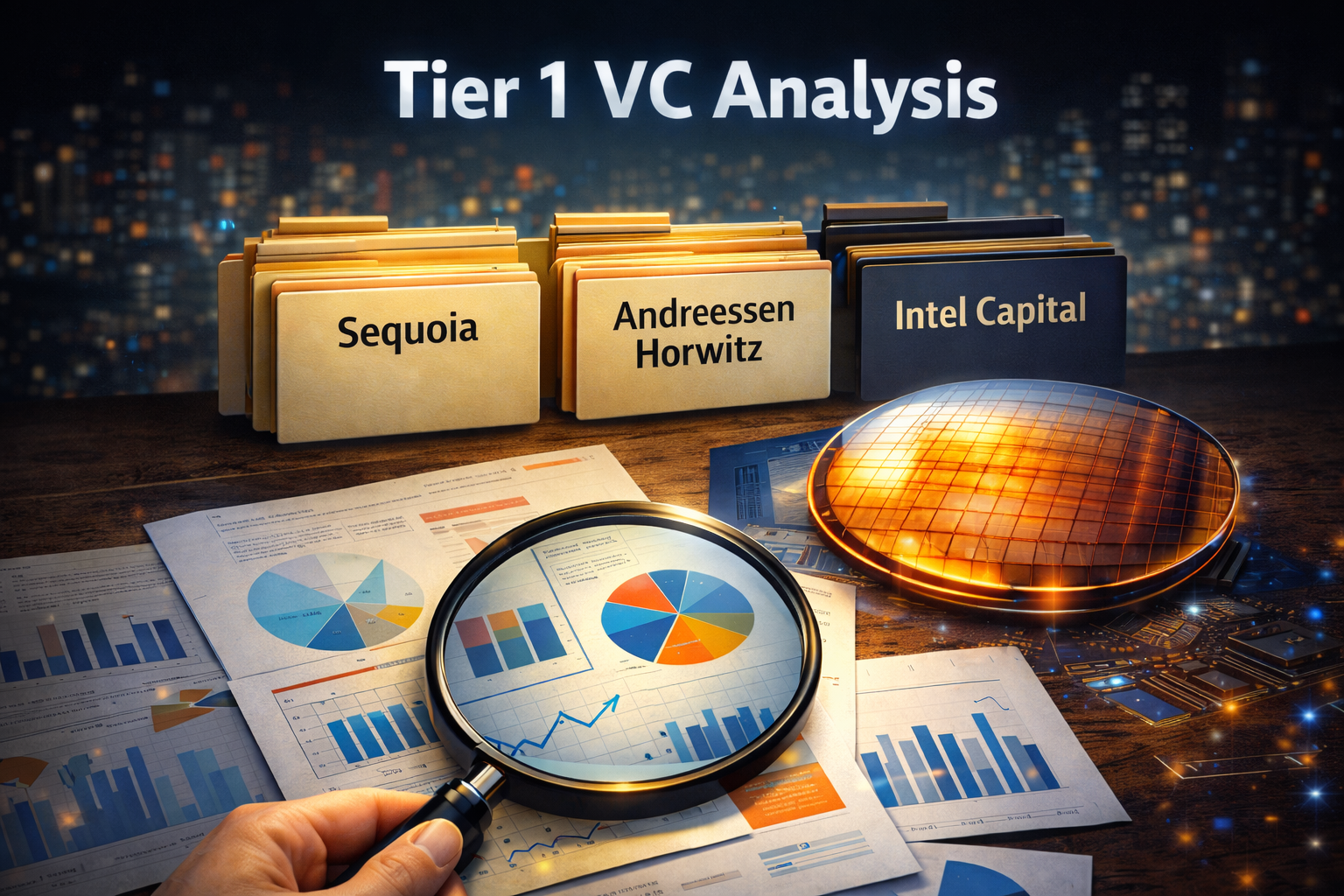
I led automotive EEPROM process development. From the floor, what's blindingly obvious is that design, process, and packaging are not separate problems — they rate-limit each other in a coupled system. So when Tier-1 VCs simultaneously pour capital into all three layers, that lines up with the engineering reality, not against it. Part 2 walks through the technical necessity behind each domain through the representative deals.
Why "Peripheral Layers" Are Catching the Big Checks
Let me reset the framing flat first.
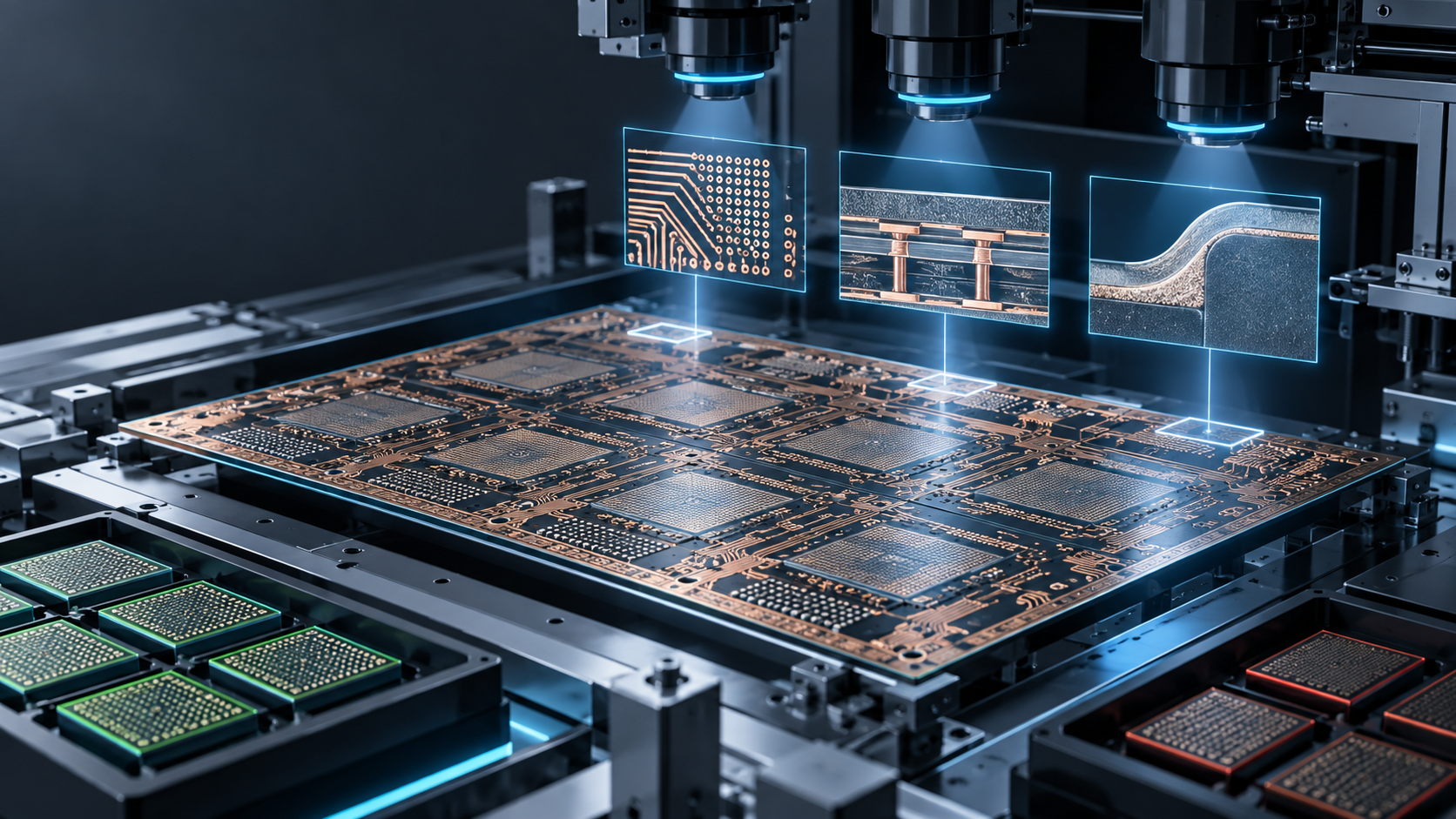
In Part 1, the key claim was that Tier-1 VCs bet on AI's constraints, not its compute. The logic that powers Part 2 is straightforward: as GPU performance scales exponentially, the surrounding layers become the limiting factor. Connecting 10,000 GPUs needs switches and interconnects. Exceeding single-chip performance limits needs packaging (CPO/Chiplet). Growing design complexity needs EDA and verification automation.
Why are large rounds flowing into each of these areas right now? I'll work through the representative deals as case studies.

Executive Summary
- Investment ROI is shifting from single-chip to full-stack (design→packaging→operations). CPO, coherent DSP, and AI switching — areas that solve operational constraints — are now commanding $500M+ rounds.
- Generative AI has increased design complexity, making EDA automation (Agentic AI) a new investment theme. With lower manufacturing risk and faster iteration, design automation is an attractive early-stage semiconductor play.
- New compute (analog/quantum) remains a long-term theme, but capital flows to companies that can connect research to product to market. Technical feasibility alone is insufficient — customer, cloud, and government partnerships are now evaluation criteria.
Technology Stack × Investment Mapping
| Tech Domain | Representative Co. (VC) | Round | Amount | Role |
|---|---|---|---|---|
| Design AI/EDA | Ricursive (Sequoia) | Seed | $35M | Accelerate chip design cycles |
| Design AI/EDA | ChipAgents (Bessemer) | Series A | $21M | Agentic AI for design/verification |
| RISC-V IP | Akeana (Kleiner Perkins) | Cumulative | >$100M | Open CPU instruction set |
| SerDes/IP | Kandou (Bessemer) | Series C | $92.3M | High-speed chip-to-chip PHY |
| Coherent DSP | Retym (Kleiner Perkins) | Series D | $75M | Signal processing for optical links |
| CPO/Optical I/O | Ayar Labs (Sequoia related) | Series E | $500M | Silicon photonics to bypass copper limits |
| AI Switch | Nexthop AI (a16z) | Series B | $500M | Networking for large-scale AI clusters |
| Analog compute | Unconventional AI (a16z) | Seed | $475M | Probabilistic computing for power efficiency |
| AI chip (M&A) | Graphcore (SoftBank) | M&A | Undisclosed | UK graph processor |
| CPU/Arm (M&A) | Ampere (SoftBank) | M&A | $6.5B | Arm-based cloud server CPU |
| Quantum | Rigetti (Bessemer) | Series C | $79M | Quantum cloud + hardware |
| Quantum | Quantum Circuits (Sequoia) | Series B | >$60M | Fault-tolerant quantum |
Domain①: Design/IP/EDA — Betting on Development Lead Time Reduction
Why VCs Are Entering Design Automation Now
Advanced chip design complexity grows with each process node. At 7nm→3nm→2nm, design rule complexity increases exponentially, and a single tapeout can cost tens of millions of dollars. Verification, simulation, and debugging now consume the majority of the design cycle. The thesis: apply AI agents to automate the most time-intensive parts of this workflow.
Case Study: Ricursive Intelligence ($35M, 2025 Seed)
Sequoia's lead on this $35M seed is the clearest signal that a top-tier VC is entering chip design automation at the earliest stage.
The key advantage: high software content. Without owning fabrication, the approach of embedding AI into design flows carries relatively lower manufacturing risk. The main competitive risk is from Synopsys and Cadence — EDA giants with deep customer relationships and M&A firepower. The winning position is likely "differentiated workflow integration" or "dominant capability in a specific design step (e.g., verification, static timing analysis)."
Case Study: ChipAgents ($21M, 2025 Series A)
Bessemer-led, ChipAgents automates the verification and debug loop using agentic AI.
The framing: "a significant fraction of design engineering time is spent in verification and bug-fixing cycles." An agentic AI system that can define tasks, execute, verify, and iterate autonomously in the EDA toolchain reduces that cycle. The goal is not reducing code written, but automating the verification-to-fix loop itself.
EDA Automation Investment Logic:
| Dimension | Detail |
|---|---|
| Market size | Global chip designers × design cycle cost reduction |
| Manufacturing risk | Low (primarily software) |
| Competitive risk | M&A target for EDA incumbents (Synopsys/Cadence) |
| Exit paths | M&A (EDA giants or chip design companies) or IPO |
| Timeline | Relatively short (2–5 years) |
Domain②: Interconnect/Data Movement — "Connecting GPUs" is the Main Arena
The Copper Bottleneck and the Rise of Silicon Photonics
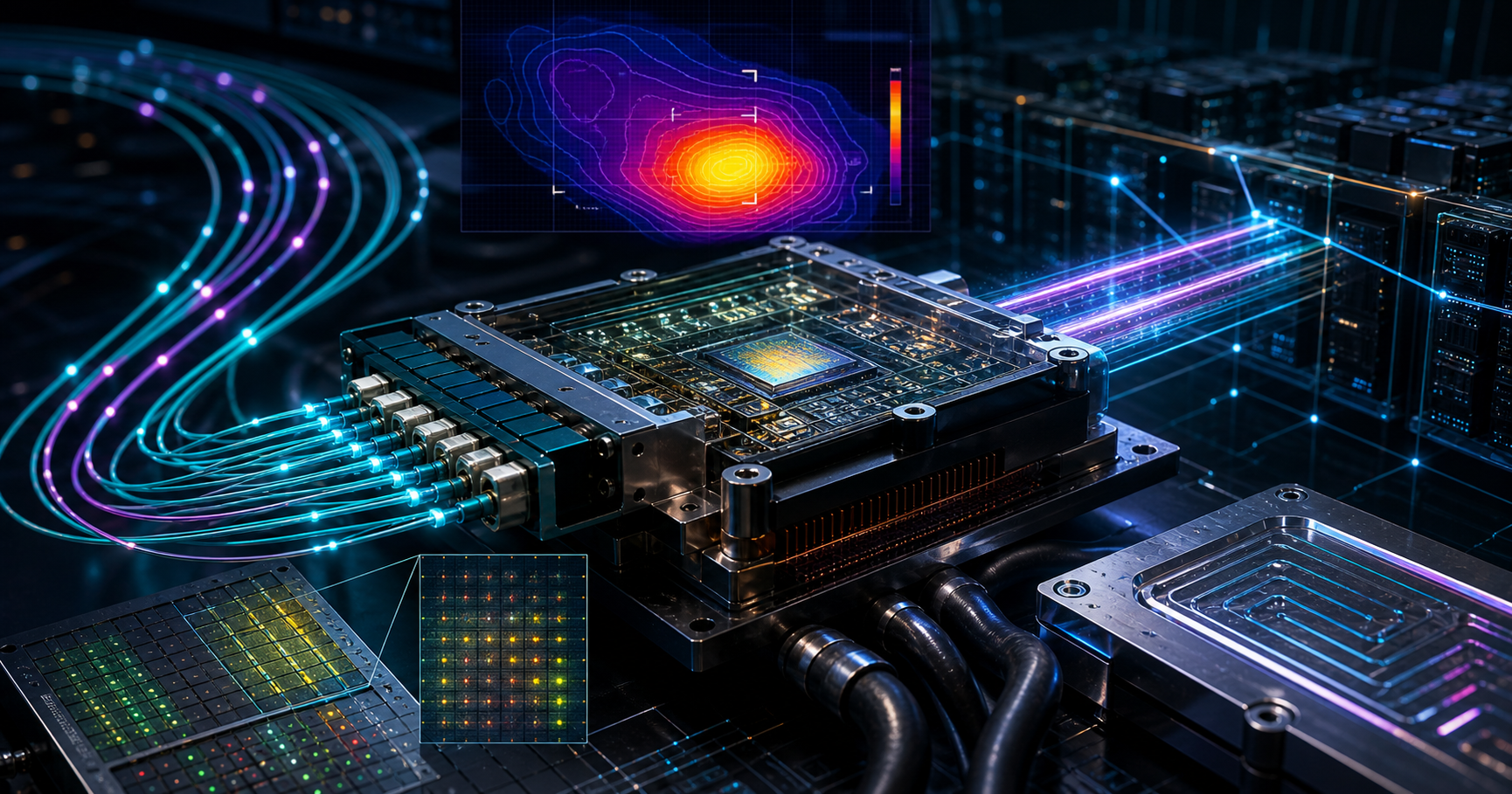
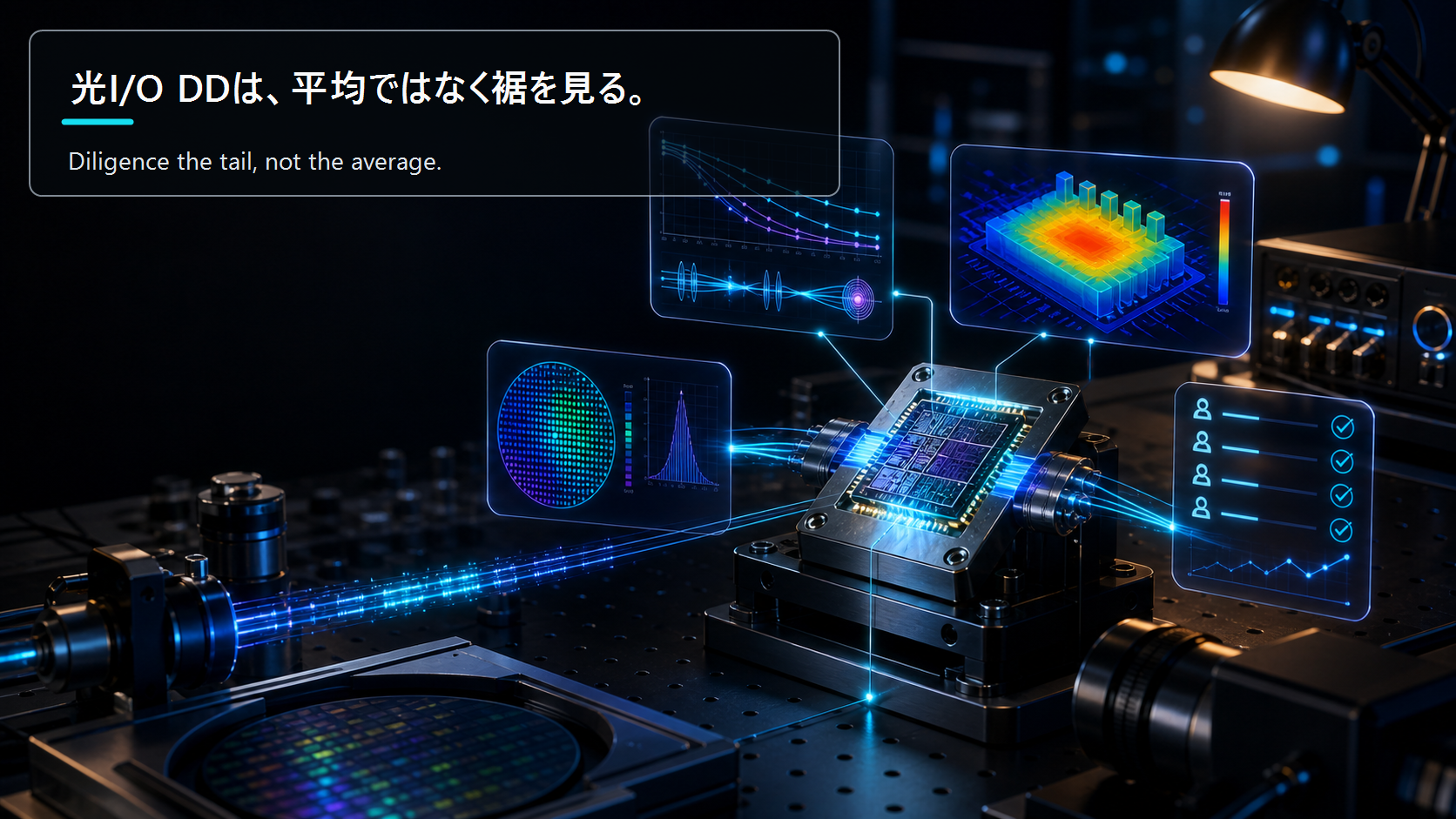
In large-scale AI clusters (thousands to tens of thousands of GPUs), data movement between chips, racks, and data centers is the limiting factor across bandwidth, latency, and power simultaneously.
Copper interconnect: bandwidth ↑ → power ↑↑↑, distance → signal loss
Silicon photonics: optical transmission → high bandwidth, low power, long distance
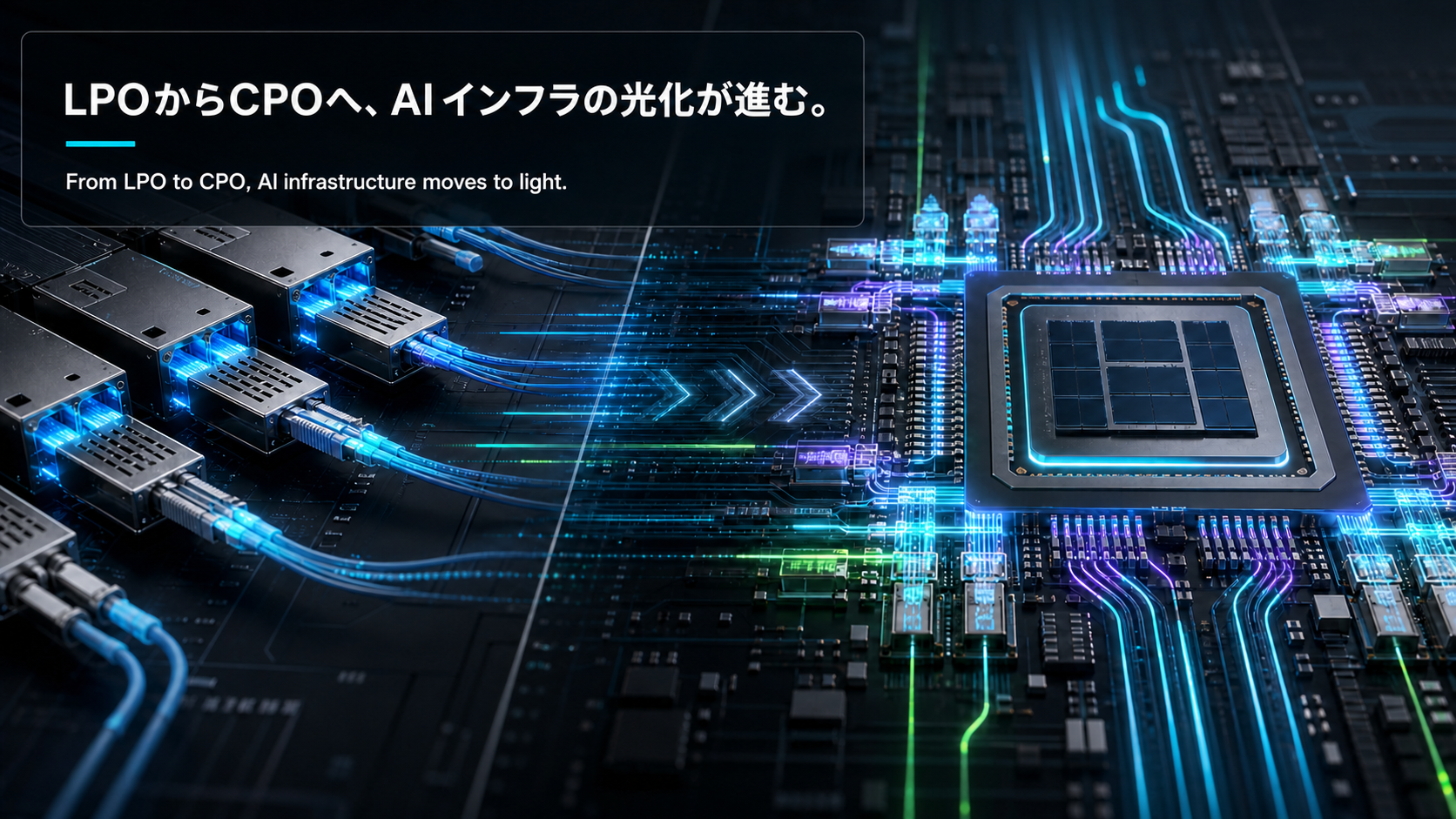
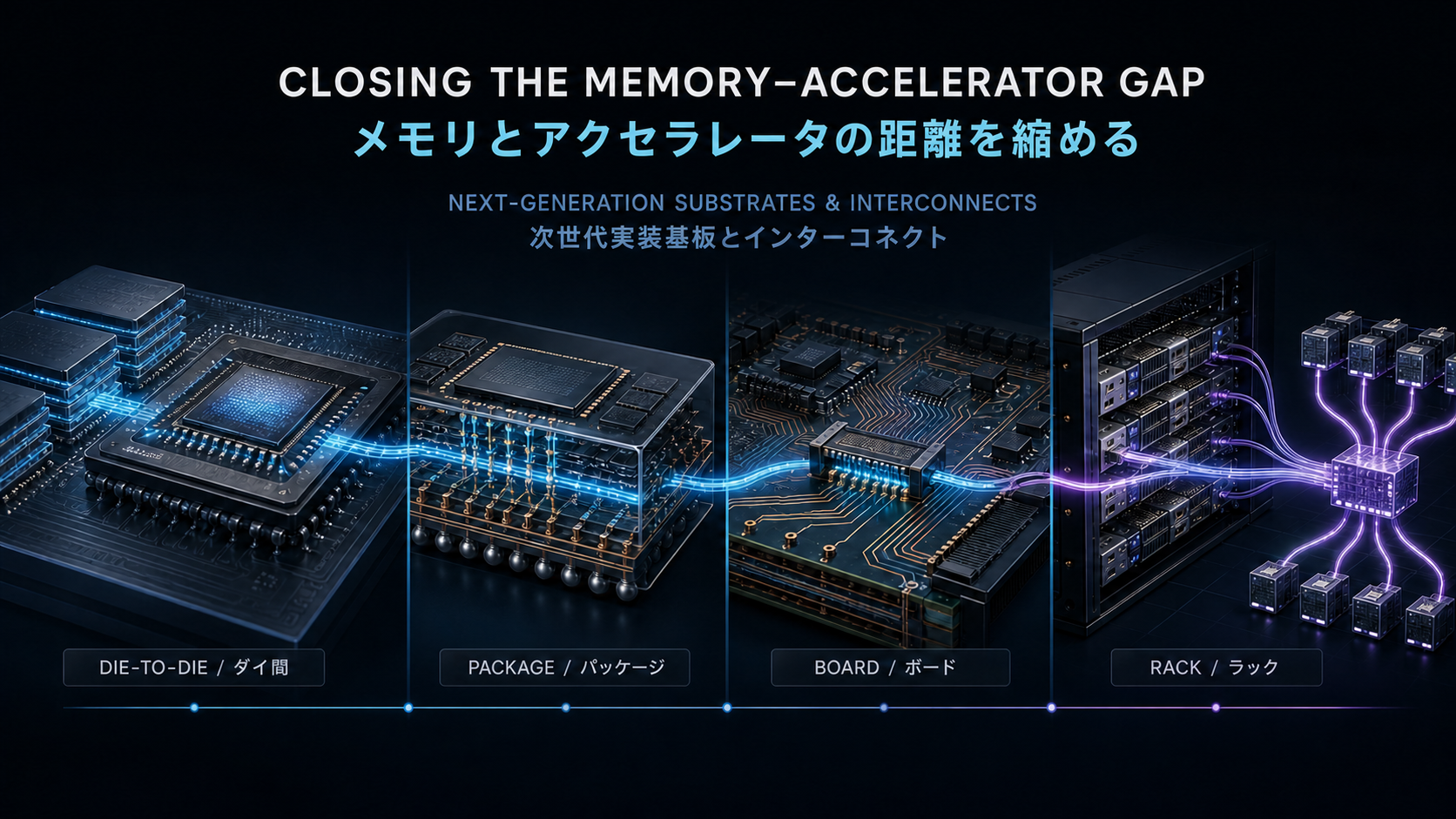
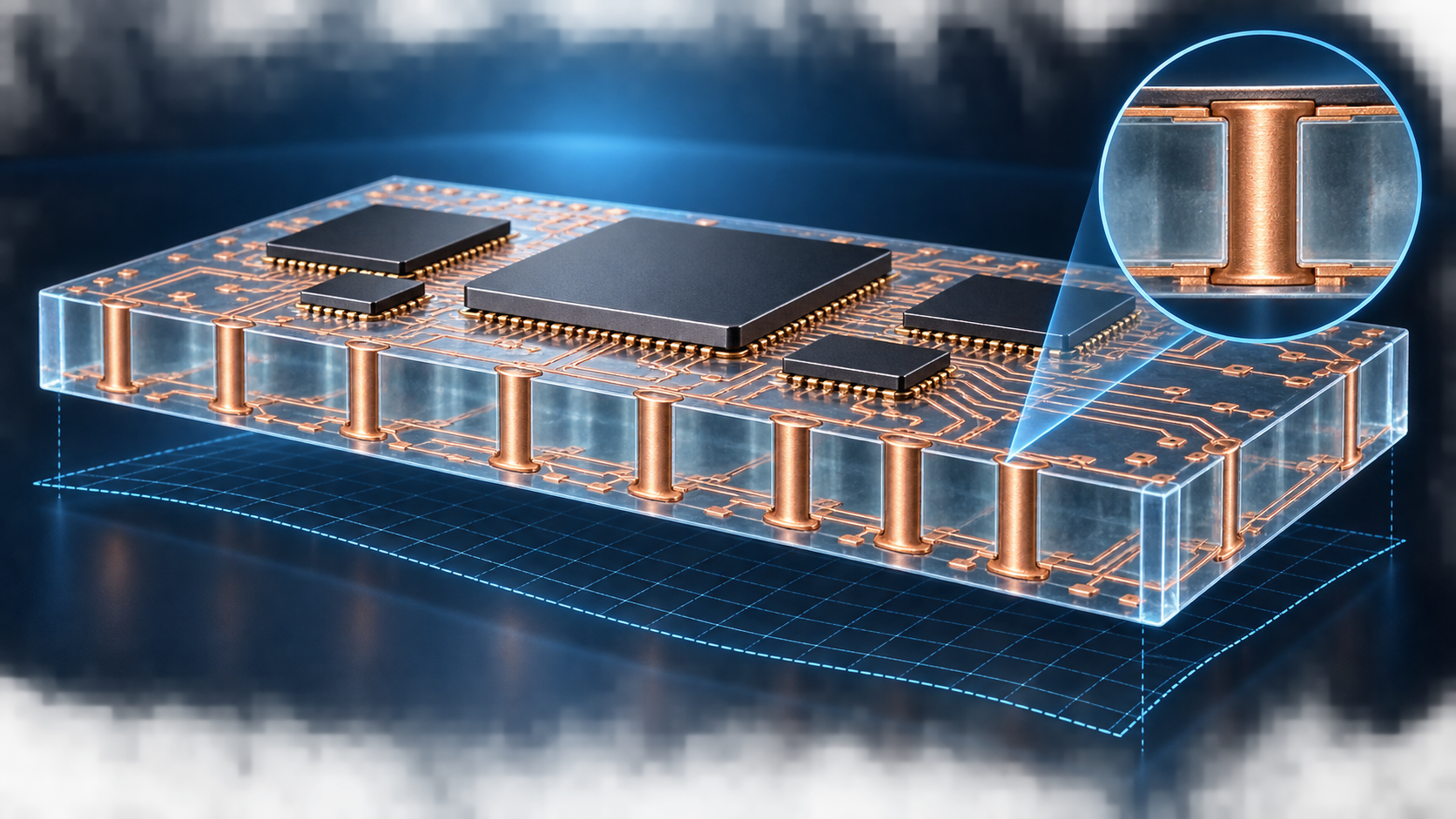
Co-Packaged Optics (CPO): integrate optical I/O into the chip package
        → bypass the physical limits of copper
Case Study: Ayar Labs ($500M, 2026 Series E)
This round, valuing Ayar Labs at $3.75B, is one of the largest fundraises in the CPO space.
The presence of NVIDIA and AMD as strategic investors is critical. Their participation is not purely financial — it signals that CPO technology will be integrated into next-generation product roadmaps. The participation of a Sequoia-related vehicle validates that pure financial returns are also available at this valuation.
Investment logic: The physical limits of copper (bandwidth density, power) are fundamentally hard to engineer around. If CPO becomes the standard packaging architecture for AI compute, companies with the manufacturing technology, IP, and test capability will command significant value.
Case Study: Retym ($75M, 2025 Series D)
Kleiner Perkins-backed Retym specializes in coherent DSP optimized for cloud and AI workloads.
The differentiator: tailoring the DSP architecture to specific "distance ranges" — intra-datacenter (tens to hundreds of meters), metro (tens of km), and long-haul (hundreds of km+). Each range has different optimal DSP design. Rather than a universal chip, Retym targets specific operational regimes with purpose-built silicon.
Case Study: Kandou ($92.3M, 2020 Series C)
Bessemer-led, Kandou's Matterhorn IP has demonstrated deployment in USB4 and Thunderbolt implementations.
The strategy rides the standard upgrade cycle: as device and server standards evolve (USB4 Gen3, etc.), implementation requirements change, and Kandou's IP captures value at each transition. A recurring, standards-cycle-driven business model with a proven IP track record.
Case Study: Nexthop AI ($500M, 2026 Series B)
a16z's $500M investment in Nexthop AI frames AI-era Ethernet switching as the next infrastructure layer.
The thesis: "AI clusters are growing in scale faster than traditional switching architectures can adapt. Existing switches are not optimized for AI communication patterns (all-to-all collective communication)." Nexthop builds AI-native switching to address this.
Interconnect Investment Common Logic:
| Dimension | Detail |
|---|---|
| Technical driver | GPU/accelerator scaling makes I/O the bottleneck |
| Customer base | Hyperscalers (Google/AWS/Microsoft/Meta) |
| Capital intensity | Medium to high (manufacturing qualification required) |
| Risks | Production yield, supplier qualification, geopolitics |
| Exit paths | M&A (major chip companies) or IPO |
Domain③: AI Accelerators / New Compute — Betting on Computing Paradigms
Two Approaches: Mega-Seed vs. Vertical Integration
Two distinct approaches exist for the "change the computing paradigm" thesis:
- Mega-seed in a startup (a16z × Unconventional AI): High risk, but success redefines the market.
- Acquisition-based vertical integration (SoftBank × Graphcore/Ampere): Lower technology realization risk, but integration cost and market timing risk remain.
Both are ecosystem positioning plays — not simply chip investments.
Case Study: Unconventional AI ($475M, 2025 Seed)
One of the largest seed rounds in semiconductor investment history, co-led by a16z.
The analog/mixed-signal approach for probabilistic computing differs fundamentally from current digital CMOS architectures. Key challenges:
- Manufacturing reproducibility: Analog circuits are sensitive to process variation
- Toolchain: Design and verification tools are immature
- Ecosystem: Software/framework adaptation required
But if successful, the potential for orders-of-magnitude power efficiency gains represents an overwhelming competitive advantage over current GPU architectures.
Why a16z makes this bet: With its Strategic Partnerships program institutionalizing enterprise and government deployment paths, a16z can afford the early-stage cost of locking in a category-defining architecture. The cost of not owning the option is higher than the cost of the bet.
SoftBank's Vertical Integration: Arm × Graphcore × Ampere
| Company | Role | SoftBank Acquisition |
|---|---|---|
| Arm | CPU IP, ISA standard, ecosystem core | Acquired 2016 ($32B) |
| Graphcore | Graph-optimized AI processing | Acquired 2024 |
| Ampere Computing | Arm-based cloud server optimization | $6.5B acquisition announced 2025 |
This is a business strategy, not a fund strategy. Evaluated on group synergy IRR, not VC fund returns.
Domain④: Quantum — Long-Term, But Capital Is Returning
The Shift to "Commercialization Phase" Quantum Investment
The quantum boom of the early 2020s saw many hardware startups emerge, then face market mismatch. However, 2024–2025 has seen large rounds return — now structured around platform competition + cloud delivery.
The evaluation shift: from "can quantum achieve quantum advantage?" to "can the company commercialize error correction, cloud delivery, and software stacks as an integrated system?"
Case Study: Quantum Circuits (Series B >$60M, 2024)
Sequoia's participation in this round signals conviction in fault-tolerant quantum architecture over near-term NISQ approaches. The bet is on the architecture that will scale — not the first to market.
Case Study: Rigetti Computing ($79M, 2020 Series C)
Bessemer-led, with Quantum Cloud Services as the vertical integration model. Subsequently NASDAQ-listed via SPAC (2022). Having a cloud API entry point maintains enterprise access even before hardware reaches quantum advantage — a critical commercialization design choice.
Quantum Investment Evaluation Criteria (Current):
| Axis | Detail |
|---|---|
| Technology | Error rates, qubit count, coherence time |
| Commercialization | Cloud API, SDK, customer deployments |
| Ecosystem | Algorithm and software partners |
| Exit | Acquisition by major cloud (AWS/Azure/GCP) or IPO |
Complete Investment Reference Table
| VC | Portfolio | Year | Round | Amount ($M) | Tech Domain | Geography |
|---|---|---|---|---|---|---|
| Sequoia | Quantum Circuits | 2024 | Series B | >60 | Quantum | US |
| Sequoia | InCore Semiconductors | 2023 | Seed | 3 | RISC-V IP | India |
| Sequoia | Mindgrove Technologies | 2023 | Seed | 2.3 | SoC | India |
| Sequoia | Ricursive Intelligence | 2025 | Seed | 35 | Design AI/EDA | US |
| Sequoia (related) | Ayar Labs | 2026 | Series E | 500 | CPO/Optical I/O | US |
| a16z | Unconventional AI | 2025 | Seed | 475 | Analog new compute | US |
| a16z | Nexthop AI | 2026 | Series B | 500 | AI switch | US |
| Kleiner Perkins | Akeana | 2024 | Cumulative | >100 | RISC-V IP | US |
| Kleiner Perkins | Retym | 2025 | Series D | 75 | Coherent DSP | US |
| Bessemer | ChipAgents | 2025 | Series A | 21 | EDA automation | US |
| Bessemer | Kandou | 2020 | Series C | 92.3 | SerDes/IP | Switzerland |
| Bessemer | Rigetti Computing | 2020 | Series C | 79 | Quantum | US |
| Bessemer | Habana Labs | 2018 | Series B (participant) | 75 | AI accelerator | Israel |
| SoftBank | Fungible | 2019 | Series C | 200 | DPU | US |
| SoftBank Group | Graphcore | 2024 | M&A | Undisclosed | AI chip | UK |
| SoftBank Group | Ampere Computing | 2025 | M&A | 6,500 | Arm CPU | US |
Scenario-Based Domain Allocation
Putting allocation against the three scenarios:
| Scenario | Probability | Design AI/EDA | Interconnect | New compute | Quantum |
|---|---|---|---|---|---|
| Base — continued expansion | 50% | Core | Core | Neutral | Wait |
| Main — packaging-rate-limited | 30% | Hold | Heavy | Neutral | Wait |
| Tail — slowdown + investment chill | 20% | Hold | Neutral | Trim | Trim |
In the main scenario, CPO and AI switching are where I'd expect the highest returns. From operational experience: copper interconnect's physical limits have moved past the "fix it in design" zone — the fix has to be at the Co-Package layer. That's a rare spot where VC momentum and engineering necessity both line up.
ZYL0's Take
In one line: a large round doesn't mean high probability — it means high asymmetry, and that's why the check is large.
The $475M seed into Unconventional AI, and the $500M rounds into Nexthop and Ayar Labs, aren't bets on certainty. They're bets where "if wrong, lose the check; if right, create a category worth hundreds of billions." The asymmetry justifies the size.
The single area I find most technically compelling is CPO. Co-packaging optical I/O with silicon sits at the intersection of semiconductors, photonics, and precision packaging — three industries where Japan has globally competitive players. This is one of the few "cutting-edge intersections" where Japanese industry has a shot at participating at the frontier.
Part 3 synthesizes the strategic implications — how to construct a portfolio across these themes, and how to think about risk-reward across short, medium, and long time horizons.
Next Issue Ideas
- Idea 1: A data-updated follow-up — Revisit the thesis with fresh numbers and separate what strengthened from what broke.
- Idea 2: A practical template edition — Turn the article into a checklist readers can reuse for investing, pricing, or technical operations.
- Idea 3: The bear-case test — Define the conditions that would invalidate this view and map the indicators to watch next.
Related Posts
- Semiconductor VC Series①: Converging on AI Bottlenecks — Where are Tier-1 VCs placing bets in the expanding $975B semiconductor market? Strategies of Sequoia, a16z, Kleiner Pe…
- Semiconductor VC Series③: Designing for Volatility — Why Tier-1 VCs decompose semiconductor investing into "design productivity, data movement, packaging, supply chain" ra…
- The Investment Map of AI Infrastructure's "Silicon Periphery": Power, Cooling, Optics, and Site Plays Hiding in Plain Sight — Watching only NVIDIA and AMD misses the point.
References
The factual and numerical assumptions in this article are anchored to primary or public materials that readers can revisit during AdSense review and future updates.
This article is for informational purposes only and does not constitute investment advice or a recommendation of any specific stock, service, or contract structure. The author may hold positions or interests related to companies or services mentioned. Generative AI was used for parts of research, translation, and proofreading, with final review by ZYL0. See the disclaimer for details.