The Researchers Behind Kimi K3, Fable 5, and GPT-5.6: Founding Lineages of Moonshot, Anthropic, and OpenAI
How founder research lineages — Transformer-XL, scaling laws, Constitutional AI — shaped Kimi K3, Claude Fable 5, and GPT-5.6, with 2026 valuations and IPO pipelines for the three labs.
How founder research lineages — Transformer-XL, scaling laws, Constitutional AI — shaped Kimi K3, Claude Fable 5, and GPT-5.6, with 2026 valuations and IPO pipelines for the three labs.


The Researchers Behind Kimi K3, Fable 5, and GPT-5.6: Founding Lineages of Moonshot, Anthropic, and OpenAI
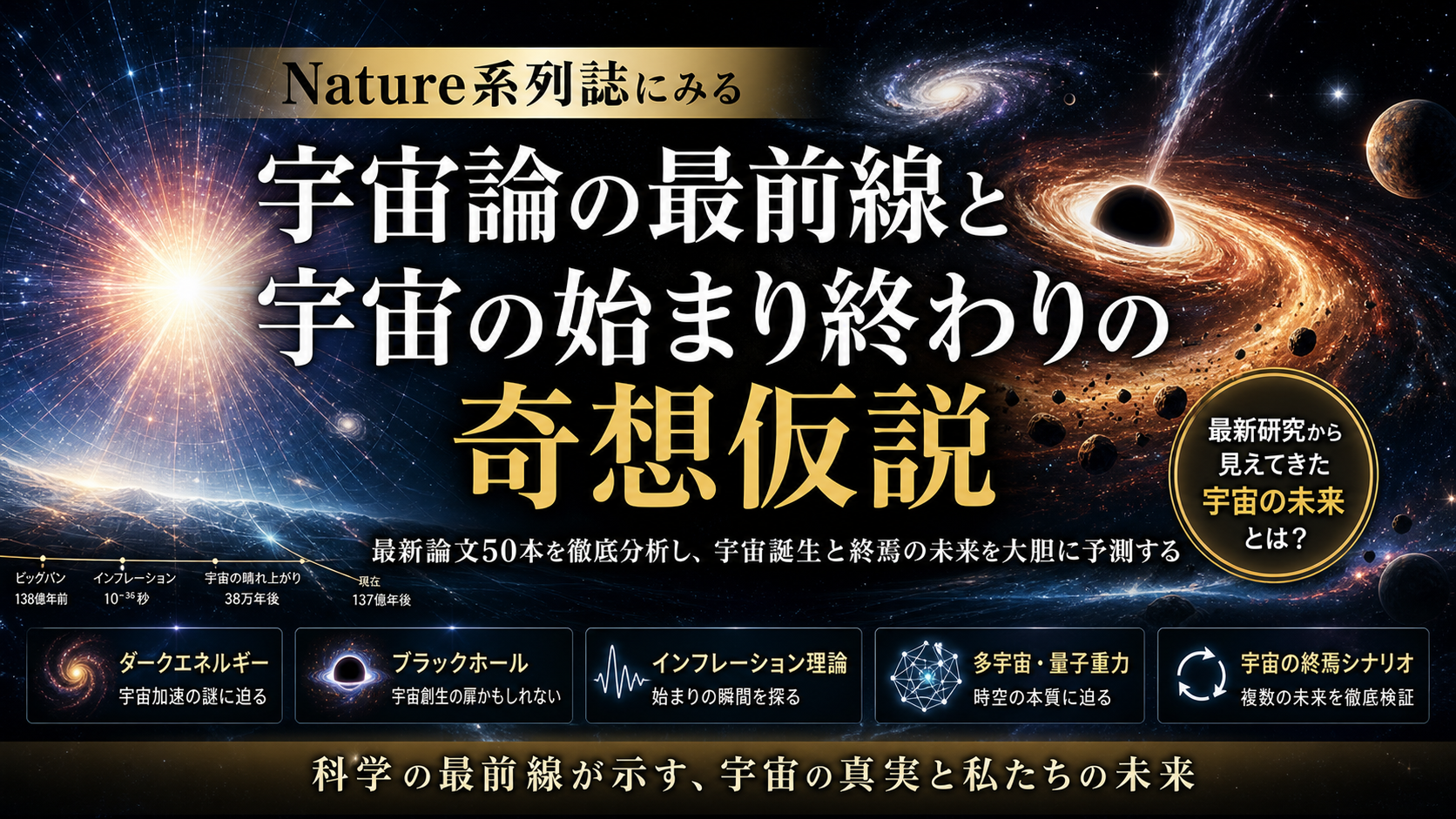
In part one (No. 39), I compared the July 2026 frontier trio on benchmarks and price. The whole time I was writing it, one line from the Japanese AI news show AI QUEST kept nagging at me. Researcher Shota Imai described the developer behind Kimi K3 as "number one in the world in AI research." I look at model scores every week — yet I knew almost nothing about the people who produced those scores.
Since moving to the deciding side at a CVC, I have developed the habit of reading a founder's history before reading the pitch deck. During my first overseas posting in North America, reviewing foreign startups for investment, what mattered even more than technical judgment was reading references: what has this founder actually built up over the years? This post applies that habit to three AI labs. Yang Zhilin's Transformer-XL, the Amodei siblings' scaling laws, OpenAI's ten-year arc from nonprofit to PBC — and how those research and organizational lineages surface in the design of the models we use today.
Version note: Facts are as of July 23, 2026. Valuations and raise amounts are private-market figures from press reports and official announcements, not liquid market prices. Biographical details are based on public information — papers, official profiles, and press coverage.
TL;DR: What You'll Learn
| Topic | What you'll learn |
|---|---|
| Moonshot AI | How Yang Zhilin's Transformer-XL/XLNet connects directly to Kimi K3's 1M context |
| Anthropic | How scaling laws and Constitutional AI led to Fable 5's classifier-gate design |
| OpenAI | The org's evolution — nonprofit (2015) → capped-profit (2019) → PBC (2025) — and GPT-5.6's price tiers |
| Investor lens | How to read the $20B / $965B / $852B valuations, and the pitfalls of reading companies by pedigree |
Yang Zhilin and Moonshot AI — From Transformer-XL to 1M Context
Start by checking what "world number one in AI research" actually means. It turned out to be less an exaggeration than an abbreviation.
Yang Zhilin was born in 1992 in Shantou, Guangdong. After computer science at Tsinghua University, he earned his PhD at Carnegie Mellon under Ruslan Salakhutdinov (later Apple's director of AI research) and William Cohen (later a principal scientist at Google DeepMind). Along the way he did research at Facebook AI Research and Google Brain, and in 2019 published Transformer-XL as co-first author and XLNet as first author. XLNet beat Google's then-dominant BERT on 18 of 20 standard tasks, and the two papers have together drawn more than 10,000 citations. Imai's "world number one" refers to that citation record among NLP researchers of his generation.
The problem Transformer-XL solved, in one line: models forget everything outside a fixed-length window. It caches the hidden states of the previous segment for reuse and keeps positions consistent with relative positional encoding. In pseudocode:
# Transformer-XL segment-level recurrence (simplified)
# h_prev: hidden states cached from the previous segment (no gradient)
def transformer_xl_layer(h_prev, x_curr):
    h_tilde = concat([stop_gradient(h_prev), x_curr], axis=seq)  # reuse memory
    q = W_q @ x_curr                     # queries come from the current segment
    k, v = W_k @ h_tilde, W_v @ h_tilde  # keys/values can see the cached past
    return attention(q, k, v, rel_pos_bias=True)  # relative position encoding
That 2019 research agenda — extend the window of context — flows straight into the product thesis of Moonshot AI, which Yang founded in March 2023 with Tsinghua schoolmates Zhou Xinyu and Wu Yuxin. The original Kimi's selling point was long context that was off the scale for its day, and Kimi K3's 1M-token context and 2.8T MoE (with KDA and Attention Residuals) sit on that same line. A problem the founder chose in graduate school still shows up in the spec sheet of the flagship seven years later — to me, that is the most elegant lineage in this whole story.
The capital side, briefly. Moonshot's valuation ran from $4.3B at the end of 2025 to $10B in February 2026, then past $20B in May on a $2B round led by Meituan. Alibaba and Tencent both sit on the cap table, and annualized recurring revenue reportedly passed $200M in April. Two tech giants who compete everywhere else, invested side by side — that genuinely surprised me.
The Amodei Siblings and Anthropic — From Scaling Laws to Safety Classifiers
Lab number two is Anthropic, whose Fable 5 topped the composite index in part one. Its lineage reads most clearly as two threads: prediction and safety.
Dario Amodei earned a PhD in computational biophysics at Princeton, joined Andrew Ng's team at Baidu to work on the Deep Speech line of speech recognition, passed through Google Brain, and joined OpenAI in 2016. As VP of Research he led the development of GPT-2 and GPT-3, and was one of the central figures behind the 2020 paper "Scaling Laws for Neural Language Models." Compute, data, and parameters scale performance along a predictable power law — that finding bred two convictions at once: bet big and you win, and if capability growth is predictable, the growth of risk should be predicted and prepared for too.
In 2021, Dario left OpenAI together with his sister Daniela Amodei (OpenAI's VP for safety and policy), GPT-3 lead author Tom Brown, scaling-law physicist Jared Kaplan, interpretability researcher Chris Olah, and others, and founded Anthropic. Differences over the balance between commercialization speed and safety research are the commonly cited background. Constitutional AI (2022) and the Responsible Scaling Policy that followed are the institutionalization of that "predict and prepare" line.
Now look at Fable 5's design, and the lineage has become a product spec. The top-end weights (Claude Mythos 5) stay restricted to research institutions; the generally available Fable 5 shares those same weights but layers safety classifiers on top, rerouting queries judged high-risk to Opus 4.8. Ship capability only from behind a safety gate — the 2021 reason for founding, implemented as a 2026 API behavior. I know few examples where a founding philosophy shows up this literally in a product.
On capital: a $30B Series G at a $380B valuation in February 2026, a $65B Series H at $965B in May, and a confidential IPO filing on June 1. Semiconductor suppliers — Samsung, SK Hynix, Micron — joined the Series H as strategic investors. Paper marks or not, the moment Anthropic's valuation passed OpenAI's deserves recording as a turning point.
OpenAI — From Nonprofit Ideal to PBC Reality
The third and oldest lab is OpenAI. Here, I think the real story is the evolution of the organizational form more than any individual.
Founded in December 2015 by Sam Altman, Elon Musk, Greg Brockman, Ilya Sutskever, and others, it began as a nonprofit research lab under the banner of AGI for the benefit of all humanity. The research backbone ran through Sutskever — a student of Geoffrey Hinton who triggered the deep learning boom with AlexNet (2012) and laid the groundwork for sequence transduction with seq2seq (2014). The "believe in scale" culture starts there, and the scaling-laws work of the previous section was itself done inside OpenAI.
The decade since has been a run of tensions between ideal and capital. A capped-profit subsidiary and Microsoft's first $1B in 2019; runaway commercialization after ChatGPT in 2022; the November 2023 board crisis; the 2024 departures of Sutskever and other core researchers; and finally the 2025 recapitalization. The nonprofit OpenAI Foundation now governs with roughly 26% of the equity, the for-profit arm is OpenAI Group PBC (a public benefit corporation), Microsoft holds about 27% on a diluted basis, and employees and investors hold the remaining ~47%. In March 2026 the company raised $122B at an $852B post-money valuation, with an IPO reportedly targeted around 2027.
Read GPT-5.6's Sol/Terra/Luna price tiers as the terminal point of that commercialization arc and they make sense. Not a single strongest model, but a staircase from $5/$30 down to $1/$6, designed as a product line from day one — the instinct of a platform company, not a research lab. AI QUEST, meanwhile, aired the argument that some of the erratic, "runaway" behaviors observed in GPT-family models are a cost of regulatory positioning. With three labs building safety this differently, their distances from regulators will differ three ways too — continuous with the classifier discussion in part one.
The Three Labs on One Page — Research Lineage Lives in the Model
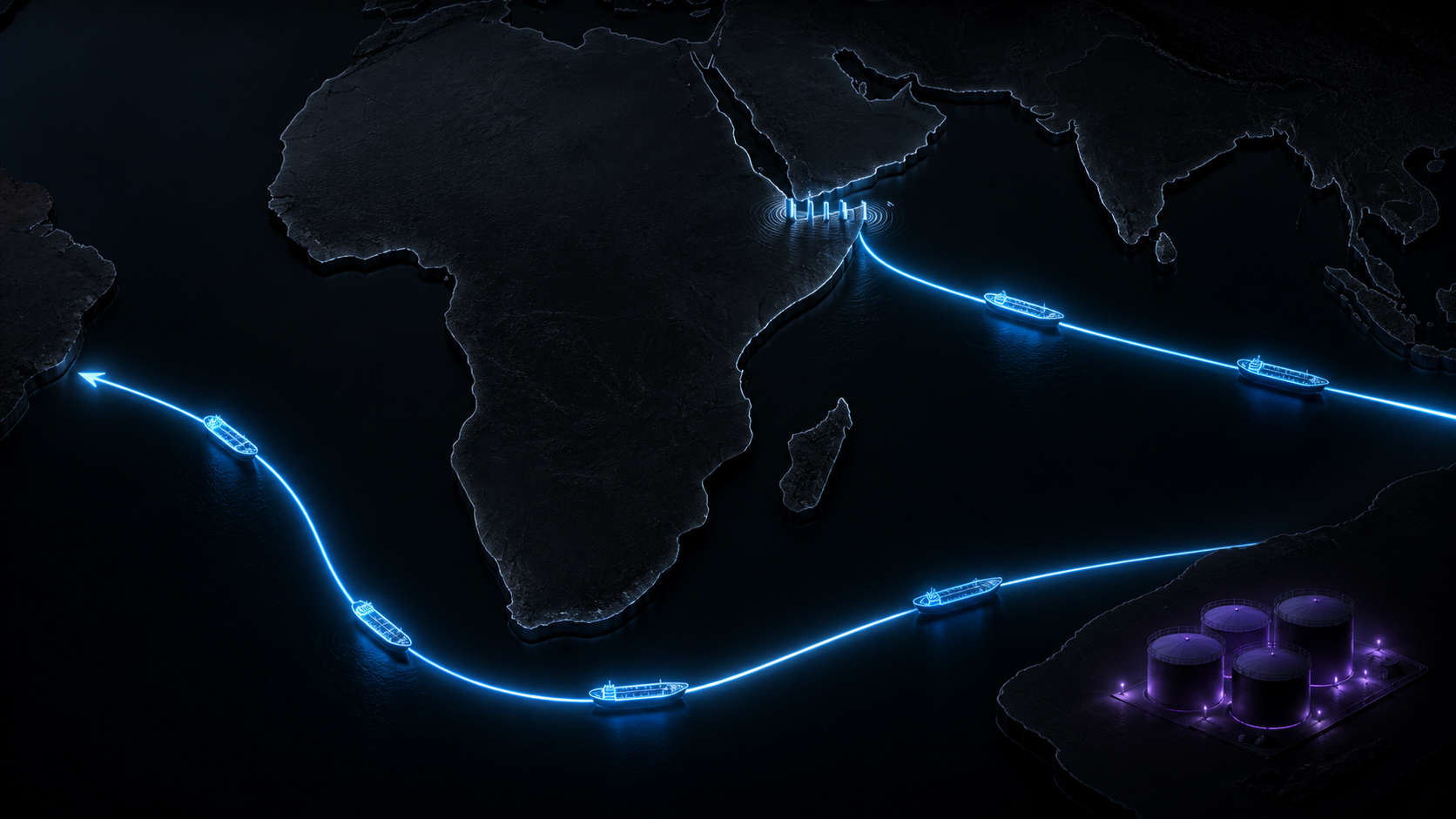
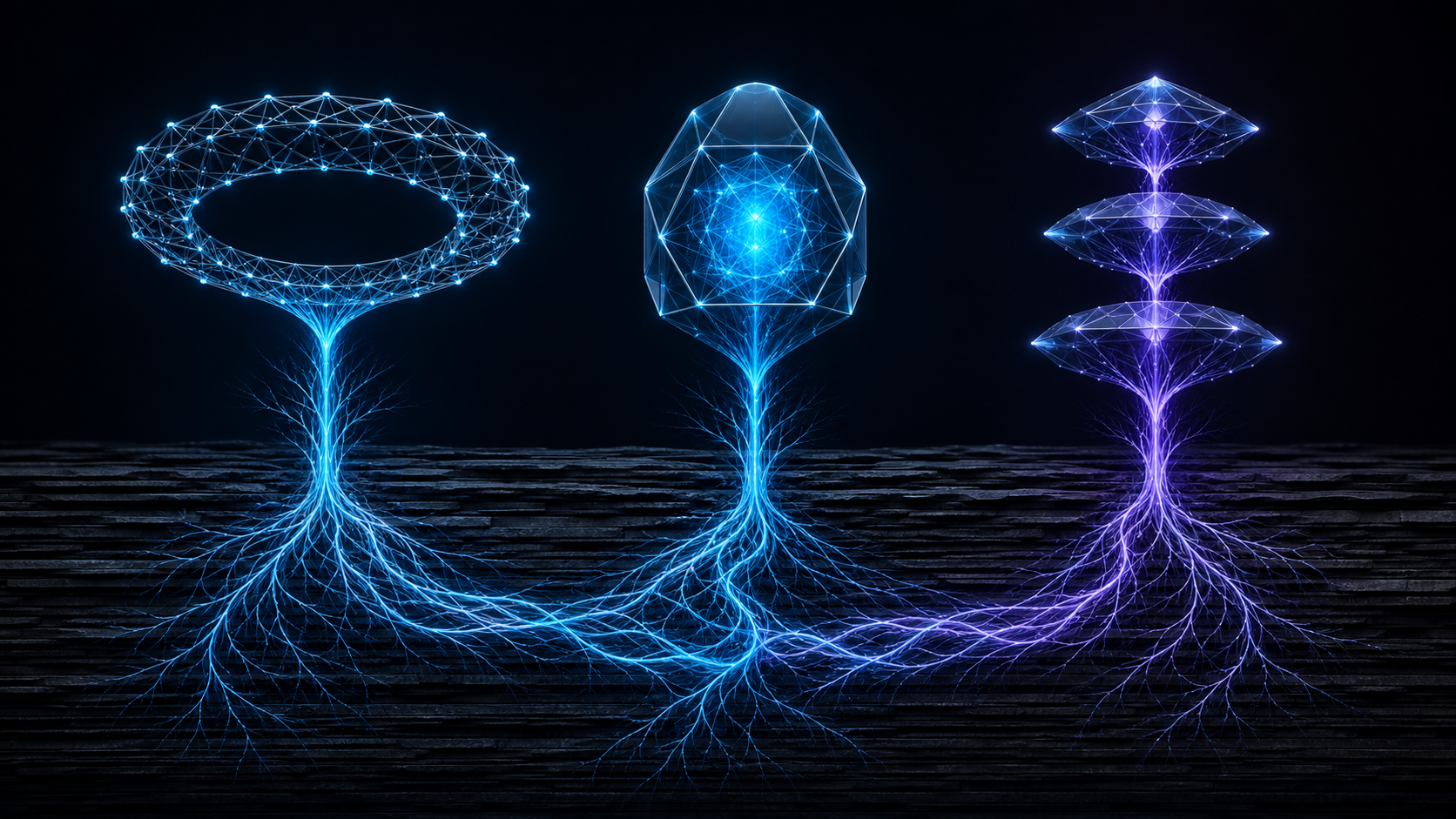
First, the three stories on one time axis.

Even the founding years — 2015, 2021, 2023 — are spaced six years apart, and each later lab starts from the problems its predecessor already solved. OpenAI proved that scale works; Anthropic institutionalized how to ship scale safely; Moonshot chases both with open weights. In table form:
| Item | Moonshot AI | Anthropic | OpenAI |
|---|---|---|---|
| Founded | March 2023 | 2021 | December 2015 |
| Key figures | Yang Zhilin, Zhou Xinyu, Wu Yuxin | Dario & Daniela Amodei et al. | Altman, Brockman, Sutskever et al. |
| Signature founder research | Transformer-XL, XLNet | Scaling laws, GPT-2/3, Constitutional AI | AlexNet, seq2seq (Sutskever lineage) |
| 2026 flagship | Kimi K3 (2.8T MoE) | Claude Fable 5 (Mythos class) | GPT-5.6 (Sol/Terra/Luna) |
| Signature left in the design | 1M context = the long-context agenda extended | Safety classifiers + restricted tier = RSP productized | Price tiers = the platform logic concluded |
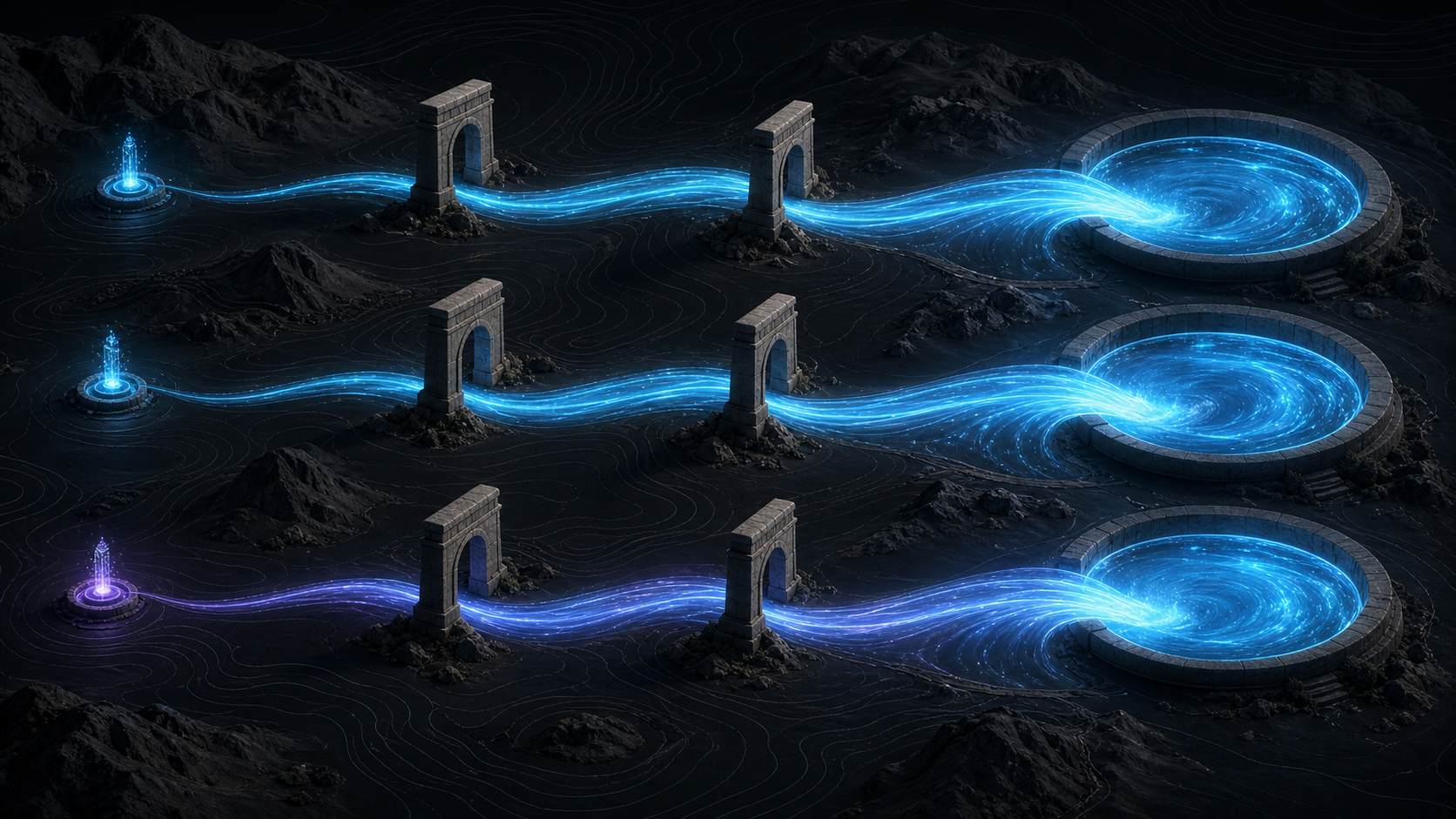
Trace which research flows into which spec and you get the following map.

Let me argue against my own diagram for a moment. If lineage decided everything, there would be no explaining DeepSeek — hedge-fund-born — stunning the world in early 2025. Research family trees are polished after the fact and are fertile ground for survivorship bias. Still, the weak law that "the problem a founder has obsessed over for a decade tends to survive into the spec sheet" is, in my experience, plenty useful as an entry point for reading a company.
The Investor Lens — Reading the Valuations, and the Pitfalls of Reading by Pedigree
Finally — occupational habit, the piece would feel unfinished without it — the capital numbers side by side.

| Item | Moonshot AI | Anthropic | OpenAI |
|---|---|---|---|
| Valuation (July 2026) | $20B+ | $965B | $852B |
| Latest round | $2B (Meituan-led, May 2026) | Series H $65B (May 2026) | $122B (SoftBank co-led, Mar 2026) |
| Key holders / investors | Alibaba, Tencent, HongShan, IDG, Meituan | GIC, Coatue, Sequoia, Samsung, SK Hynix, etc. | Microsoft ~27%, Foundation ~26% |
| Public revenue signal | ARR $200M+ (reported Apr 2026) | Undisclosed | Undisclosed |
| Distance to listing | Undecided | Confidential IPO filing (Jun 1, 2026) | Reported 2027 target |
I once caught an inflated valuation on a follow-on deal at investment committee, opposed it with data, and led the renegotiation. What that episode taught me is that the more a narrative is leading the valuation, the more you need an anchor of numbers. Read the table with that eye: Moonshot's $20B stands at roughly 100× its disclosed $200M ARR, and Anthropic and OpenAI sit just short of $1T with no official revenue disclosure at all. The beauty of a lineage and the sanity of a valuation are separate items on the checklist.
The pitfalls of reading by pedigree, recorded as a note to my future self:
- Citations are only a proxy: A strong paper record says little about leading an organization to production quality. For researcher-founders, always score hiring power and shipping record on separate axes.
- Family trees are tidied after the fact: The more successful the company, the neater the narrative of "a consistent founding philosophy." Nobody counts the labs with identical lineages that vanished.
- Private valuations are not market prices: Both $965B and $852B are paper marks from the latest rounds, not liquid pricing. Only post-listing disclosure (an S-1) makes them checkable.
- Where this does not fit: This way of reading works for long-horizon technology understanding and understanding private companies, but it is no signal for short-term trading of listed stocks. Prices move on rates and news, not lineages.
Having finished writing, I suspect this table will age better than the benchmark tables in part one. Scores change monthly; the problems founders obsess over do not.
Next Issue Ideas
- Idea 1: Gemini 4 and the DeepMind Lineage — Where Do AlphaGo's Genes Surface in the Product? — Get ahead of the repeatedly delayed Google camp by mapping the Hassabis reinforcement-learning lineage onto the Gemini product line.
- Idea 2: Auditing Anthropic's IPO Through the S-1 — Checking the $965B Valuation Against Disclosed Revenue — Once the listing documents go public, verify with real numbers the valuation this post called uncheckable.
- Idea 3: The Capital Map of Chinese AI Labs — Cap Tables and Regulatory Risk at Moonshot, DeepSeek, Zhipu AI, and MiniMax — Is the Moonshot pattern of Alibaba and Tencent investing side by side an exception or the norm? A cross-comparison of the major Chinese labs' funding histories.
Related Posts
- Kimi K3 vs Claude Fable 5 vs GPT-5.6: Benchmarks, Pricing, and When to Use Which — Part one of this series: the three models compared on performance and price.
- Open vs. Closed AI Models: What the Kimi K3 Shock Reveals About Value, Moats, and the Investor Playbook — The sequel to this post: the valuation shock after Kimi K3's release and how investors should respond.
- GPT-5.5 vs Claude Mythos: Comparing the AI Frontier's Two Leaders — The previous generation's comparison, recorded on the eve of the Mythos class.
- What Did NVIDIA × Groq ($20B) Change? — The capital-and-ecosystem mechanics on the AI infrastructure side.
- Mapping AI Semiconductor Startups: d-Matrix, TetraMem, MangoBoost, and the Post-GPU Design Race — A classification of the AI-chip startups building around memory, data movement, inference, and edge constraints.
References
Biographical and funding facts are anchored to the following public sources readers can verify (as of July 23, 2026).
- AI QUEST: Kimi K3's developer is "world #1 in AI research" — Shota Imai (YouTube)
- Wikipedia: Moonshot AI (founding history and founding team)
- TechCrunch: Moonshot AI raises $2B at a $20B valuation
- Anthropic: Series H — $65B at a $965B post-money valuation (official)
- TechCrunch: Anthropic raises $65B, nears $1T valuation ahead of IPO
- SiliconANGLE: OpenAI reportedly planning 2026–2027 IPO at up to a $1T valuation
This article is for informational purposes only and does not constitute investment advice or a recommendation of any specific stock, company, or service. Valuations and raise amounts are reported private-market figures and do not guarantee any market price. Generative AI was used for parts of research, translation, and proofreading, with final review by ZYL0. See the disclaimer for details.