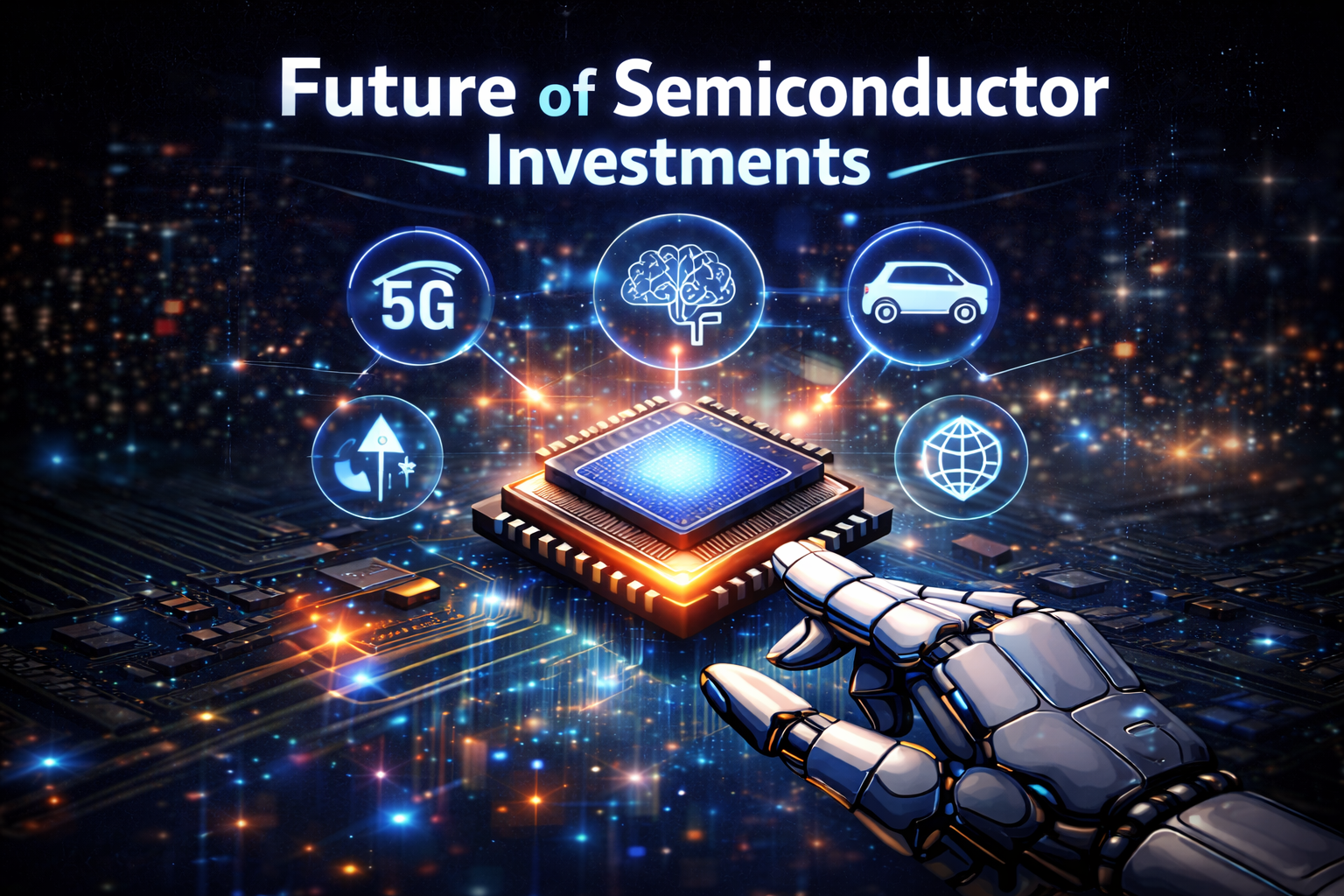
Spintronics Investment Roadmap 2030: Equipment, Materials, and IP Before the UTokyo Device
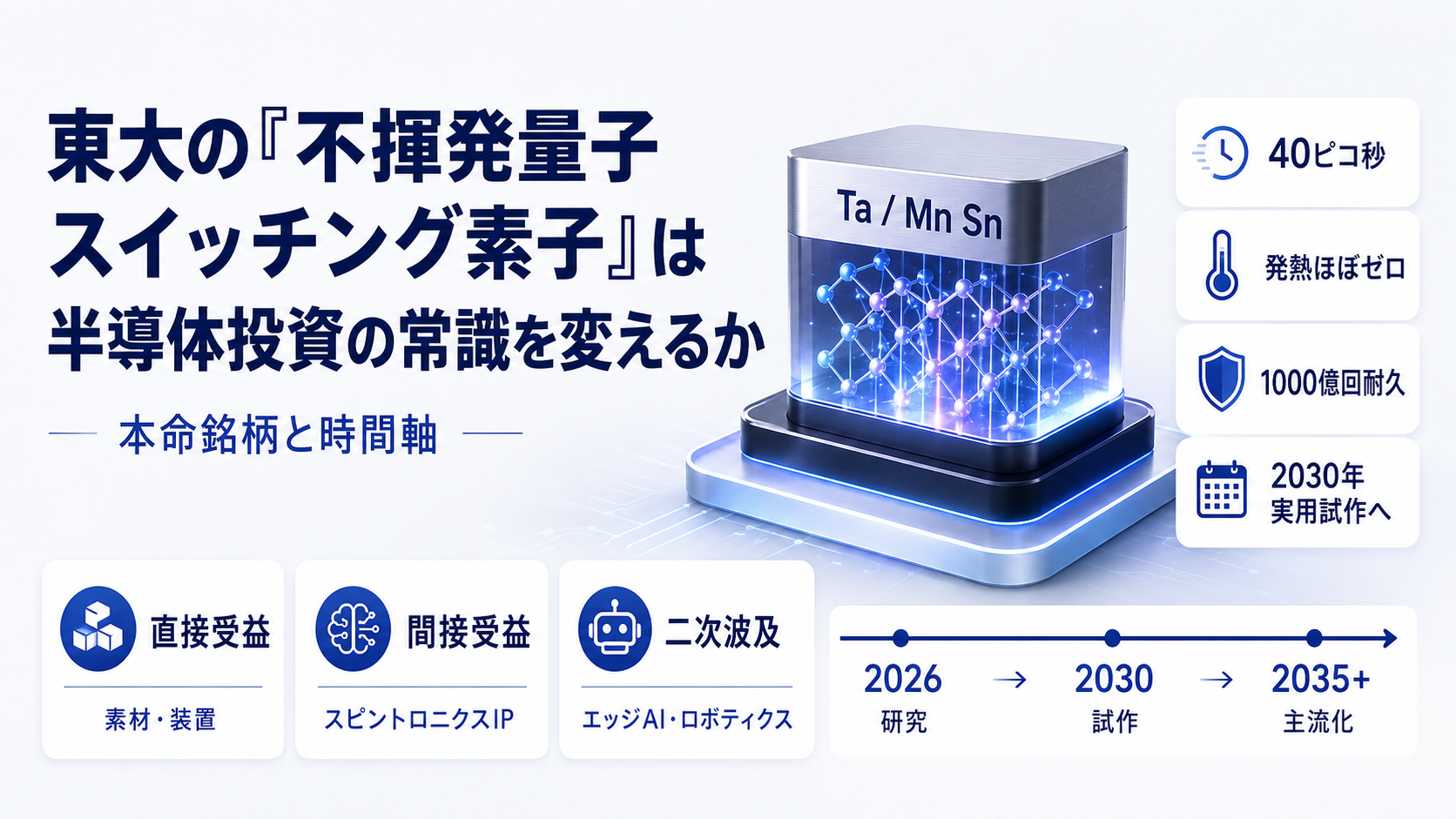
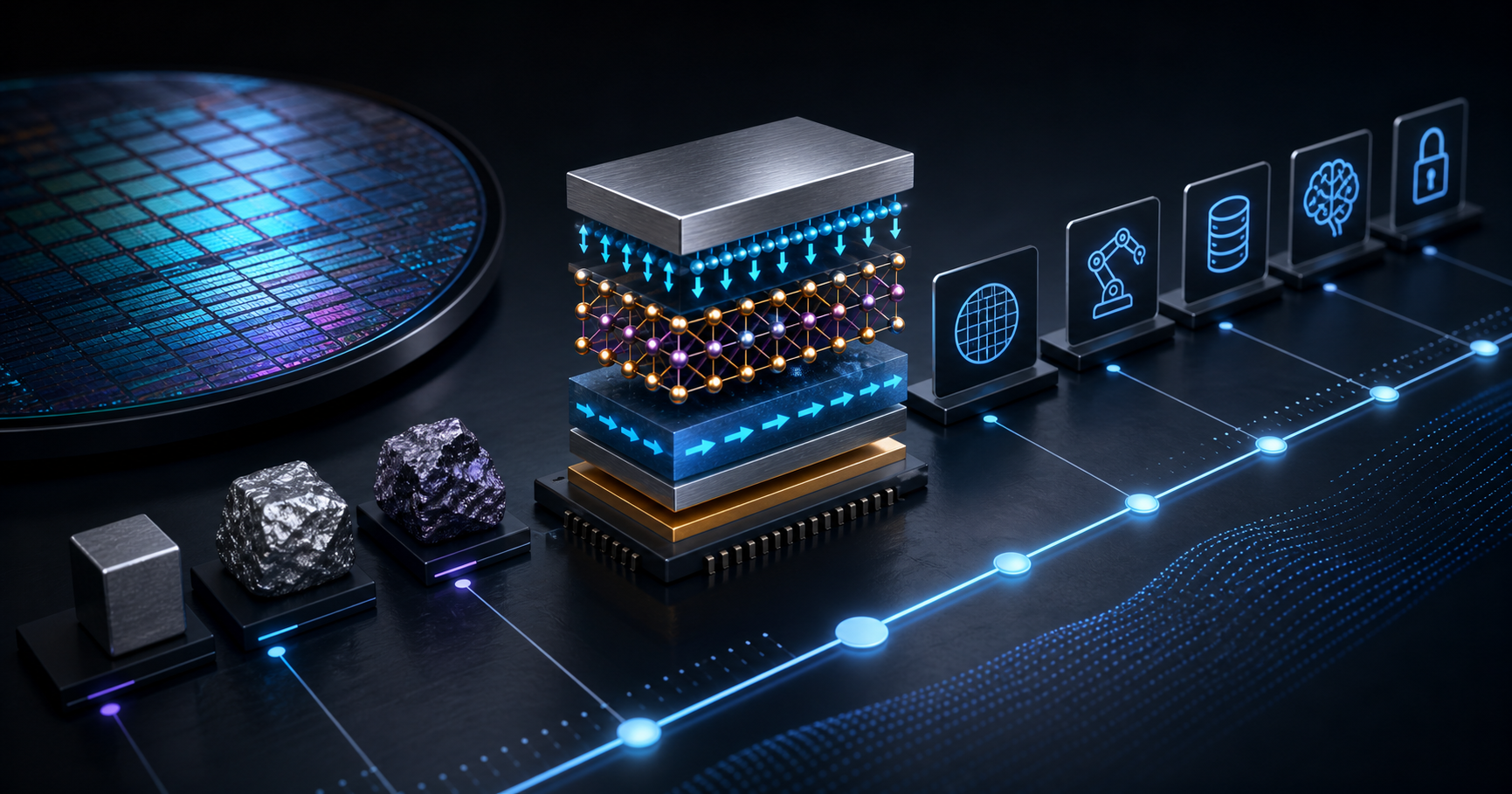
UTokyo's 40-picosecond non-volatile quantum switching device is exciting, but equipment, materials, inspection, and IP move first — before mass production. A realistic 2026–2035 roadmap for actually deploying capital into spintronics.
UTokyo's 40-picosecond non-volatile quantum switching device is exciting, but equipment, materials, inspection, and IP move first — before mass production. A realistic 2026–2035 roadmap for actually deploying capital into spintronics.


Spintronics Investment Roadmap 2030: Equipment, Materials, and IP Before the UTokyo Device
In the previous article, I argued that the University of Tokyo's nonvolatile quantum switching element could change the semiconductor canon in the late 2030s, but that it is too early to make a direct device bet. This is the practical sequel. The device-side explainer — the physics, key names, and timeline — is covered in the companion post. Does that mean investors simply wait for mass production? I do not think so.
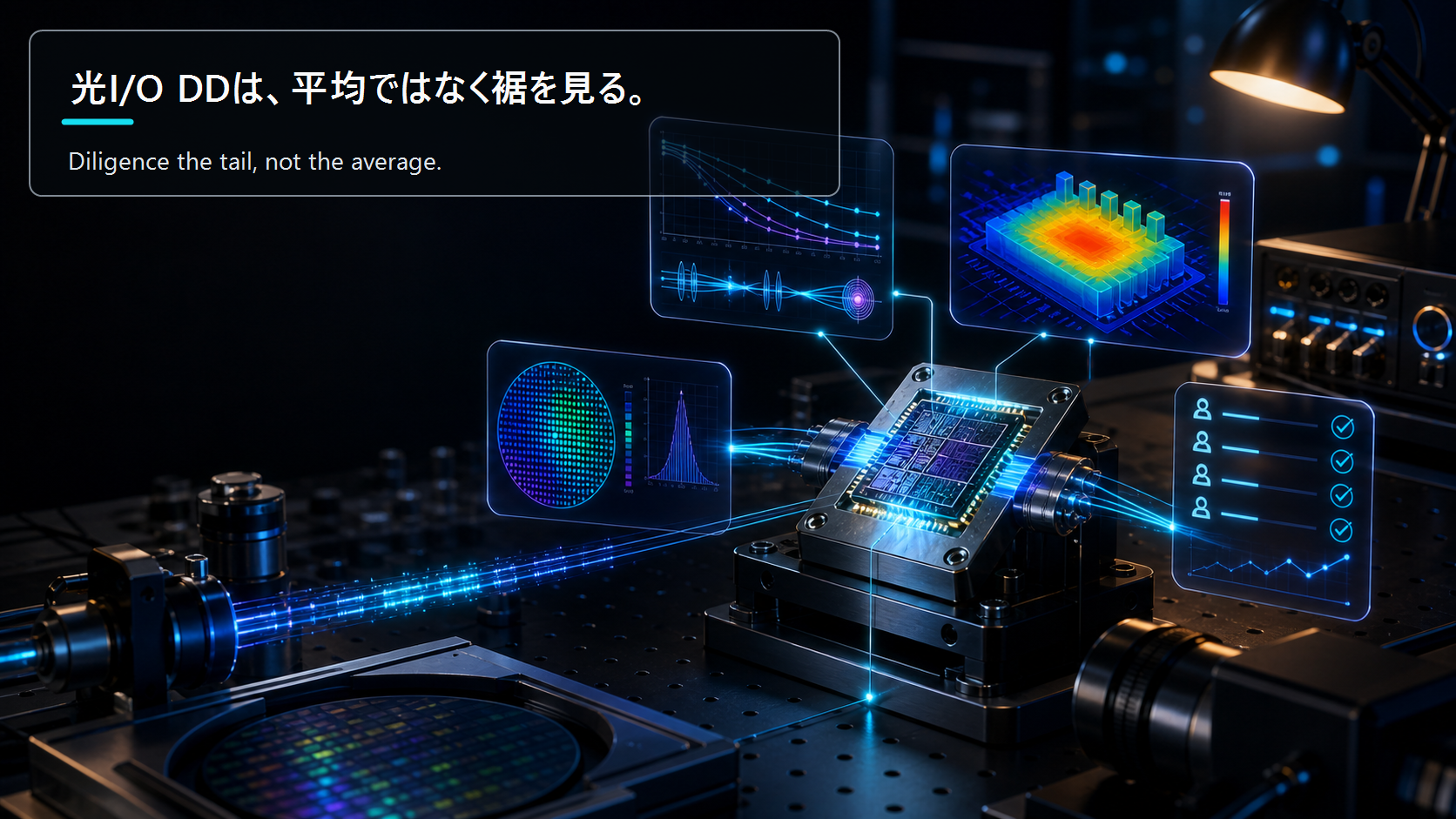
In new-device semiconductor themes, equipment, materials, inspection, IP, and talent usually reprice before the device itself generates revenue. What I learned in automotive EEPROM process engineering is that a "device that works" and a "process that repeats at yield" are two different assets. The 40-picosecond switching result should be read through the same lens.
Look First at Where Experiments Increase
When a new device headline lands, the temptation is to hunt for the single winner. But in 2026, the highest-confidence signal is not mass-production revenue. It is more R&D activity.
| Layer | What grows in 2026-2030 | What investors should watch |
|---|---|---|
| Materials | Mn3Sn, Ta, heavy-metal films, high-purity targets | Requirements moving from research grade to production grade |
| Deposition tools | PVD, ALD, sputtering, annealing | Tighter film uniformity and interface control |
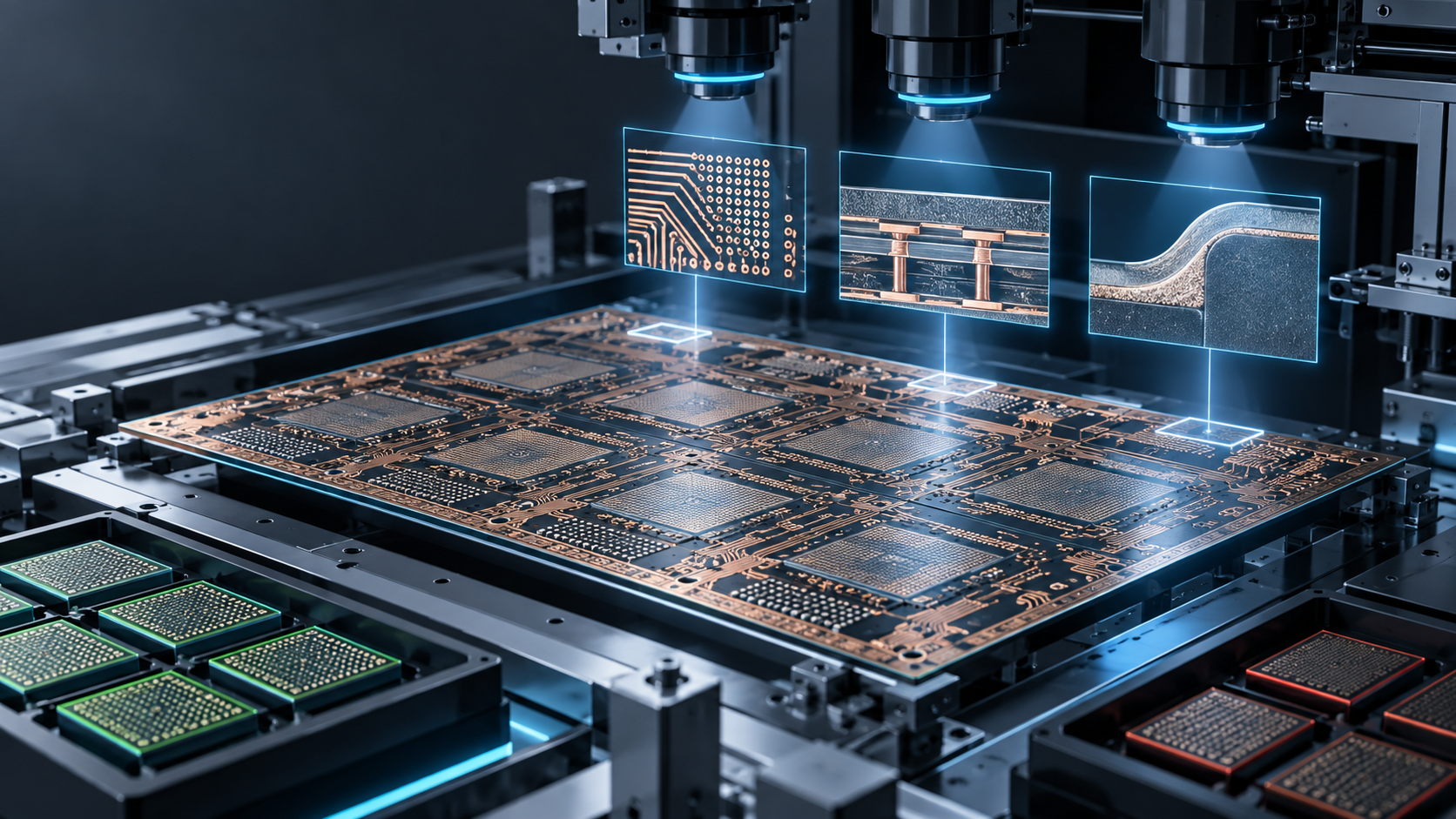
| Inspection | Magnetic properties, nanoscale film thickness, defects | Earlier demand for KLA / Lasertec-type inspection |
| EDA / IP | MRAM macros, low-power design, thermal design | Early integration studies into existing SoCs |
| Talent | Magnetic materials, spin transport, CMOS integration | Hiring and acqui-hiring by large semiconductor firms |
The key is the order of revenue. Device revenue is distant. Equipment, materials, and inspection can generate sales as soon as prototype lines expand. To me, 2026-2030 is not the period for picking the final device winner; it is the period for owning the periphery around more experiments.

Do Not Put STT-MRAM, SOT-MRAM, and Quantum Switching in One Bucket
The dangerous shortcut is to label everything "next-generation MRAM." The technical position differs, so the investment timeline differs.
| Technology | Current position | Investment window | Winning path to watch |
|---|---|---|---|
| STT-MRAM | Partial production already | 2026-2028 | Embedded memory in automotive and industrial systems |
| SOT-MRAM | Pre-production / research | 2027-2032 | High-speed, high-endurance memory and foundry integration |
| Antiferromagnetic spintronics | Research and prototyping | 2028-2035 | Ultrafast, low-heat switching with electrical/optical pulses |
| UTokyo-style quantum switching | Basic demonstration | 2030-2038 | Special uses in AI edge, space, and thermally constrained systems |
STT-MRAM is an existing market. SOT-MRAM is a "will foundries scale it?" market. Antiferromagnetic spintronics is a research funding and IP market. The UTokyo result sits closest to that final layer. That means short-term exposure should not ignore the existing STT/SOT players, while medium-term exposure should layer in antiferromagnetic materials, tools, and inspection.
From a process-engineering seat, material changes almost always fail first at the interface. A film can be deposited. A single device can switch. Then volume production brings wafer-level variation, annealing conditions, contamination control, and tool-to-tool differences. The company that crosses that wall owns the theme.
For Listed Stocks, Split the Basket into Four
This theme is better handled as layered exposure than as one heroic stock pick.
| Basket | Examples | Driver | Main risk |
|---|---|---|---|
| Materials | JX Metals, Sumitomo Chemical, Shin-Etsu Chemical | High-purity metals, special targets, material evaluation | Demand stays research-scale |
| Equipment | Tokyo Electron, ULVAC, Applied Materials | More demanding deposition, annealing, and etching | Existing tools absorb the need with little differentiation |
| Inspection | KLA, Lasertec, HORIBA | Defect, film-thickness, and magnetic-property measurement | Customer R&D budgets shrink |
| IP / integration | TDK, Western Digital, Cadence, Synopsys | Spin IP, EDA, SoC integration | Monetization takes too long |
If I were building the basket, I would overweight inspection and equipment in the early phase. The reason is simple: more R&D can become orders sooner. Materials become powerful once production adoption is visible, but prototype demand alone may not be enough. IP is the most interesting and the hardest to time, because licensing, standards, and M&A are lumpy.
This is similar to what I saw in semi-solid batteries. If you try to identify the final cell winner too early, IRR gets punished by mass-production delays. Around it, evaluation tools, materials, process know-how, and customer pilots move earlier. I read spintronics the same way.
For Startups, Use Three Filters
From a CVC perspective, spintronics startups are still sparse. That makes it even more important not to fund "interesting physics" alone. I would require at least three things.
- A credible CMOS-compatibility story
Which material becomes a contamination risk on a 300 mm line, and which tool flow avoids it? - Array data, not just single-device data
One bit switching is not enough. Multiple cells need to switch with acceptable variation. - A first market outside generic memory replacement
Edge AI, sensors, space, and low-heat logic assist may be better initial targets.
The third point matters most. "This replaces DRAM or NAND" is rarely a convincing investment-committee story at the beginning. A smaller but painful market is more credible: nonvolatile low-power memory for spacecraft, edge inference in industrial sensors, or thermally constrained compute inside robots.
The 2026-2035 Investment Roadmap
Here is how I would stage the theme.
| Period | Technical event | Investment action |
|---|---|---|
| 2026-2027 | Replication and more patent filings | Light exposure to equipment and inspection; avoid pure device concentration |
| 2028-2030 | More joint research with large semis and foundries | Add materials and IP; begin researching startups |
| 2030-2032 | Prototype chips and limited-use demos | Focus on acquisition targets and license holders |
| 2033-2035 | Limited production in specialty use cases | Capture second-order exposure in edge AI, space, and robotics |
| 2035 onward | Potential mainstream memory / logic integration | Concentrate in production winners, while expecting many losers |
The conclusion is deliberately unglamorous. In 2026, spintronics investing is not about buying the dream directly. It is about capturing the R&D expansion through the layers that make, measure, and integrate the device. The UTokyo result pushes the story forward. But the first revenue will likely sit around the device, not inside it.
The next signals I would watch are not only university announcements. I would watch foundry partnerships, toolmaker R&D customers, and acquisitions of spin-related IP. Once capital starts flowing there, the theme moves from research news to investable market.
One practical way to hold this discipline is to size positions by evidence, not by excitement. Early on, when the only proof points are papers and single-device demos, the equipment and inspection baskets deserve most of the weight, because their revenue depends on the number of experiments rather than the success of any one device. As array-level yield data, foundry pilot lines, and the first licensing deals appear, capital can rotate toward materials, IP holders, and eventually the production winners. The mistake I most want to avoid is the opposite path — concentrating in a single pre-production startup on the strength of a beautiful physics result, then watching the internal rate of return decay while the process wall gets crossed years later than promised. Spintronics rewards patience precisely because the science is real; the returns simply arrive first in the companies that make, measure, and integrate the device, not in the device itself.
Next Issue Ideas
- Comparing MRAM production players: Everspin, Samsung, TSMC, and Intel — where STT/SOT-MRAM is actually commercializing.
- Why low-heat semiconductors matter more for physical AI than data centers — the edge, robotics, XR, and space angle.
- How to read university-originated semiconductor technology from public information — papers, patents, process flow, and first customer markets.
Related Posts
- Will the University of Tokyo's Nonvolatile Quantum Switching Element Rewrite Semiconductor Investing? Key Names and the Timeline — Part one: the device physics, key names, and timeline from the device side
- Physical AI: The Next Investment Frontier — The physical-AI thesis that gives low-heat devices their largest end market
- Reading the 8 AI Materials-Discovery Companies From the Outside: An MI Investment Map and Its Public Proxies — The same outside-in method applied to the new-materials theme
References
The factual and numerical assumptions in this article are anchored to primary or public materials that readers can revisit during AdSense review and future updates.
This article is for informational purposes only and does not constitute investment advice or a recommendation of any specific stock, service, or contract structure. The author may hold positions or interests related to companies or services mentioned. Generative AI was used for parts of research, translation, and proofreading, with final review by ZYL0. See the disclaimer for details.