The Real CPO Ramp: Winners in AI Data Center Optics Through Yield and Thermal Design
Optical conversion of AI datacenters is inevitable, but CPO mass production isn't just a bandwidth race. From yield, thermal drift, packaging, and the LPO/CPC division of labor — a 2026–2028 investment roadmap.
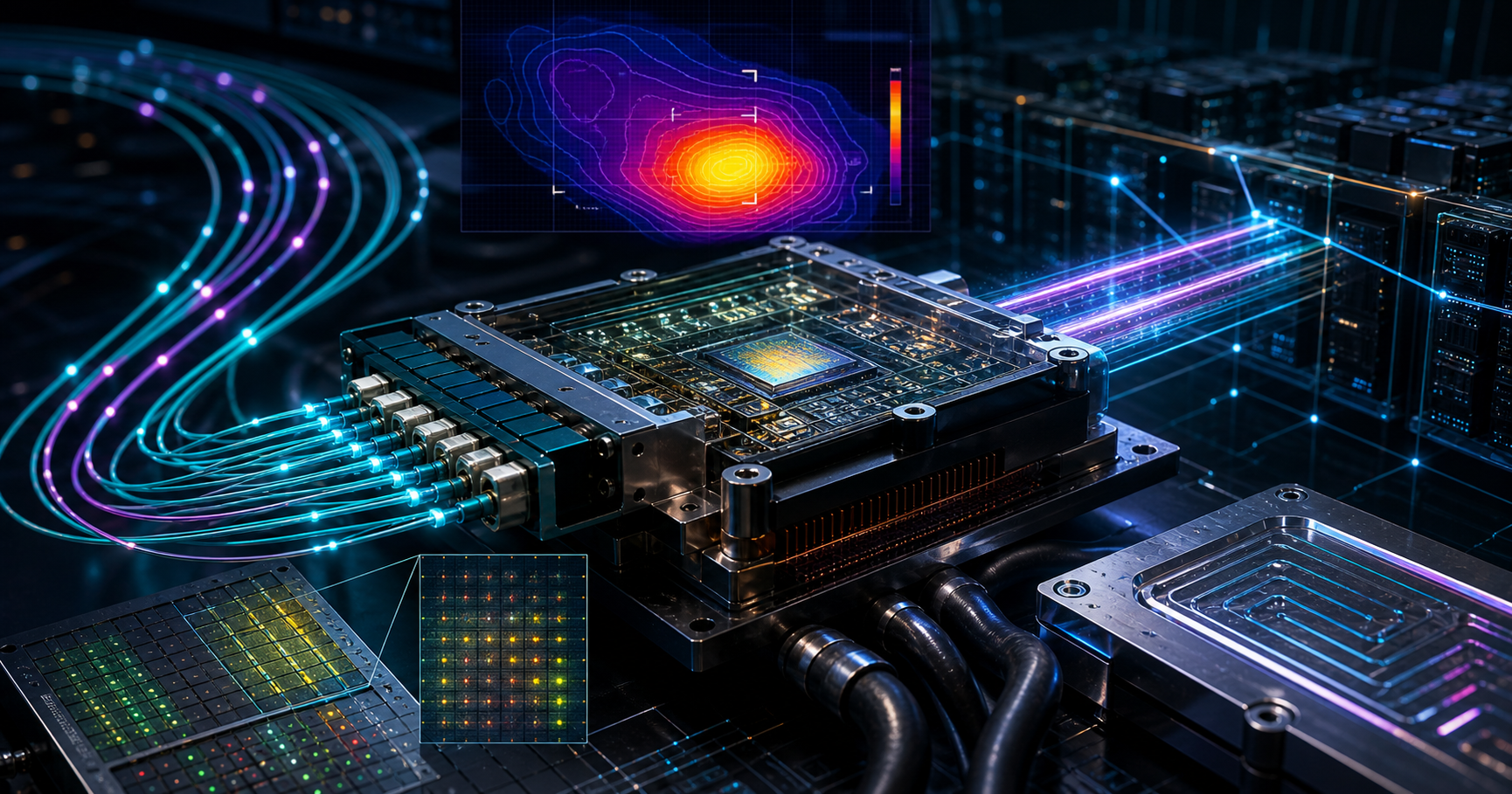
Optical conversion of AI datacenters is inevitable, but CPO mass production isn't just a bandwidth race. From yield, thermal drift, packaging, and the LPO/CPC division of labor — a 2026–2028 investment roadmap.


The Real CPO Ramp: Winners in AI Data Center Optics Through Yield and Thermal Design
In the previous article, I argued that the investable AI infrastructure map is not only GPUs, but also power, cooling, optics, and sites. This piece zooms into the most misunderstood part of that ring: co-packaged optics, or CPO. CPO is not simply "copper reaches a limit, so we move to light." The real investment question is yield and thermal design.
Because I came from semiconductor process engineering, I hear CPO and immediately ask: how many units can you build, at what yield, and across what temperature range? AI clusters commercialize only when they are reliable, serviceable, and coolable.
CPO Is Not "Whether It Comes," but "In What Order"
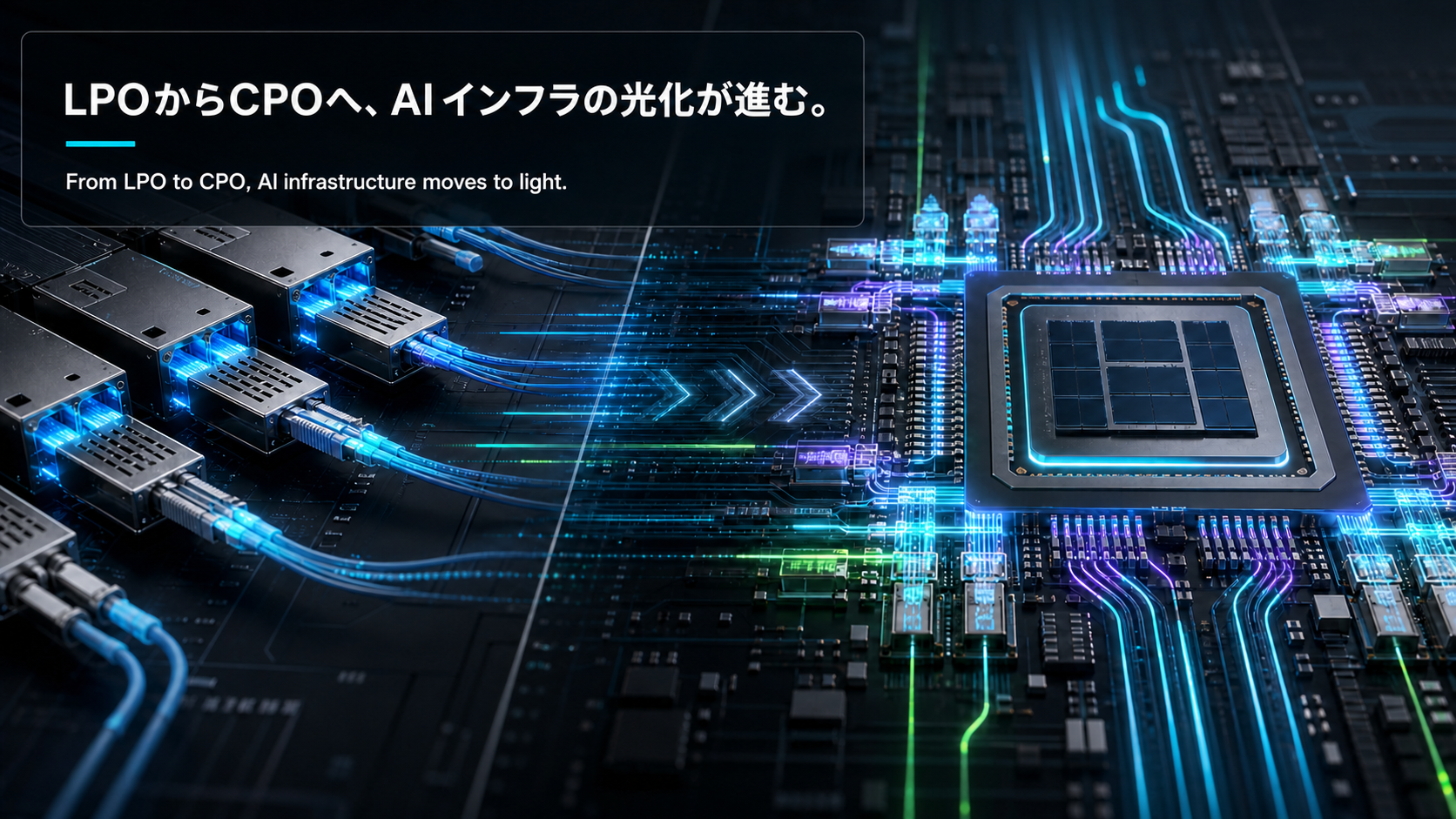
AI data center networks are moving from 800G to 1.6T, with 3.2T and 6.4T already in the conversation. GPU-to-GPU communication is hitting copper's distance, power, and heat constraints. Optical migration is hard to avoid. But CPO will not replace everything at once.
| Technology | 2026 position | Strength | Weakness |
|---|---|---|---|
| Pluggable optics | Mainstream | Serviceable and proven | Power and density limits |
| LPO | Ramping | Lower power, close to current operations | Signal quality and distance constraints |
| CPC | Bridge technology | Extends copper for a while | Limited long-term bandwidth headroom |
| CPO | Pre-volume / early ramp | Best density, power, and bandwidth path | Yield, thermals, and serviceability |
My read is that LPO/CPC grows first in 2026-2027, while CPO starts in high-end switches and AI clusters. The short-term trade is not "will CPO arrive?" It is "who owns the bridge before CPO scales?"

Yield: Slightly Bad Is Catastrophic in Optical Engines
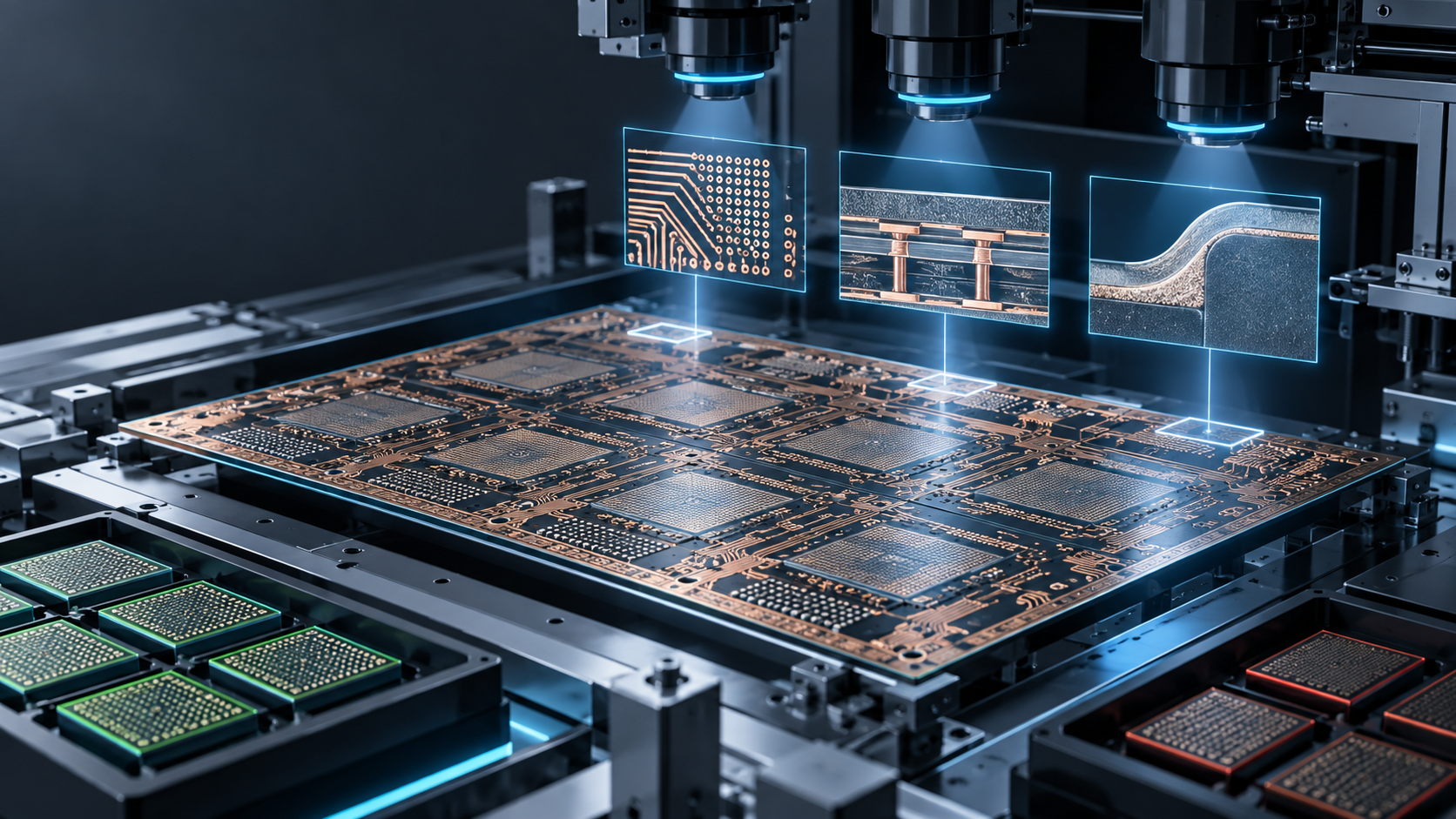
CPO gets difficult because the closer optical components move to the semiconductor package, the more one weak component can compromise the system. In pluggables, you swap a bad module. In CPO, optical engines, lasers, fiber attach, and thermal design become part of one package.
| Failure point | What happens | Companies to watch |
|---|---|---|
| Optical coupling shift | Insertion loss rises and power increases | Precision assembly, inspection, alignment |
| Laser degradation | Long-term reliability falls | Light sources, external lasers, monitoring |
| Thermal drift | Wavelength drift and link errors | Thermal design, cooling, control software |
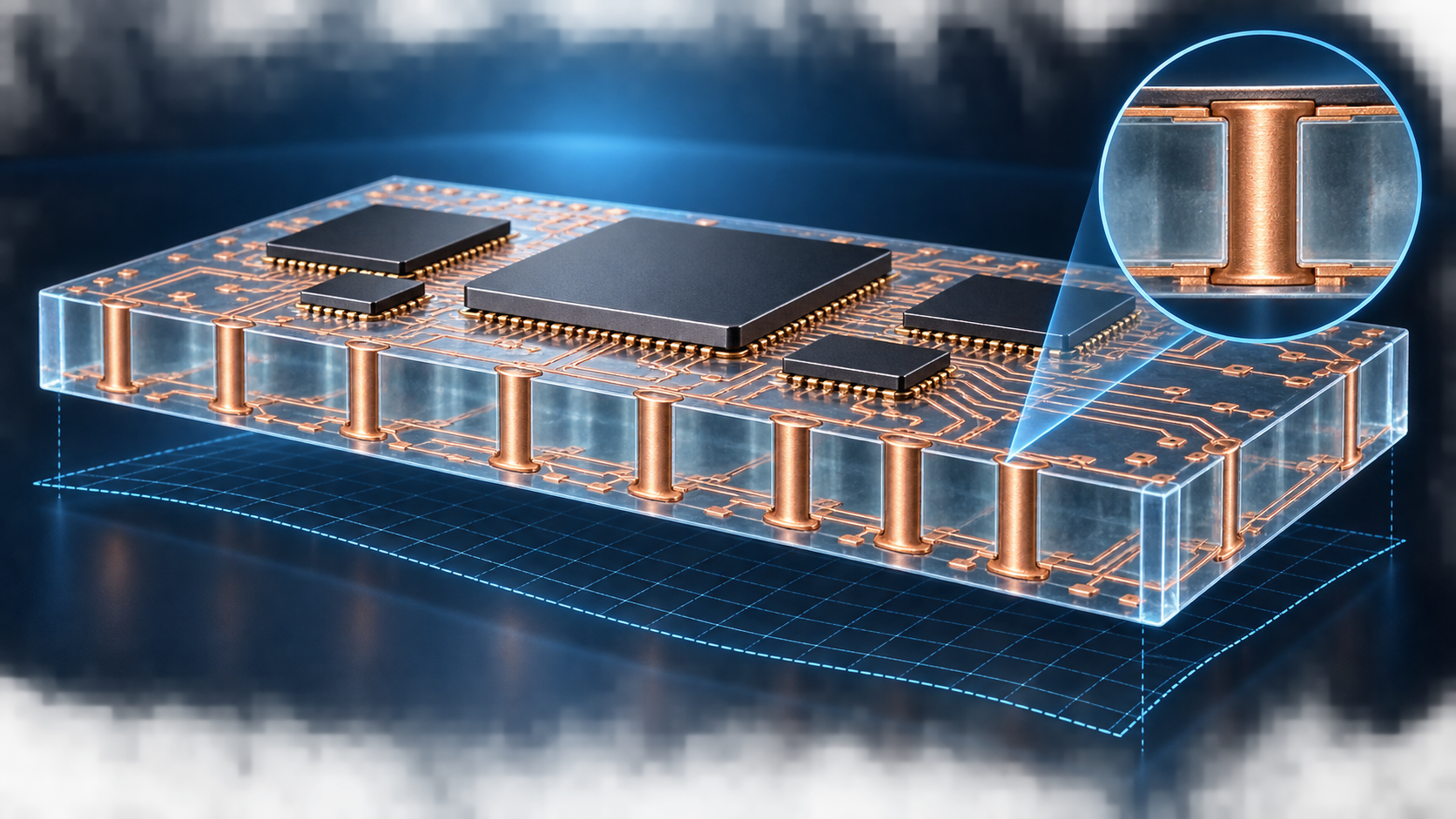
| Package warpage | Connection issues and yield loss | Substrates, advanced packaging, materials |
| Inadequate test | More field failures | Optical inspection, burn-in, ATE |
The winners are not just companies with optical components. They are companies that can run the yield-improvement loop across manufacturing and inspection. CPO looks like an optical communications theme, but as an investment theme it is also advanced packaging, thermal design, and test.
In EEPROM production, yield problems were often blamed on equipment. In practice, subtle process variation or interactions with another step were frequently the real cause. CPO is similar: the individual spec sheet matters, but closed-loop yield engineering matters more.
Thermal Design: The Enemy Is Temperature Drift
CPO reduces electrical reach and can cut power, but it places optical engines very close to hot ASICs. That is the hard part. Optical components are temperature-sensitive; wavelength, loss, and reliability all move with heat.
| Thermal issue | Impact | Likely beneficiaries |
|---|---|---|
| Heat density near the ASIC | Optical engine stability suffers | TIMs, cooling materials, package materials |
| Rack temperature variation | Link quality varies | Sensors, monitoring software, liquid cooling |
| Laser thermal control | Long-term reliability risk | External lasers, control ICs |
| Thermal cycling during service | Connection reliability falls | Connectors, substrates, inspection |
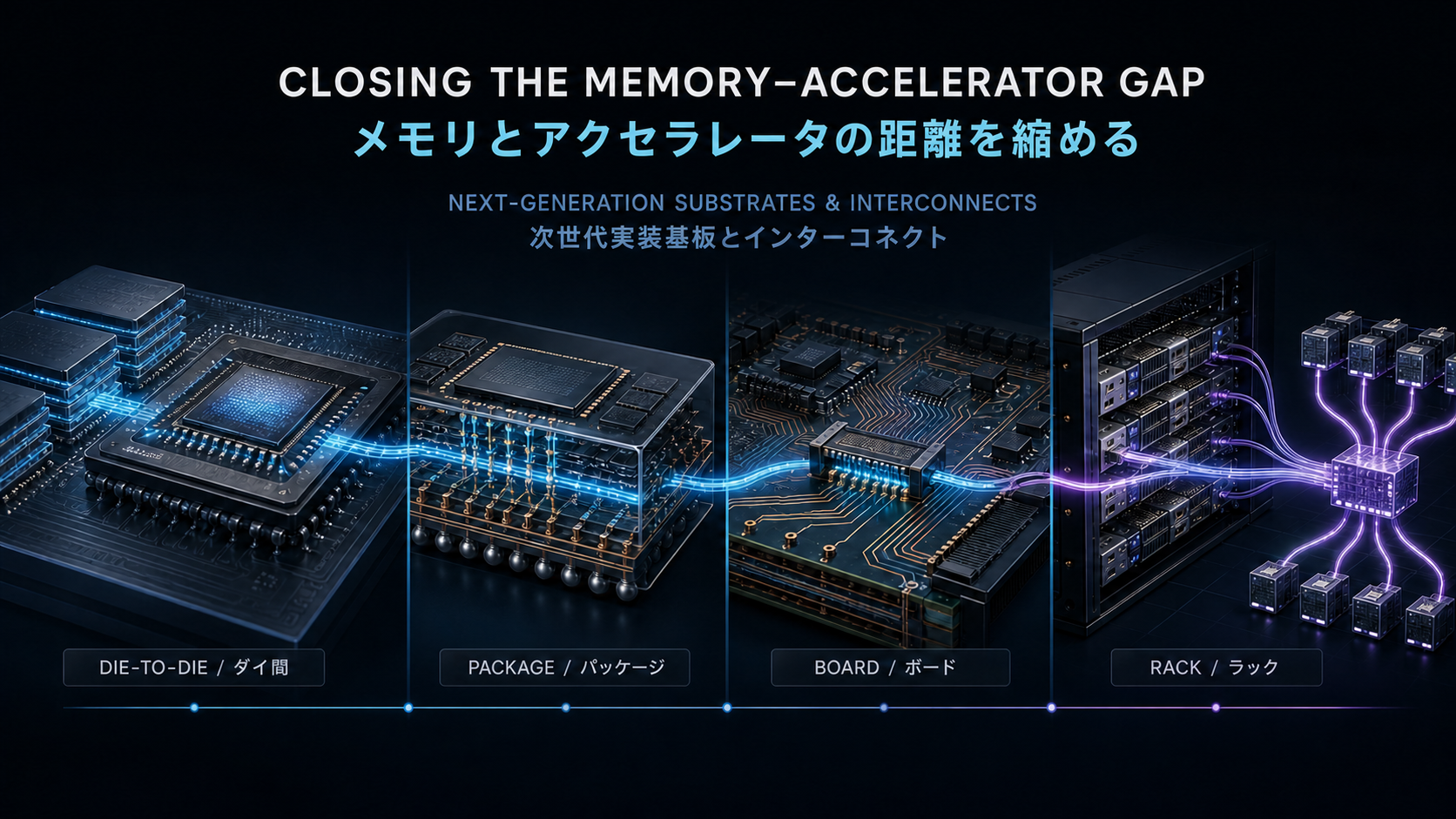
The interesting piece is that CPO links directly to liquid cooling. In 100kW-plus AI racks, it becomes difficult to leave network equipment outside the cooling conversation. CPO thermals require switch ASICs, optical engines, cold plates, and rack design to be considered together.
So the winners are not only "fast optics" companies. They are companies that understand heat, packaging, and inspection.
Split the Player Map into Four Layers
For investors, CPO is easier to read in four layers.
| Layer | Public / major candidates | What to watch |
|---|---|---|
| Optical components | Coherent, Lumentum, Innolight, AOI | 1.6T readiness, lasers, module supply |
| Switch / ASIC | Broadcom, Marvell, NVIDIA, Cisco | Integration of switch ASICs and optics |
| Packaging / manufacturing | TSMC, ASE, Amkor, Ibiden | CPO assembly, substrates, yield improvement |
| Test / thermal / periphery | KLA, Teradyne, Vertiv, Parker | Optical inspection, ATE, liquid cooling, connectors |
I would overweight optical components and inspection near term, packaging after that, and integrated CPO switch ASICs once the ramp becomes clearer. In early volume production, value often accrues to the companies that can remove defects, not only to those with the best demo.
For startups, the most interesting areas may not be standalone optical engines. I would look at:
- Inline optical inspection for CPO.
- Thermal-drift prediction for optical engines.
- External laser supply and redundancy.
- Automated fiber alignment.
- Co-design between liquid cooling and optical packaging.
These are less glamorous than GPU stocks. But as CPO moves toward volume, the boring bottlenecks become valuable.
Scenario Analysis for 2026-2028
Here is my scenario frame.
| Scenario | Subjective probability | Story | Beneficiaries |
|---|---|---|---|
| Base | 55% | LPO/CPC lead; CPO enters limited volume from late 2027 | Optical components, inspection, thermal periphery |
| Bull | 20% | Hyperscalers pull CPO adoption forward | Switch ASICs, advanced packaging, liquid cooling |
| Bear | 20% | Yield and serviceability delay CPO; pluggables live longer | LPO, existing modules, serviceable designs |
| Tail | 5% | Thermal issues force partial redesign | Inspection, simulation, cooling |
My conclusion: in 2026, I would not go all-in on CPO itself. I would own the LPO/CPC bridge and the yield/thermal bottlenecks that CPO must clear. Optical migration in AI data centers is hard to stop. But the winning optical technology is not only the fastest. It is the one that can be manufactured.
The next headlines to watch are not only "1.6T ready." Watch production yield, thermal drift, serviceability, cooling design, and inspection tools. When those five signals line up, CPO becomes a full investment theme.
There is a second-order point worth stating plainly for anyone building a position now. Because the hardest problems in CPO are yield engineering and thermal control rather than raw bandwidth, the earliest durable profits tend to accrue to the companies that close the loop between packaging, inspection, and cooling — not to whoever demonstrates the fastest link in a lab. That is why I keep coming back to the bridge technologies. LPO and co-packaged copper are not merely a stopgap; they are where volume, operational experience, and margin actually sit in 2026 and 2027, and they fund the very supply chains that later make CPO manufacturable. An investor who overweights the bridge early, then rotates into CPO integration as yield and serviceability data mature, captures most of the upside while sidestepping the phase where beautiful demos quietly fail to reach volume. The optical transition is close to inevitable. The order in which its winners get paid is not, and that order is the part worth underwriting.
Next Issue Ideas
- LPO vs CPO: the 2026-2028 optical interconnect migration map — separating near-term bridge technologies from the medium-term CPO bet.
- The liquid-cooling bill of materials for AI data centers — CDUs, connectors, coolants, and sensors.
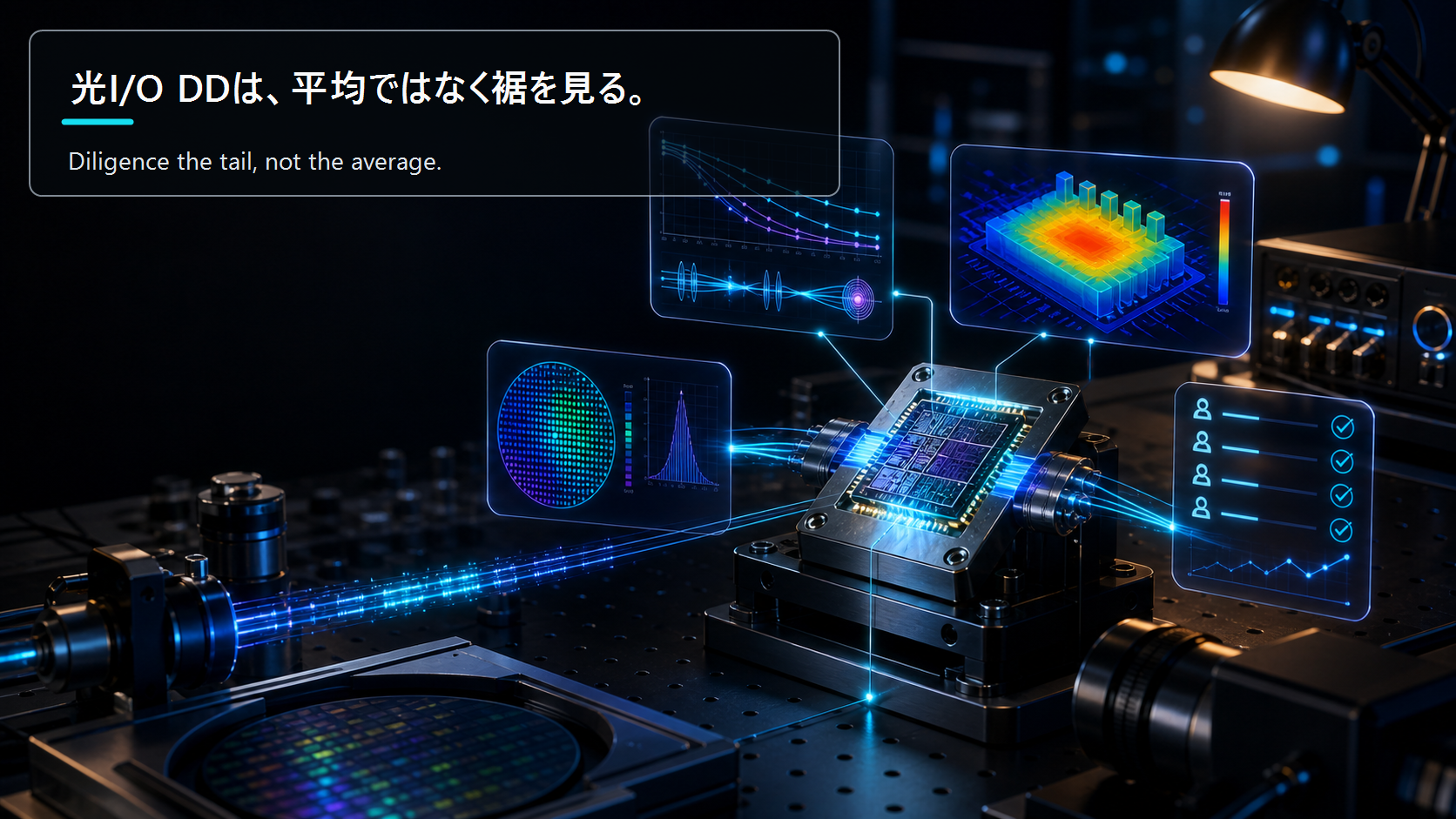
- How to read optical I/O startups from the outside — insertion loss, thermals, manufacturing, and customer validation.
Related Posts
- The Investment Map of AI Infrastructure's "Silicon Periphery": Power, Cooling, Optics, and Site Plays Hiding in Plain Sight — Watching only NVIDIA and AMD misses the point.
- LPO vs CPO: The 2026–2028 Optical Interconnect Migration Map for AI Infrastructure — AI data center optics will arrive as a two-stage rocket — LPO first, CPO next.
- How to Read Optical I/O Startups From the Outside: Insertion Loss, Thermals, Manufacturability, and Customer Validation — An outside-in checklist for reading optical I/O startups from public information: insertion loss, thermals, manufacturing yield, and customer validation.
References
The factual and numerical assumptions in this article are anchored to primary or public materials that readers can revisit during AdSense review and future updates.
- OIF implementation agreements and CPO resources
- IEEE 802.3 Ethernet working group
- Broadcom investor relations
This article is for informational purposes only and does not constitute investment advice or a recommendation of any specific stock, service, or contract structure. The author may hold positions or interests related to companies or services mentioned. Generative AI was used for parts of research, translation, and proofreading, with final review by ZYL0. See the disclaimer for details.