Claude Code 2026 Feature Roundup: Putting 1M Context, Skills, Hooks, Subagents, MCP, and Plan Mode to Real Work
Six Claude Code features ordered by adoption priority — 1M context, Skills, Hooks, Subagents, MCP, and Plan Mode — with risks to watch before adding each.
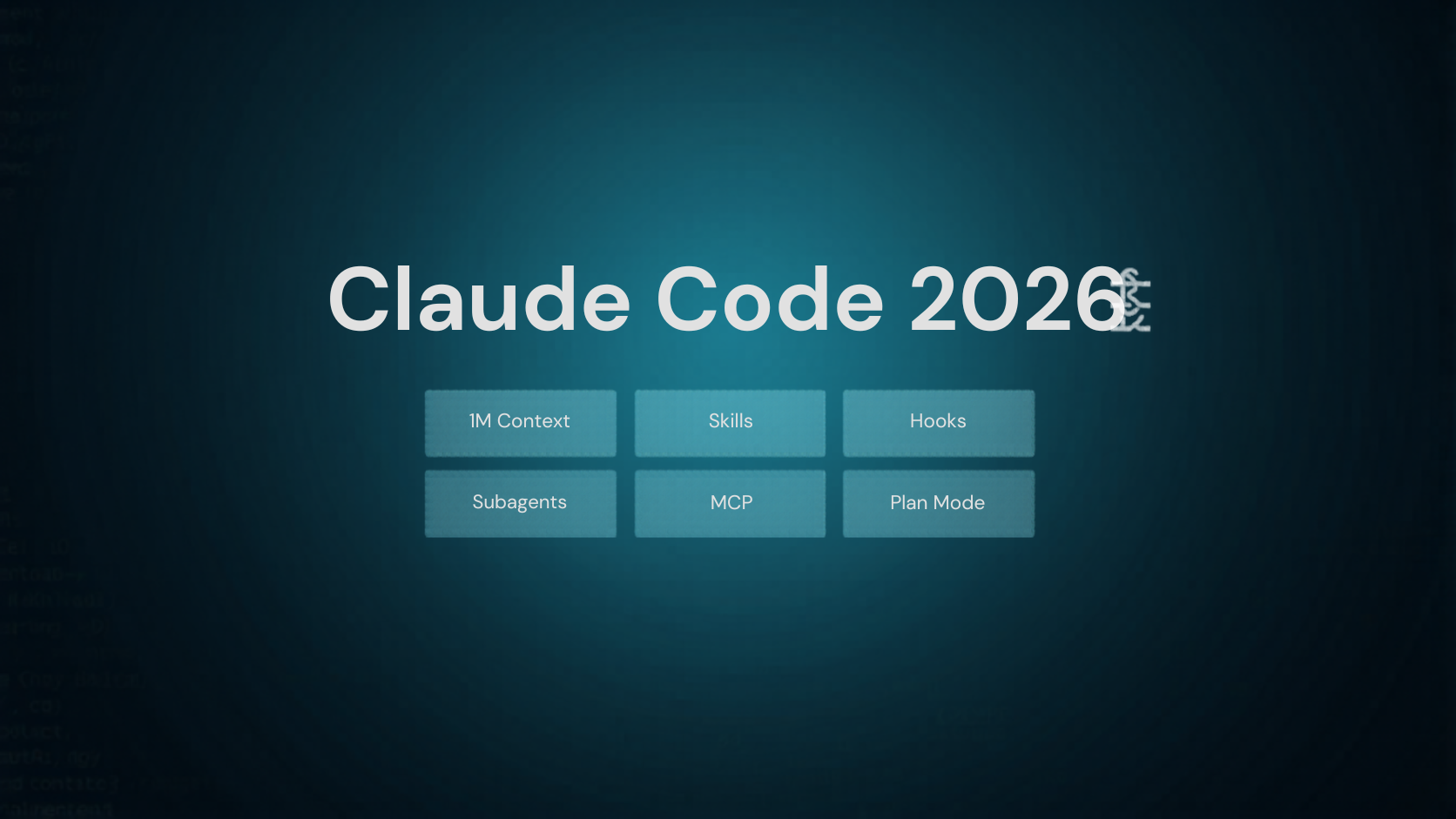
Six Claude Code features ordered by adoption priority — 1M context, Skills, Hooks, Subagents, MCP, and Plan Mode — with risks to watch before adding each.


Claude Code 2026 Feature Roundup: Putting 1M Context, Skills, Hooks, Subagents, MCP, and Plan Mode to Real Work
Version note: This article reflects Claude Code documentation and the ZYL0 Blog local workflow as of May 2026. Model names, CLI options, and configuration behavior may change, so check official documentation before implementation.
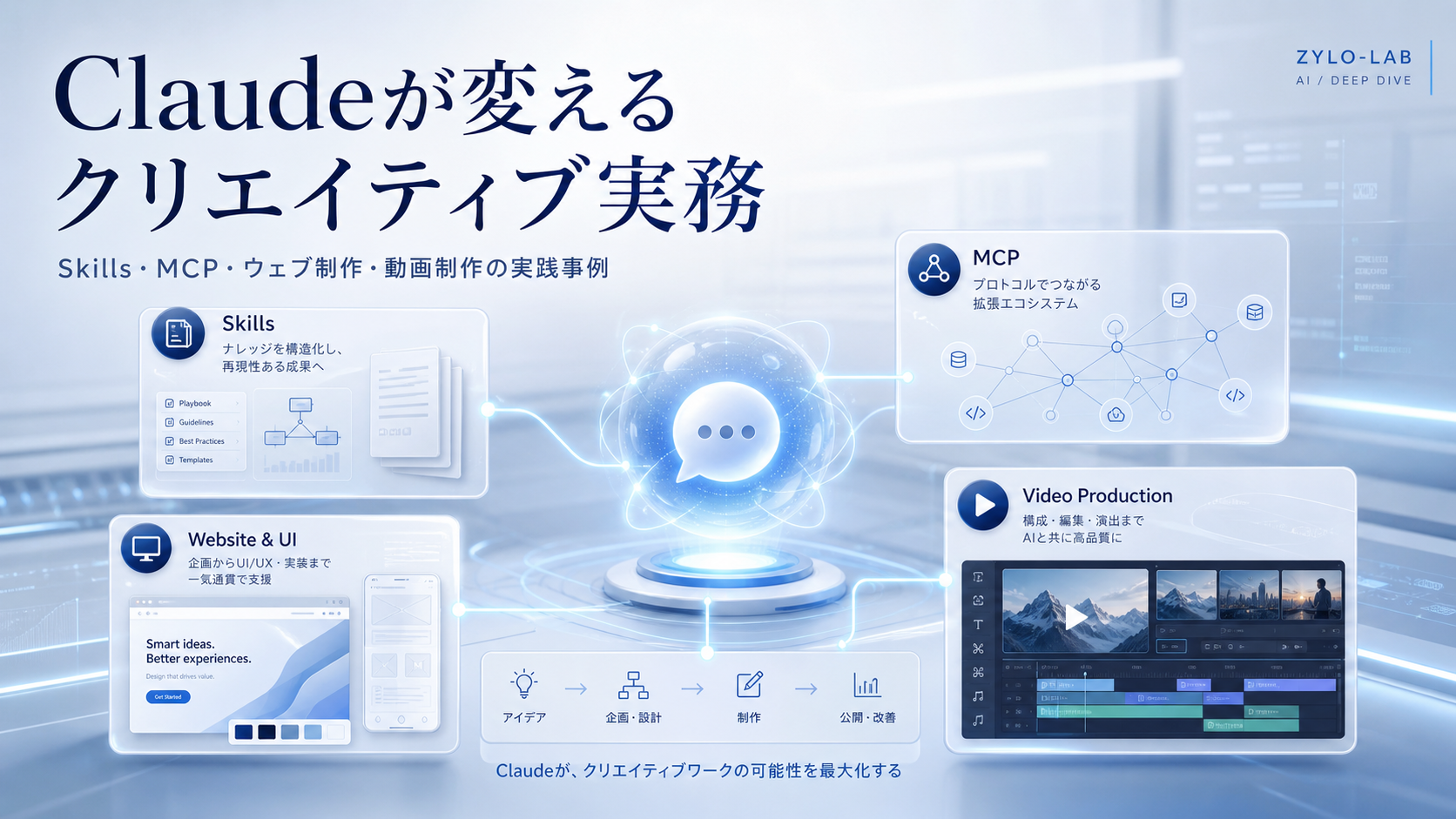
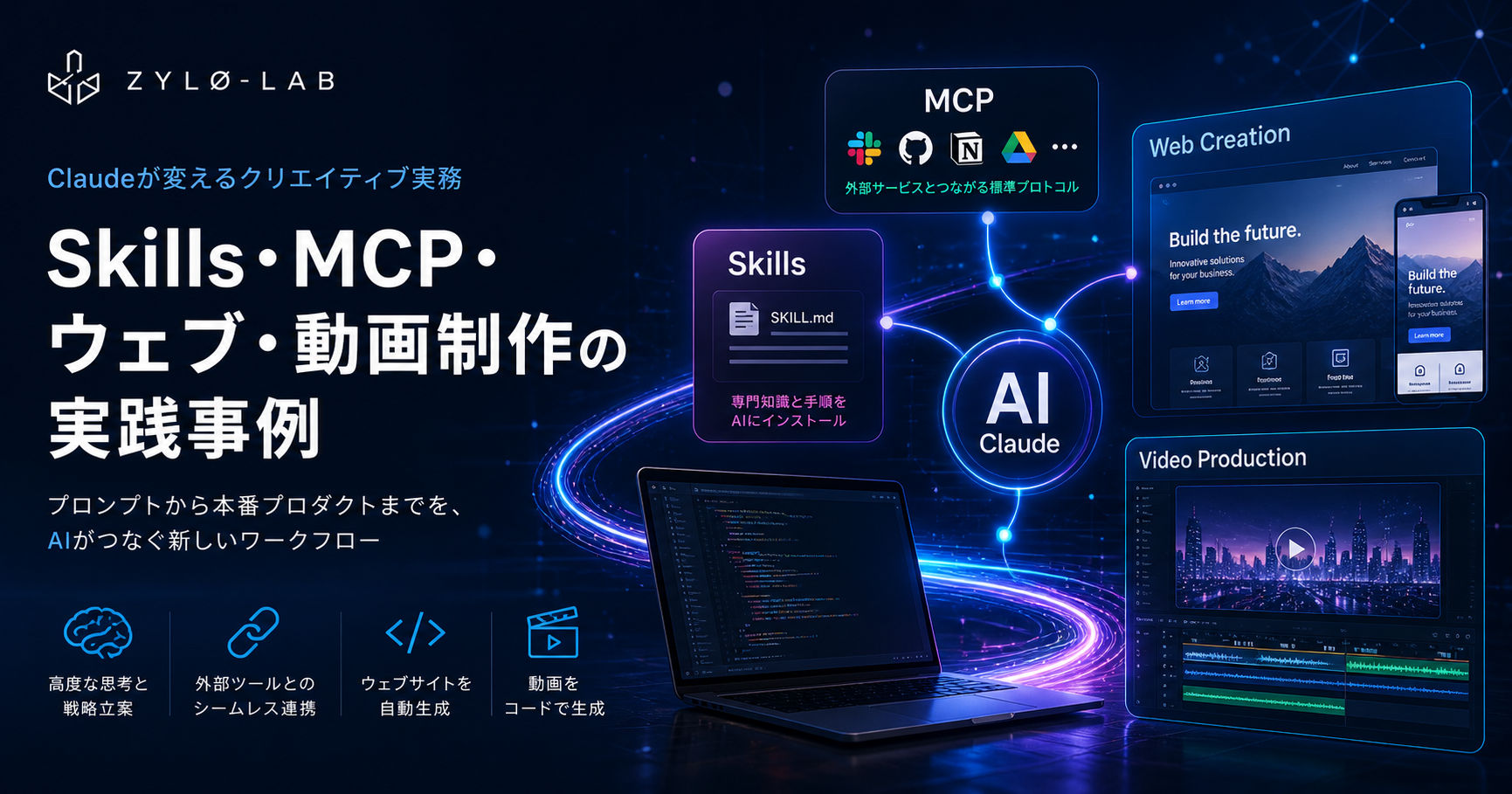
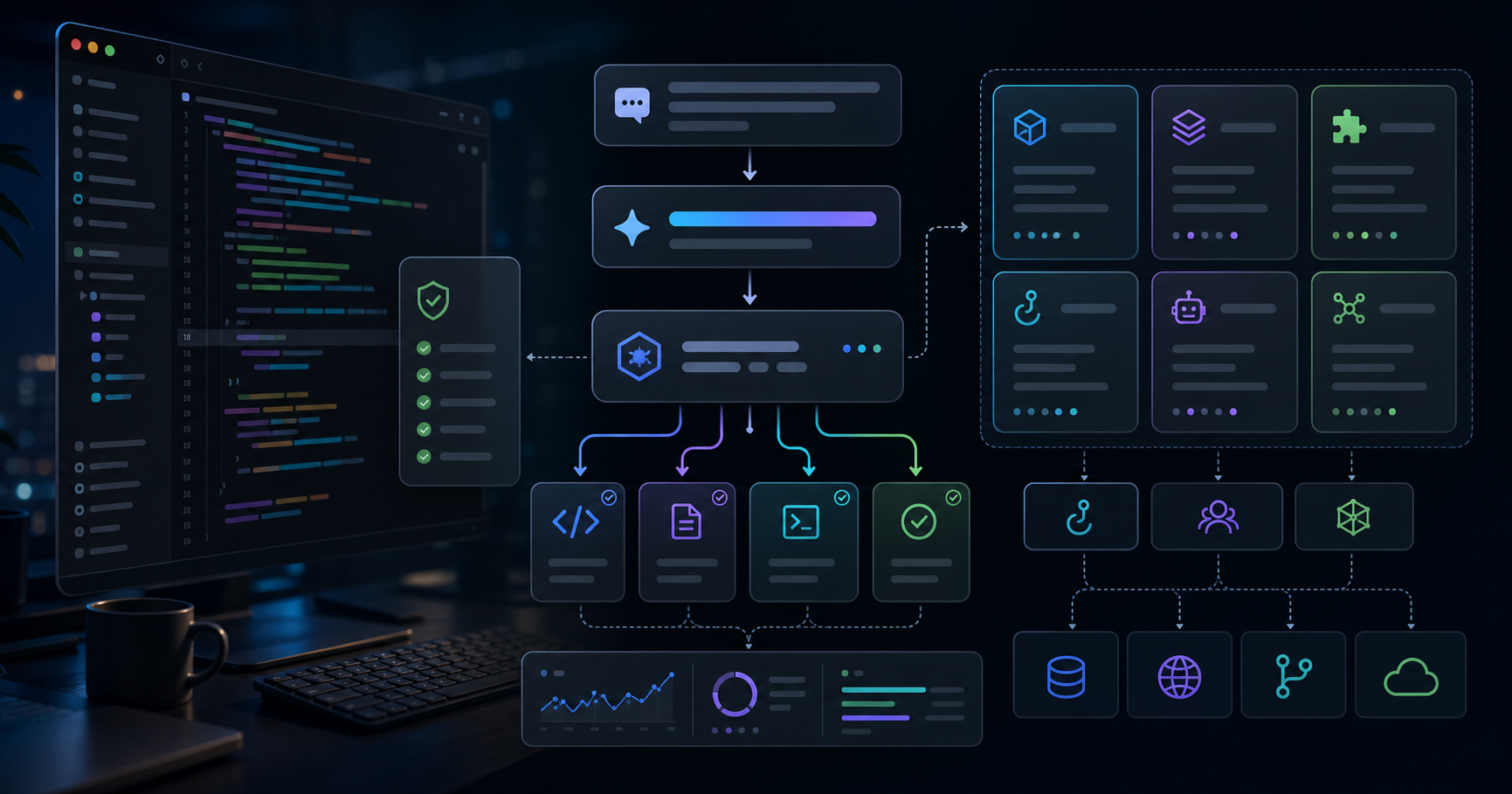
Claude Code is moving from "a CLI that writes code" toward something closer to an operating layer for development work. The six features that matter most in my workflow are 1M context, Skills, hooks, subagents, MCP, and Plan mode. Each is useful alone, but the real leverage appears when they work together.
This article is not a news roundup. It is an implementation order: what to adopt first, what to delay, and what risk to watch before adding each feature.
TL;DR: What You'll Learn
| Feature | Practical use | First risk to watch |
|---|---|---|
| 1M context | Read large repos and long diffs in one session | Cost and latency |
| Skills | Reuse project-specific operating rules | Vague descriptions fail to trigger |
| Hooks | Add safety checks before and after actions | Over-strict hooks block work |
| Subagents | Split research, review, and implementation | Unclear ownership creates duplication |
| MCP | Connect external data and internal knowledge | Permissions and leakage |
| Plan mode | Lock scope before mutation | Feels heavy for tiny changes |

1. Use 1M Context as a Last-Mile Tool
The value of 1M context is not that it can read a lot for its own sake. The value is that it reduces broken judgment across large codebases, long logs, design notes, and past decisions.
I do not treat it as the default mode.
| Work type | Suggested context | Why |
|---|---|---|
| Small copy edit | Normal model | Speed matters more |
| One to three files | Normal model | Search and types are enough |
| Multi-page UI change | Wider context | Dependencies matter |
| Large refactor | 1M context | Avoid split-session drift |
| Incident investigation | 1M context | Logs, config, and diffs need to sit together |
The practical rule: use 1M when splitting the work would introduce risk.
2. Skills Store Project Rules
Skills are for rules you do not want to repeat. For ZYL0 Blog, that means frontmatter, bilingual sections, references, disclaimers, and approved tags.
The description needs routing language:
description: >
  Use when the user asks to create, revise, or audit a ZYL0 Blog article.
  Require bilingual sections, approved tags, references, disclaimer,
  and an AdSense quality gate before publishing.
Concrete trigger phrases beat elegant abstractions. "Claude Code," "MCP," "AdSense," "references," and "blog quality" are stronger routing signals than "technical content."
3. Hooks Should Stop Accidents, Not Replace Judgment
Hooks are useful, but too many checks can damage the workflow. My rule is simple: hooks should stop accidents, not make editorial or architectural decisions.
| Hook target | High-value use | Avoid |
|---|---|---|
| PreToolUse | destructive commands, external writes, sensitive files | blocking every edit |
| PostToolUse | failed builds, type errors, oversized generated files | long reviews after every step |
| Stop | final audit, unresolved tasks | forcing ceremony for small questions |
This resembles process engineering. More inspection does not automatically improve yield; the inspection has to sit at the right failure point.
4. Subagents Are for Independent Work
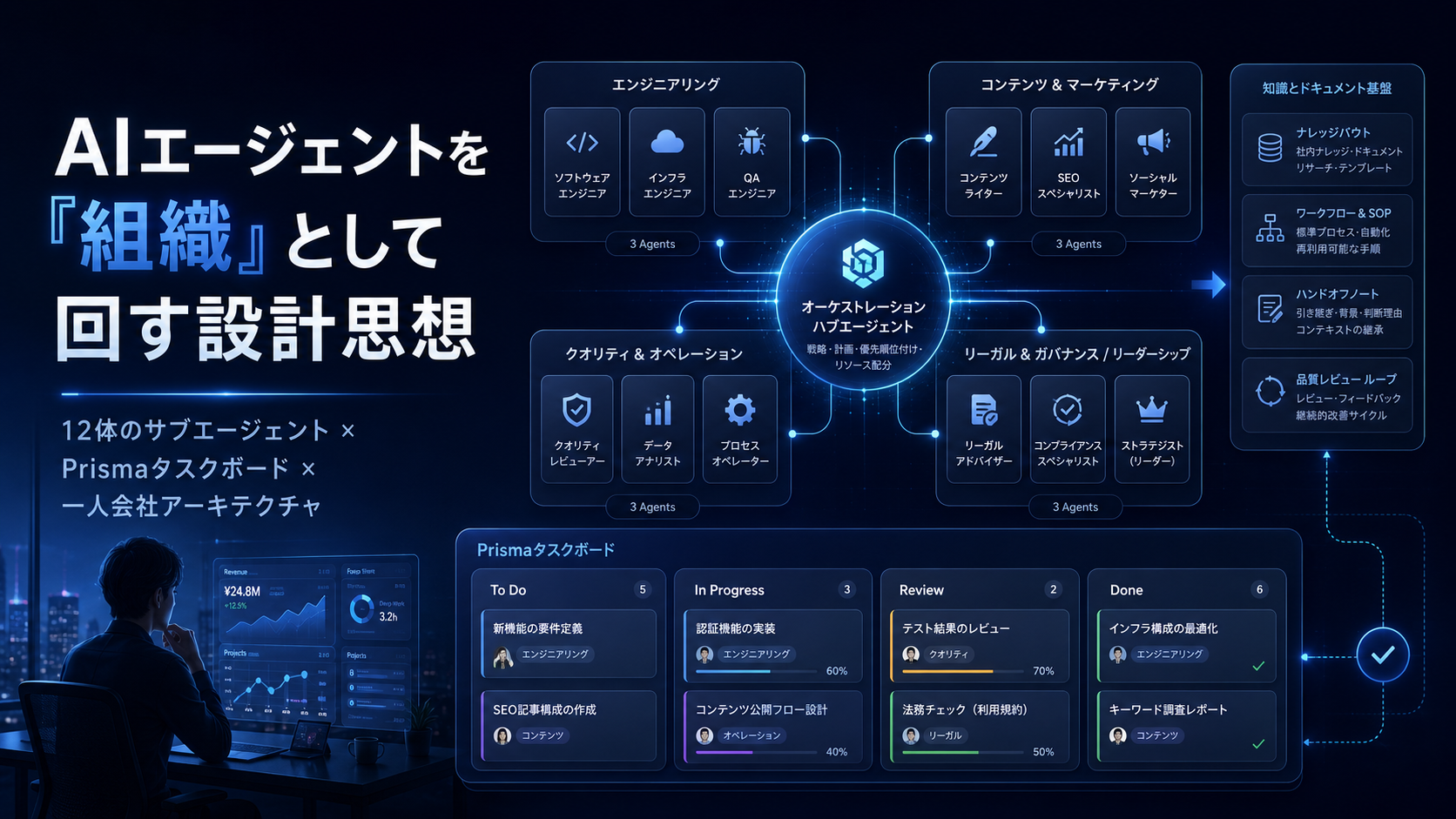
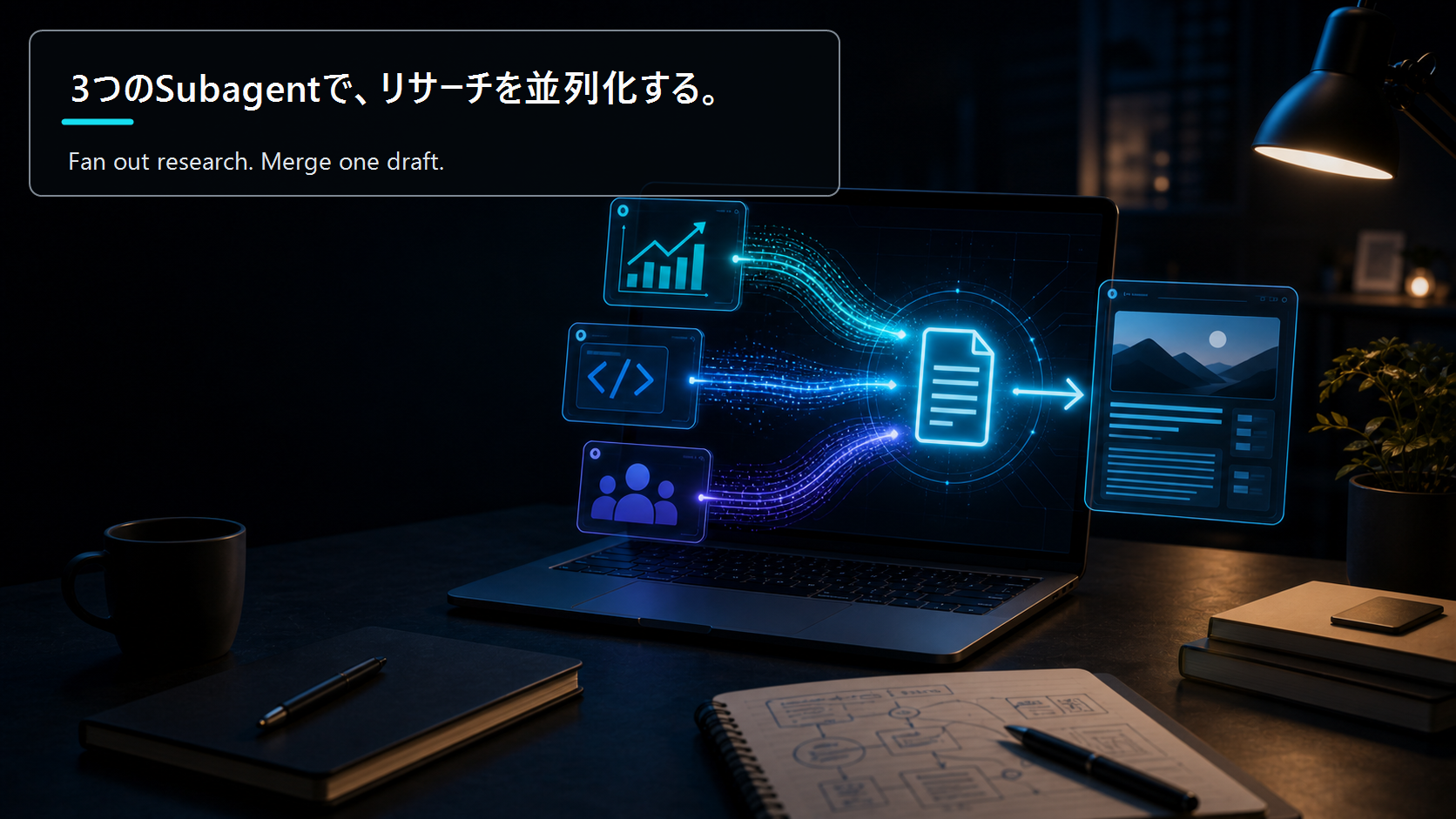
Subagents help keep the main conversation clean. In article work, I use them for investment research, technical research, and reader-needs research. In development, they fit exploration, implementation, and review.
| Pattern | Why it helps |
|---|---|
| Separate research | Gather facts without polluting the main thread |
| Separate review | Find defects from a different angle |
| Separate comparisons | Avoid mixing too many criteria in one conversation |
Keep format rules in Skills. Keep investigation in subagents.
5. MCP Connects External State
MCP is powerful because it lets the model fetch external state when needed. The goal is not to connect everything. The goal is to connect the few systems that materially reduce stale context.
| Connection | Value | Caution |
|---|---|---|
| GitHub | PRs, issues, diffs | Scope permissions |
| Google Drive / Notion | old notes, proposals, briefs | handle private data carefully |
| Figma | UI and design context | verify beyond screenshots |
| Vercel | deploys, logs, previews | be careful with production actions |
Start read-only where possible. Add write actions only when permissions and review gates are clear.
6. Plan Mode Pays Off on Larger Changes
Plan mode can feel heavy for tiny edits. It pays off when the work touches many files, changes policy, or needs quality criteria before mutation. AdSense remediation is a good example: you need to inspect content depth, references, disclaimers, and Skill rules before changing anything.
It also prevents a specific failure mode: using a broad rewrite before understanding the structure. Articles with code examples require more careful parsing than ordinary Markdown.
Revisit Checklist: How to Read Claude Code Updates
- Start with official docs and release notes to see whether Skill, Hook, MCP, or subagent responsibilities changed.
- Then verify your own repo still builds and existing Skills still trigger in the expected situations.
- Before adopting a new feature, write one sentence explaining which existing source of rework it removes.
A practical way to sequence adoption is to move from the least invasive change to the most. The 1M context window and Plan Mode change nothing in your repository, so they are safe to try first on a real task and keep only if they measurably reduce rework. Skills and Hooks come next, because they encode standing rules that every future session inherits; they are worth the setup cost only once a workflow has stabilized enough that the rules will not churn weekly. Subagents and MCP connections come last, since they add moving parts, permissions, and external state that you then have to maintain and secure. The failure mode to avoid is enabling all six features at once and losing the ability to attribute an improvement, or a regression, to any single one. Adopt one feature, run it against your own work for a week, and only then decide whether it earns a permanent place in your setup.
Next Issue Ideas
- Idea 1: A Claude Code Skill audit template — A practical checklist for descriptions, output format, references, disclaimers, and verification commands.
- Idea 2: Parallel blog research with subagents — Split investment, technical, and reader-needs research before merging one final article.
- Idea 3: Connecting internal knowledge over MCP — Wire research notes, old proposals, and meeting minutes into Claude Code in 30 minutes.
Related Posts
- 10 Claude Code Skill Design Patterns: Descriptions and Templates That Trigger Reliably — Ten Skill design patterns for Claude Code: how to write descriptions that trigger reliably, split Skills by audience, …
- The Shortest Path to Connecting Internal Knowledge over MCP: Wiring Research Notes, Past Proposals, and Meeting Minutes into Claude Code in 30 Minutes — A 30-minute build log: a minimal MCP server that lets Claude Code search research notes, past proposals, and meeting minutes.
- Parallel Blog Research with Subagents: Fan Out Investment, Technical, and Reader-Need Axes, Then Merge Into One Draft — A hands-on build log: split one blog post's research into investment, technical, and reader-need axes, run them as par…
References
The technical assumptions and operating recommendations in this article are grounded in official materials readers can revisit.
- Anthropic Claude Code documentation
- Model Context Protocol documentation
- Anthropic news and product updates
This article is for informational purposes only and does not constitute investment advice or a recommendation of any specific stock, service, or contract structure. The author may hold positions or interests related to companies or services mentioned. Generative AI was used for parts of research, translation, and proofreading, with final review by ZYL0. See the disclaimer for details.