What Did NVIDIA × Groq ($20B) Change? Inference Consolidation, the Antitrust Tug-of-War, and Reading the Next Targets Through MangoBoost
The NVIDIA-Groq $20B deal analyzed across regulation and supply chain — contrarian screen for next acquisition targets and the case for chipless MangoBoost.

The NVIDIA-Groq $20B deal analyzed across regulation and supply chain — contrarian screen for next acquisition targets and the case for chipless MangoBoost.


What Did NVIDIA × Groq ($20B) Change? Inference Consolidation, the Antitrust Tug-of-War, and Reading the Next Targets Through MangoBoost
In the previous issue (No. 32), I read Groq's "absorption" as proof of structure: inference-only silicon ultimately converges into a battle of capital and ecosystem. The moment it published, the same question came back from readers — "so who gets swallowed next?" This piece is the sequel that answers that one question.
I came up through semiconductor process engineering, and I now sit on the deciding side at a CVC. When I look at a deal, the first thing I peel back is not "what price" but "what structure." Having once recognized an excessive follow-on valuation in committee, opposed it with data, and led the renegotiation, I learned to distrust the design of a deal more than its sticker. NVIDIA's Groq deal was, above all, cleverly designed.
Note: this piece is an outside-in read based solely on public information — company releases, product pages, papers, and press coverage.
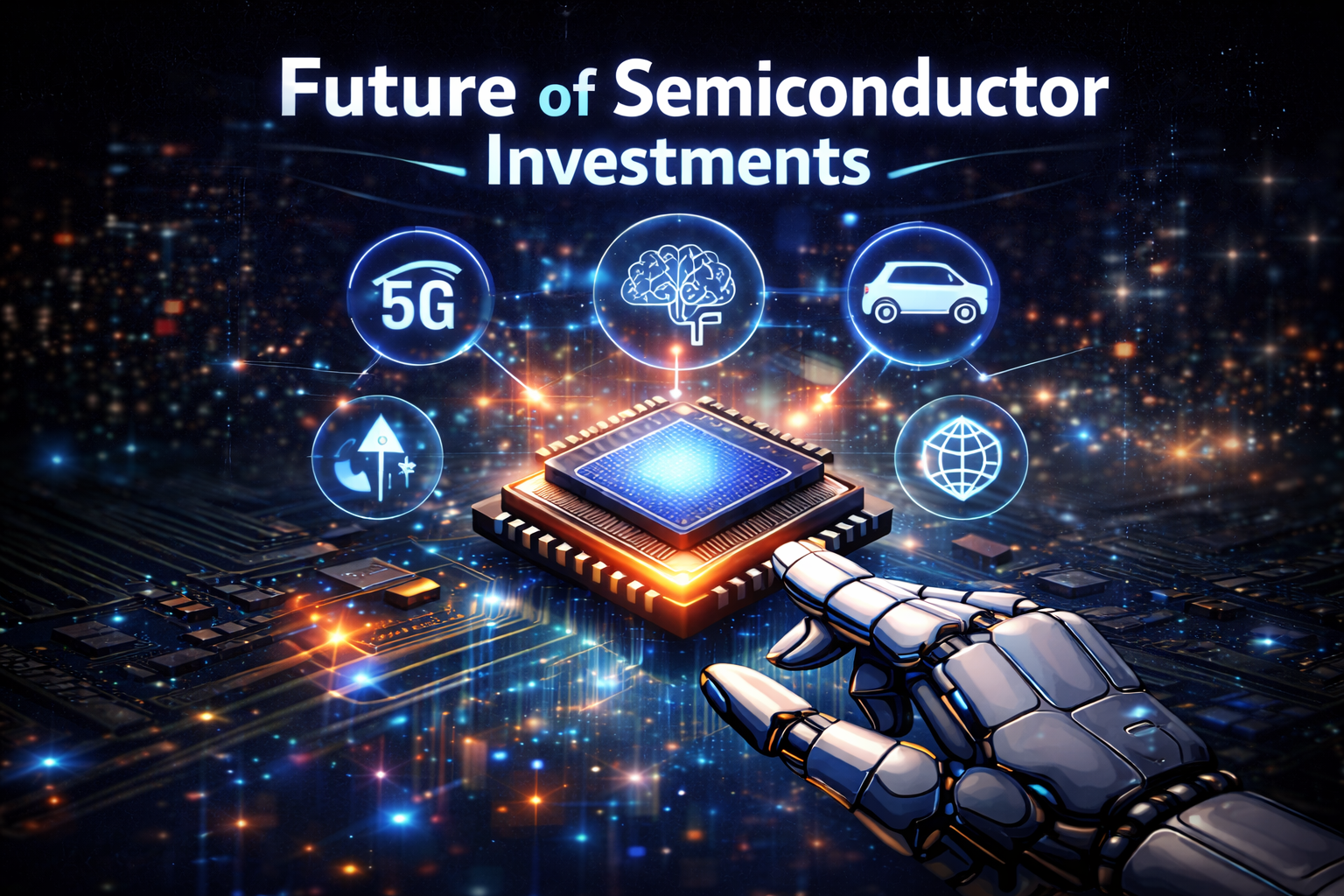
This piece drills into what the ~$20B deal actually changed in the inference market across three axes — regulation, standards, supply chain — and screens, contrarian-style, for the next name likely to be swallowed. Then I make my pick for the most coherent play: a company that does not build a single chip — MangoBoost. This is a June 2026 snapshot; valuations and partnerships will be rewritten within six months.
What Did NVIDIA Actually "Buy"? — The License-Plus-Talent Design
My first observation: NVIDIA did not "acquire" Groq. It took a non-exclusive license for roughly $20 billion and pulled in founder Jonathan Ross and his team. The very fact that this is called neither an acquisition in accounting nor in regulation is, I think, the deliberate design.
Why "license plus talent"? NVIDIA holds 90%-plus share in data-center GPUs and is watched closely enough that the DOJ has issued subpoenas on antitrust grounds. A straight merger of Groq would be a sure target for review. But a non-exclusive license moves no ownership, and a talent transfer falls outside merger review. "Extract only the sharpest inference technology, leave the corporate shell standing" — that is the move of a player who knows the rulebook. And ~$20B is about 2.9× Groq's recent $6.9B valuation: an extraordinary price for the technology alone.
Over the past six months, inference-silicon consolidation accelerated sharply. Here are the recent moves on one page. Figures are as of June 2026, on a press/announcement basis.
| Deal | Size | Type | What it absorbed | My read |
|---|---|---|---|---|
| NVIDIA × Groq | ~$20B (non-exclusive license + talent) | King absorbs the independent | Deterministic LPU, low-latency inference | Extract tech without moving ownership — a review-avoiding design |
| Marvell × Celestial AI | ~$5.5B | Locking up interconnect | Photonic interconnect | Pre-empts the bandwidth bottleneck of inference clusters |
| AMD × Untether AI | Talent/tech absorption | Runner-up fills a gap | In-memory inference IP + team | Quietly completes AMD's inference stack |
| Intel × SambaNova (failed) | ~$1.6B offered → rejected | Rescue buyout that fell through | Dataflow RDU | Spurned the lowball, stayed independent on a $350M Series E |
What I watch most in this table is that the last one, Intel × SambaNova, did not close. SambaNova spurned a ~$1.6B offer and chose independence on a $350M Series E instead. Consolidation is not one-way; the target also has a say in "at what price would I sell." That is where the contrarian seed lies.
Reading Inference Consolidation on Three Axes — Regulation, Standards, Supply Chain
A second observation. Tell the consolidation story as one picture and you will misjudge it. I split it into three axes — regulation, standards, supply chain — each moving by different mechanics.
First, regulation. The DOJ is probing whether NVIDIA impedes switching to rivals or forces exclusive use of its products. "Adjacent lock-in," like the RunAI acquisition, is a concern too. That is precisely why NVIDIA took Groq via "license plus talent," not an acquisition. If regulators lean in, consolidation slams on the brakes; if they don't, "license-style absorption" becomes the industry's standard playbook. This is a tug-of-war in real time.
Second, standards and software. The real moat in inference is not the chip but the software ecosystem, like CUDA. Having absorbed Groq's technology, NVIDIA now reaches to fence even low-latency inference into its own garden. Conversely, for companies that sell portability — running across vendors — frustration with lock-in becomes a tailwind.
Third, supply chain. Inference silicon is ultimately decided at the foundry and in memory. Leading nodes belong to TSMC; HBM and much manufacturing run through Samsung. Whoever gets acquired, the side that holds manufacturing profits without leakage. Split the three and you see the asymmetry: regulation swings who wins, standards move where the moat sits, and manufacturing alone pays no matter who wins — that asymmetry is the entry point for investing.
| Issue | Regulator/market concern | NVIDIA's logic | Investment implication |
|---|---|---|---|
| Market dominance | 90%+ share in DC GPUs | Competition is in fact intensifying | Big "acquisitions" carry review risk; license deals proliferate |
| Tying | Bundling of CUDA, RunAI, etc. | Integration delivers customer value | Software lock-in is the moat — and the regulator's target |
| Switching cost | Suspected impediment to moving | Also advancing openness | Contrarian appeal in firms selling "portability" |
| Containment via M&A | Fencing in adjacent players | Licenses are non-exclusive | "Avoid the word acquisition" becomes the template |
Who Gets Swallowed Next — A Contrarian Screen
A third observation. When hunting for "the next to be swallowed," most people name "the sharpest chip." I do the opposite and rank highest the partner that is cheap to absorb as a complement and easy to clear regulation. Because I reason from the buyer's incentives.
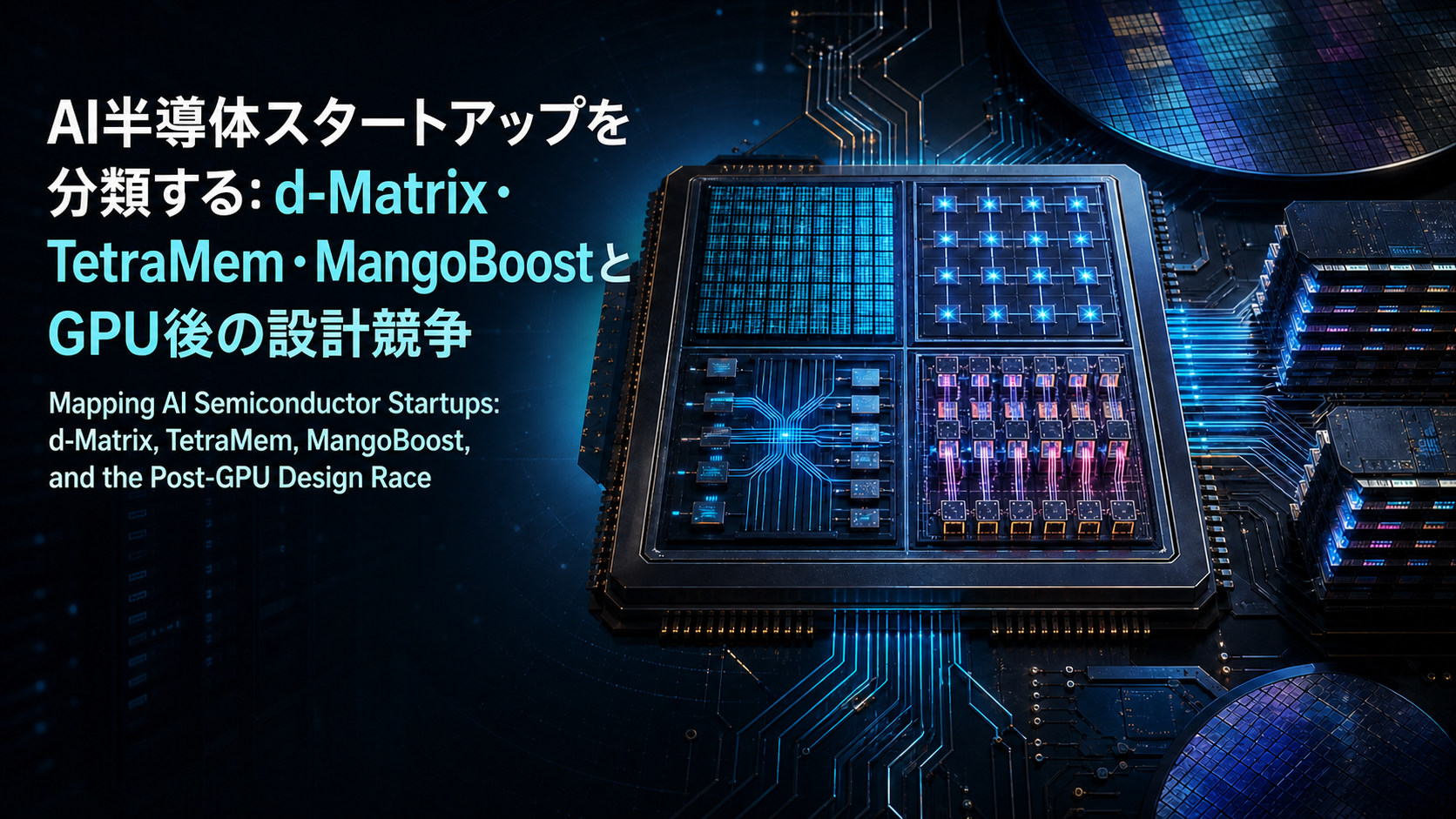
Line up the recently funded independents by ease-of-being-bought. Cerebras raised $1B at a $23B valuation and is heading to IPO — the side that fights in public markets rather than being absorbed. Etched stacked $500M at a $5B valuation, but its Transformer-only ASIC is a single-function bet, priced too high to be a "cheap tuck-in." d-Matrix raised $275M on digital in-memory inference; its IP appeal and affordability make it the prime complementary-buy candidate. SambaNova just spurned Intel's lowball and is a party to the next tug-of-war.
| Company | Recent raise / valuation | Inference architecture | Ease of being bought | My read |
|---|---|---|---|---|
| d-Matrix | $275M (Nov 2025) | Digital in-memory | Medium–high (IP + affordable) | Prime complementary-buy candidate |
| Etched | $500M / $5B valuation | Transformer-only ASIC | Low–medium (priced high) | Single-function bet, leans independent |
| Cerebras | $1B / $23B valuation → IPO | Wafer-scale | Low (independent via listing) | Fights in public markets, not absorption |
| SambaNova | $350M Series E | Dataflow RDU | Medium (rescue risk) | Spurned the lowball; party to the tug-of-war |
| Tenstorrent | $693M / $2B valuation | RISC-V Tensix mesh | Low (Samsung/Hyundai roof) | Heavy independent streak via IP supply |
| MangoBoost | Series A $55M / ~$300M valuation | No chip; system-level optimization | Low (complementary; partner not acquire) | The contrarian pick — hard to swallow |
The bottom row is the heart of this piece. For MangoBoost alone, the columns mean something different. It builds no chip, so it is a poor target for "absorb the ASIC IP cheaply," and its neutrality — running on AMD and NVIDIA alike — would lose value the moment it were swallowed by any single house. Being hard to swallow is itself the investment appeal — I press that in the next section.
The Contrarian That Doesn't Build a Chip — Reading MangoBoost From Public Information
A fourth observation. There is a group of companies that build no chip and instead work on raising the utilization of GPUs already sold. Reading the public material of one of them, MangoBoost, I felt the déjà vu from my semi-solid battery investment work. Back then, the work that ate the most time was judging whether the company's slice of value would actually remain. MangoBoost's positioning is crisp: don't enter the chip war — charge for raising the utilization of the GPUs that war sells. Not the side digging picks, the side sharpening them.
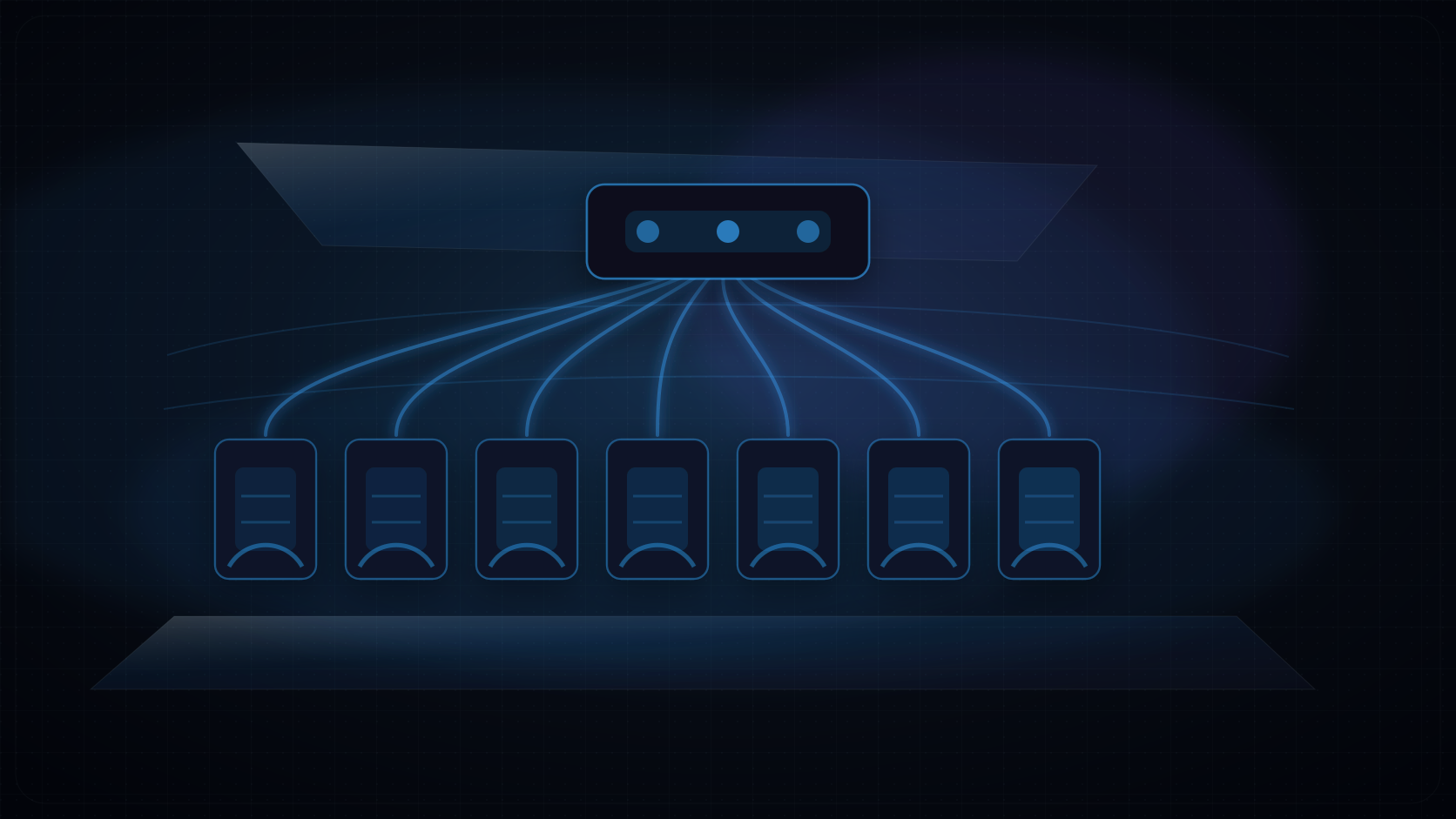
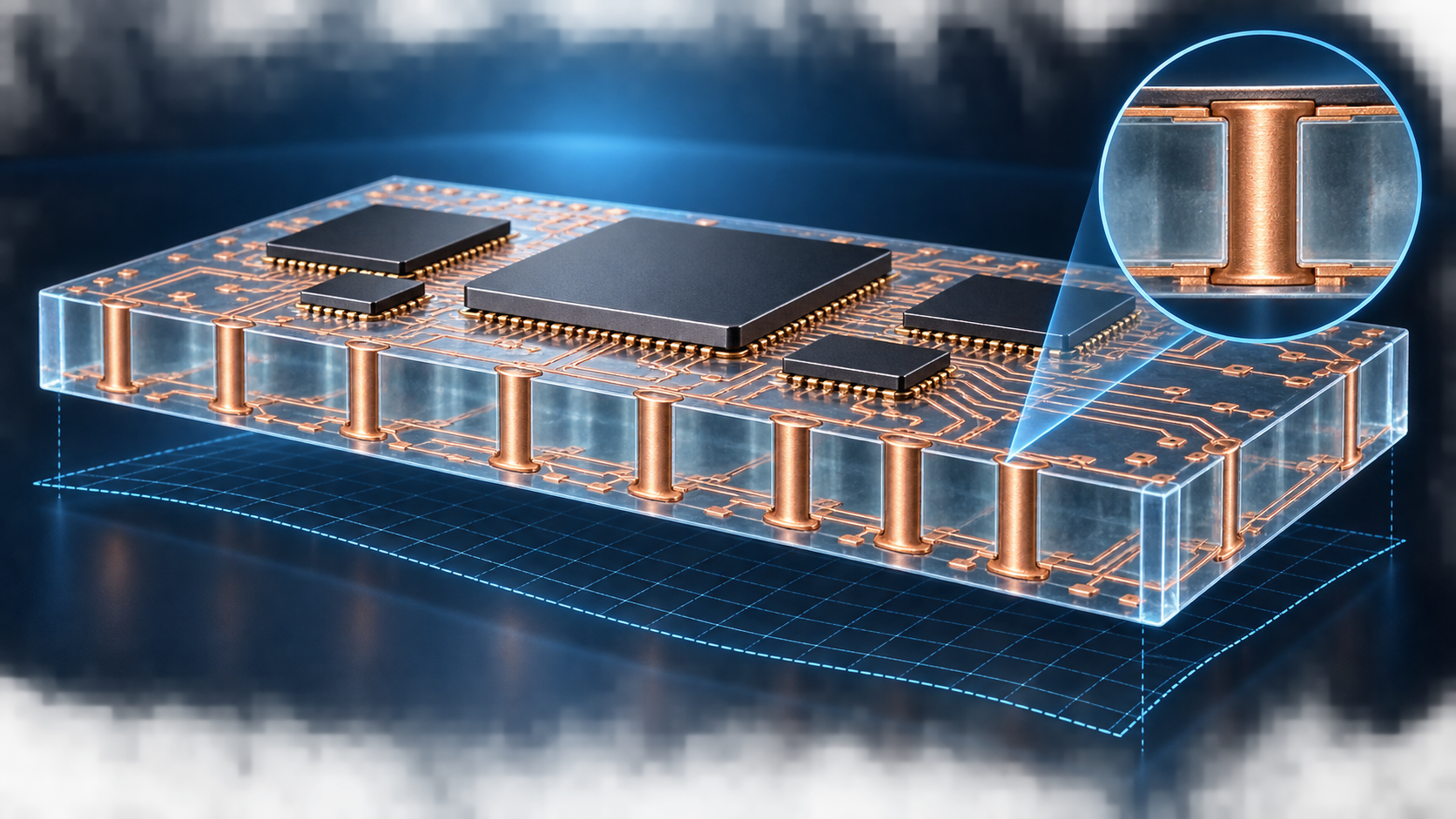
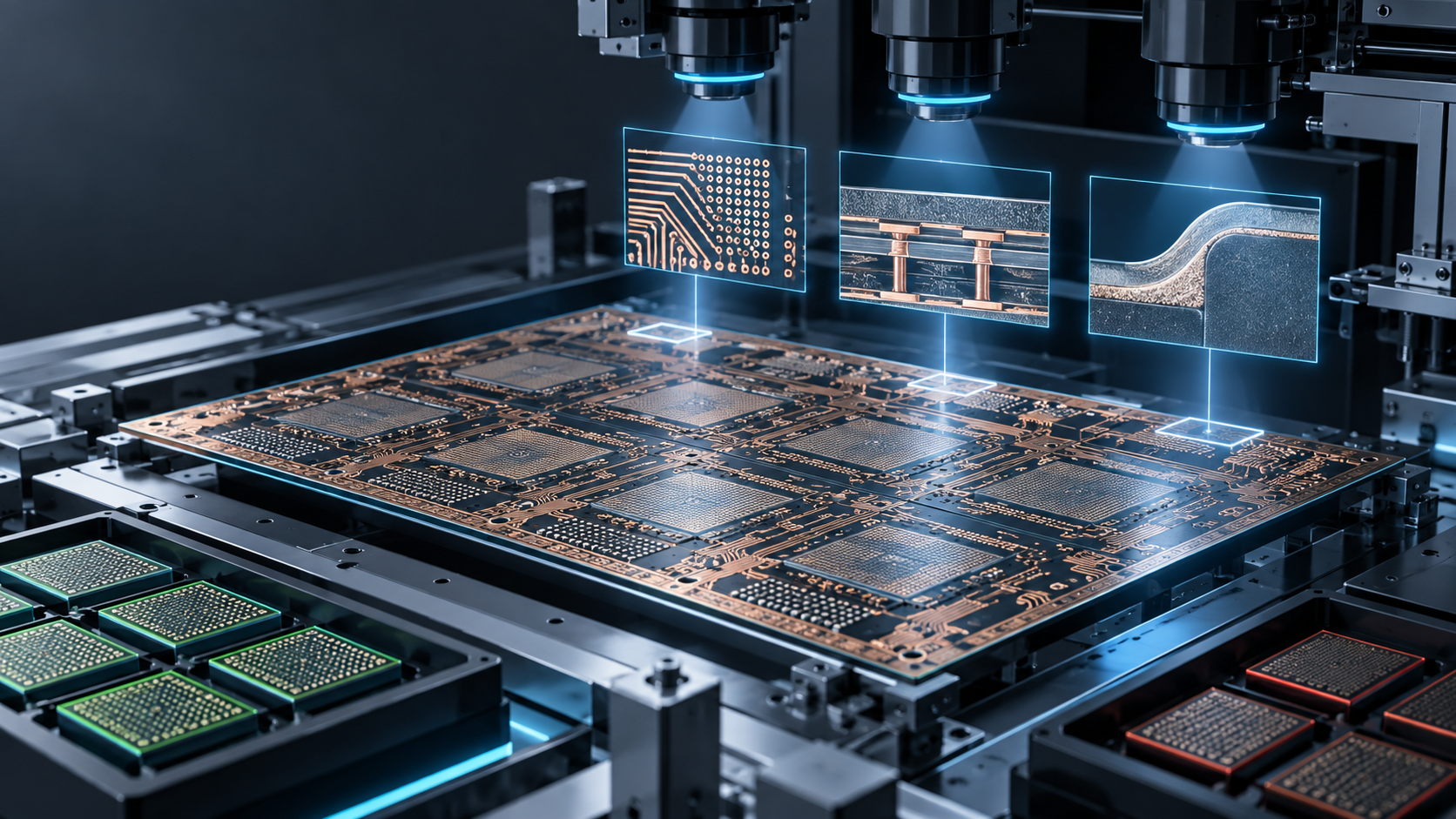
To the specifics. MangoBoost is a DPU (Data Processing Unit) and inference-optimization software company. It bundles the BoostX 400G DPU, the GPUBoost RDMA NIC, and Mango LLMBoost — inference MLOps software — to offload the burdens of networking, storage, and scheduling so the GPU can focus on the compute it exists for. In short, it is the layer that squeezes more tokens out of the same GPU.
The numbers are following. In MLPerf Inference v5.0, it lashed 32 AMD Instinct MI300X GPUs across four nodes and posted the highest-ever result for Llama2-70B offline, beating the prior best on NVIDIA H100s (Juniper) by about 24% — 93,039 TPS in the server scenario and 103,182 TPS offline. "A company that builds no chip rewrites the chip leaderboard" — that paradox is what works on me.
| Item | Detail |
|---|---|
| Founded / HQ | 2022 / Seattle, US & Seoul, Korea |
| Founders | Jangwoo Kim (SNU professor) and others; 115+ engineers, 50+ patents |
| Raise / valuation | Series A $55M (Oct 2023), $65M+ cumulative, valuation reported around $300M |
| Products | BoostX 400G DPU / GPUBoost RDMA NIC / Mango LLMBoost (inference software, on AWS Marketplace) |
| Track record | Highest-ever MLPerf Inference v5.0 result on 32× MI300X, beating H100 fields (Llama2-70B offline) |
| Business model | Builds no chip; charges for lifting utilization of existing accelerators (neutral across AMD/NVIDIA) |
| Moat | System optimization + software + vendor neutrality; value comes from partnering, not being acquired |
From what is visible from the outside, I place both the upside and the red flags. Upside: ① the tailwind of an AMD camp frustrated with NVIDIA lock-in; ② capital efficiency from needing no chip (no massive fab spend); ③ third-party proof on MLPerf. Red flags: ① whether a ~$300M valuation is justified on software-led revenue; ② "swallow risk" if NVIDIA internalizes the same offload and thins the value; ③ "single-ecosystem concentration" if it leans too far onto AMD. I keep ② and ③ as items to keep watching — because even if the technology is neutral, the customers may not be.
Public Proxies, Scenarios, and the Investment Call
A fifth observation. An individual investor cannot buy MangoBoost, d-Matrix, or SambaNova directly. So, as ever, I substitute "the adjacent listed companies that profit the more consolidation advances."
| Public proxy | Ticker | Link to inference consolidation | My read |
|---|---|---|---|
| NVIDIA | NVDA | Groq license fences in low-latency inference | Biggest beneficiary; price in review risk |
| AMD | AMD | Untether absorption + neutral-efficiency tailwind | Catch basin for "anti-NVIDIA" demand |
| Samsung Electronics | 005930.KS | Leading-edge manufacturing + Tenstorrent stake | "Make × back" that pays whoever wins |
| TSMC | TSM | Common foundry for inference silicon | Pick-and-shovel for the whole theme |
| Broadcom | AVGO | Custom ASIC and interconnect | Hidden beneficiary of hyperscaler in-house silicon |
The most coherent exposure, ironically, is a barbell of the consolidator NVIDIA and its counterweight AMD. NVIDIA widens its garden to inference via "license-style absorption"; AMD stands on the side that captures "anti-lock-in" demand and MangoBoost-style neutral efficiency. Either way it tips, Samsung/TSM in manufacturing pay without leakage.
I close on scenarios, tying the three-axis mechanics to the scenario where each works.
| Scenario | Subjective probability | Story | Who benefits |
|---|---|---|---|
| Base | 50% | License-style consolidation continues, regulators watch; inference diversifies | NVDA primary, makers Samsung/TSM, neutral-efficiency MangoBoost type |
| Bull | 20% | Antitrust stays loose; big acquisitions are unlocked | NVDA, plus the bought-side d-Matrix/SambaNova |
| Bear | 20% | DOJ leans into tying; consolidation slams the brakes | AMD, and portability-selling neutral layers (MangoBoost type) |
| Tail | 10% | An inference bubble corrects; high-valuation ASICs strain for cash | Listed proxies and cash-rich majors are relatively safe |
My investment call is explicit. Near-term, public proxies — a barbell of NVDA and AMD anchored, with Samsung/TSM in manufacturing to catch the spillover. However consolidation tips, I ride the structure where the more chips sell, the more manufacturing and the neutral-efficiency layer pay.
The medium-term contrarian is the "efficiency layer that builds no chip." A MangoBoost-style DPU-plus-inference-software earns on the universal problem of utilization whether regulation stops consolidation or speeds it. But the "swallow risk" from NVIDIA internalization and customer concentration remain execution points to keep watching.
For the high-valuation ASICs on the bought side, my conclusion is caution on valuation. Etched at $5B and Cerebras at $23B have narrow scenarios for getting paid via IPO or acquisition. What Groq's "absorption" taught is that the sharper the technology, the more surely it converges into capital and ecosystem. Technical sharpness and investment payoff don't line up here either. This is my view as of June 2026, and I will mark it to market in six months.
Next Issue Ideas
- Idea 1: The Investment Map of the Inference "Neutral Layer" — DPUs, Inference Software, and GPU Clouds, Decomposed by Utilization — Split the MangoBoost-style "efficiency layer that builds no chip" into DPUs, inference-optimization software, and neoclouds, drilling to listed proxies. A sequel to this post's contrarian thread.
- Idea 2: The Day Antitrust Halts Inference Consolidation — DOJ vs. NVIDIA, Stock-Price Sensitivity by Scenario — Quantify the sensitivity of NVDA, AMD, and the neutral layer if regulators lean into tying and the license design.
- Idea 3: The Economics of the Rescued — Reading SambaNova, Cerebras, and d-Matrix's "Independence vs. Acquisition" Through Valuation — Quantify, contrarian-style, whether the cash-rich inference-ASIC cohort lands on IPO, independence, or acquisition, using runway and gross margin.
Related Posts
- The Researchers Behind Kimi K3, Fable 5, and GPT-5.6: Founding Lineages of Moonshot, Anthropic, and OpenAI — The model-lab side of the capital story: founder research lineages and 2026 valuations, pairing with this post's infrastructure angle.
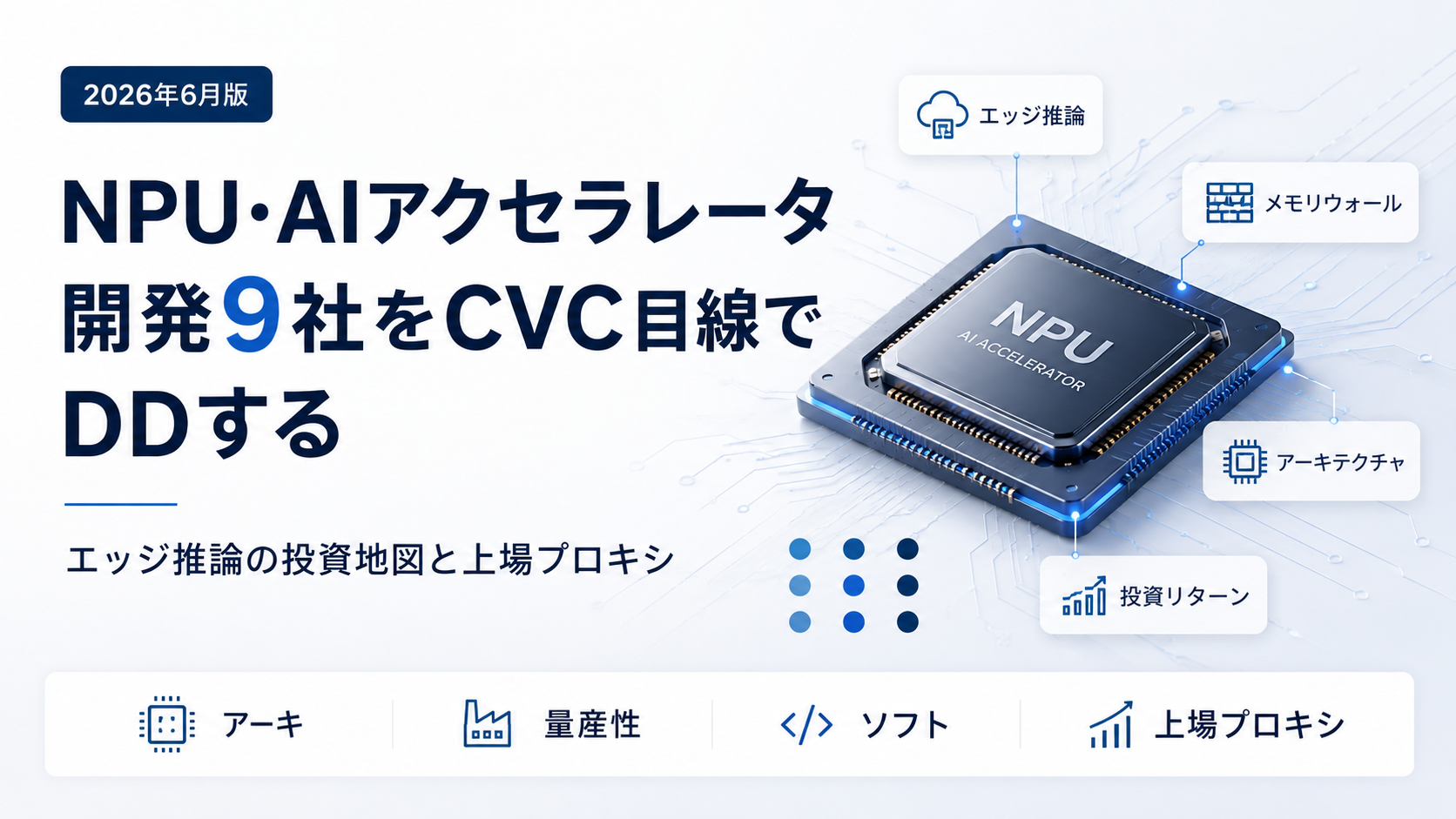
- Reading the 9 NPU / AI-Accelerator Developers From the Outside: An Edge-Inference Investment Map and Its Public Proxies — An outside-in read of nine NPU developers — the NVIDIA-Groq consolidation, memory-wall architecture splits, public proxies,…
- Decoding Big Tech Q1 2026 Earnings: A Comparative Analysis of Meta, Amazon, Google, and Microsoft — Q1 2026 earnings reveal Big Tech's AI capex showing up in the numbers.
References
The factual and numerical assumptions in this article are anchored to primary or public sources that readers can revisit during review and future updates (as of June 2026).
- Fortune: After Nvidia's Groq deal, the AI chip startups that may be in play
- EE Times: Fallout from the NVIDIA-Groq deal validates the AI chip startup landscape
- IntuitionLabs: Why NVIDIA paid a 2.9× valuation for Groq's LPU tech
- American Action Forum: The DOJ and Nvidia — AI market dominance and antitrust
- BusinessWire: MangoBoost sets record MLPerf Inference v5.0 results on MI300X
- BusinessWire: MangoBoost showcases 400G DPU applications and expanding AI-infrastructure adoption
This article is for informational purposes only and does not constitute investment advice or a recommendation of any specific stock, service, or contract structure. The author may hold positions or interests related to companies or services mentioned. Generative AI was used for parts of research, translation, and proofreading, with final review by ZYL0. See the disclaimer for details.