The Investment Map of AI Infrastructure's "Silicon Periphery": Power, Cooling, Optics, and Site Plays Hiding in Plain Sight
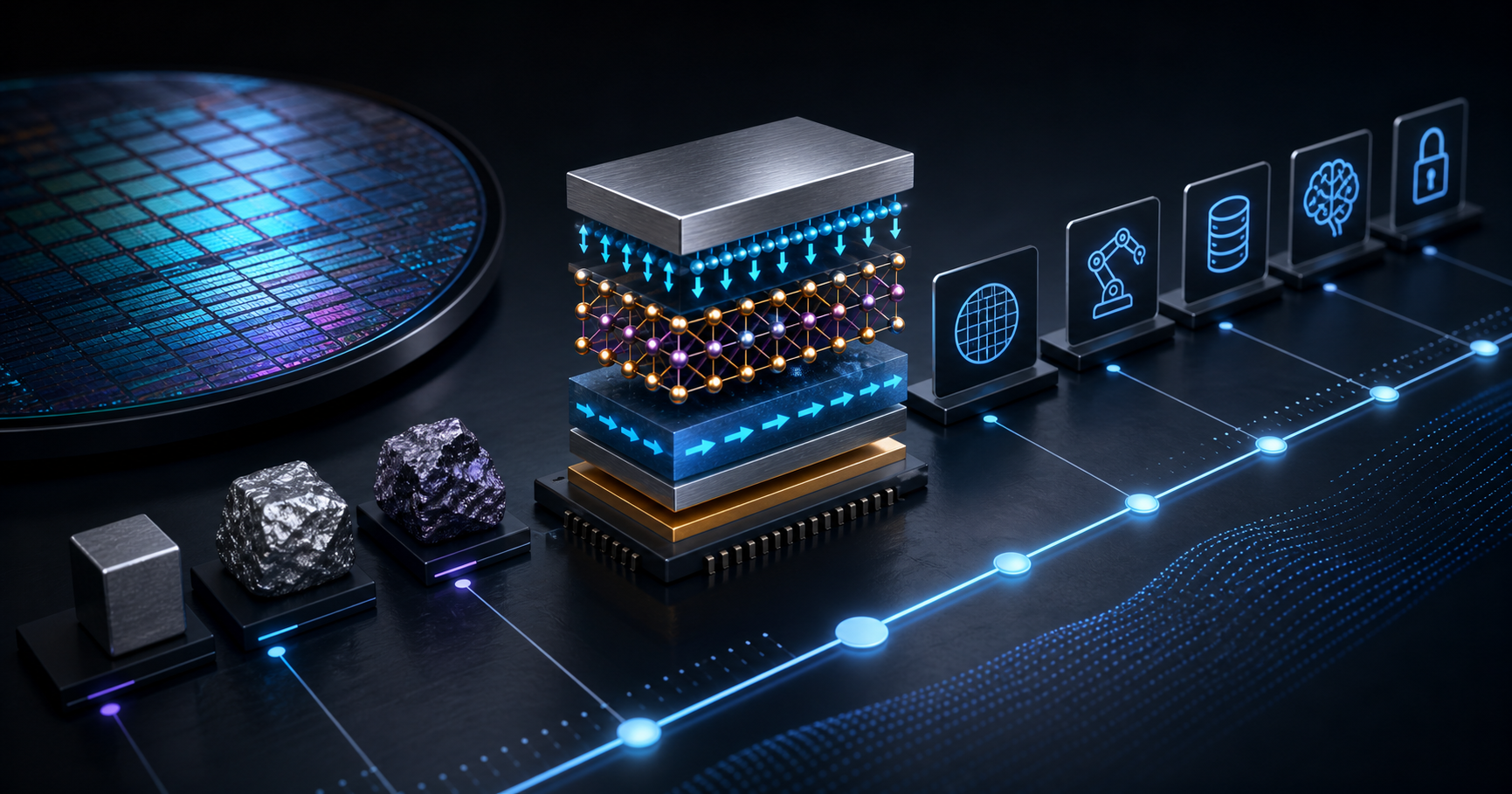
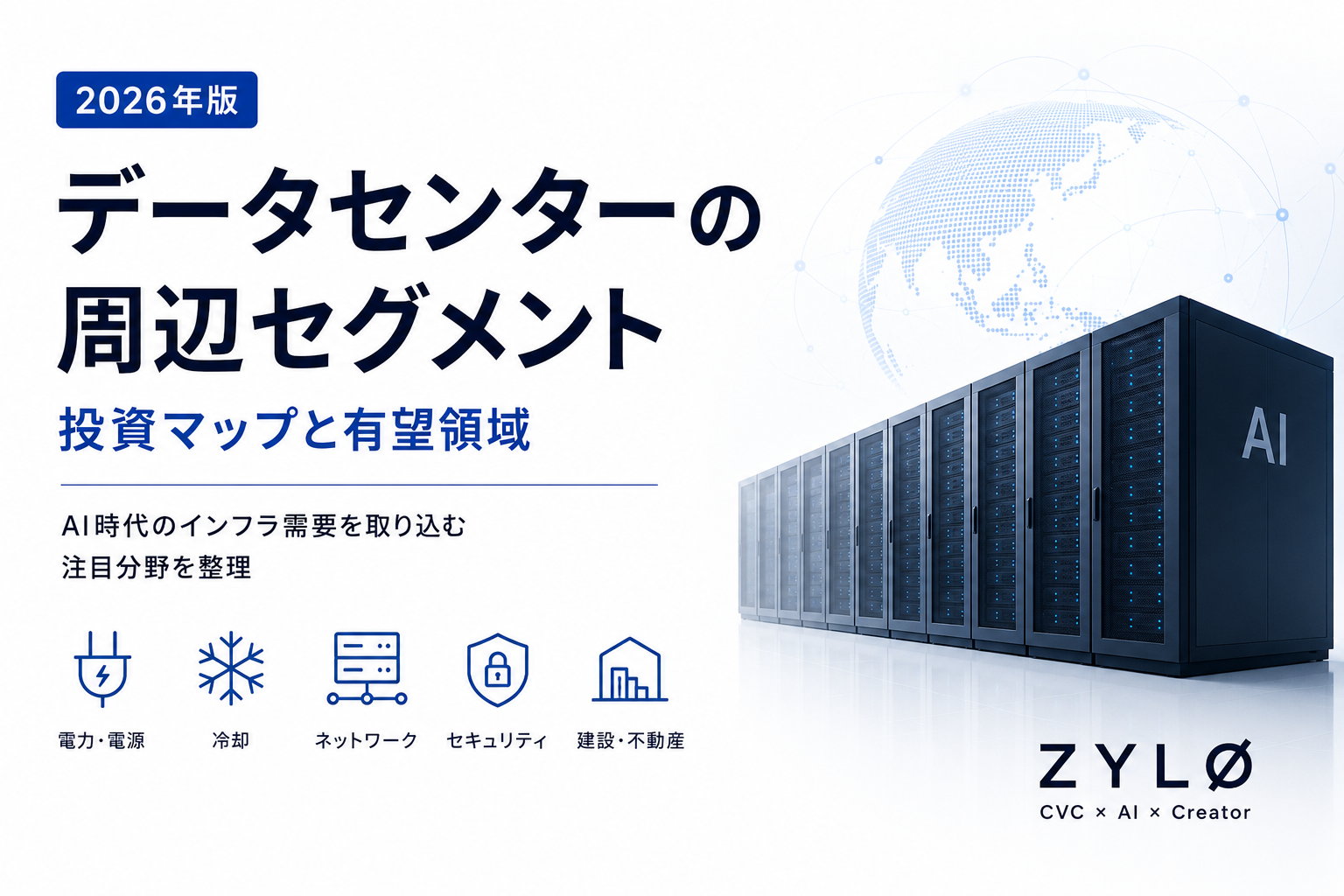
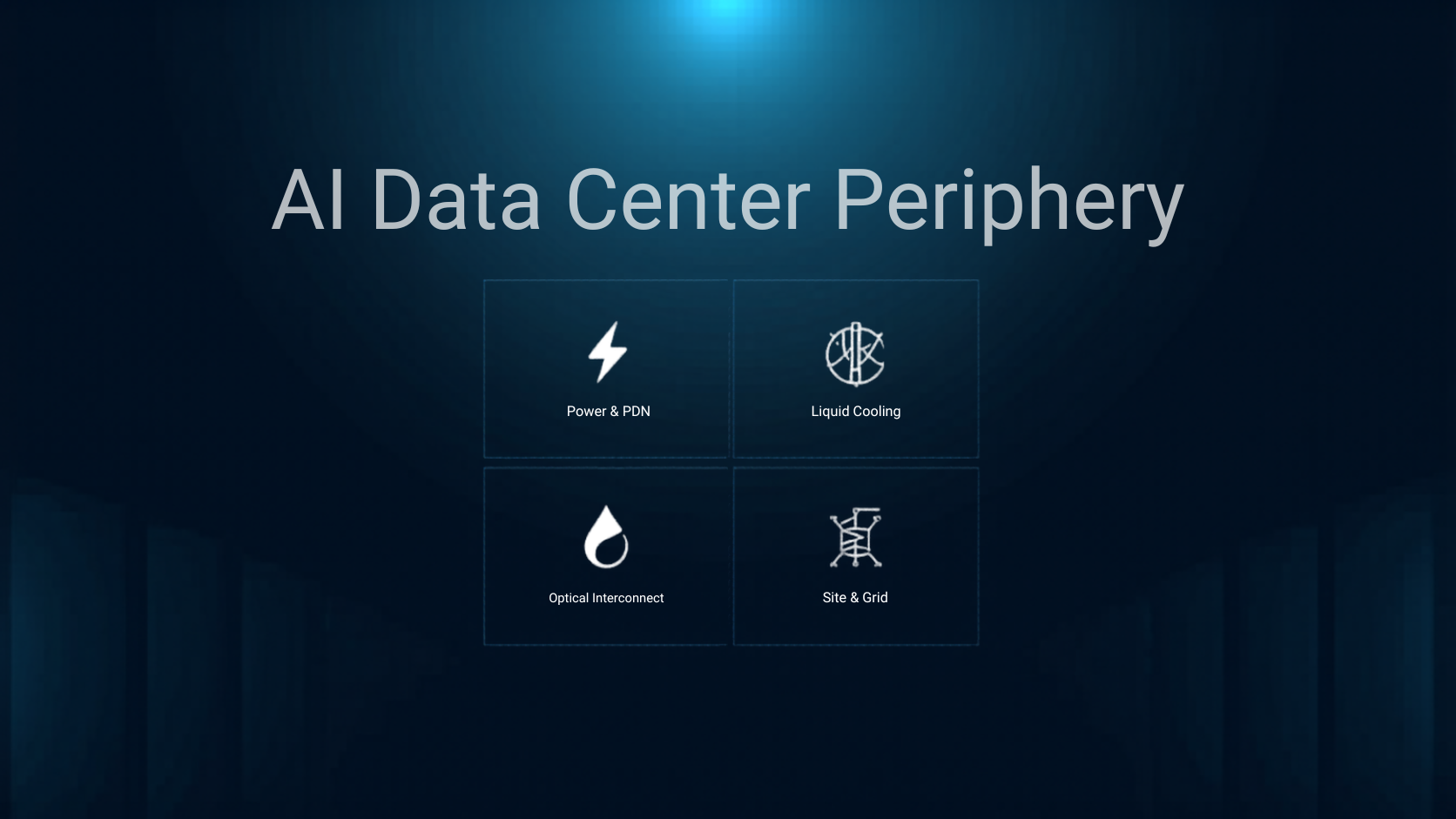
Watching only NVIDIA and AMD misses the point. The real AI-datacenter bottlenecks are power, cooling, optical interconnect, and site land — the peripheral segments where post-2026 CVC alpha actually lives. A process-background CVC maps the investment terrain as it looks from public information.
Watching only NVIDIA and AMD misses the point. The real AI-datacenter bottlenecks are power, cooling, optical interconnect, and site land — the peripheral segments where post-2026 CVC alpha actually lives. A process-background CVC maps the investment terrain as it looks from public information.


The Investment Map of AI Infrastructure's "Silicon Periphery": Power, Cooling, Optics, and Site Plays Hiding in Plain Sight
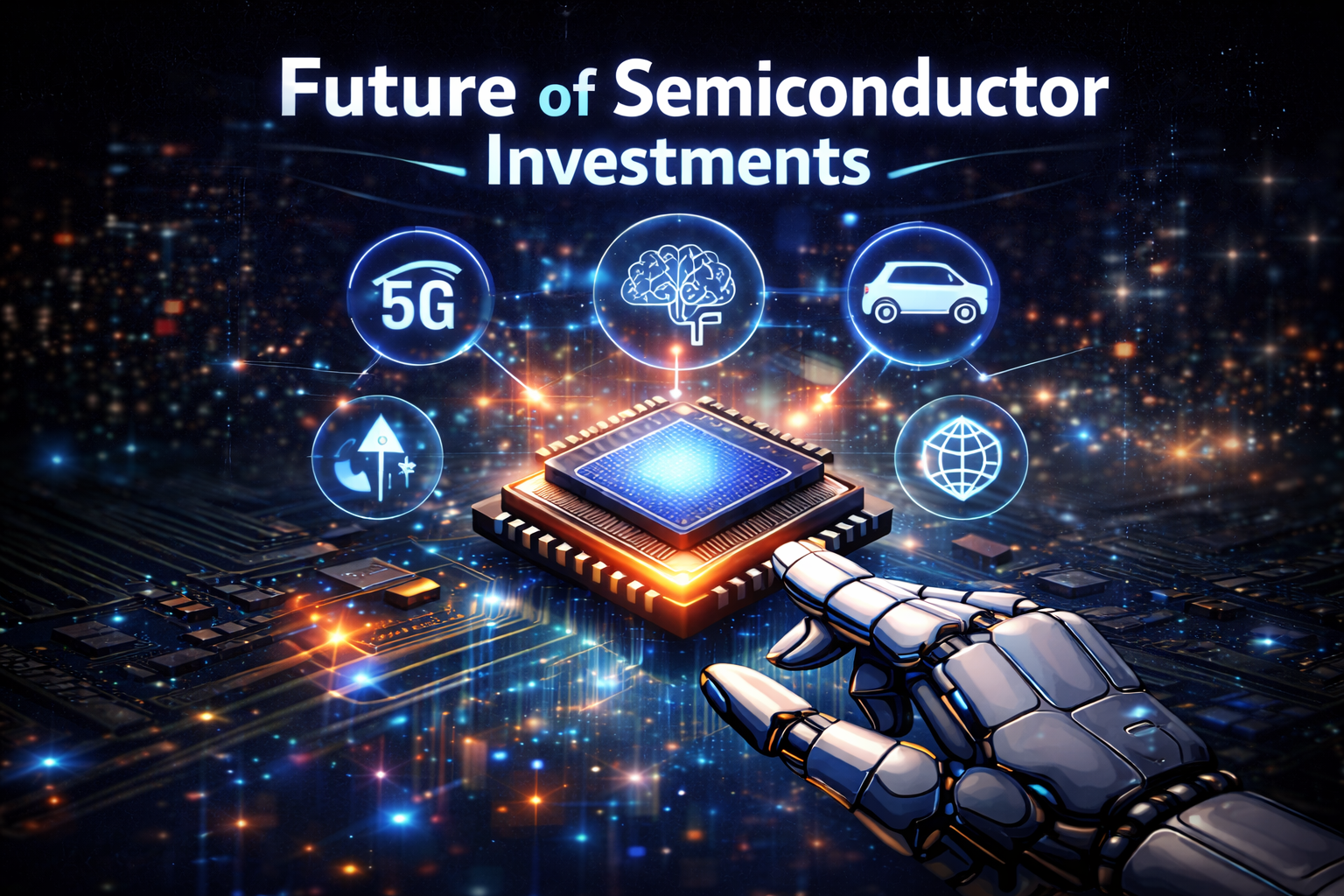
Since the start of 2026, more than half of the deals on my desk have shifted from "the silicon" to "what sits around the silicon." Less NVIDIA, AMD, and TSMC — more startups in power ICs, liquid cooling, optical interconnects, and site/grid plays. From my seat as a CVC investor with a semiconductor process background, this peripheral ring is where the investor consensus is most mispriced right now.
I started my career as an EEPROM process development engineer for automotive parts, and one episode shaped how I read these markets: a yield issue blamed on the equipment turned out to be a process-side defect that only TCAD simulation could surface. The answer is rarely where everyone is looking — it's usually in the layer next door. AI infrastructure investing is following the same pattern: people are still glued to accelerators while power, cooling, optics, and site availability are silently turning into hard bottlenecks.
This piece organizes the peripheral investment map I keep redrawing on my desk, in four blocks.
It Isn't the Accelerator That's Clogged — It's Everything Around It
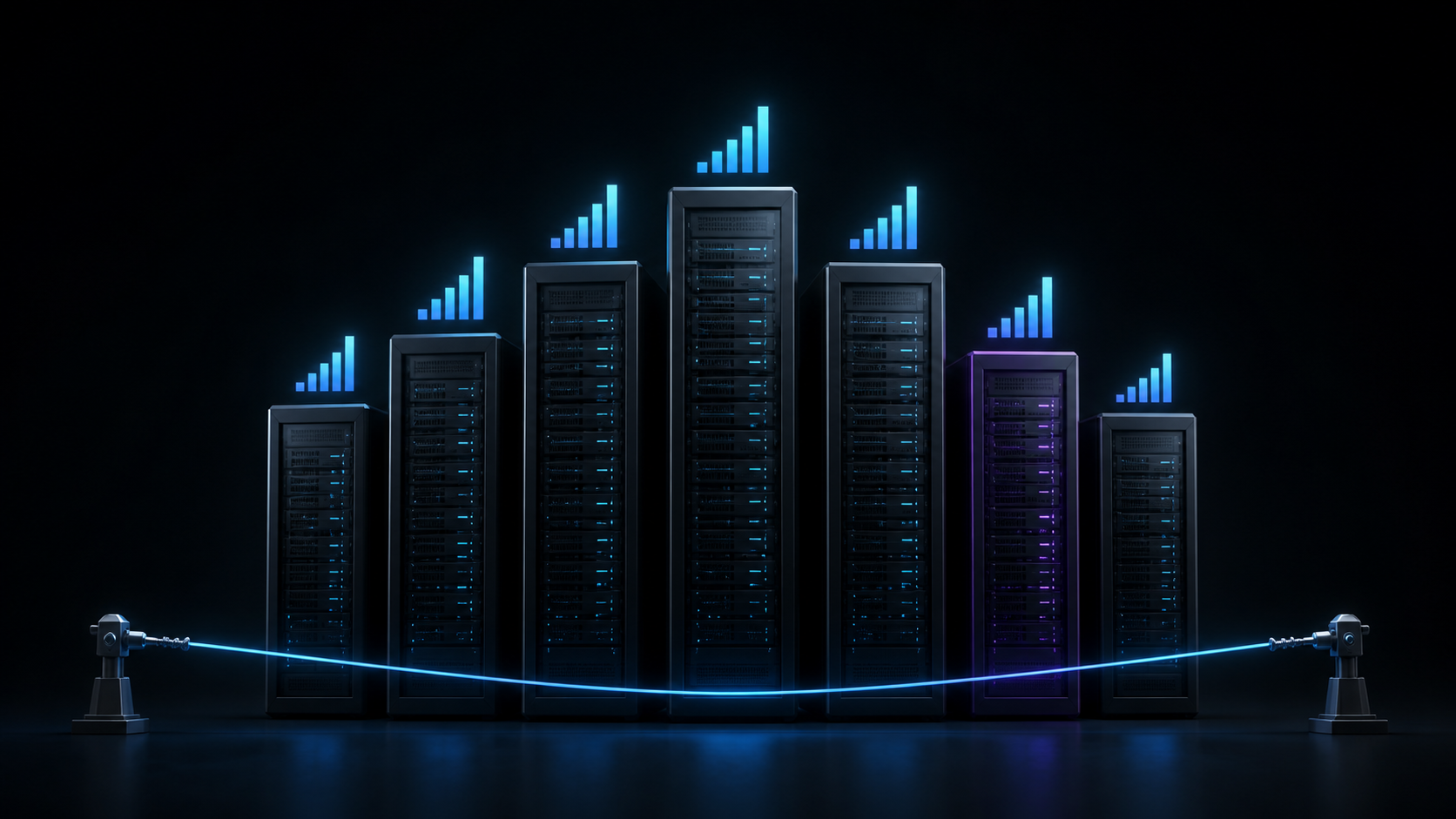
Let me be blunt. Q1 2026 combined CapEx from the four hyperscalers (Microsoft, Google, Amazon, Meta) is running roughly +45% YoY, pacing at around $350B annualized. But the field-level reality I'm seeing is "money is flowing, deliveries aren't." Accelerator supply is finally visible — yet the peripheries are choking first.
| Bottleneck | Current Symptom | Lead Time |
|---|---|---|
| Power (transformers, switchgear) | Large transformers on 18–36 month wait | Acute through mid-2027 |
| High-density cooling (DLC/immersion) | 100kW/rack+ overwhelms existing water plumbing | Acute through 2027 |
| Optical interconnects | CPO ramp slipping | Through Q2 2027 |
| Site land and grid interconnect | 5–7 year interconnect queues in parts of North America | Through 2030 |
To me this looks like "the silicon winners are picked, but the road to the silicon is single-lane." Owning accelerator equities alone won't capture the upside hiding in the periphery — that's the position I'm running at the moment.

Dissecting the Peripheral Ring into Four Segments
Here is the four-segment taxonomy I use when sorting public information. For each, I lay out the structure, key players, and the risks I'm tracking.
1. Power and Power Delivery Network (PDN)
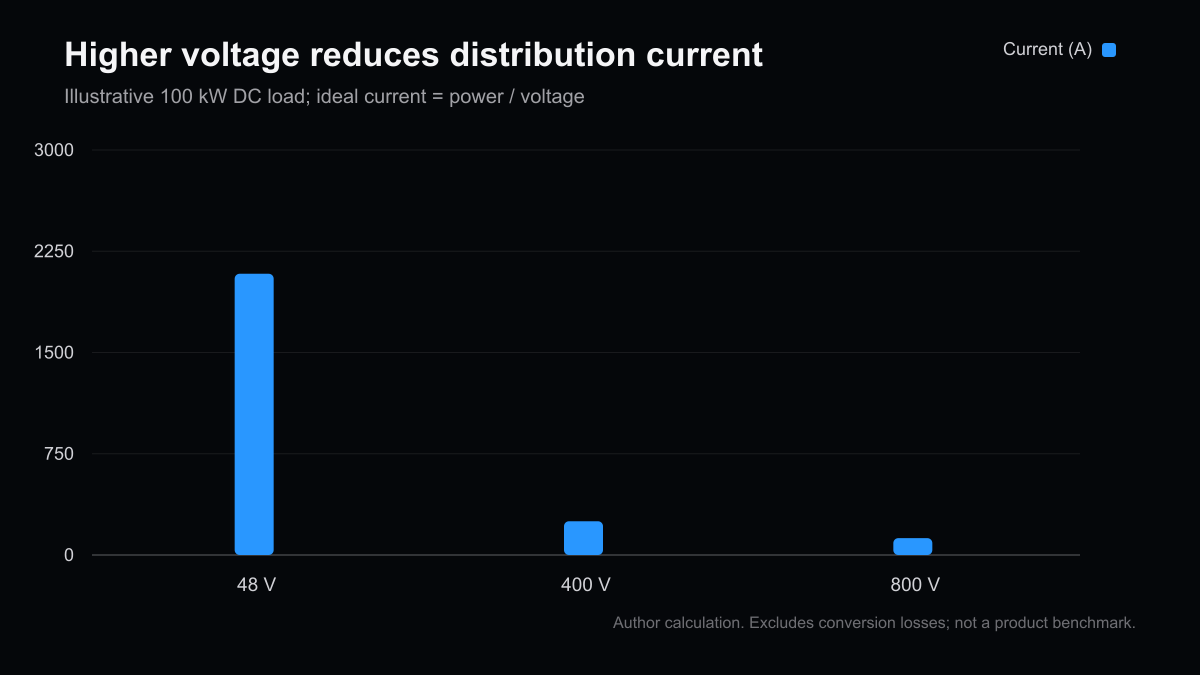
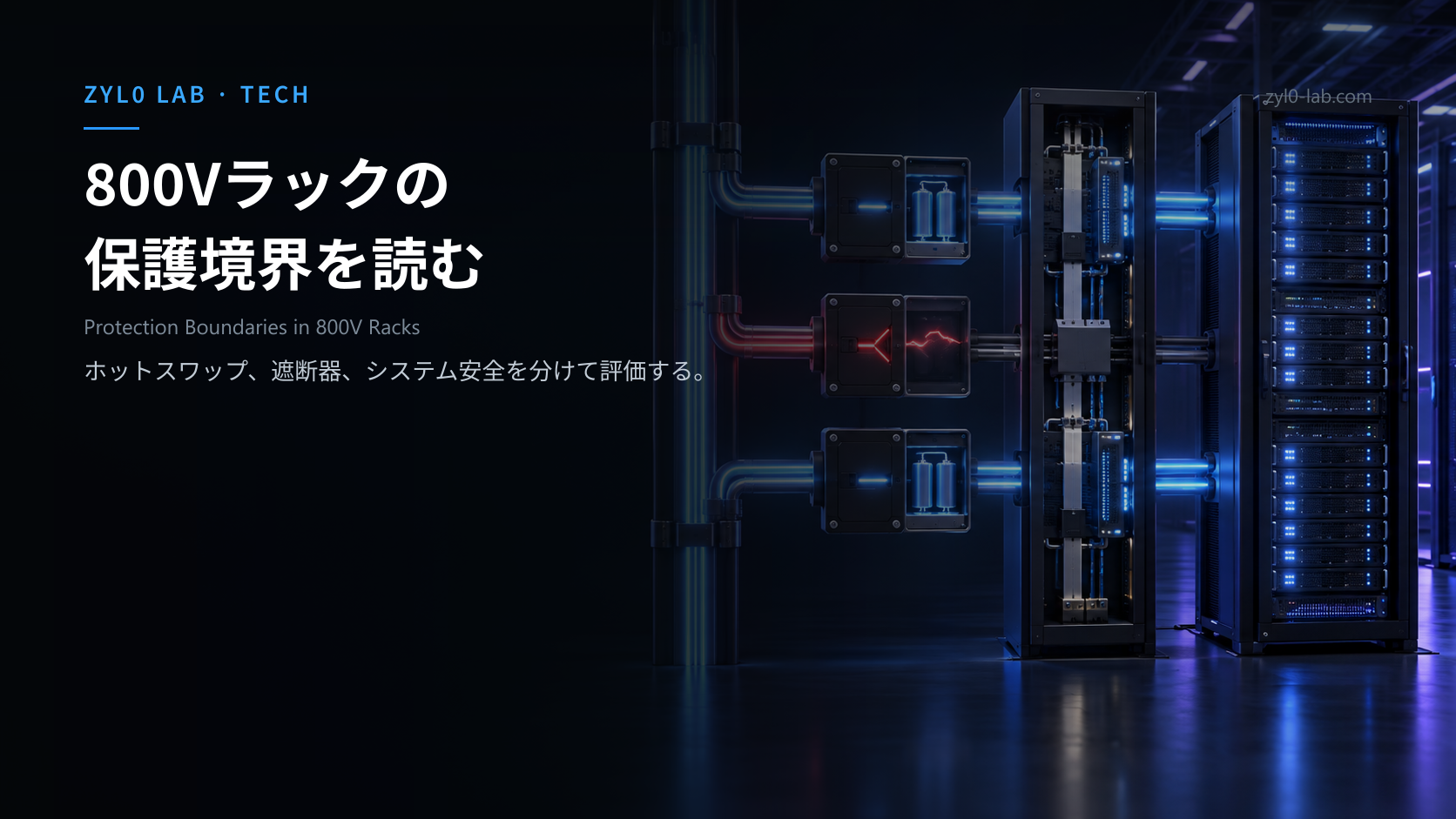
Per-GPU power has marched from H100's 700W to ~1,200W for Blackwell-class and 1,800–2,000W for the upcoming Rubin family. At the rack level, this pushes us from 30–60kW to 120–200kW per rack. Both the low-voltage/high-current side (48V down to ~1V) and the site-power side (medium voltage down to low voltage) have run out of design headroom.
| Sub-area | Listed leaders | Startup angles I'm tracking |
|---|---|---|
| Low-voltage step-down ICs / DrMOS | Monolithic Power (MPWR), Texas Instruments (TXN), Infineon (IFX) | GaN-on-Si direct 48V step-down, Vertical Power Delivery (VPD) |
| Site power / UPS | Eaton (ETN), Schneider, Vertiv (VRT) | Solid-state UPS, flywheel, Li-ion continuous UPS |
| Large transformers / switchgear | Hitachi Energy, GE Vernova (GEV), ABB (ABBN) | Modular substations purpose-built for AI demand |
| On-site generation | GE Vernova, Caterpillar (CAT), Bloom Energy (BE) | SMR balance-of-plant, SOFCs, modular gas turbines |
My CVC bias is heaviest on startups shortening the distance between 48V and the chip itself. The math is simple: shaving 2–3% off distribution losses removes 10kW+ of cooling load per rack. Anyone who has watched interconnect resistance dominate a TCAD plot knows that how you deliver power often becomes the physical rate-limiter before transistors do.
2. High-Density Cooling (DLC / Immersion / Two-Phase)
Above 100kW per rack, air cooling simply doesn't close. My field read is that roughly 80% of new DC projects from late 2025 onward are DLC-first, and another 10–20% are evaluating immersion in parallel.
| Approach | Position | Players |
|---|---|---|
| Direct Liquid Cooling (DLC) | Mainstream; cold plates direct on the GPU | Vertiv (VRT), CoolIT, Boyd, Asetek |
| Two-phase | Expanding in high-end DC | Chilldyne, Iceotope, ZutaCore |
| Immersion | Container/modular leading edge | Submer, GRC, LiquidStack |
| CDUs / piping / fittings | The hidden choke point | Parker Hannifin (PH), Stäubli, Watts Water (WTS) |
The piece I am most focused on is the plumbing layer. Quick-disconnects that don't leak, take low pressure drops, and can be removed under live operation are catastrophically undersupplied. The companies in front of the cold plate — CDUs and connectors — look more interesting to me than the cold plate vendors themselves right now.
The debate isn't settled. Some still expect immersion to take the high ground. My read is that the sunk cost of retrofitting existing rack designs is too punishing, so immersion stays scoped to dedicated AI-training halls rather than mainstream colocation.
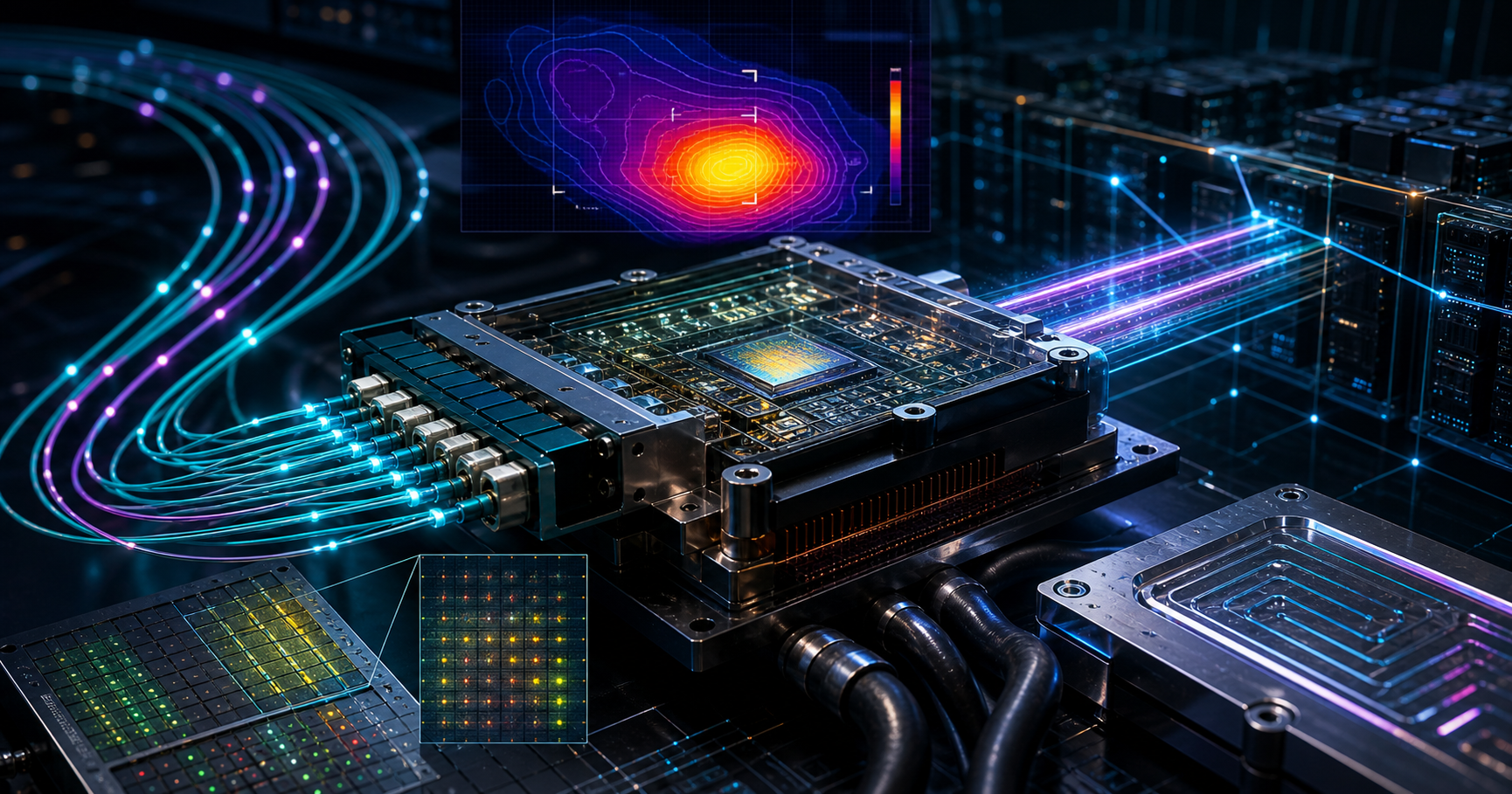
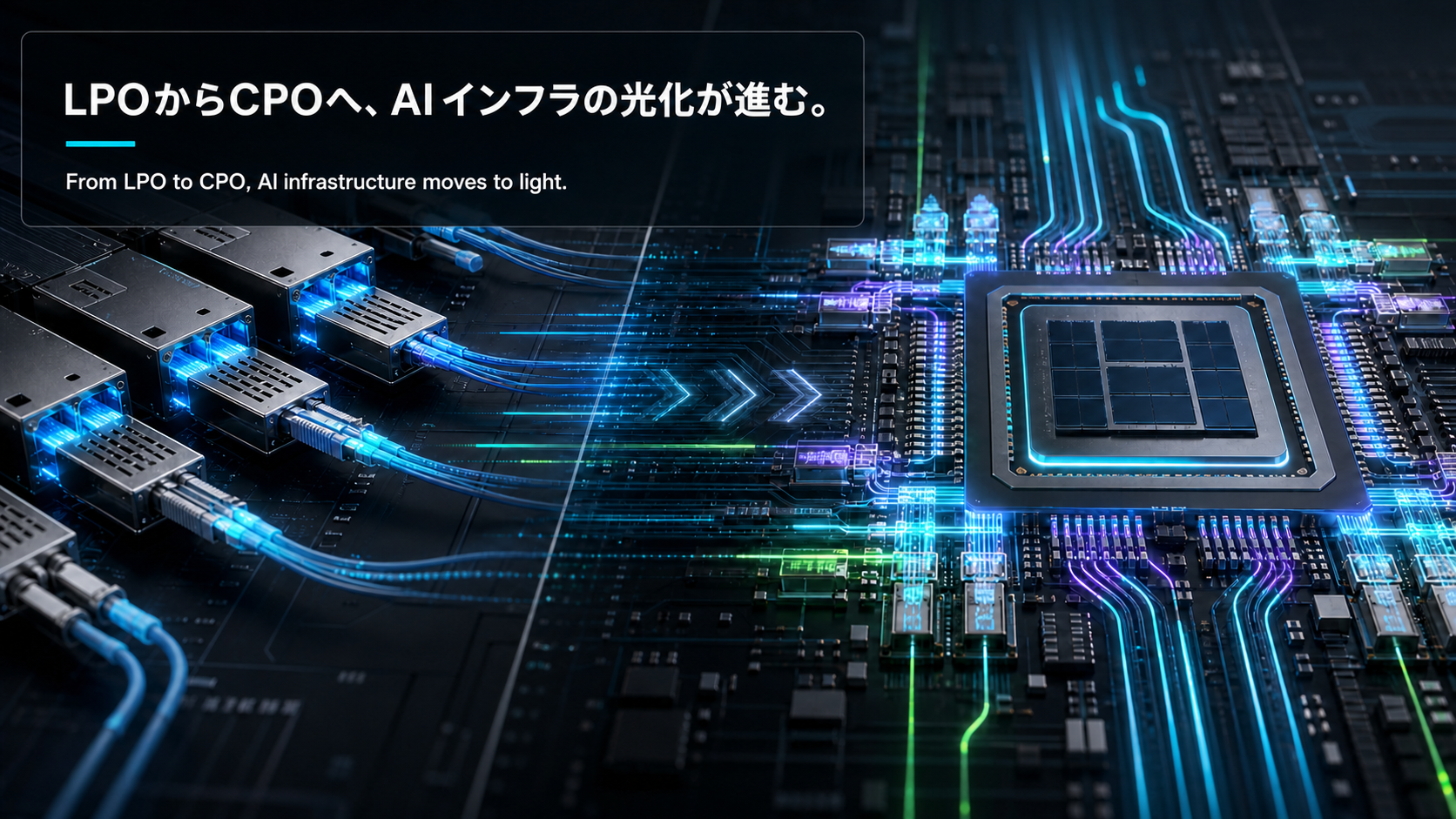
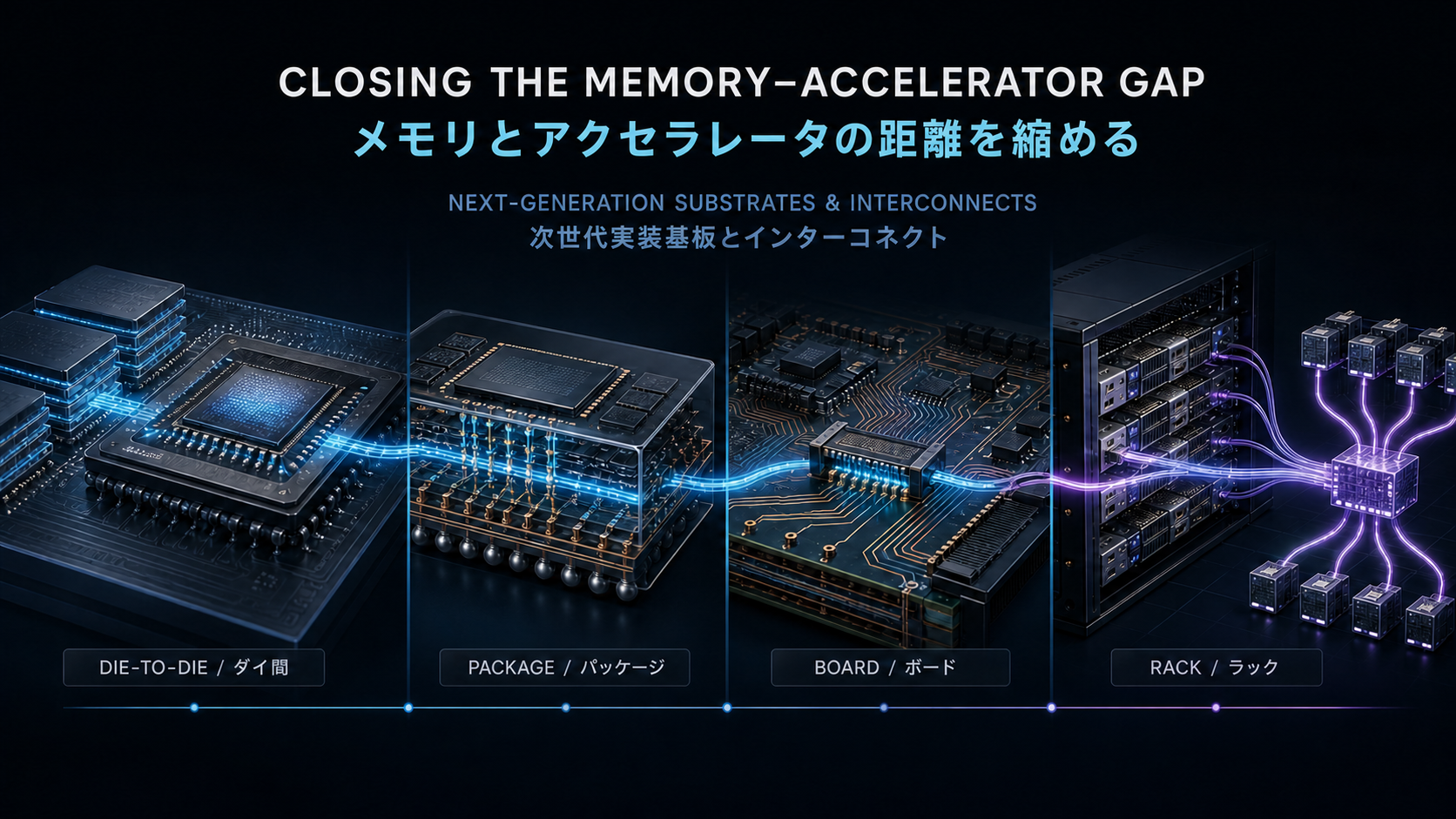
3. Optical Interconnects and Co-Packaged Optics (CPO)
On the scale-out side, 800G is migrating to 1.6T Ethernet/InfiniBand. On the scale-up side, NVLink-class fabrics are going optical. Copper is finally running out of reach inside the rack, not just between them.
| Tier | Status | Investment angle |
|---|---|---|
| Intra-rack (~few m) | Copper Twinax; hitting limits beyond Blackwell | Active Electrical Cable, thin-film LiNbO3 modulators, Optical I/O |
| Inter-rack (~100m) | 800G optical modules | Coherent (COHR), Marvell (MRVL), Lumentum (LITE), Innolight |
| Intra-cluster (~few km) | 1.6T, short-reach coherent | Coherent, Marvell, Cisco (CSCO), AOI |
| Inter-DC | Long-haul coherent | Ciena (CIEN), Infinera→Nokia, ZR/ZR+ |
Being honest, CPO is running 6–12 months behind where I expected it at the end of 2025. Yield and thermal co-design remain hard, and hyperscalers are quietly revising "volume in 2027" rather than 2026. Two intermediate technologies look set to grow more than I had penciled: Linear Pluggable Optics (LPO) and Co-Packaged Copper (CPC).
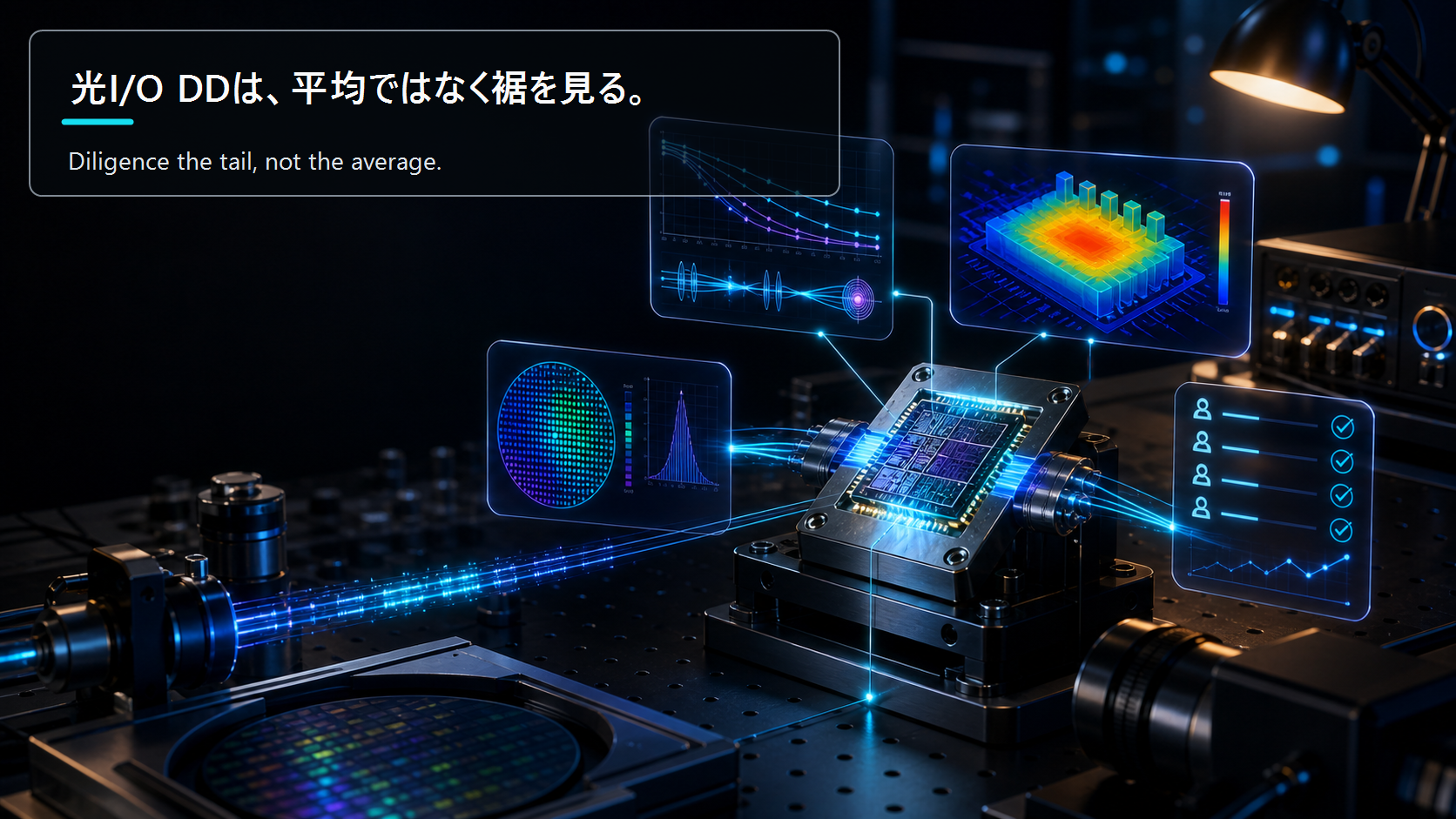
I've run optical-device simulations myself, so I have a strong intuition for how non-linear yield improvements compound in this stack. The position that makes the most sense to me at this point: lean into LPO/CPC near term, rotate toward CPO over the medium term.
4. Site, Grid Interconnect, and Cooling Water
The most contentious segment around the CVC table. The unglamorous reality: without land, power, and water, nothing else gets built.
| Constraint | Effect | Startup angle |
|---|---|---|
| Grid interconnect queues (PJM and others) | 3–7 year delay for new DC capacity | "Bring Your Own Power" DC, SMR/turbine co-siting, behind-the-meter |
| Water availability | 20,000–50,000 tons/day at a 1GW DC | Hybrid air cooling, seawater/groundwater systems, closed loops |
| Substation/transmission gear | 2–3 year wait for large transformers | Modular substations, SVCs |
| Permitting and community relations | 6–12 months for EIA | Conversion of former industrial sites and retired thermal plants |
My current read is that players who package land AND power together carry the most multiple upside. Beyond Equinix (EQIX) and Digital Realty (DLR) on the REIT side, generation/grid-adjacent names — Talen Energy (TLN), Constellation (CEG), Vistra (VST) — are entering a re-rating window. Not exciting names, but the math has changed.
Layering the Names: How a CVC Stacks This Field
So far I've drawn the map. Now I'll lay out the question of "who makes money at which layer," in the form I use to organize the field.
I split AI infrastructure into four layers. Each gets a listed anchor, and startups are positioned as derivatives of that anchor.
| Layer | Listed anchors | My current stance |
|---|---|---|
| L1: Accelerators / core silicon | NVIDIA (NVDA), AMD, Broadcom (AVGO), Marvell (MRVL) | Hold core, cautious on adds |
| L2: Peripheral silicon (PDN, optics) | Monolithic Power (MPWR), Coherent (COHR), Lumentum (LITE), Credo (CRDO) | Overweight |
| L3: Physical layer (power, cooling, plumbing) | Vertiv (VRT), Eaton (ETN), Schneider, Parker (PH) | Overweight, especially VRT and PH |
| L4: Site / power supply | Equinix, Digital Realty, Talen, Constellation, Vistra | Drifting from market-weight toward overweight |
My positioning is direct: L1 is largely priced in; L2 and L3 still have a 2–3 year runway; L4's short-term upside is well discounted, the medium term depends on regulation.
Eight Startup Themes Stacked on My Desk
Here are the research themes I currently find most interesting — no hedging:
- GaN/SiC-based direct 48V→1V step-down modules
- Intra-rack fabric startups (Optical I/O / LPO / CPC)
- CDU, quick-disconnect, and coolant-management SaaS
- Modular substations and behind-the-meter generation packages
- AI-workload-aware DC power schedulers
- SMR balance-of-plant and gas-turbine control software for DC
- Second-life EV batteries as continuous UPS for DCs (a theme I personally executed at my prior CVC)
- New coolants and dielectric fluids for DC cooling (PFAS-regulation compliant)
Theme 7 in particular: I led an investment into a North American EV-reuse stationary storage startup at my previous CVC, originally framed around peak-shaving. The pivot toward continuous UPS for AI data centers is now turning that thesis into a meaningfully larger market than I had penciled in at the time. When you've defined a thesis end-to-end and shepherded it through an investment committee, you start to see these "adjacent expansion lines" more easily.
Scenario Analysis: Positioning Through 2027
A final scenario lattice. Short term (1 year), medium term (2–3 years), long term (3–5 years).
| Scenario | Subjective probability | L2 (peripheral Si) | L3 (physical) | L4 (site/power) |
|---|---|---|---|---|
| Base: CapEx steady; power bottlenecks ease H2 2027 | 55% | Mid → Strong | Strong | Strong |
| Bull: SMRs ramp and optics pull forward | 20% | Strong | Strong | Mid (capacity glut compresses margin) |
| Bear: Hyperscaler CapEx pared in H2 2026 | 20% | Weak | Weak | Mid (incumbent sites relatively favored) |
| Tail: CPO ramp slips + tariffs raise equipment costs | 5% | Strong (local supply) | Strong | Mid |
The trade I'm running: L2–L3 as core, with L4 tilted toward Talen/Constellation on the generation side, while leaving L1 unchanged. On the startup side, themes 1, 2, and 3 are where my deal flow is concentrated, with a target of 1–2 new deals per month through 2026.
After six years in CVC, one closing thought. The peripheral ring tends to move most precisely when "AI infrastructure has peaked" starts circulating in the investment committee. Once the center names settle, institutional capital quietly migrates outward. I'd argue we're right at that handoff.
Next Issue Ideas
- The Real CPO Ramp: Evaluating Players Through a Yield-and-Thermal Lens — when and through whom co-packaged optics actually reaches volume, from a process-engineer's seat.
- AI Data Centers Meet the Grid: SMRs, Gas Turbines, and the Interconnect Reality in PJM — the economics of co-sited generation versus waiting in queue.
- Second-Life EV Batteries for AI: Continuous UPS Meets Peak Shaving — a case study from a North American investment I led, applied to DC use cases.
Related Posts
- The Real CPO Ramp: Winners in AI Data Center Optics Through Yield and Thermal Design — Optical conversion of AI datacenters is inevitable, but CPO mass production isn't just a bandwidth race.
- LPO vs CPO: The 2026–2028 Optical Interconnect Migration Map for AI Infrastructure — AI data center optics will arrive as a two-stage rocket — LPO first, CPO next.
- How to Read Optical I/O Startups From the Outside: Insertion Loss, Thermals, Manufacturability, and Customer Validation — An outside-in checklist for reading optical I/O startups from public information: insertion loss, thermals, manufacturing yield, and customer validation.
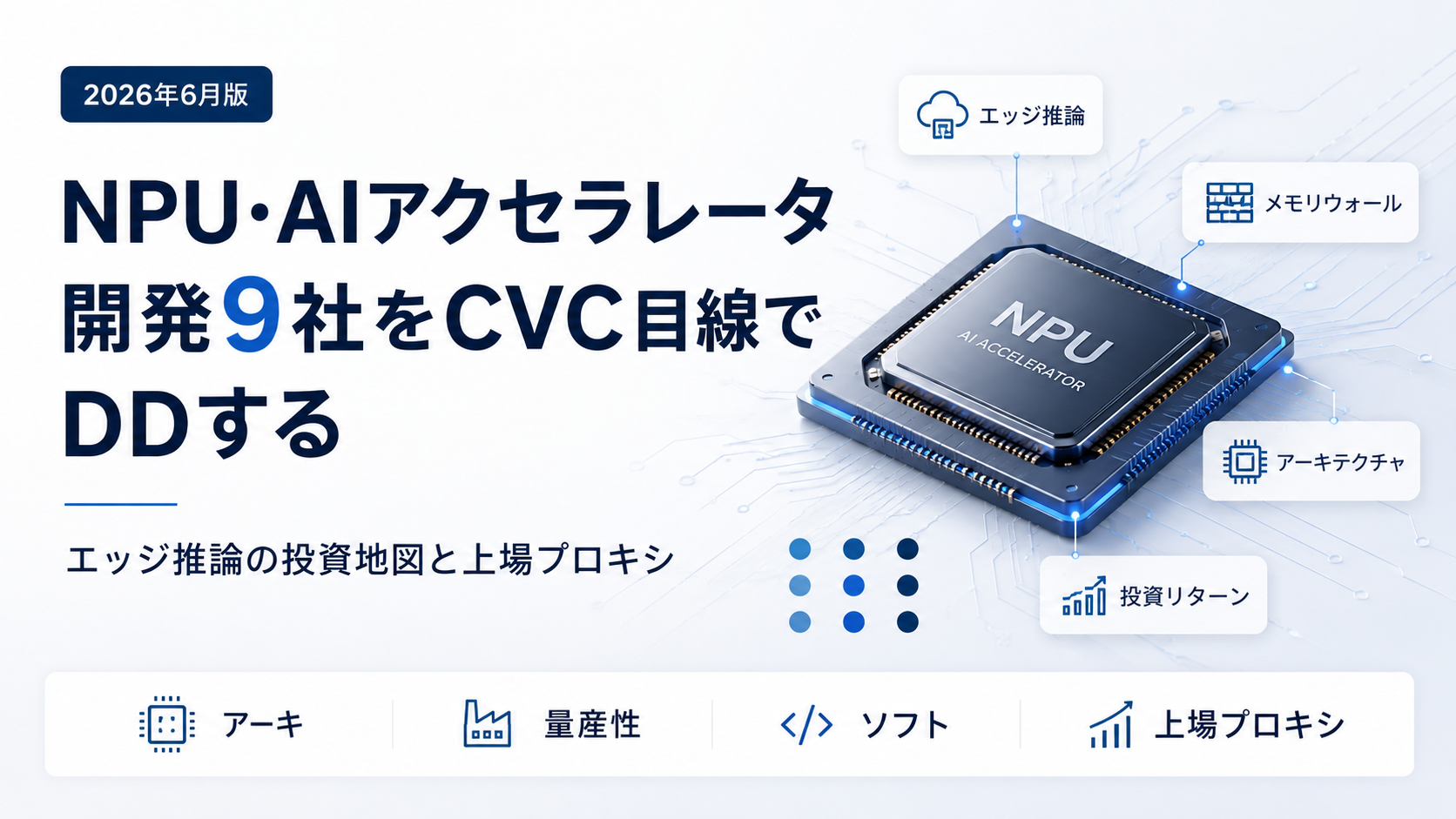
- Reading the 9 NPU / AI-Accelerator Developers From the Outside: An Edge-Inference Investment Map and Its Public Proxies — An outside-in read of nine NPU developers — the NVIDIA-Groq consolidation, memory-wall architecture splits, public proxies,…
- Power, Not Compute: Mapping the AI Electricity Bottleneck Across Power Semiconductors and the Grid — Extends this segment breakdown down into the power and grid-infrastructure layer.
References
The factual and numerical assumptions in this article are anchored to primary or public materials that readers can revisit during AdSense review and future updates.
This article is for informational purposes only and does not constitute investment advice or a recommendation of any specific stock, service, or contract structure. The author may hold positions or interests related to companies or services mentioned. Generative AI was used for parts of research, translation, and proofreading, with final review by ZYL0. See the disclaimer for details.