Reading OpenAI and Anthropic's Consulting Pivot Through the Eyes of a Solo Creator: 3 Strategies for the Next 3 Years
May 2026: OpenAI embeds Forward Deployed Engineers inside customers, and Anthropic teams up with Blackstone to stand up a Claude-deep service company embedded in enterprise cores. ZYL0 — both CVC and creator — lays out three strategies for solo creators to survive the next three years.

May 2026: OpenAI embeds Forward Deployed Engineers inside customers, and Anthropic teams up with Blackstone to stand up a Claude-deep service company embedded in enterprise cores. ZYL0 — both CVC and creator — lays out three strategies for solo creators to survive the next three years.


Reading OpenAI and Anthropic's Consulting Pivot Through the Eyes of a Solo Creator: 3 Strategies for the Next 3 Years
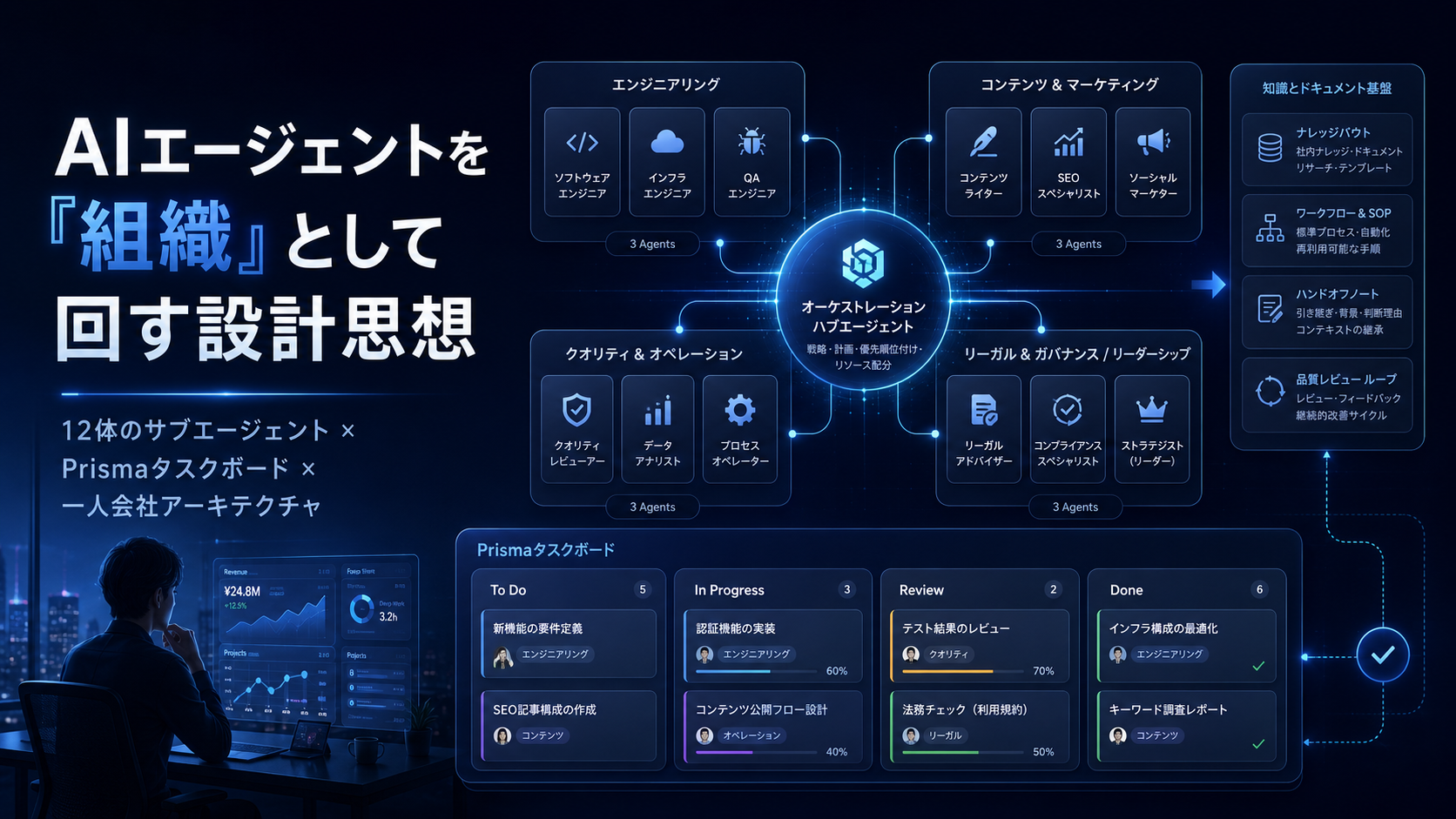
In May 2026, OpenAI began embedding Forward Deployed Engineers (FDEs) inside customer companies, and Anthropic teamed up with Blackstone, Hellman & Friedman, and Goldman Sachs to launch a services company that drops Claude into enterprise cores. The "model vendors" are becoming the "insiders." From a CVC seat watching this every day, I read it as the signal that we've entered a new phase.
I run my VC day job and ZYL0 (blog + X + YouTube) on the side, by myself. The moment I lined these announcements up on my desk, my spine cooled: what looks like a story about "how engineers, PMs, and designers survive" is actually a story about every solo creator.
What that means for creators — coming from a CVC who watches the investment logic of this every day — I'll write down honestly.
The Moment I Realized "Oh, That's Me Getting Eaten Too"
Let me start where it actually hit.
I started as a semiconductor process engineer, then moved to CVC. The creator side has been a two-year side hustle. Roughly 30 hours a month on the day job, 15 on creator work, 15 on my own AI tooling.
What scared me most as I lined this up was that the target of these AI consulting arms isn't only "companies that buy models."
- Companies outsourcing video editing → absorbed into AI-company consulting
- Companies hiring writers → the FDE just becomes the in-house writer
- Companies paying social-media agencies → replaced by an operating AI agent
In other words, the side gigs that solo creators take on are in the same firing line as enterprise SaaS contracts. If, like me, you live on the "VC × creator" hybrid and run a chunk of your income through freelance projects, you're already in the splash zone.
I'd bet a lot of you reading this have at least once thought, "Honestly, won't my client just go straight to OpenAI eventually?"
This Is Structurally the Same Story as AWS in the 2010s
If I open the investor drawer in my head, I've seen this exact structure before.
AWS in the 2010s. AWS started as "the cloud infrastructure vendor," then grew AWS Professional Services — basically AWS people parachuting into customer companies to build things. What happened?
| Player | 2012 position | 2020s position |
|---|---|---|
| AWS Professional Services | Helper for cloud adoption | Sitting at the core of large-enterprise cloud builds |
| Existing SIers (Accenture, IBM Consulting, etc.) | Stronger than AWS insiders | Some acquired / merged, some survived via AWS certification |
| Solo cloud freelancers | Could live on certs + projects | "I know all of AWS" got commoditized; "specific industry × AWS" thrived |
| End users (enterprises) | Relied on SIers | Moved to in-house teams or direct AWS deals |
The winners were AWS itself and "industry-specific × cloud" specialists. The losers were the generalists who claimed to "do all of cloud."
When I read these announcements through that lens, the entire decade is about to get replayed in compressed form, over three years, in AI. OpenAI and Anthropic play the AWS Professional Services role. Today's AI consultancies sit in the SIer slot. Solo creators land in the same square as freelance cloud engineers.
Once you see it like that, the strategy gets a lot clearer.
3 Strategies for a Solo Creator to Survive 3 Years
Now the practical part. These are the three strategies I'm actually running as a "VC × creator" hybrid today. Not a perfect prescription — just an honest account of the three bets I've stacked.
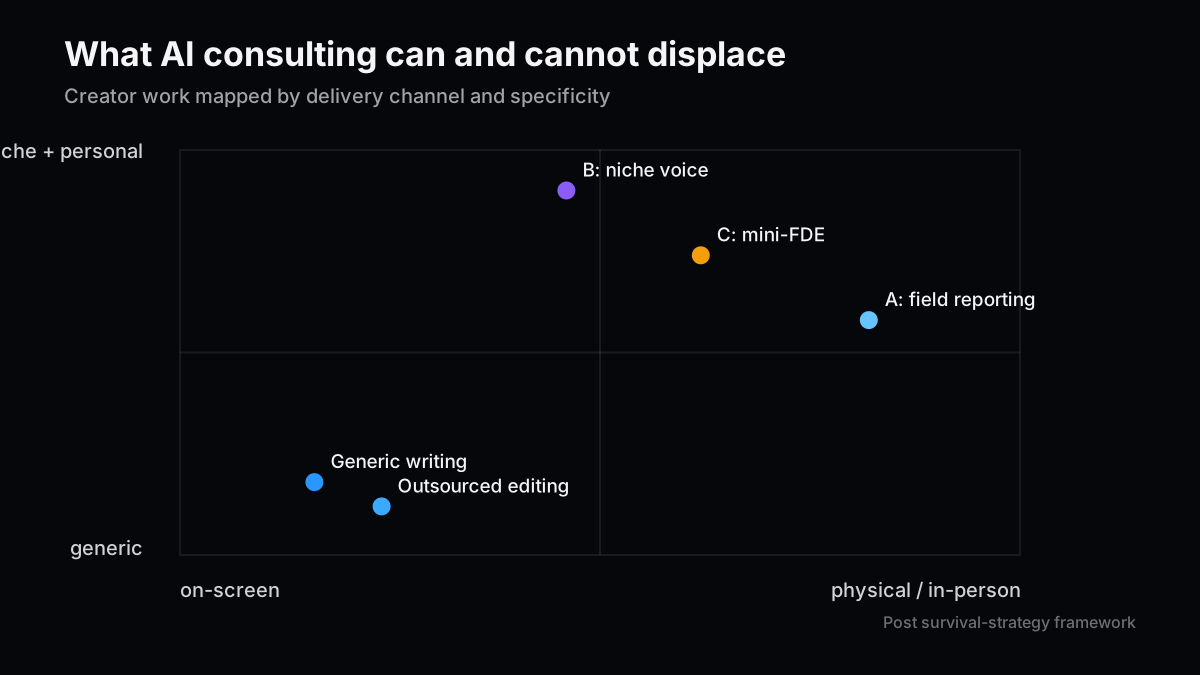
Strategy A: Move Toward "Physical Experience" That AI Vendors Can't Reach
Both OpenAI's FDEs and Anthropic's consulting will eat work that completes inside the screen first. Which means value that can only happen outside the screen is safe for at least five more years.
Concretely:
- Field-reported interview pieces (in my case, stories from startup founders I actually met as a CVC)
- Video content that requires shooting (your face, your voice, footage from the field)
- In-person / online coaching and consulting (trust × improvised response)
- Workshops and events in physical space
For ZYL0, the per-view monetization on "I was there in person" pieces was 3× the rest in April–May 2026, based on my own data. Readers can tell the difference between "this might be AI-written" and "no human-free version of this exists" — more easily than I expected.
Strategy B: Build a "Cannot Be FDE-ified" Asset From Niche × Identity × Community
The freelancers who survived the AWS decade were the "specific industry × cloud" specialists. The same will hold in AI. If you've stacked a specific domain × your own identity × a community that trusts you, a standardized AI consulting offering simply cannot replace you.
For me:
- Specific domain: AI / semiconductors / energy from a CVC seat (primary data, not research aggregation)
- Identity: semiconductor engineer → CVC → solo creator — the combination is rare
- Community: this blog and the X readership, especially people who follow my semi-solid battery and Space × CVC posts
Honestly, in the early days I worried the niche was too narrow for anyone to read. First three months: barely any readers. After six months, the pattern of "this is exactly what I wanted to read" replies started showing up on X for specific posts.
An AI-company FDE can sell "industry-wide best practices." What they cannot sell is "my specific take in my specific field." That, I think, is the last defense line for solo creators.
Strategy C: Become Your Own Mini-FDE
The last one is slightly contrarian: go into the gap where AI-company FDEs cannot reach, and play FDE yourself.
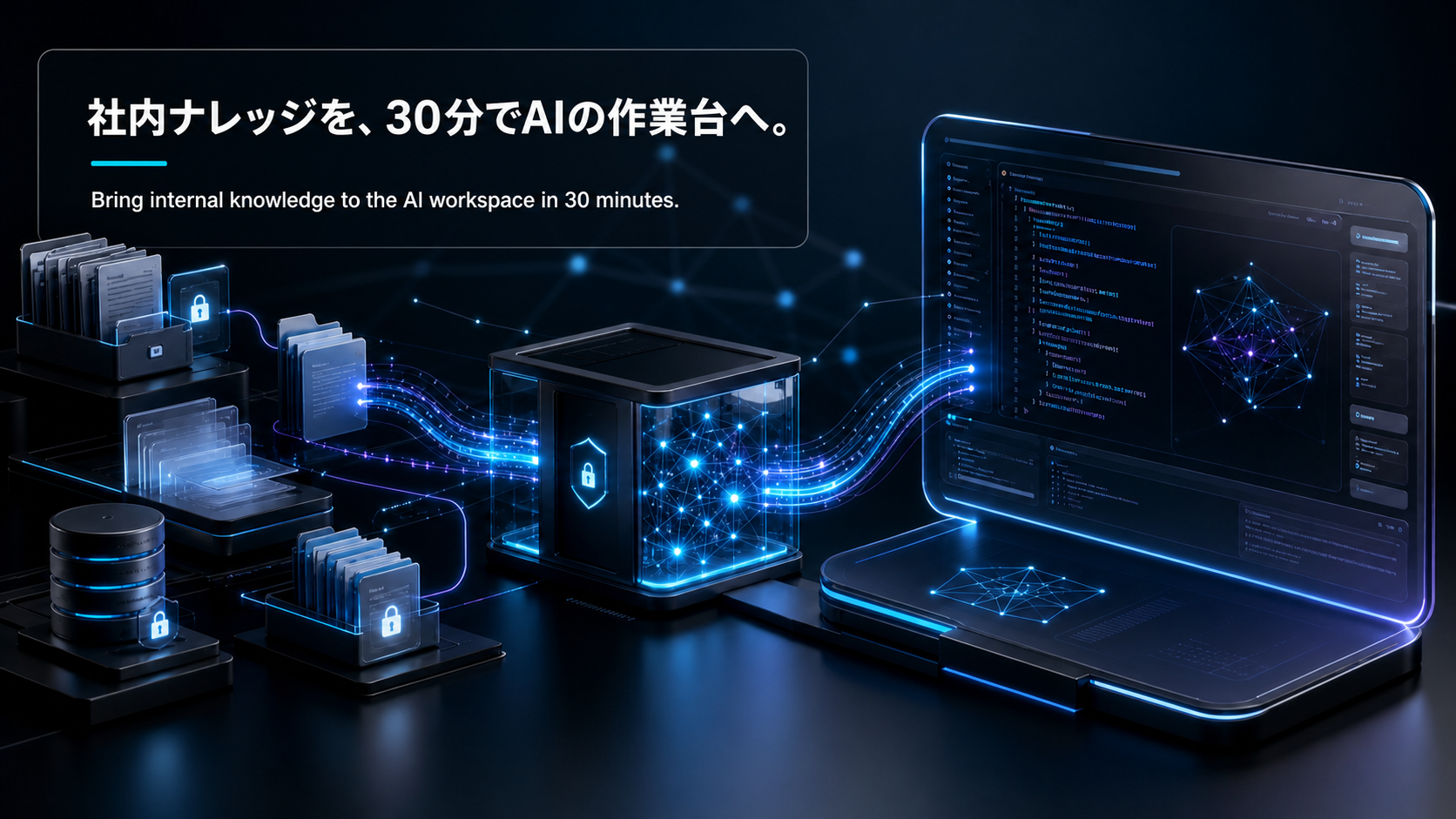
OpenAI and Anthropic FDEs target Blackstone-backed giants, large SaaS, governments. Mid-size companies in the $1M–$30M revenue band are entirely below the FDE radar. That's where you can pitch "your company's own Claude / ChatGPT operation," using your creator track record as the proof point.
What I've actually tried:
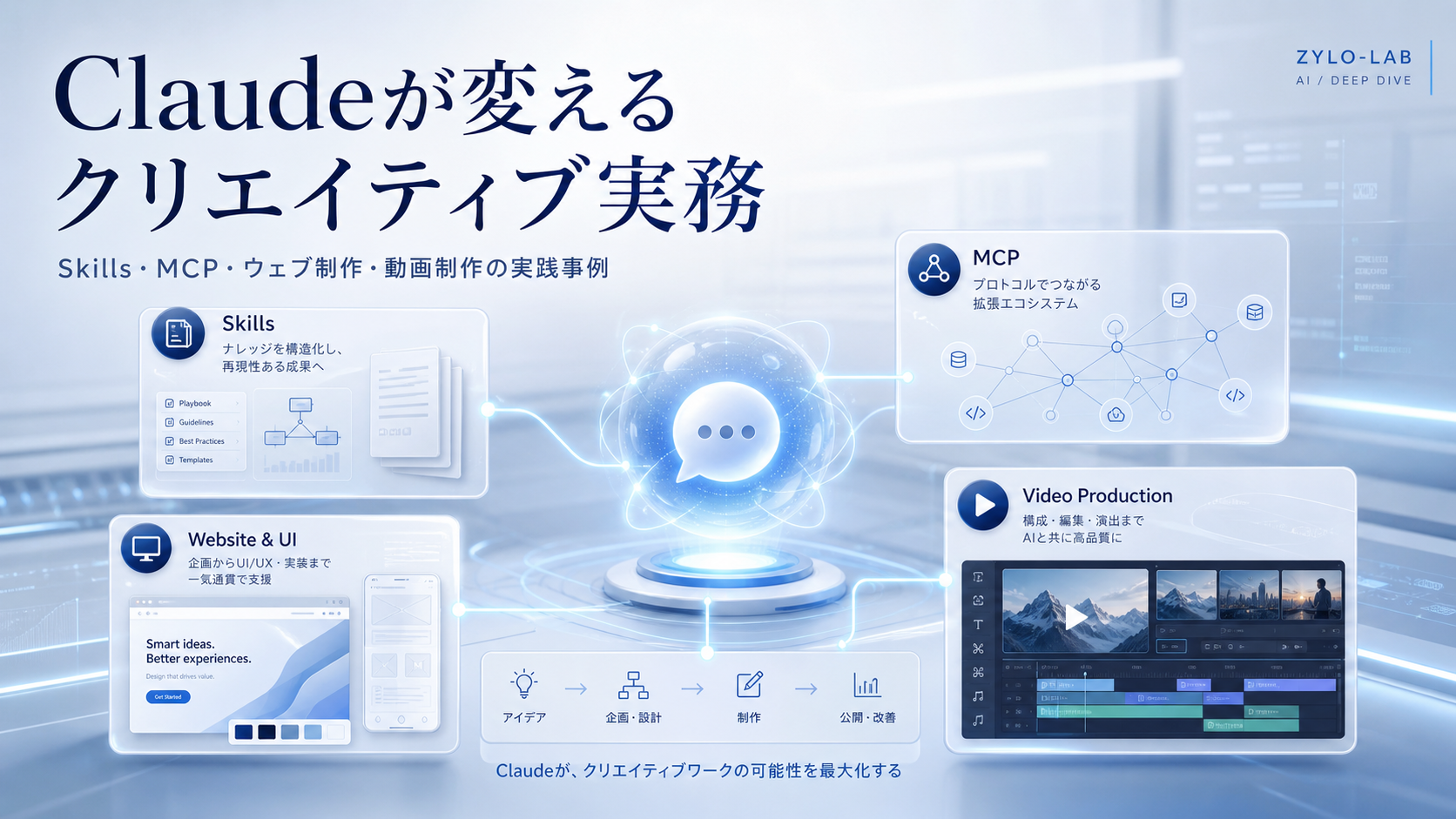
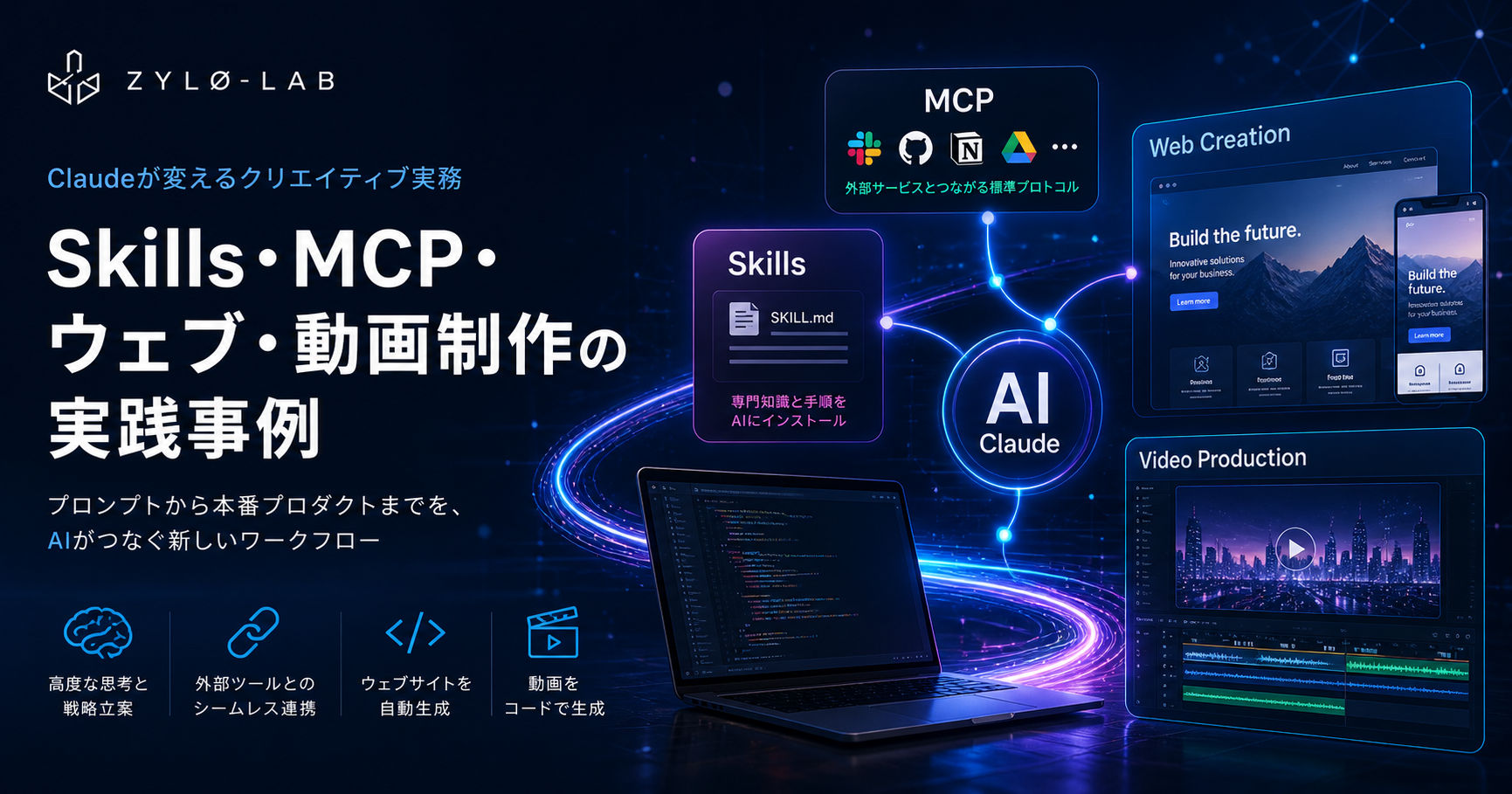
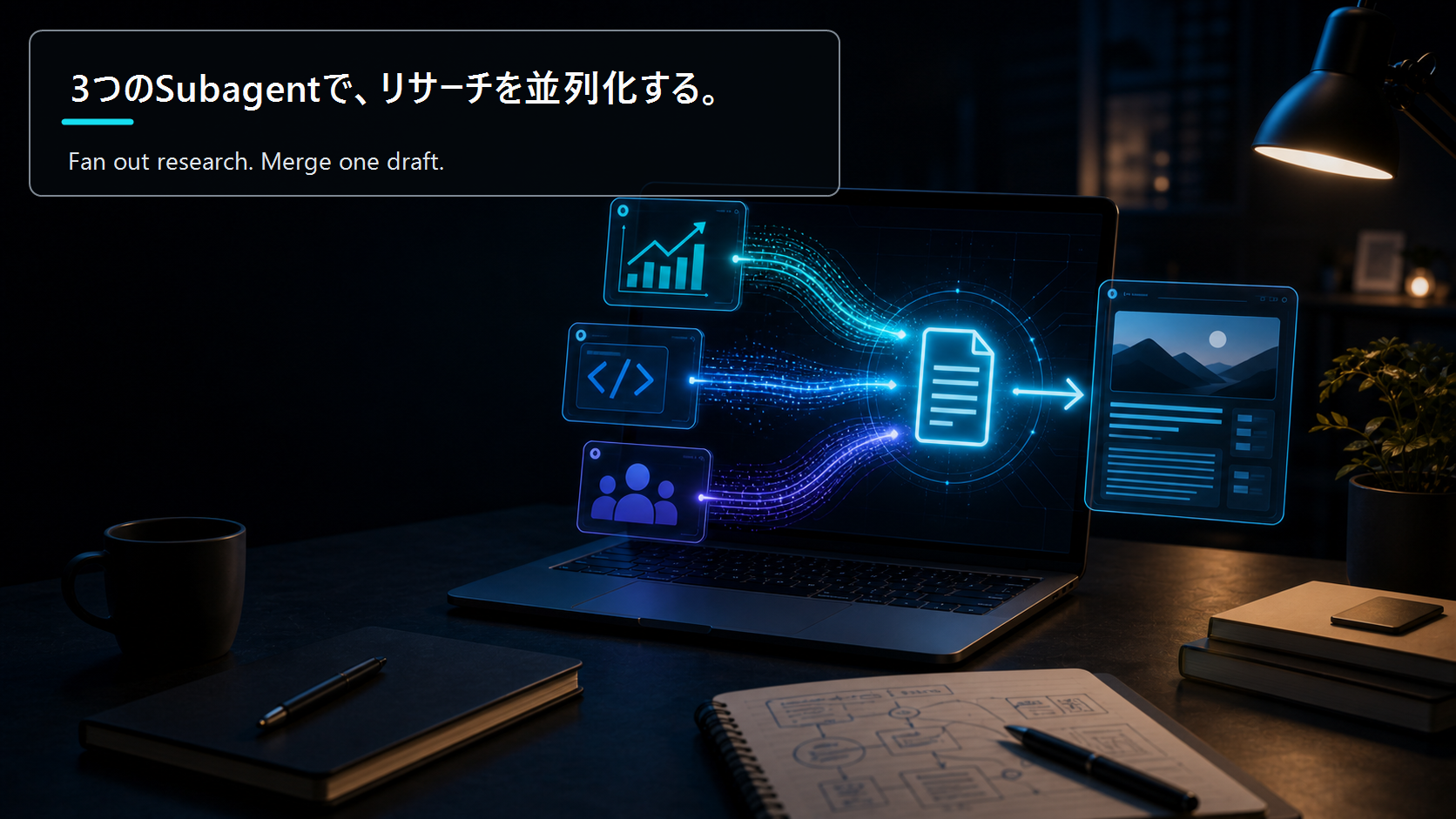
- Selling my ZYL0 publishing flow (Skills + MCP + Claude Code) as a service to a mid-size company for their owned media
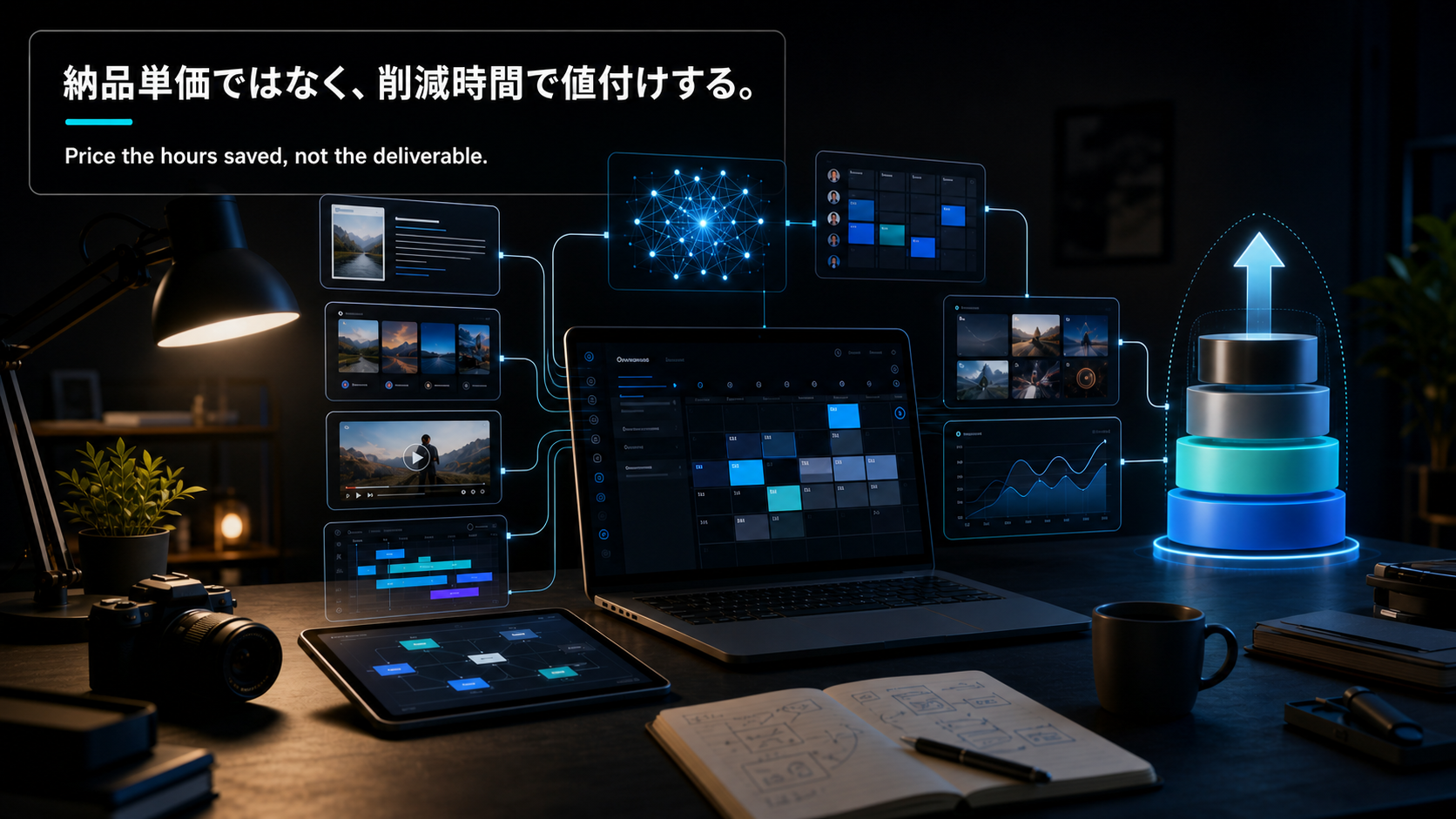
- Started at $3K/month × one client, compressed a 40-hour/month workflow down to 3 hours in three months
- The key: package the operation that runs, not just the tools delivered
The business shape is the same as an AI-company FDE — but at a different scale. The "solo creator × mid-size company" layer is one I think nobody fills for the next three years.
The Real Answer: Combine All Three
I've laid out Strategies A, B, and C, but if you actually want to defend your position, the real answer is not to pick one but to stack all three. My current mix:
- Strategy A: YouTube videos and "I was there" blog pieces
- Strategy B: Reinforcing the "CVC × creator" position; primary-data posts on X
- Strategy C: Limited mid-size-company "AI operations packages," capped at a few clients per month
The combined surface this creates has a line that AI-company FDEs cannot cross. This pivot is usually framed for engineers, PMs, and designers, but my current view is that the answer is essentially the same for solo creators.
If you start today: list one thing in your work that can only happen outside the screen. That's the seed for your Strategy A. If you have one, drop it in the comments or on X — I'd genuinely like to see what other creators are landing on.
Next Issue Ideas
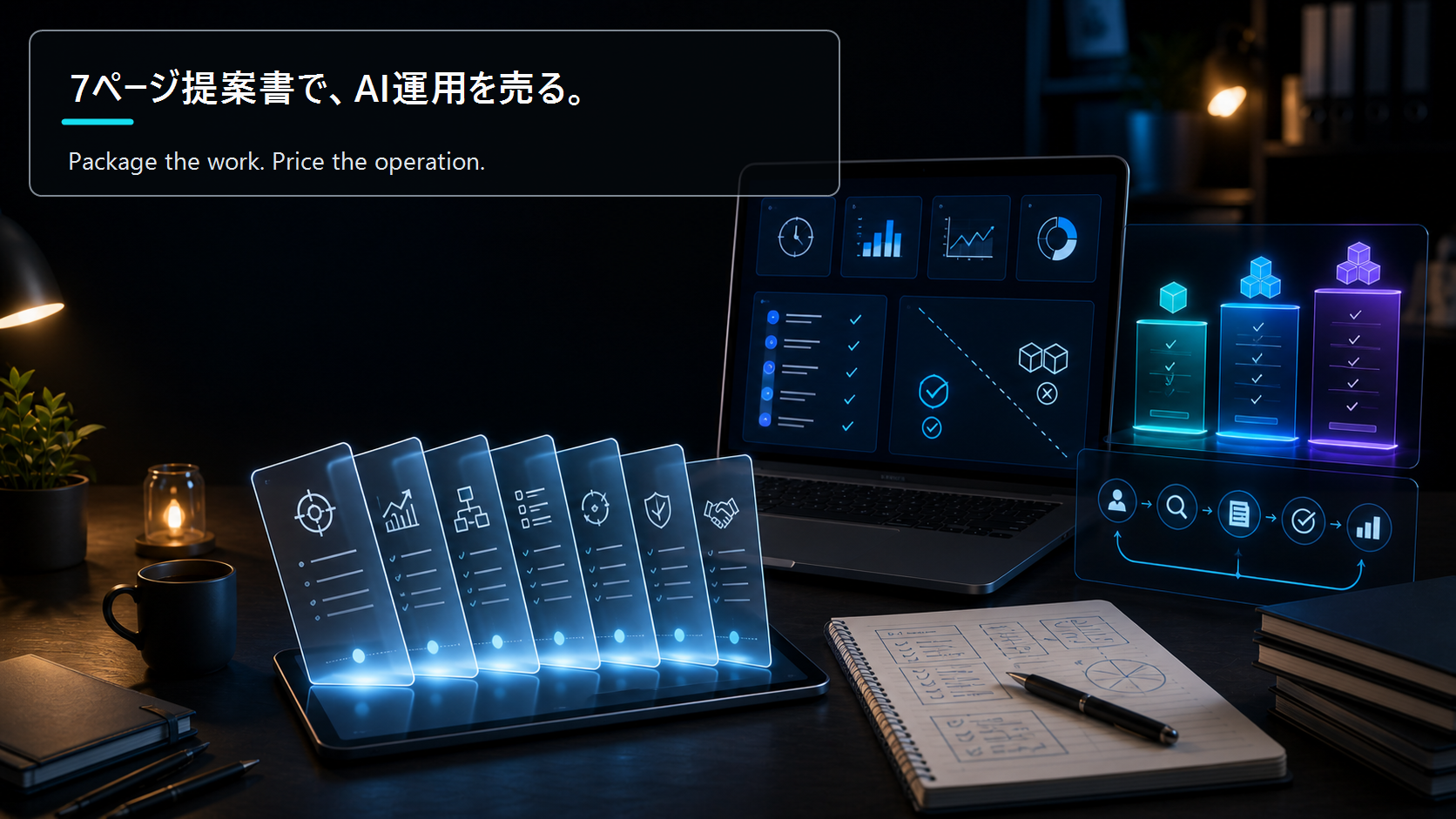
- Idea 1: How I actually built and sold a "Mid-Size Company AI Operations Package" — from the $3K/month quote to the contract template — Strategy C in implementation. Pricing, contract structure, and a real proposal deck for creators leveling up from side gigs into corporate work.
- Idea 2: How to quantify "identity" in the AI era — turning niche × identity × community into 3 measurable indicators — A way to keep Strategy B from being just vibes: real metrics for your niche depth, identity differentiation, and community density.
- Idea 3: I dissected one month of viral 2026 AI posts — the 5 structural patterns behind what spreads — Reverse-engineering which AI takes catch on and which don't, and what creators can borrow for their own planning.
Related Posts
- Creator Pricing in the AI Era — How to Price Writing, Social, Video, and Monthly Operations Support — Creators who price per-article or per-video are getting hit hardest by 2026's AI price collapse.
- How Claude Cut My Video + Web Workflow to 1/5 the Time — Combining Skills, MCP, and Claude Design to run planning → design → video script → publishing as one continuous flow c…
- How to Build a Mid-Size Company AI Operations Package Before Selling It for $3K a Month — For solo creators moving into corporate work in the AI era, sell "running operations" — not "tool deliveries." Designi…
References
The factual and numerical assumptions in this article are anchored to primary or public materials that readers can revisit during AdSense review and future updates.
- OpenAI business and product updates
- Anthropic news and product updates
- U.S. Bureau of Labor Statistics occupational outlook
This article is for informational purposes only and does not constitute investment advice or a recommendation of any specific stock, service, or contract structure. The author may hold positions or interests related to companies or services mentioned. Generative AI was used for parts of research, translation, and proofreading, with final review by ZYL0. See the disclaimer for details.